Securing the strait: What the UK is sending to ensure free passage in the vital waterway

Autonomous mine-hunting equipment, counter-drone systems, Typhoon jets and HMS Dragon are to be used as part of a future defensive mission to secure freedom of navigation in the Strait of Hormuz.
The announcement that the kit and personnel will be available was made after a summit involving more than 40 nations that are involved in the Multinational Military Mission.
However, the MOD said this defensive mission would only become operational "when conditions allow".
What the UK force package will include
:: UK Typhoon jets, battle-proven in the region, ready to conduct air patrols over the Strait of Hormuz
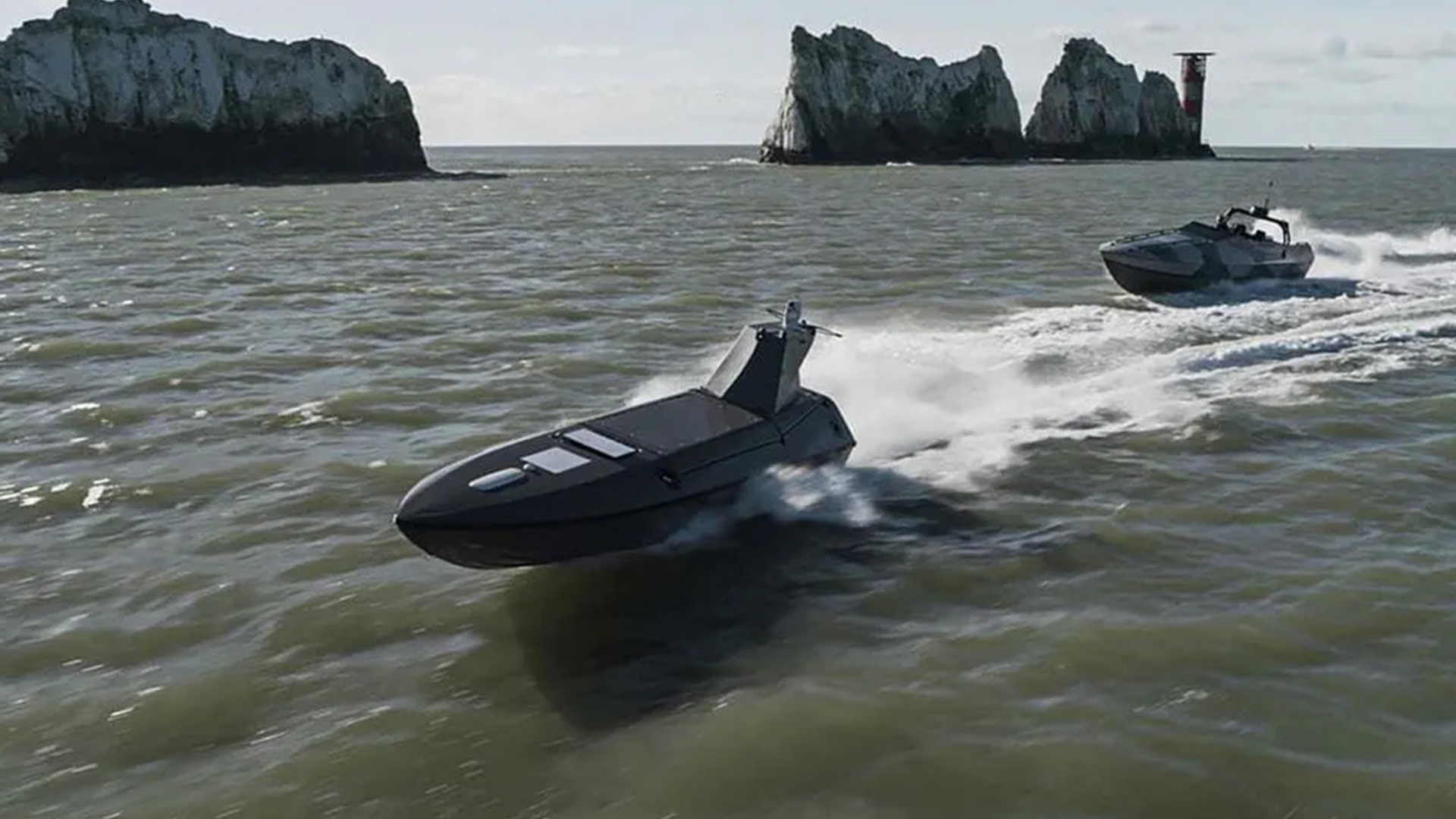
:: The Royal Navy's modular 'Beehive' system which can deliver high-speed, autonomous Kraken drone boats allowing the multinational force to sense, track, and identify potential threats and defeat them
:: Autonomous mine hunting equipment, including capabilities to detect and defeat mines
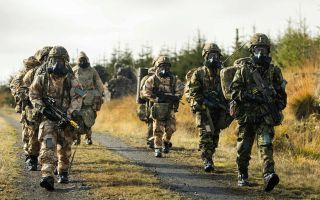
:: British military mine-clearance specialists, who have been preparing in the UK to conduct mine-clearing operations
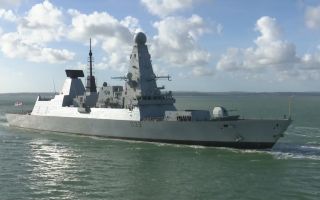
:: HMS Dragon deploying to the Middle East to be ready for any mission to secure the Strait of Hormuz. Its counter drone systems include the cutting-edge Sea Viper system
These capabilities will enable the UK to make meaningful contributions to be should they be required.
Cutting-edge kit
Defence Secretary John Healey said: "The UK is playing a leading role to secure the Strait of Hormuz, and we are demonstrating that today with new cutting-edge kit to protect our interests and secure the strait.
"New funding for autonomous mine-hunting and counter-drone systems, our advanced Typhoon jets, and HMS Dragon are strong and clear commitments – commitments to strengthen the confidence of commercial shipping and reduce the burden of the conflict on people at home.
"With our allies, this multinational mission will be defensive, independent, and credible."
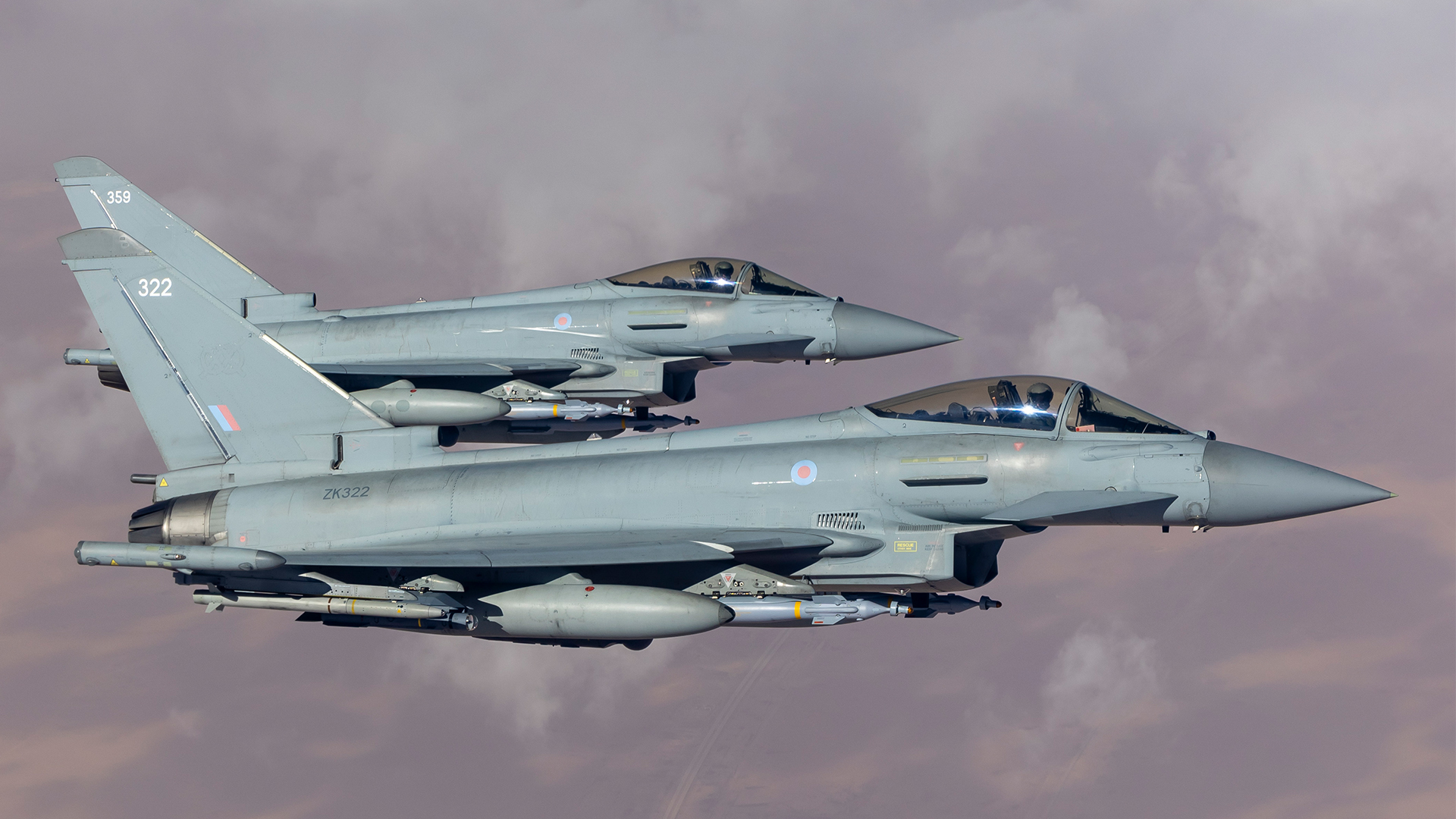
Typhoons
The 4th generation RAF fighter jets will patrol the skies.
A number of RAF Typhoons based in Qatar were active in shooting down Shahed drones in defence of allied countries in the Gulf during the 38-day war that followed the US-Israel attack on Iran.
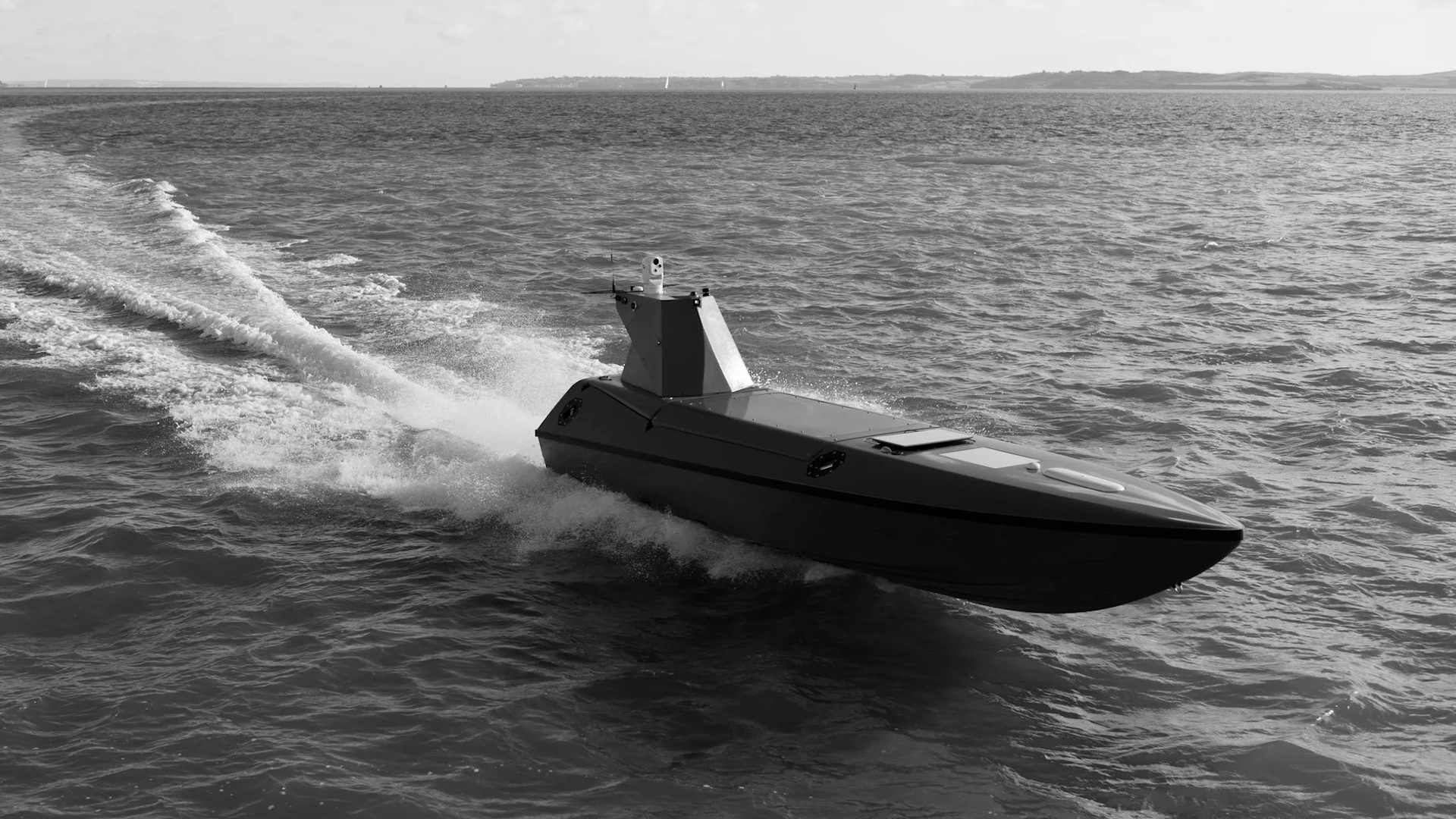
K3 Scout
The Royal Navy is now in command of their first K3 Scouts, a high-speed unmanned surface vessel (USV) developed by Kraken Technology Group under Project Beehive.
The vessels are capable of 55 knots and suitable for counter-drone operations and intelligence, surveillance, reconnaissance (ISR) missions.
They are likely to be operated from RFA Lyme Bay.
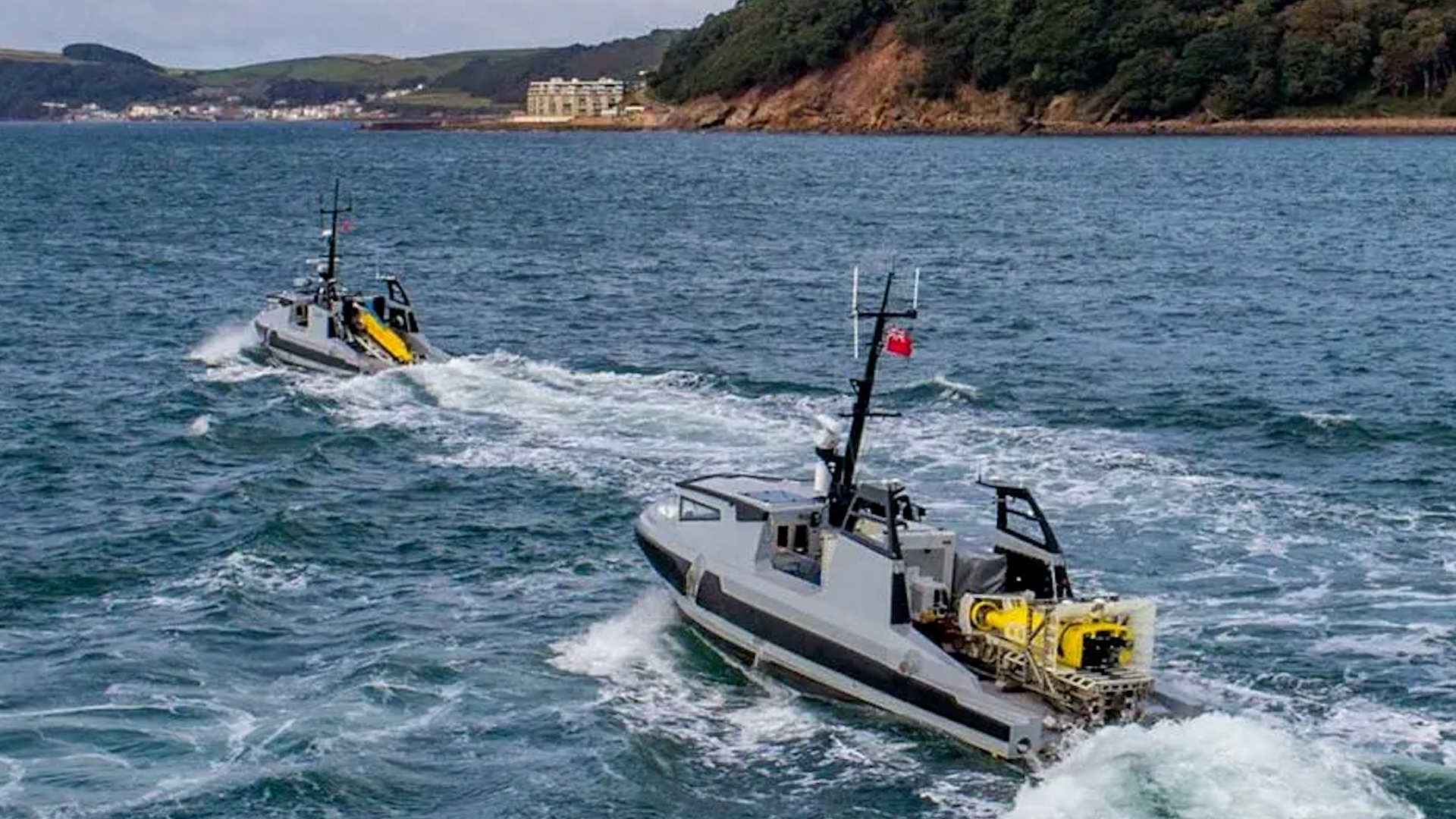
Autonomous mine-hunting systems
The Royal Navy has RNMB Ariadne and RNMB Adventure, uncrewed minehunters which have been delivered under the Maritime Mine Counter Measures (MMCM) programme.
The 12-metre uncrewed surface vessels (USV) can carry a sophisticated payload and are operated from a remote command centre – which means mines can be rapidly detected in a more cost-effective and safer manner than previously.
This advanced technology increases operational tempo and eliminates the needs for sailors to enter mine danger areas.
They can be deploy from a harbour or mother ship to scour the seabed for mines, using Thales Towed Synthetic Aperture Multiviews systems – one of the most sophisticated towed sonars in the world.
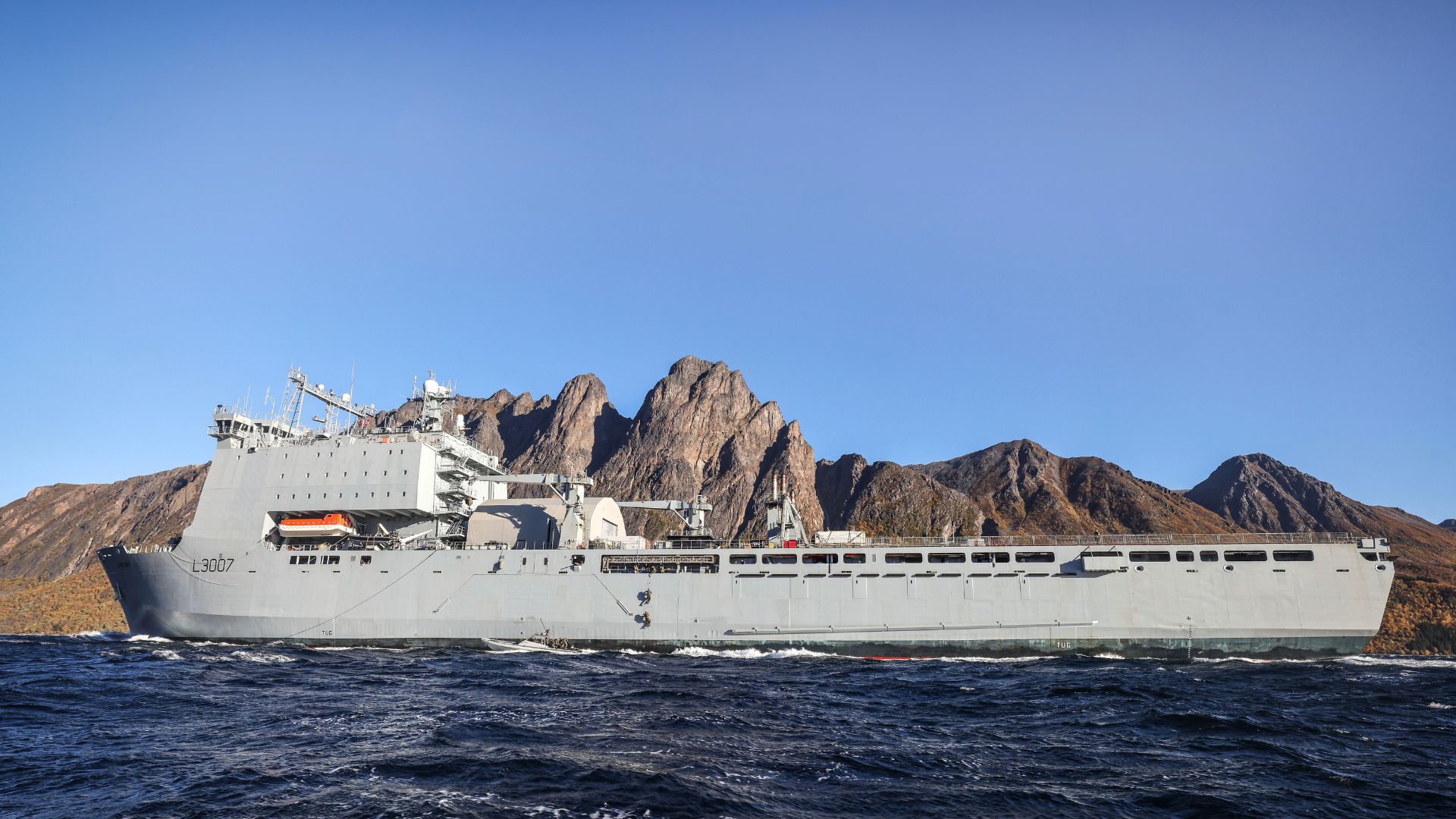
RFA Lyme Bay
The Bay-class auxiliary vessel continues to be upgraded by the Royal Navy to add new cutting-edge uncrewed equipment, allowing it to be used as a 'mothership' for autonomous systems, if required for operations in the Strait of Hormuz.
The high-tech equipment will be able to detect, identify and neutralise threats as part of the Royal Navy's transition to a 'Hybrid Navy'.
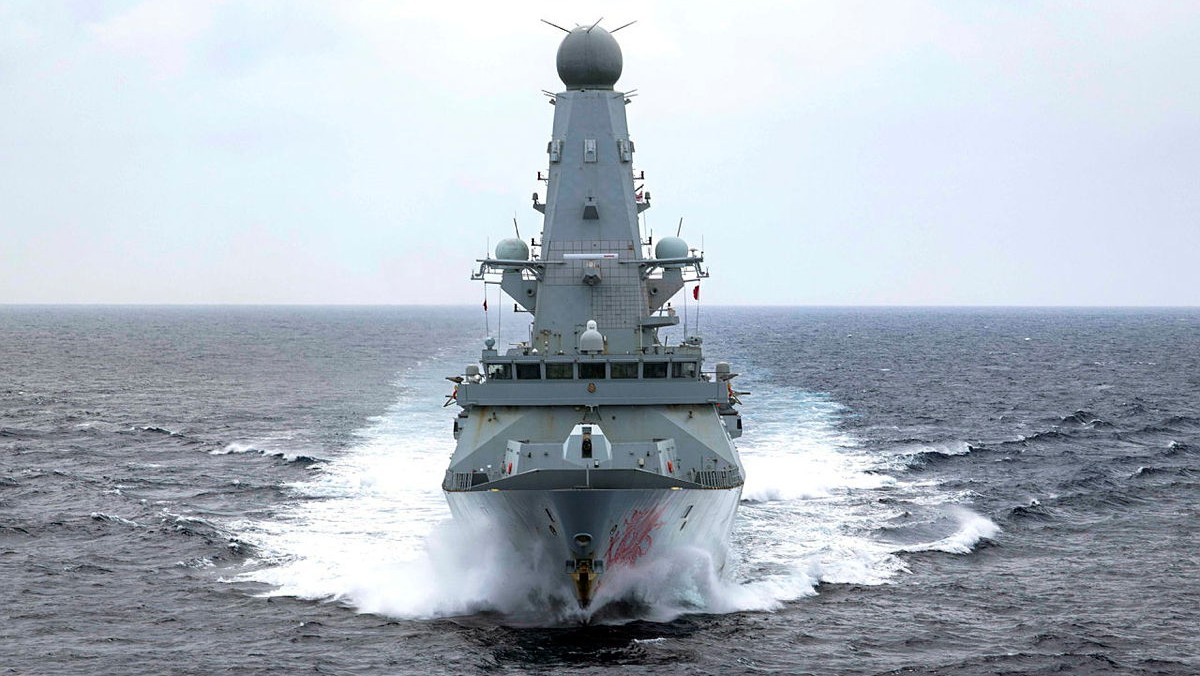
HMS Dragon
The Type 45 air defence destroyer is already on her way to the Middle East, having undergone additional training and preparation to ensure that her crew are ready, including further calibrating her advanced systems.
This will ensure that the air defence ship is ready for potential future operations in the strait.
These contributions complement the UK's existing defensive operations in the region, with more than 1,000 UK personnel across the region, including counter-drone teams and fast jet squadrons, which have played an important role in protecting British nationals and UK partners in the region.
The multinational plan is strictly defensive in nature and is designed to restore confidence for commercial shipping along the Strait of Hormuz, one of the world's most critical trade routes through which a fifth of the world's oil passes.
Join Our Newsletter