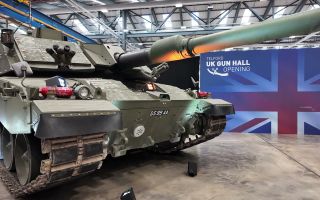
Delta Force and the SAS: Exploring the bond between the world's most elite soldiers

Delta Force – officially known as the 1st Special Forces Operational Detachment-Delta – is widely regarded as the United States military's most elite fighting unit.
Nearly 50 years after its creation, the highly secretive force has been thrust into the spotlight following its audacious, textbook snatch operation targeting Venezuelan president Nicolás Maduro.
So what exactly is Delta Force – and how does it compare to Britain's equivalent elite unit, the Special Air Service?
The Unit
"The Unit", as it is referred to by those on the inside, is made up of personnel who specialise in counter-terrorism, hostage rescue and the capture or elimination of high-value targets.
Recruits to Delta Force are primarily drawn from across the US Army, but most commonly from the 75th Ranger Regiment and the US Army Special Forces – the Green Berets.
Personnel from other branches and units have also been selected historically, although in much smaller numbers.
Candidates must have served a minimum of four years in the US Army and reached at least the rank of Specialist or Corporal. Officer recruits are Captains or Majors.
Even attending the initial briefing requires candidates to hold "Secret" clearance. Those who pass selection are granted "Top Secret" clearance, with some receiving additional "Sensitive Compartmented Information" access – the really sneaky beaky stuff.
Its role is simple: get in, do the job – whatever that may be – and get out, preferably with as little fuss as possible.
The recent mission in Caracas is a perfect example; Delta Force captured president Maduro and his wife in just over two hours, killing at least 32 Cuban-supplied bodyguards in the process. No losses were sustained on the American side.
Delta Force is headquartered out of Fort Bragg in North Carolina, where the unit conducts continuous, highly specialised training designed to replicate real-world operations as closely as possible.
For the operation targeting Mr Maduro, months of meticulous preparation are believed to have taken place.
That preparation is thought to have included the construction of a full-scale mock-up compound at a location in Kentucky, allowing operators – as they are known – to rehearse the mission in a realistic environment.
Notable operations
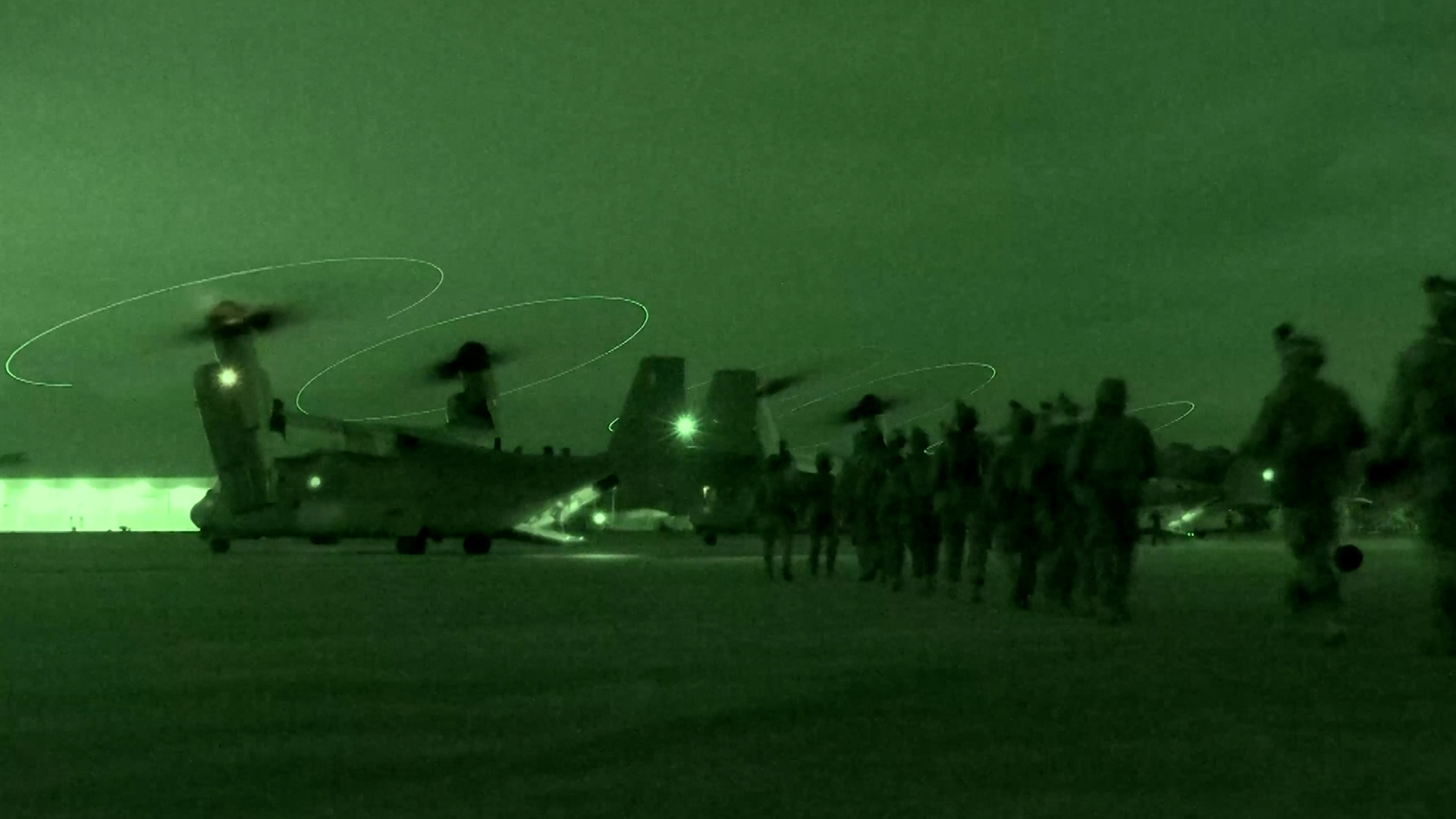
Because Delta Force's work is so highly classified, most of its operations are never officially acknowledged. However, several missions have entered the public domain over the years.
In 2019, Delta Force operators took part in the night raid on the compound of Islamic State leader Abu Bakr al-Baghdadi in Syria. The IS leader detonated a suicide vest during the operation.
The unit's role in Mogadishu in Somalia in 1993 was later immortalised in the film Black Hawk Down. That mission resulted in two of its members being posthumously awarded the Medal of Honor – Master Sergeant Gary Gordon and Sergeant First Class Randy Shughart.
Perhaps most famously, it was Delta Force that led Operation Red Dawn in December 2003 – the mission that resulted in the capture of Iraqi leader Saddam Hussein, who was later executed by a tribunal in Baghdad.
Delta Force and the SAS
Britain's equivalent elite unit is the Special Air Service.
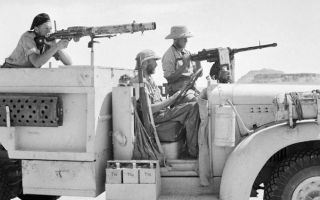
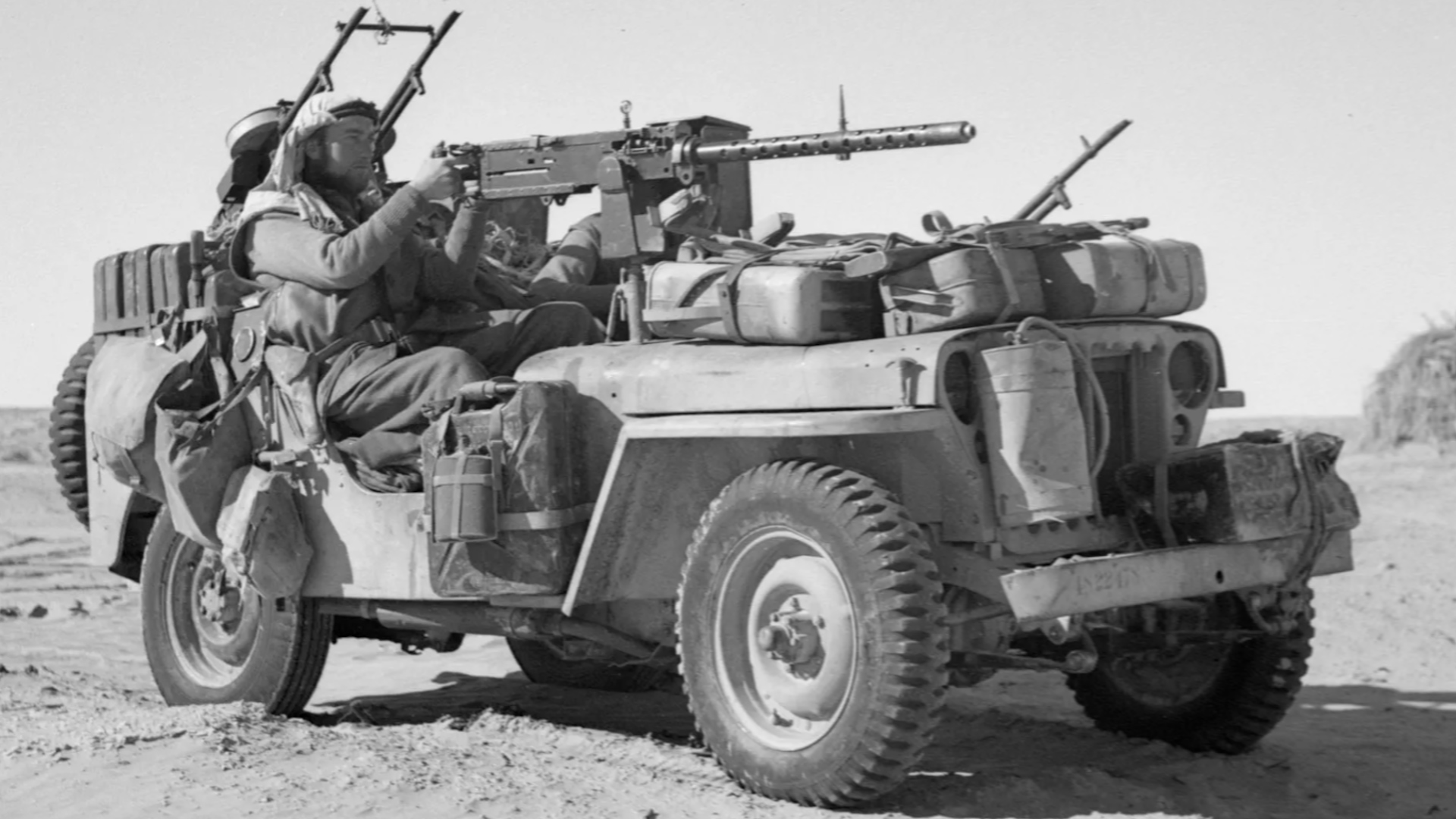
The SAS is approximately 30 years older than Delta Force, having been formed during the Second World War. Based in Hereford, the regiment has become globally synonymous with high-risk, high-stakes missions carried out on the orders of the Government.
Arguably its most famous operation was the raid carried out by its troopers on the Iranian Embassy in London in 1980, but SAS personnel have also been deployed in almost every conflict Britain has been involved in since 1945.
Delta Force and the SAS are closely linked. In fact, Delta Force's structure was heavily influenced by the SAS – particularly its Sabre Squadron organisation, which forms the operational heart of both units.
But the relationship runs deeper than structure alone.
Delta Force's founding commander, Colonel Charles Beckwith, had previously served as an exchange officer with the SAS before he established the unit in 1977.
His experience in Hereford played a significant role in shaping Delta Force's ethos and approach to special operations.
Today, the bond between the two units remains strong. They are known to train together regularly and are believed to maintain exchange programmes, further strengthening their interoperability.
SAS selection is widely regarded as one of the most demanding military courses in the world. Open to serving members of the Armed Forces, candidates undergo a rigorous screening process, including in the Brecon Beacons and the jungles of Belize or Brunei.
The final phase focuses on counter-terrorism skills, including hostage rescue. Pass rates are often understood to be in the single digits.
Given their shared history and close cooperation, it is almost impossible to say which unit is "better".
But what is clear is that both Delta Force and the SAS sit at the very top of the special forces world.
You would be hard pushed to find a unit capable of matching either.
Related topics
Join Our Newsletter