Starmer sets deadline for delayed DIP as Armed Forces await funding decisions
Sir Keir Starmer has promised to publish the UK's delayed Defence Investment Plan before next month's Nato summit, setting a deadline for the funding decisions that will shape the Armed Forces for the next decade.
The Prime Minister said the plan will set out "the money that goes with the capability" after last year's Strategic Defence Review called for major changes across the military.
The plan, known as the DIP, is expected to show how far the Government is prepared to fund the ambitions set out in the Strategic Defence Review.
- Strategic Defence Review hailed as transformative: Exactly a year on, how much is reality?
- UK needs Navy and RAF strength but Army still has to carry weight in Nato, defence analysts say
- The Defence Investment Plan: Who should get what – and what could be sidelined?
It was originally expected last autumn and has been repeatedly delayed.
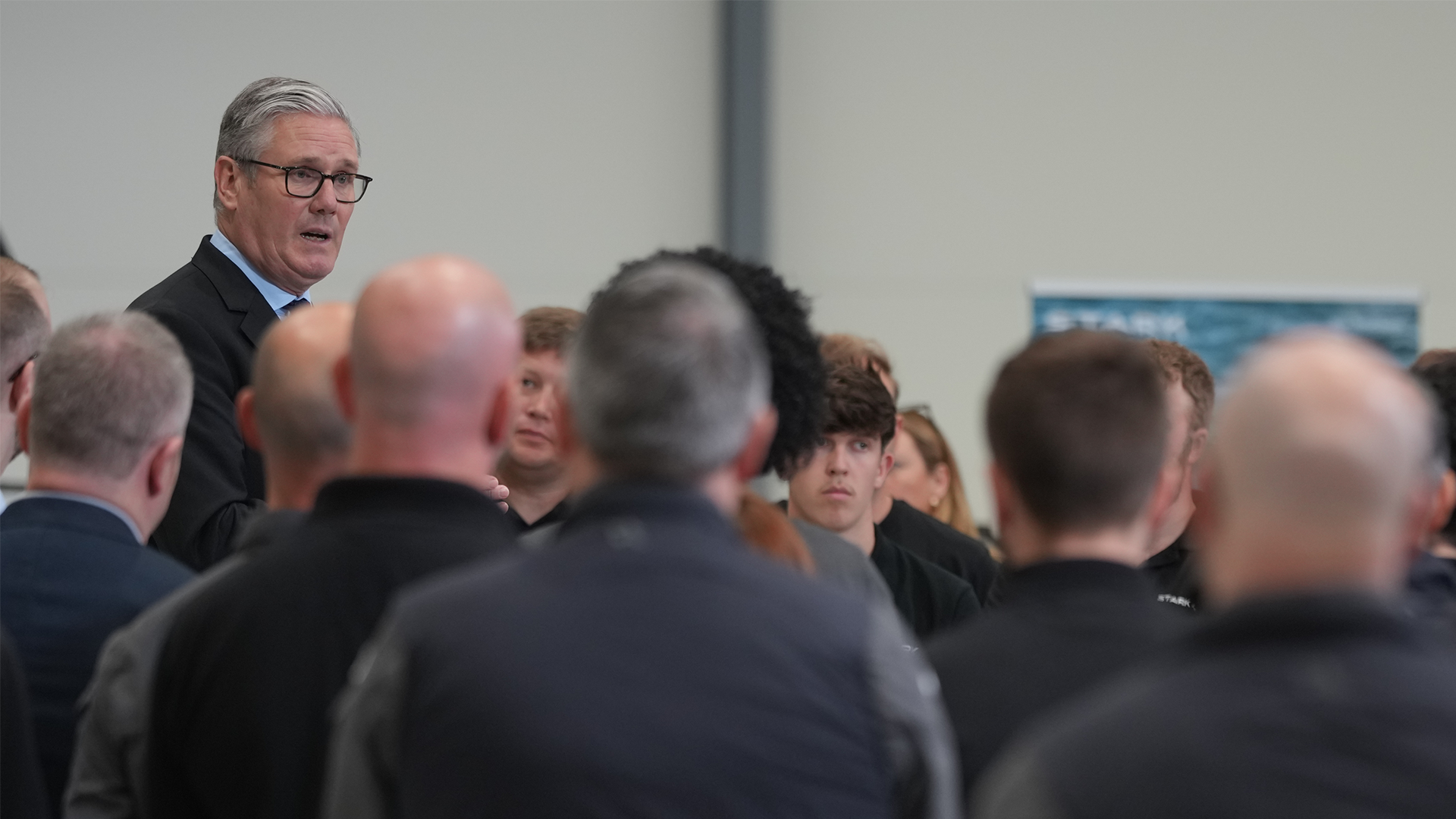
Speaking during a visit to a defence contractor in Wiltshire, Sir Keir said the investment plan would bring together the capabilities set out in the Strategic Defence Review and the money needed to deliver them.
He said: "That is the plan that says here's the money that goes with the capability.
"We bring the two together, and it is another step up, it is another increase in spending, but it is necessary, it's the right thing to do to defend our country."
Sir Keir added: "That will now be published before the Nato summit, which is in just a few weeks' time."
The Nato summit in Turkey begins on 7 July.
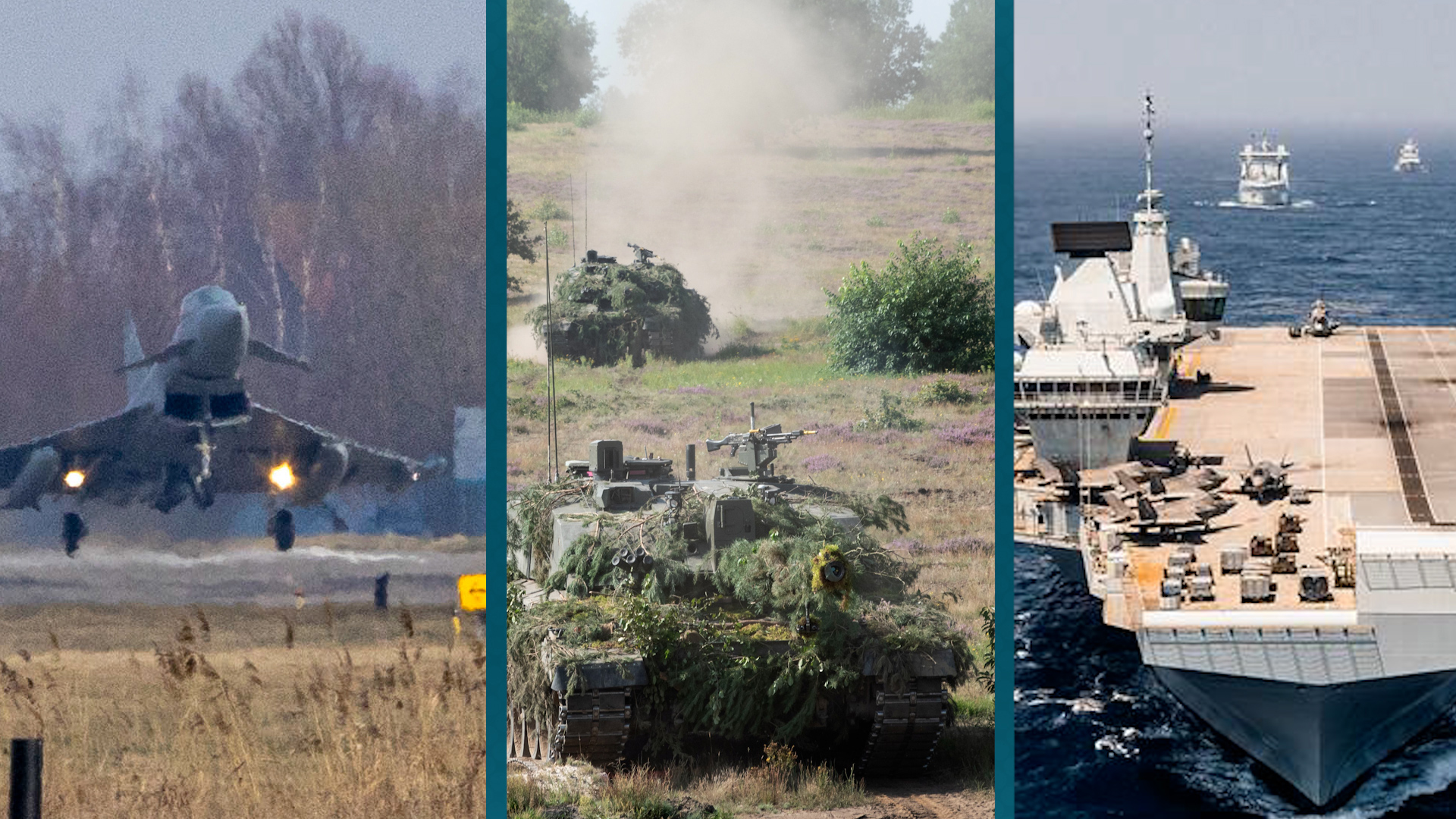
The SDR called for the UK to move towards warfighting readiness, invest more in drones and autonomous systems, strengthen the defence industrial base and prepare for longer conflicts.
But the final level of funding remains the central question.
The Times has reported that the delay has been caused by a stand-off within Cabinet over costs.
The boost to defence spending is said to be worth more than £18bn, although Chancellor Rachel Reeves and the Prime Minister are reportedly considering reducing the amount over concerns it is unaffordable.
This could mean cuts, delays or deferrals to major programmes across the services.
The Armed Forces and defence industry have been waiting for the plan to set out which programmes will be funded, which will be slowed down and which could be pushed further into the future.
The Government has already pledged to increase defence spending to 2.5 per cent of GDP by 2027, with an ambition to reach 3% in the next parliament.
Ministers have faced repeated criticism over the delay to the DIP.
Tan Dhesi, chair of the Commons Defence Committee, has said Britain's military and defence industry "need to know where we stand and where we are going".
Sir Keir's comments came as the Chief of the Defence Staff warned that the UK is facing the "most dangerous" period in decades.
Air Chief Marshal Sir Rich Knighton said Russia was "probing, challenging, testing our defences", including through cyber attacks, attempts to smuggle technology, sabotage and assassination attempts.
Speaking to BBC Radio 4's Today programme, Sir Rich said: "This is the most dangerous time I have known in my working life.
"And it is important that society and all of us recognise and understand that, and that may mean that we need to make different choices and different priorities."
The Chief of the Defence Staff said the UK had spent the past two decades preparing for shorter and more limited wars, but now needed to prepare for longer conflicts.
He said: "Over the last two decades we have been preparing for shorter wars and for conflicts that are confined and limited, what we need to ready ourselves for is potentially much greater, longer conflicts, as we've seen in Ukraine."
Sir Richard said drones and autonomous systems would become increasingly important in future warfare.
He said they were an area where the UK needed "to invest more and enhance our capability".
Related topics
Join Our Newsletter