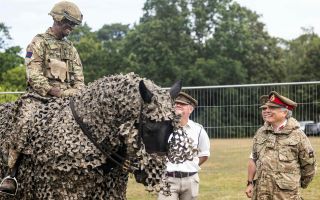
How the UK military is building the Olympic bobsleigh and skeleton stars of the future
Bobsleigh, skeleton and luge are far and away the fastest and the most adrenaline-inducing disciplines on the winter sports scene – so it's no wonder that the UK Armed Forces have excelled at sliding sports for many decades, where they've built a rich history and reputation within the sliding community.
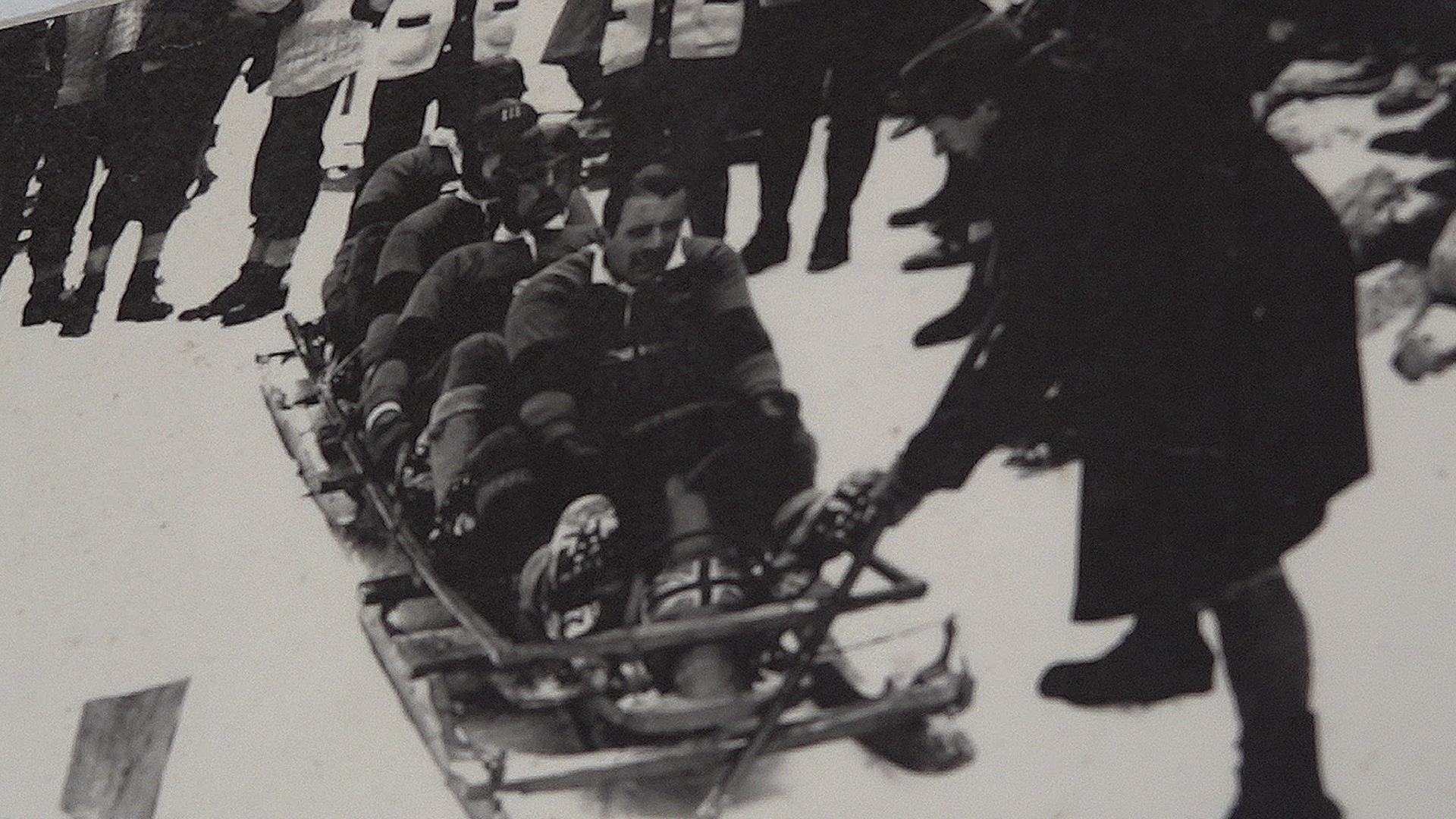
Sliding sports have been a staple of the Olympic Winter Games since the inaugural Games in Chamonix in 1924 and, even then, the UK military was strongly represented, particularly in bobsleigh.
Great Britain's four-man crew in 1924 was composed almost entirely of British Army officers stationed on Salisbury Plain – and that team included Major Ralph Broome, Lieutenant Colonel Terence Arnold, Major Alexander Richardson and Captain Rodney Soher.
A rich bobsleigh pedigree
Despite being a newly formed team and only completing two weeks of training before competing at the Games, this Army quartet went on to win the silver medal behind Switzerland – Britain's first Olympic bobsleigh medal – and setting a tradition for the sport.
Great Britain have won Olympic medals in bobsleigh five times since the inaugural 1924 Games, including a gold in the two-man in 1964, which included British Army officer Captain Robin Dixon and his civilian partner Tony Nash.
The most recent bobsleigh medal, however, was in the four-man at the 2014 Games in Sochi, which included Royal Marine Commando John Jackson and RAF avionics technician Stuart Benson.
They, along with Bruce Tasker and Joel Fearon, originally placed fourth at the Games, but they were later upgraded to bronze in 2019 after the Russian team were disqualified for doping.
But why are the UK military so good at sliding? A big reason for that are the opportunities the UK Armed Forces Winter Sports Association (UKAFWSA) provides for military personnel that you'd rarely find anywhere else – track time!
The Inter Services Ice Sports Championships is the pinnacle event on the military sliding calendar, and it is a competition open not only to Olympic athletes but also to novice sliders who've only had a few weeks of track time prior to competing.
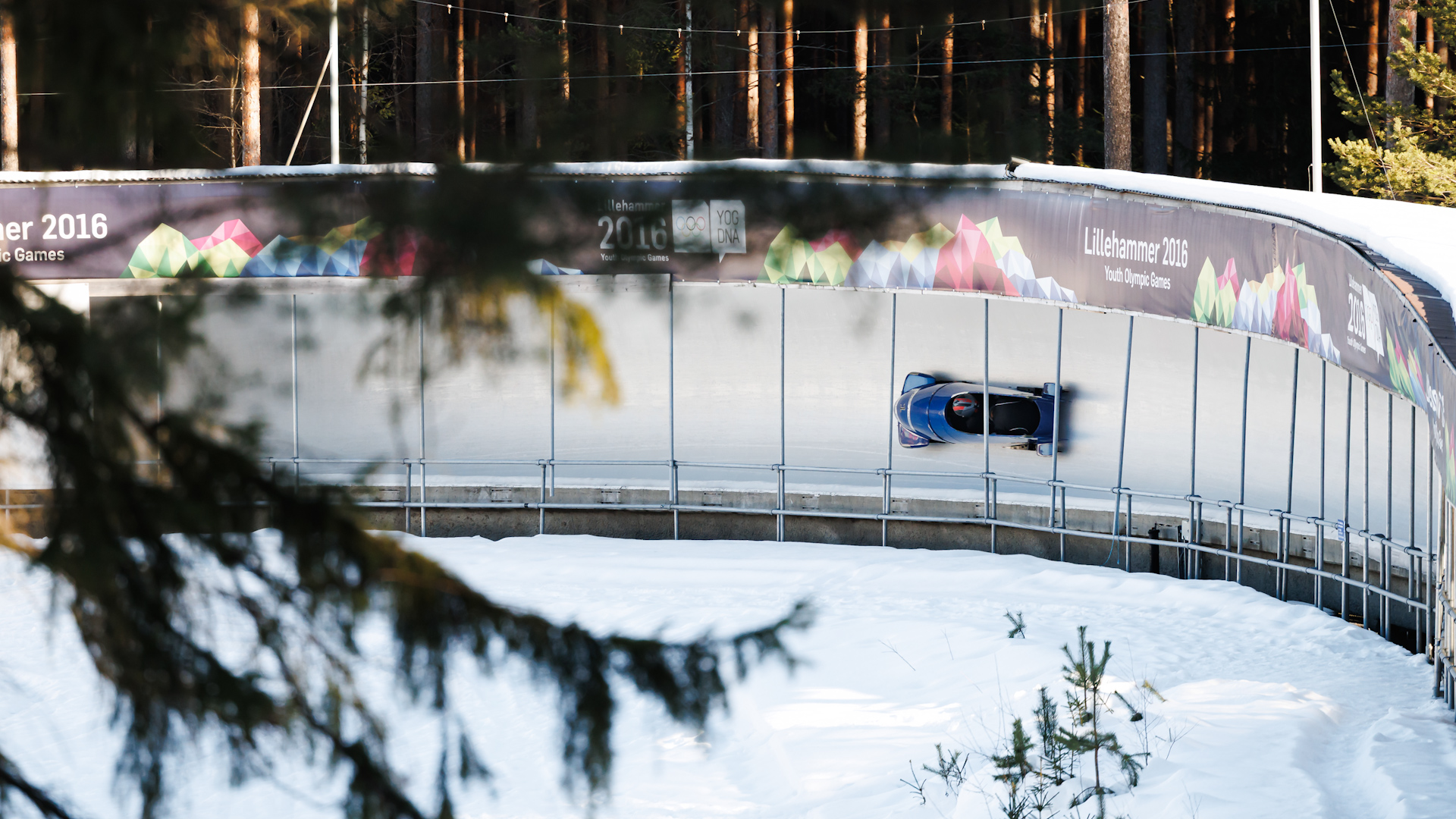
The most recent event, held in Lillehammer in Norway, was attended by athletes across all three services, including athletes fresh from competing at the recent Milano-Cortina Olympic Winter Games.
It is competitions like the Inter Services that have given military athletes the opportunity to build and hone their sliding skills, which enabled them to go on and succeed at the highest level.
"In the last one hundred years of Olympics, and of, I know, the last 30, there's been a military man in a sled in the last five or six Olympic Games, be it from the Air Force, the Navy or the Army," said former Royal Marine-turned Olympic coach Lee Johnston, himself a three-time Olympian.
Creating opportunity for serving personnel
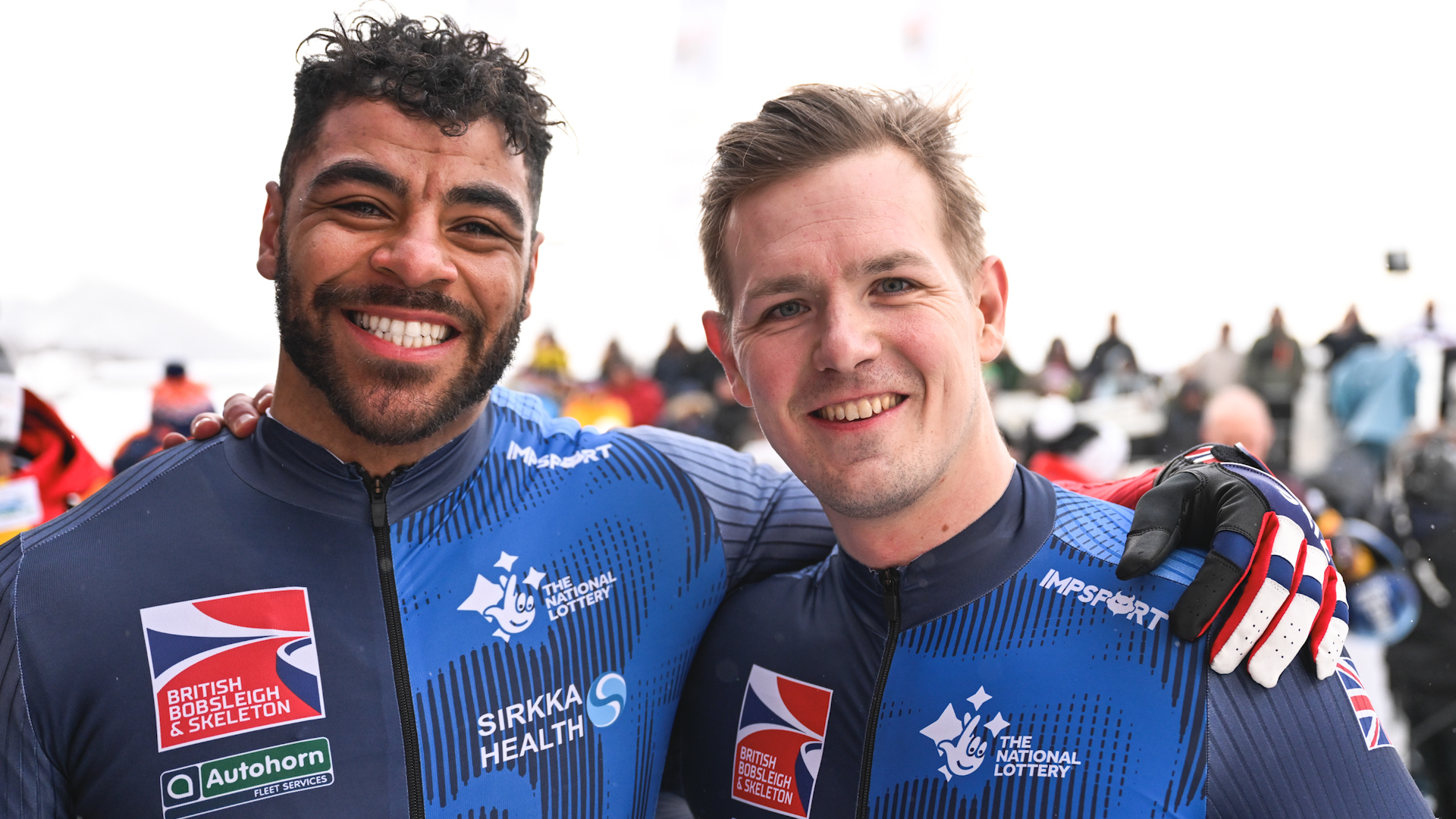
The UK military's most recent high-profile bobsledder is Royal Marine Commando Lance Corporal Taylor Lawrence, who now had two Olympic Games under his belt, as well as an array of medals at the world championships, European championships and the IBSF World Cups.
"I never joined the military to do sport at an elite level," he said.
He continued: "I joined to be a soldier originally, and technically I still am. But, where my career has taken me has been not a complete fluke, but bobsleigh is not a sport that people think about going into.
"And thank god that you've got the military because a lot of people don't get the opportunity.
"So bobsleigh has given me a lot. It's taken a lot, but it's also given me a lot as well."
A big push for skeleton athletes
If you are a British fan of the Olympic Winter Games, then you will probably know that Team GB has enjoyed phenomenal success in skeleton in recent years.
The likes of Amy Williams, Lizzy Yarnold, and most recently, Matt Weston and Tabitha Stoecker, have made themselves household names in British winter sports when they struck Olympic gold in this sliding discipline.
Ever since Matt Weston and Tabitha Stoecker's success at the Milano-Cortina Games, British Bobsleigh and Skeleton's Talent ID programme has had up to 6,000 people register their interest in trying out the sport, with thousands putting their name to paper on the nights Weston and Stoecker won their gold medals.
But the UK military has turned around fine athletes in skeleton as well, most notably RAF athlete Flight Lieutenant Alex Coomber, who won a bronze medal in the women's skeleton at the 2002 Olympic Winter Games in Salt Lake City.
But the most recent UK military skeleton star is also from the RAF and is making history in her own way.
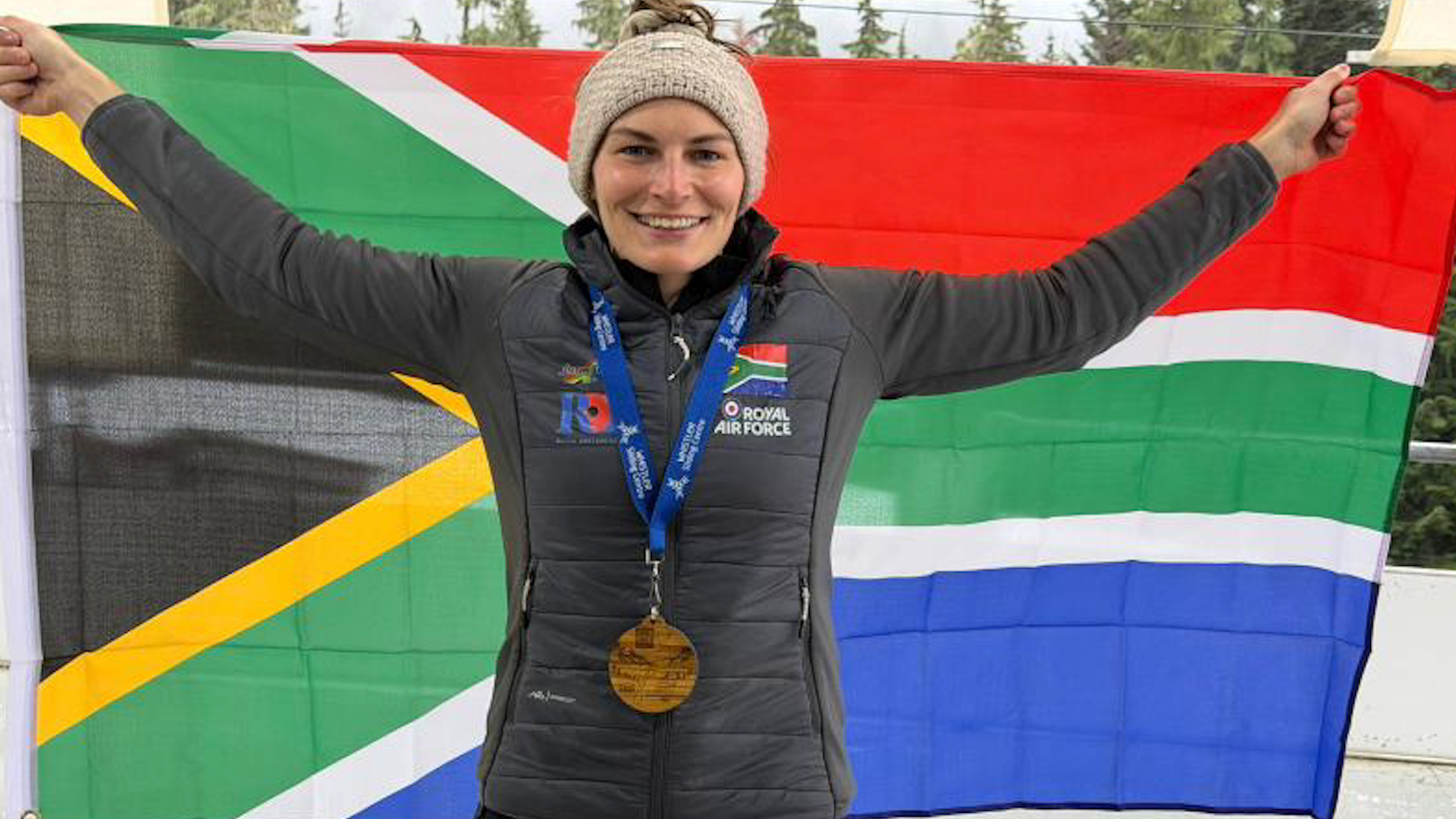
Flight Lieutenant Nicole Burger became the first South African athlete to win a sliding sport medal of any kind when she won gold at the North American Cup in December 2025.
She also became the first South African woman to compete in skeleton at the Olympics at the recent Games in Milano-Cortina – and all this after she only took up the sport three years before making her Olympic debut.
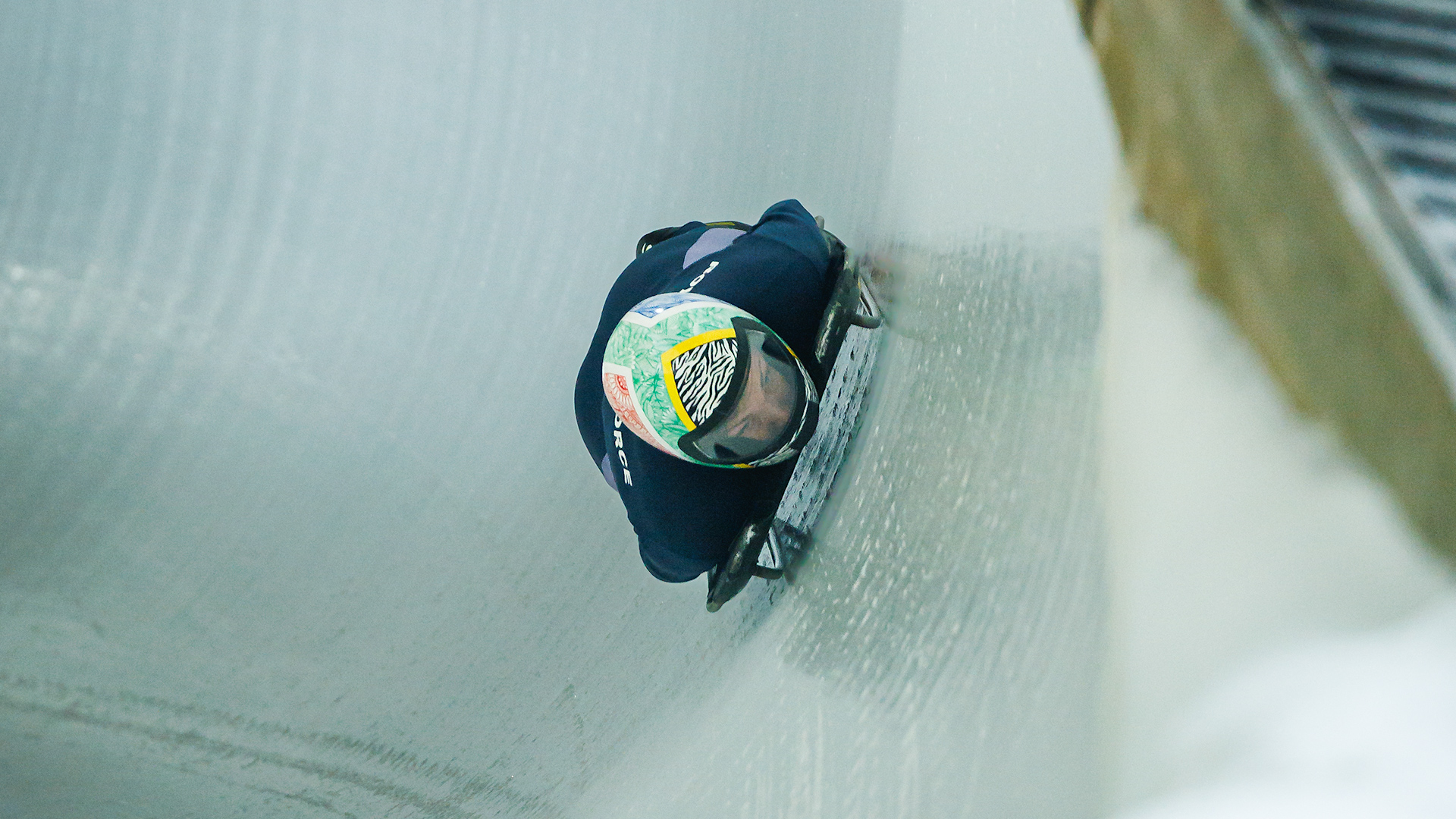
"I was just at my desk scrolling through SharePoint I think, at the time, and I saw a poster that was advertising the skeleton trials," she recalled.
"And I thought to myself, 'why not give it a go?' Try something new!
"This is all what being in the military is about, it's having those opportunities to try something you'd never get to experience in day-to-day life.
"So I jumped on the opportunity, went to the trials and from there, I didn't expect it to be leading to where I am competing now and even just to be representing at the Inter Services, so that journey is incredible, and for the military to be able to provide that pathway is just exceptional," she said.
A credible pathway into sliding sports
And that pathway is where novice athletes are walking in the same footsteps where Nicole Burger or Taylor Lawrence once began their Olympic journeys – and the Inter Services provides them with the opportunity to compete and learn from their Olympic competitors.
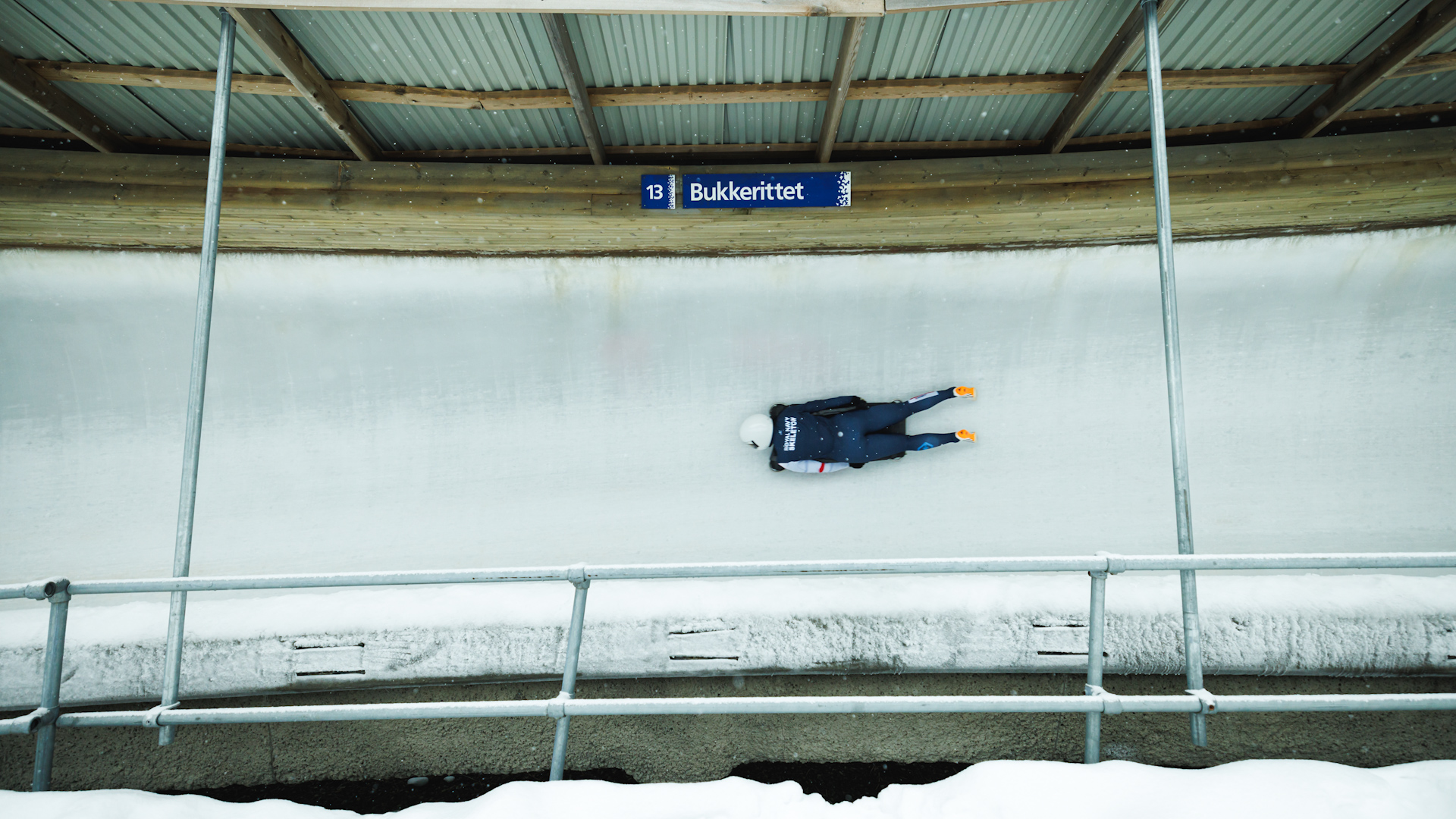
Royal Navy skeleton athlete Leading Hand Connor Asquith was competing at the Inter Services for the first time, after only a few weeks of track experience.
"I've never slid before," he said. "We literally started about two-and-a-half weeks ago [prior to the Inter Services].
"To be honest, it was intense, it was overwhelming, unexpected, it was not even what I imagined at all.
"You see it on television, and you know it's going to be intense, but in terms of being on that sled, first person and all you can see is the ice, it was eye-opening for sure!"
A promising future ahead of 2030
The Inter Services always has one eye on the future – and many of the top military athletes already have their eyes on the next Olympic Winter Games in 2030 in the French Alps, where the bobsleigh, skeleton and luge events will run on the famous La Plagne Olympic sliding track.
2026 Olympic reserve athlete for Team GB, Corporal Alex Cartagena from the RAF, is one of those athletes already eying up a spot at those Games.
"I think it's only going to get stronger and more popular to be honest," he said.
"I'm seeing a rise in the popularity in the sport, more people are taking an interest in it, more people are trialling out for GB, for example.
"I mean, just seeing us here, I've never seen this many people coming to compete at an Inter Services in a while – I just hope that it keeps on that trajectory and we can just spread the word and keep people trying the sport."
2026 Olympian and Army reservist Private Mica Moore, who competed for Jamaica at the Milano-Cortina Games, added: "We want a bigger race, we want more competitors, we want to be able to fill all of the race spots.
"It's a fun and exciting sport, and if people are enticed by it then they should just give it a go, because that's how I got involved and just one day decided to just give something a go, and I didn't look back and I didn't regret it at all."
Related topics
Join Our Newsletter