Sci-fi to service: Mobile scanner to study effects of blast trauma on military personnel

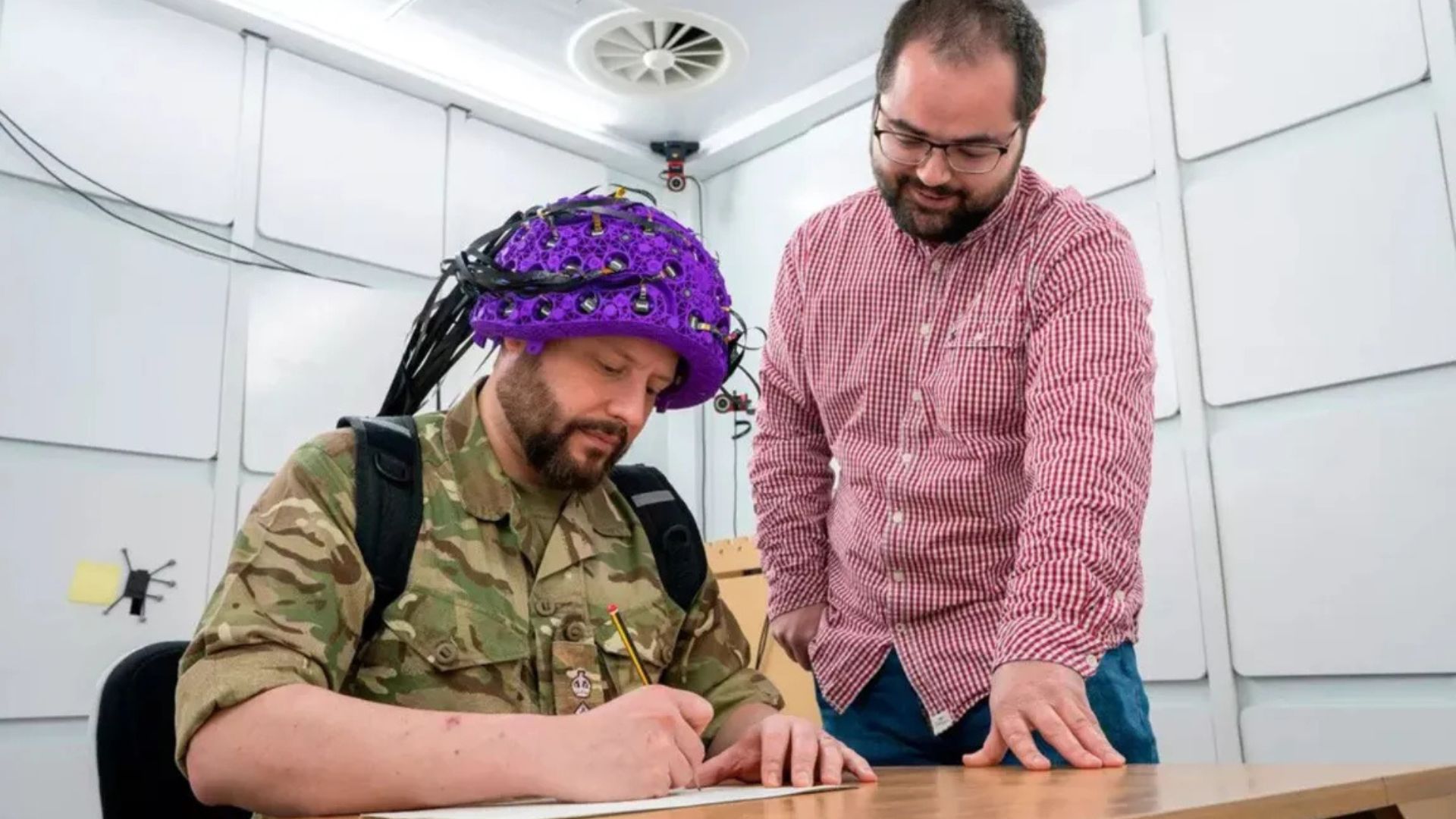
Now, if you're a Star Trek fan, you might have seen the doctor in Voyager use a Neurocortical Monitor placed on the head to assess injuries to the brain, and that kind of technology is about to take a step closer to reality.
A team of researchers from the universities of Nottingham and Birmingham have developed a mobile scanning system - believed to be the first of its kind – that will help assess the effects of blast exposure on military personnel.
The tool will deliver a soldier's brain scan within minutes of exposure – much faster than static equipment – and will give instructors a clear, real-time picture showing when personnel can safely return to duty.
It will likely be extended beyond the military and will benefit research in sports concussion, dementia, and epilepsy.
A Quantum leap in decision-making
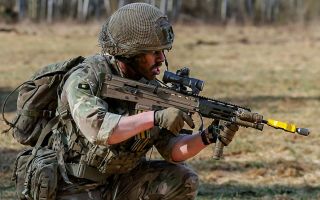
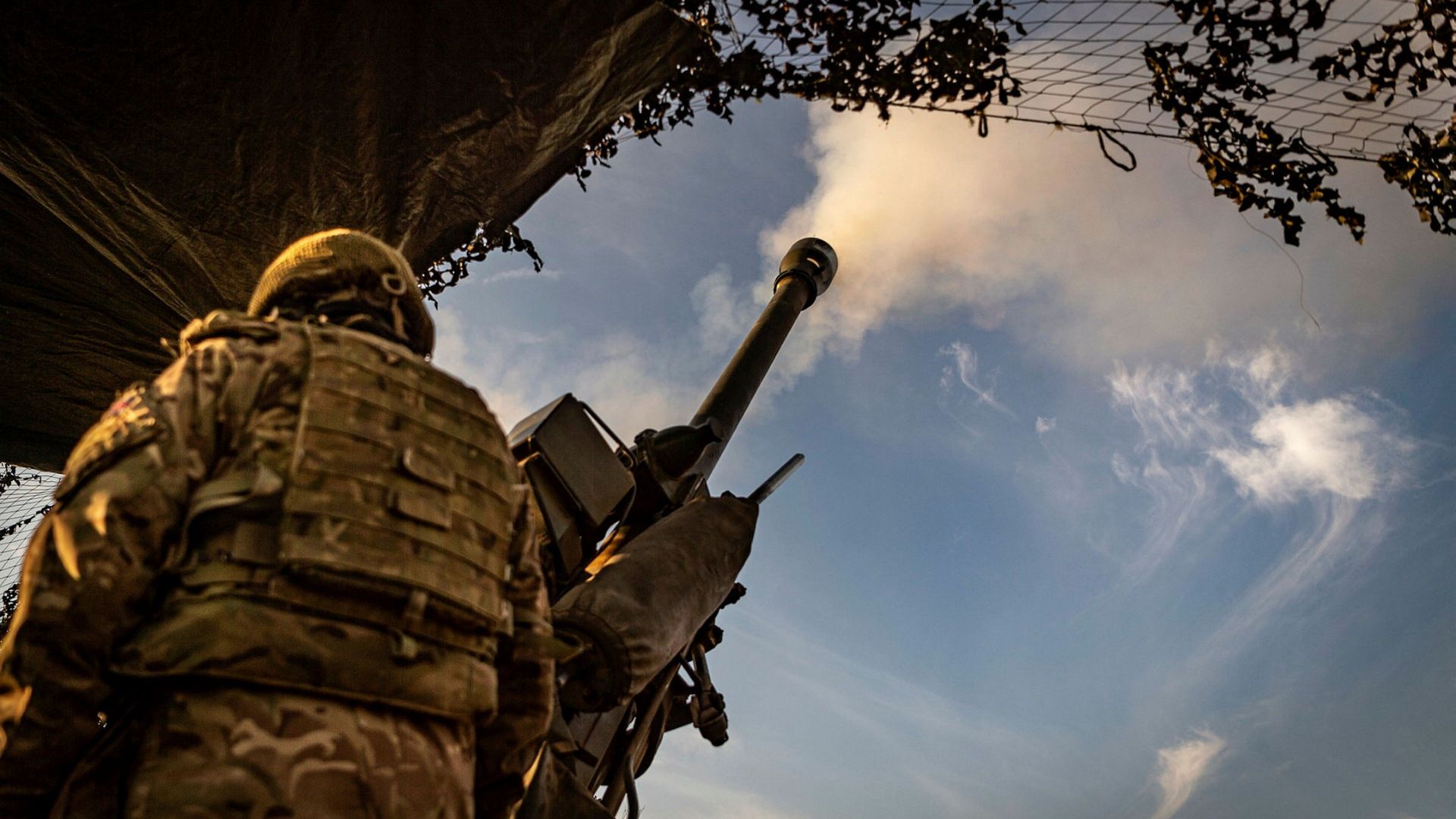
Researchers say development of the new scanner addresses a "critical defence challenge", whereby repeated exposure to shock waves from high-power weapons might cause subtle changes in brain function, which, over a career, may increase the likelihood of serious brain health conditions.
Because these immediate effects soon disappear after the incident – often within 24 to 48 hours – a mobile unit was required to monitor brain activity in real time.
£3.1m in funding was awarded by the Ministry of Defence (MOD) to develop a vehicle-based lab that can deploy directly to firing ranges, field hospitals and rehabilitation centres.
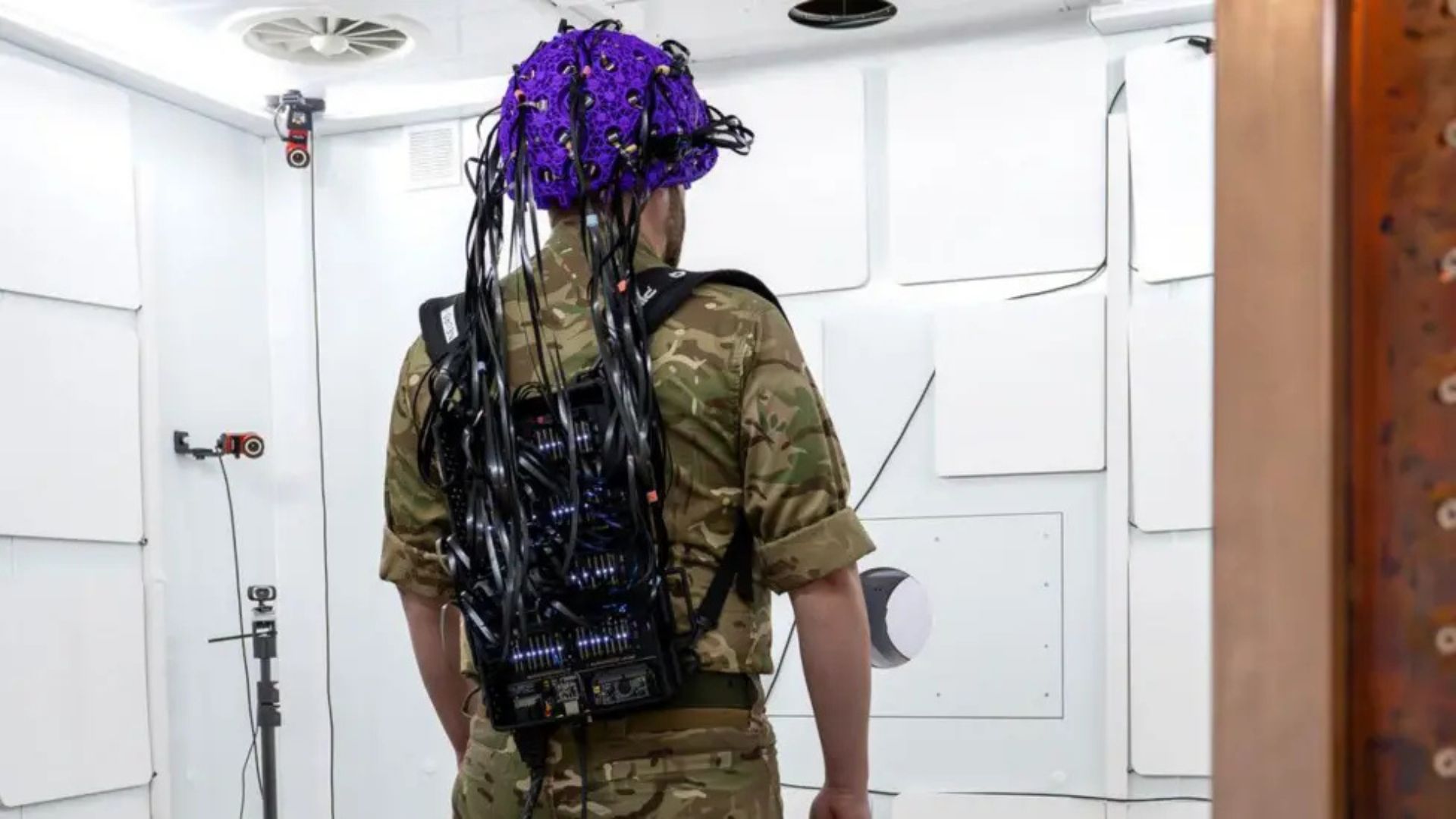
Professor Karen Mullinger, Associate Professor at the Universities of Nottingham and Birmingham, who is co-leading the research programme, said: "It is rather like the mobile MRI scanners which can be sent out to wherever they are needed.
"So before, we would have had the system in one place and had to take the personnel there, now the system can be taken wherever the personnel are, whether that is the Brecon Beacons or the highlands of Scotland."
The study will also focus on how the brain is affected by shockwaves produced by personnel using weapons.
"We know there are differences in their behaviour within the first 24 hours after they come off the training range," Ms Mullinger said.
"But that disappears, and if we can't monitor them quickly, we might be missing any damage which has happened."
Minister for Veterans and People Louise Sandher-Jones said: "Thanks to technologies like this, even subtle physical changes are now becoming detectable, and we will get crucial insights that simply weren't possible before, improving decision-making and vital protections for our forces."
Construction will be undertaken in collaboration with UK-based technology company Magnetic Shields Limited, US-based atomic device company QuSpin and the University of Nottingham School of Physics.
The system is expected to be operational by 31 March 2026.
Related topics
Join Our Newsletter