No catastrophic failure: How firearm is tested to ensure it passes proof and is safe to fire

For nearly 400 years a succession of Proof Masters have been making sure firearms in the UK are safe, stopping dangerous guns from being used.
Every firearm, whether it's for military use or not, has to go through something called a proofing process.
This is a series of tests to make sure the weapon is not only made properly, but it can withstand the pressure generated by modern-day ammunition.
The Proof House
There have only been 28 Proof Masters since 1637, when King Charles I set up a Royal Charter.
This was the first piece of law to make it illegal to sell a firearm if it failed proof tests.
Using guns was dangerous enough back then, but there was so much concern with people getting hurt that a group of experts was formed to keep people safe.
The current Proof Master, David Miles, operates from the oldest proof house in the world, the London Proof House.
He is responsible for proof of firearms in the UK, making sure they are stress-tested with proof ammunition and a series of other tests – and if they pass, they receive a special proof mark.
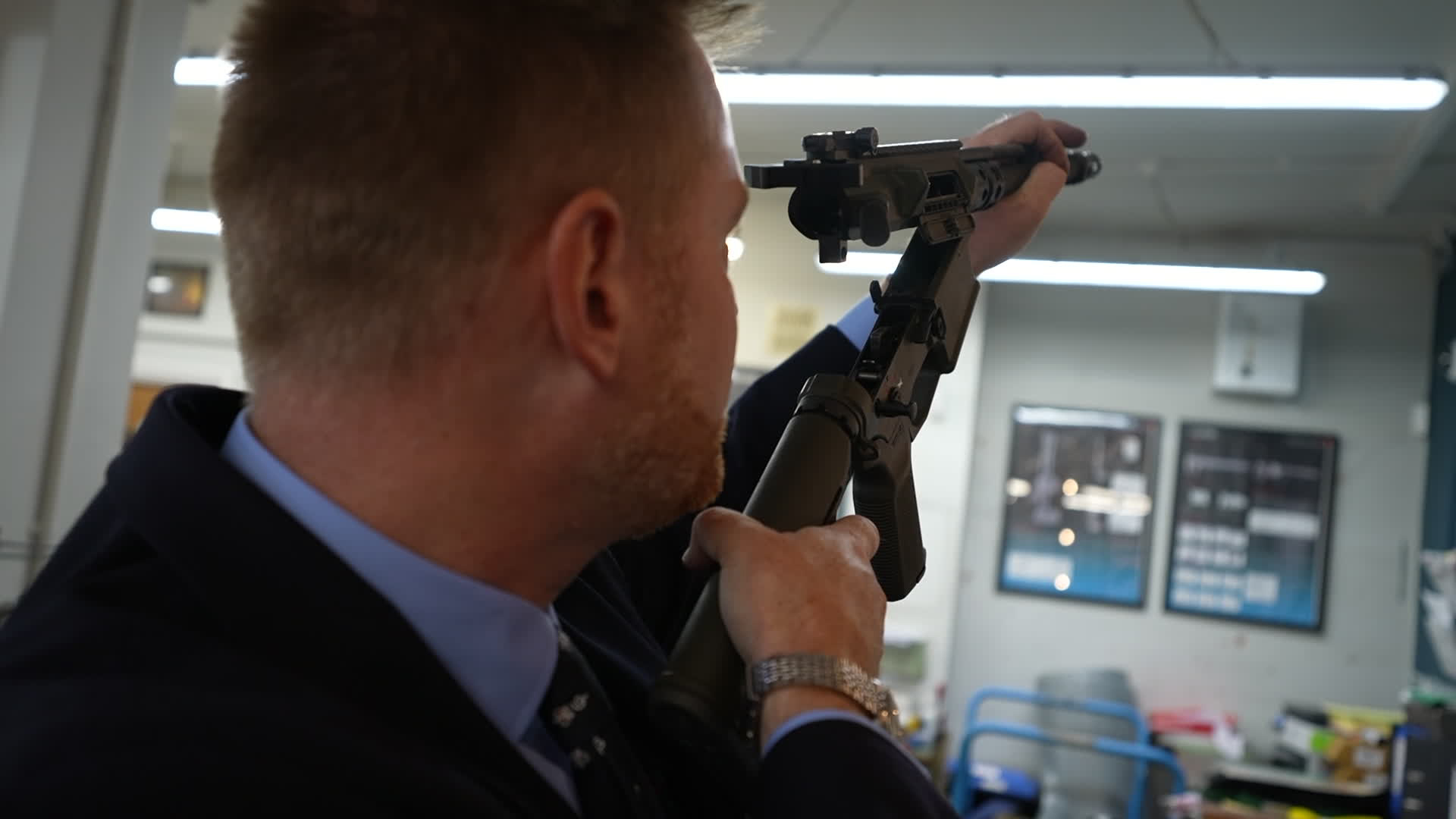
He gave us rare behind-the-scenes access to follow a Sako rifle brought in by Beretta Technologies UK being tested. Would it pass proof? We would soon find out.
Passing proof v catastrophic failure
David told me not all firearms pass – and some fail badly.
He said: "Catastrophic failure, that's a polite way of saying it's blown up. We don't see that very often, but a few times a year that will happen.
"We hope, of course, that it's in a proof bay here. If a firearm is going to fail catastrophically, it's much better that it happens here in a safe, enclosed environment than in the user's hands.
"I have seen at the range a large calibre 30mm cannon blow up, and that was extremely catastrophic.
"There were bits of shrapnel 40 metres down the range from the barrel. So when that happens, it's a real reminder to us all why we're doing this."
Under pressure – or over?
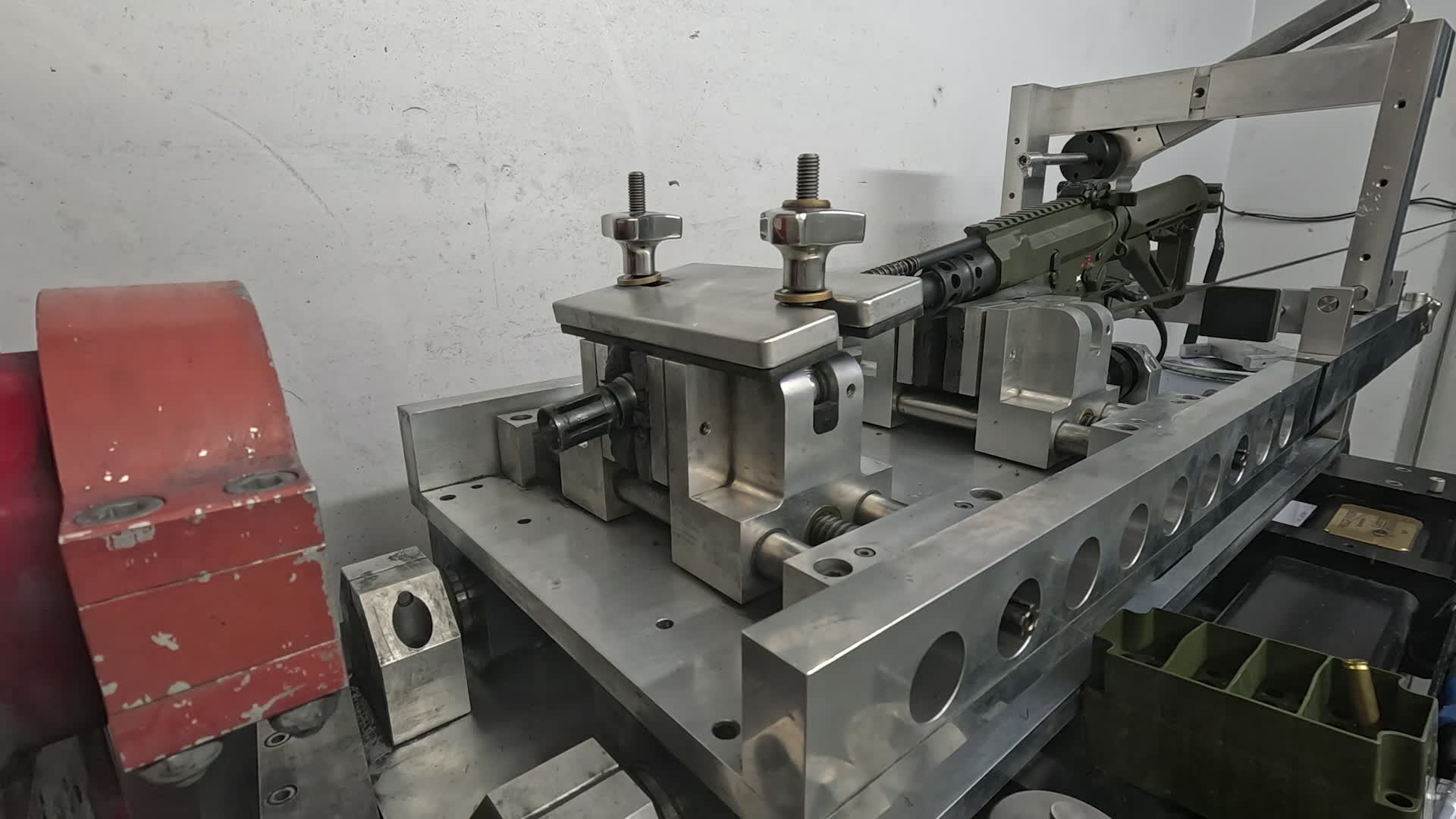
He explained how each firearm is examined and the various stages it has to go through for the Proof House to determine whether or not it will pass.
"We'll be looking for any obvious faults, cracks, dents, bulges, etc," he said. "We'll be measuring the bore and chamber to make sure that the measurements are within the published tolerance that we give for every cartridge designation.
"We also batch-test ammunition so that we make sure that ammunition that's in service is below a maximum service pressure.
"So if you bring a firearm in 5.56 Nato, the ammunition is controlled and below a certain pressure and the proof ammunition that we fire through that firearm will be 25% higher pressure.
"So once we've done our view and our gauging of the firearm, we'll then fire each barrel twice with the 25% higher-pressure ammunition."
The stamp – or rather laser – of approval
After it's been taken out of the proofing bay the firearm is then subjected to another examination.
"We then view it again and measure it again, and we're looking for any changes from before firing to after firing," explained David.
"If there's no changes at all, that firearm will achieve proof and will get the proof mark. If there are changes, that firearm fails proof."
The Sako rifle was fired twice in a proof bay and then underwent a series of other tests until David let Beretta Defence Technologies (BDT) UK know that its rifle had passed proof.
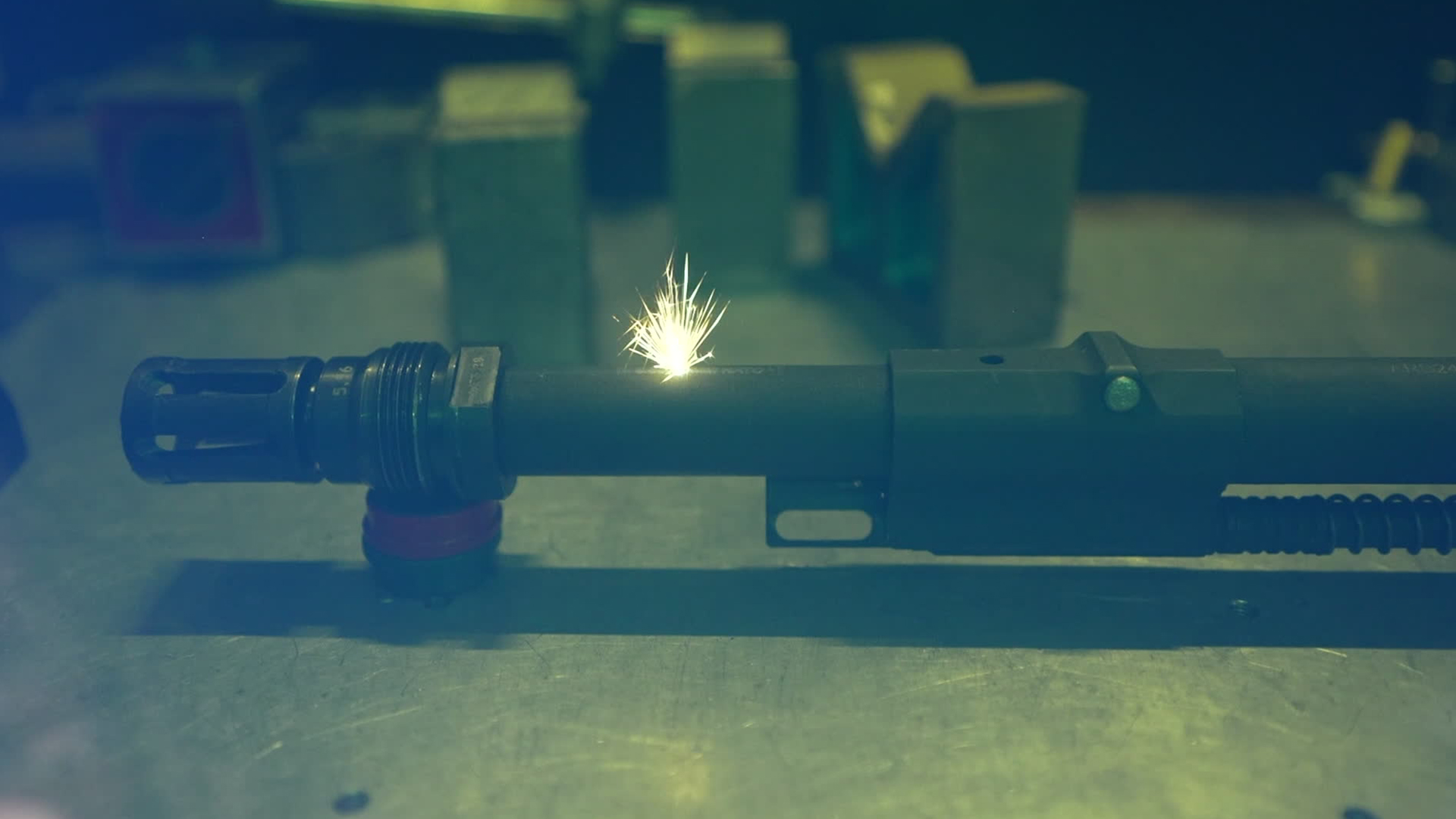
Now a unique mark will be lasered onto the firearm to show it is now legal to sell.
BDT UK military group manager Jack Cadman said: "Well, I think David summarised it perfectly when he said we don't know what's going to happen here, so fingers crossed for the best.
"It's always good to see that the weapons are in good shape and capable of passing the test. Always a positive result."
This is a vital process for all guns in the UK, and whatever weapon is eventually chosen to be the British Army's next service rifle will also have to pass proof.
Related topics
Join Our Newsletter