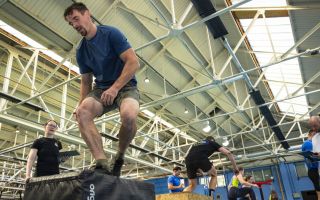
The leap to lance corporal: Soldiers tested on the skills needed to earn their first stripe
Soldiers hoping for promotion need more than just ambition, they need determination.
A private's first chance to rise through the ranks isn't a simple step up the ladder, but a leap to lance corporal.
To prove their worth and earn their stripes, privates push through the Potential Non-Commissioned Officer Cadre.
Privates on the road to promotion
BFBS Forces News joined Union Division training in Cyprus as the group was tested to see if they had what it takes to lead.
At Bloodhound Camp near Episkopi, privates rub camo cream onto their youthful faces.
Most of the soldiers on the Potential Non-Commissioned Officer Cadre are in their late teens and early 20s.
"I've spent a bit of time as a private solider and I want to take the next step," said Highlander Scot Murray from 4 Scots.
In the past, promotion opportunities went to the most experienced soldiers, but now the Army looks for skill – with some privates having only joined a year ago.
Highlander Murray said: "I feel like I'm quite good at my job as it is, so I want to test myself at the next level.
"And obviously money never hurts."
The 23-year-old is one of 48 soldiers from The Royal Regiment of Scotland, The Royal Yorkshire Regiment, The Royal Welsh and The Royal Irish Regiment on the five-week course in Cyprus.
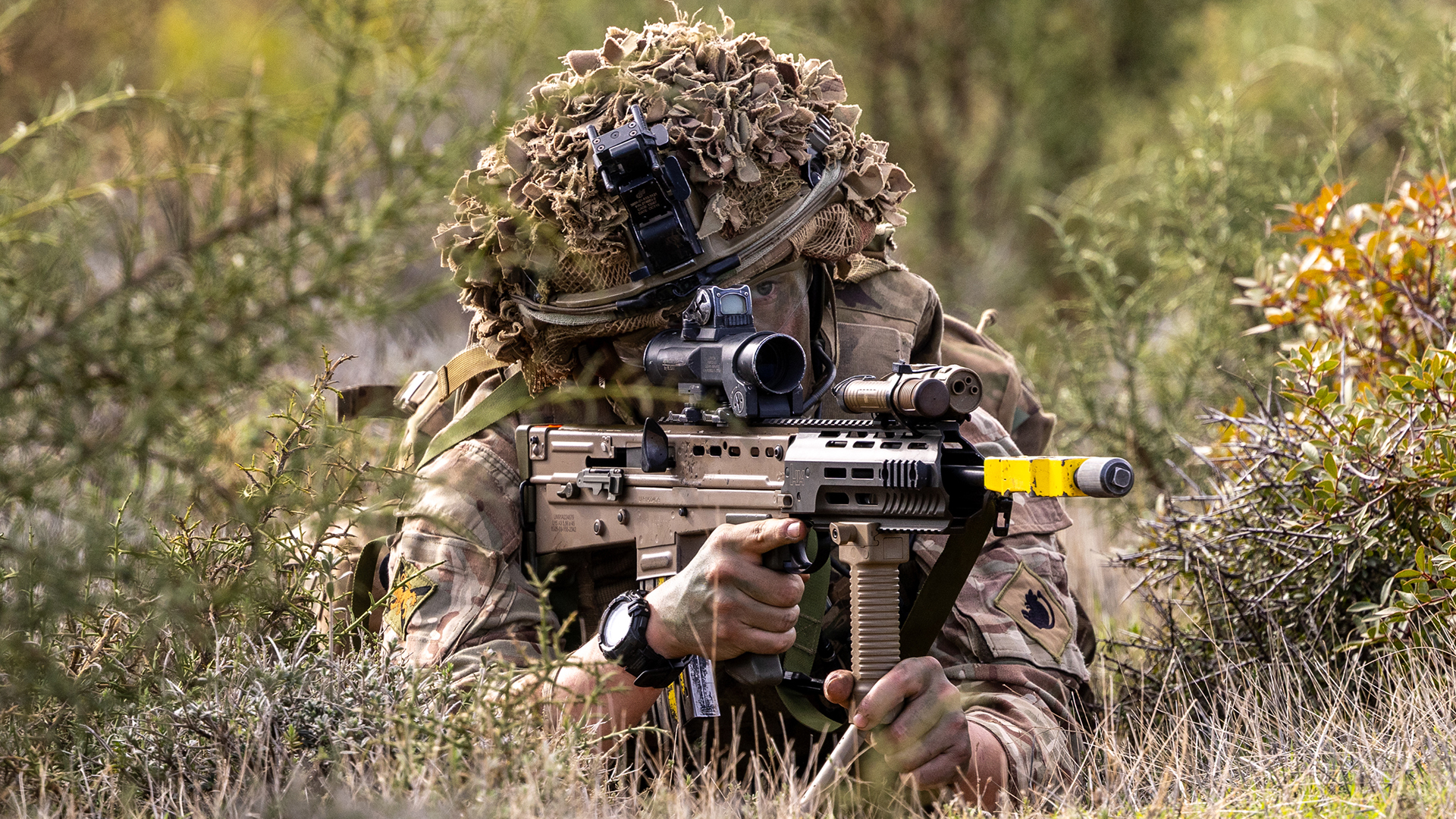
Turning privates into leaders
The soldiers are learning what's needed from a lance corporal and how they fit into a unit's command structure.
A lance jack supports a corporal in running a section of eight to 10 soldiers and leads a fire team as the section 2IC.
Yet they need to be able to work with all ranks, including their platoon commander.
"You have to make split decisions pretty quickly on the battlefield, exercise or in camp," said Second Lieutenant Jack Doherty of 4 Scots.
"Knowing you've got the right people below you – whether lance corporals or corporals – adds that level of trust."
4th Battalion The Royal Regiment of Scotland is based in Dhekelia in Cyprus and is hosting the cadre for the rest of Union Division.
"At the minute they only have to look after themselves, but they will be in charge of managing and the welfare of the blokes beneath them," said 2Lt Doherty.
"It's a big step, but one that we've tried to hammer home to them."
The soldiers' weeks in the classroom were spent learning how to become a defence trainer and engage adult learners, plus studying the Army Development Leadership Programme.
The next challenge is at the Western Sovereign Base Area training ground for a final tactical exercise.
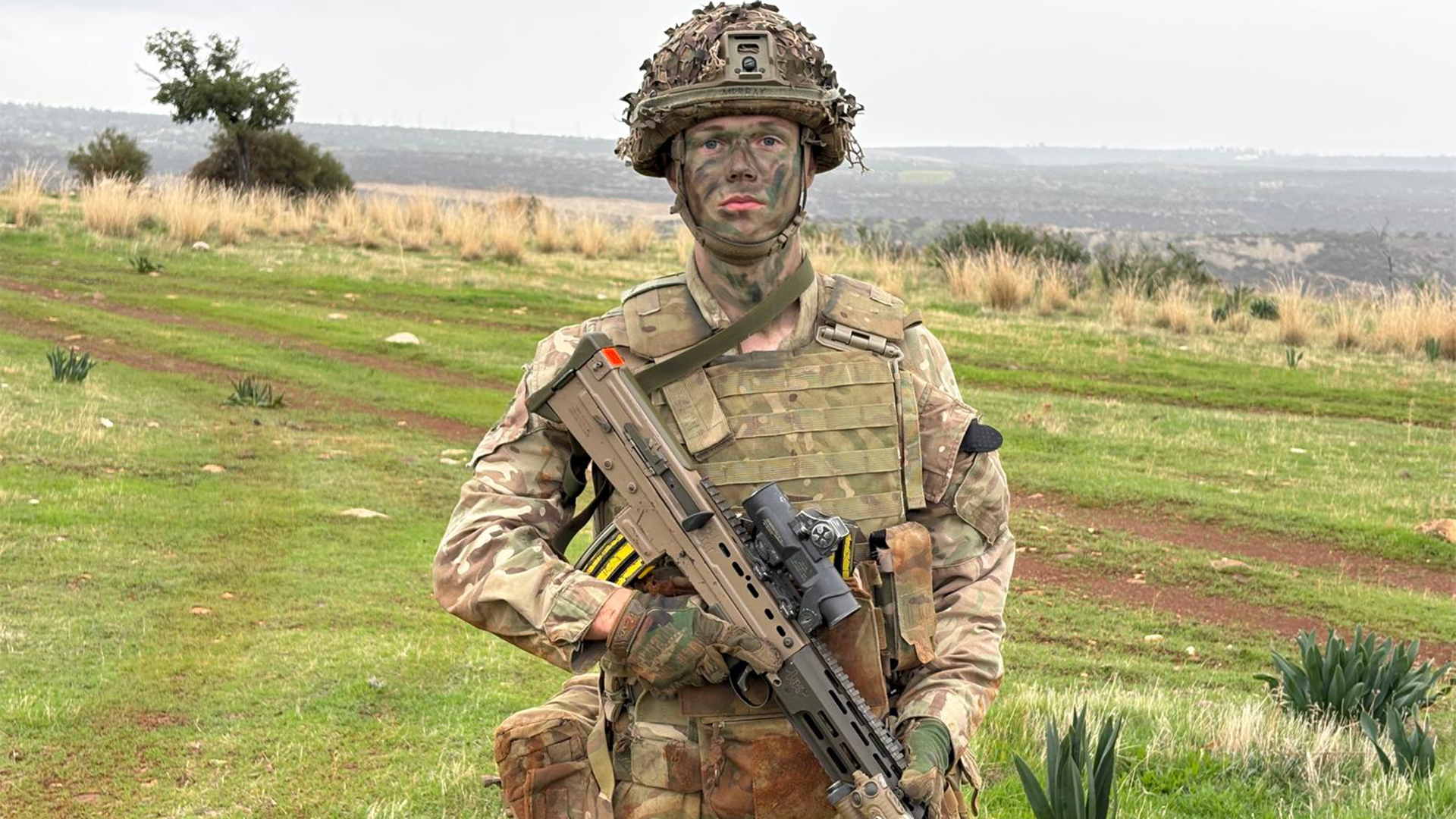
Out of the classroom and into the section
The hills around Bloodhound Camp offer a tough environment for troops to train on – stony ground where either the sun will scorch them or the rain will soak them.
The Union Division privates have been taking on the role of lance corporal for weeks, but now they're being given a shot at acting up.
Splitting into four sections, each takes on the job of a full corporal leading a section under attack.
"They're going through a platoon attack," said Sergeant Darren Weir, who is part of the directing staff who train and assess the privates.
"They're getting assessed on their 2IC appointments, administering the section and command and control.
"They're getting exposure to the section commander role as well. They've got a lot to think about."
Completing the cadre is a satisfying moment – but it doesn't guarantee immediate promotion.
The soldiers head back to their battalions still as privates, but a lance corporal stripe is now within their grasp.
Join Our Newsletter