Drone kills: Moscow's soldiers increasingly getting hit by Ukrainian UAVs
An estimated 415,000 Russian soldiers were killed or gravely injured in Ukraine in 2025, new figures from the UK Ministry of Defence have revealed.
Overall, Vladimir Putin's three-day 'Special Military Operation' has left the Kremlin with 1.2m casualties, with some estimates putting the death toll at close to a quarter of a million.
As many as 80% of those casualties are now coming from one weapon: attack drones.
Telegram videos show darker side to deaths
Delve into the darker corners of social media platforms like Telegram, and you will find scores of graphic videos showing the last moments of Russian soldiers' lives as they are mercilessly hunted down by Ukrainian unmanned aerial systems (UAS).
Of late – at least to my eye – there seems to have been more of them, evidence that would seem to confirm what Ukrainian commanders claim is the increasing lethality of both their drones and their drone operators.
In July 2025, the Ukrainian military claimed its UAS units hit 16,262 Russian soldiers. By October, that had risen to nearly 25,000.
Then, last December, that figure rocketed again, to an astonishing 33,019.
Open-source data suggests Russia's replenishment rate is anywhere from 30,000 to 40,000 soldiers a month.
So, for the first time since the war began, it is highly likely that in December, more Russian soldiers were killed or injured by drones than it was able to recruit.
To put that into perspective, 33,000 men equates to nearly half the entire British Army's full-time personnel – gone in a month.
Ukraine's Commander in Chief, General Oleksandr Syrskyi, said the number is verified, and only includes strikes seen on drone footage, or recorded by Ukrainian troops on the ground.
The figure, he said, could also be much higher as it does not include Russian soldiers who have been killed or badly injured out of sight, inside buildings or bunkers, for instance.
Kyiv and Moscow further develop drone warfare capabilities
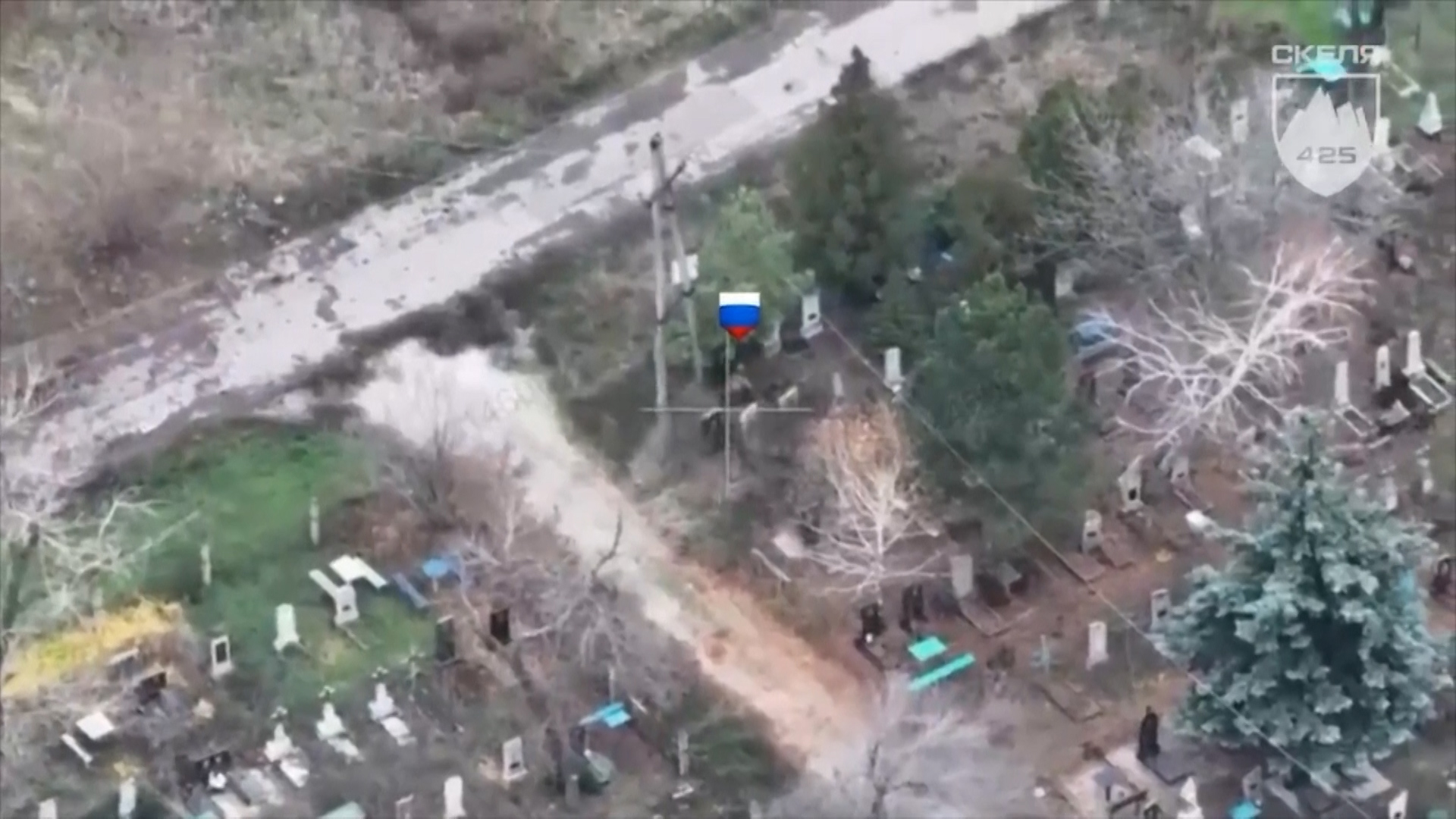
Overall, Ukraine said its drones hit 107,000 targets in December and increased their kill ratio by a quarter.
At least 128 Russian air defence systems were also taken out, Kyiv claimed.
By the end of this year, Gen Syrskyi wants Ukraine's Unmanned Systems Forces to be inflicting up to 50,000 Russian casualties a month.
As we start 2026, both armies are piling money and manpower into their drone warfare capabilities.
The Russian military has followed Ukraine's example and created a separate unmanned aerial vehicle (UAV) force.
Ukrainian intelligence said there are 80,000 Russian soldiers already deployed to drone units, and this year Moscow plans to double that number to 165,000.
By 2030, they want the force to be 200,000-strong.
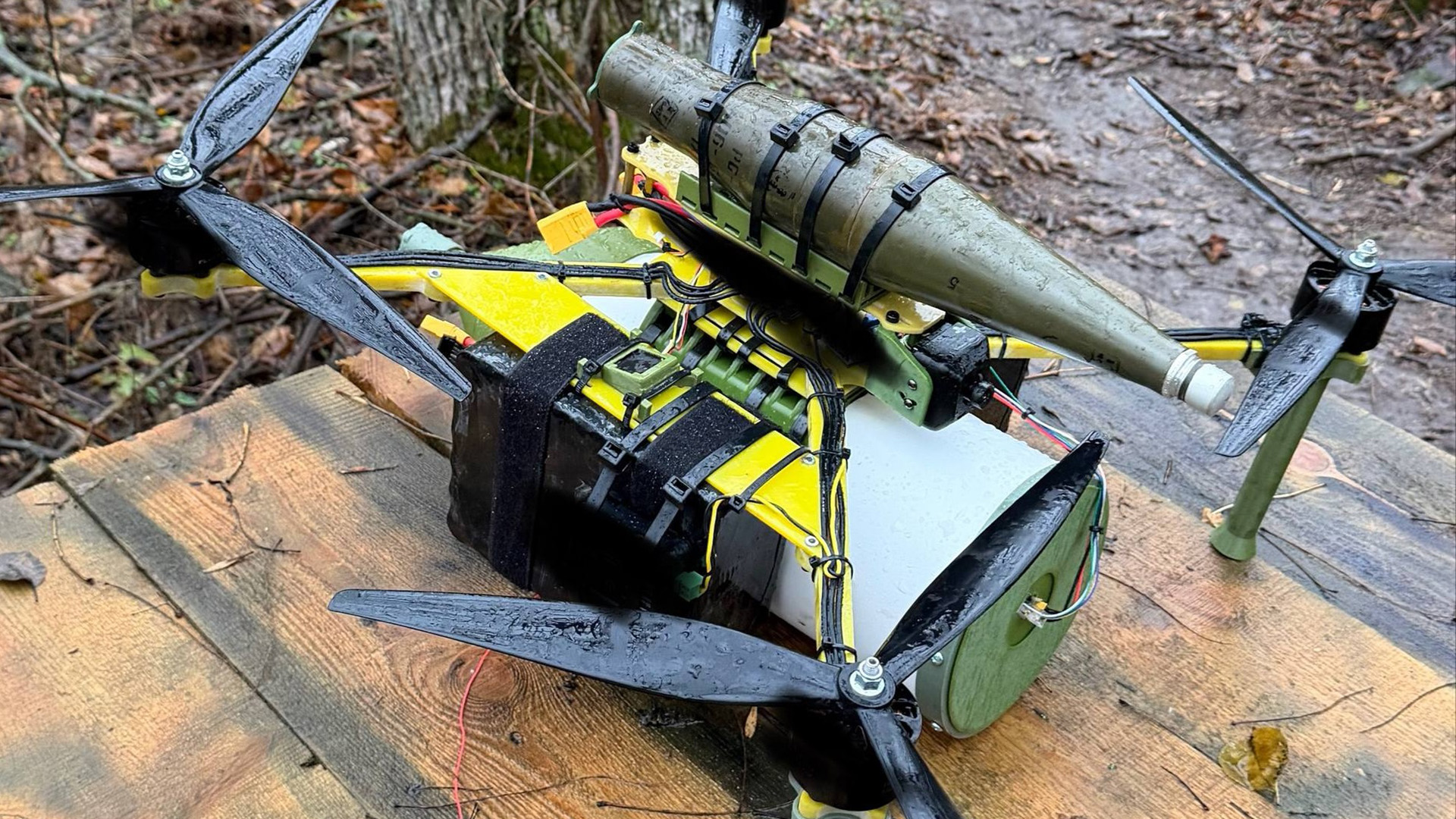
Recently, the Ukrainian drone manufacturer Ptashka published a video on its Telegram channel showing what it claimed is an FPV drone fitted with a 50km (31-mile) long spool.
A fibre-optic FPV drone is controlled via a thin fibre-optic cable resembling a fishing line that connects it to the operator's control unit, transmitting control commands, high-resolution video, and telemetry using light signals rather than a radio link.
This makes it not only immune to electronic jamming but also harder to detect.
They are now so common that, across eastern Ukraine, whole settlements are now covered in a thick web of fibre-optic cable.
Environmentalists warn that this will contaminate the ecosystem and threaten wildlife for decades.
But for now, Ukraine is in an existential fight for survival.
The UK, the Octopus programme and Nato
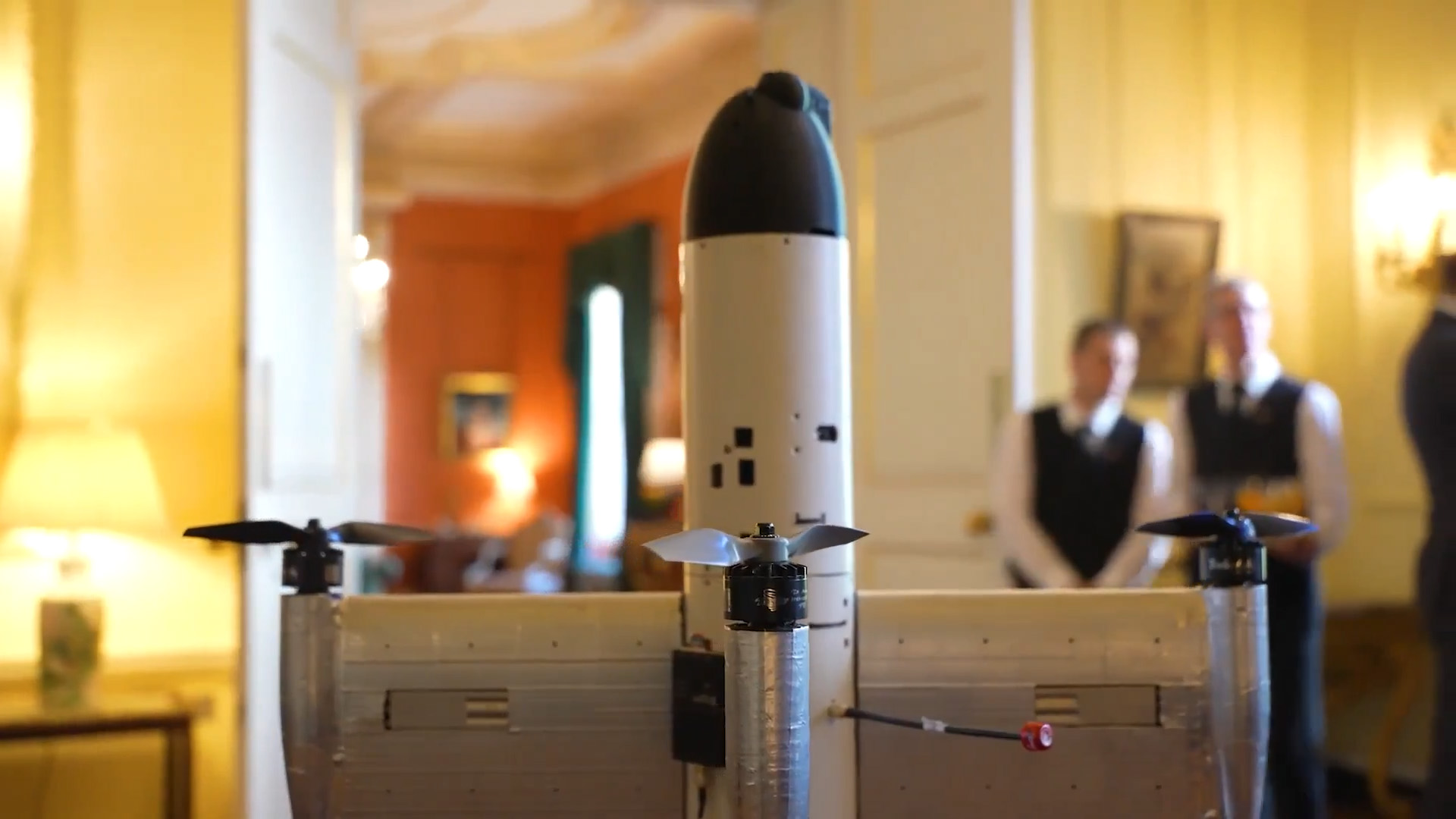
Part of that is also the increasing number of Interceptor drones, trying to absorb the sheer volume of drones Russia is firing.
In October, the UK signed a deal with Ukraine to jointly produce the Octopus-100 interceptor, a cylindrical drone with four tail-mounted propellers and a sensor in its nose.
It uses image recognition to autonomously guide itself to the target in the terminal phase, significantly improving its probability of a hit.
Compared to the vast expense of US Patriot, German IRIS-T and other air defence systems, these interceptors are cheap and easy to produce.
And it is this part of the war that Europe is really paying attention to as Nato and the EU explore this idea of a possible 'drone wall' to protect European airspace.
But experts warn that this one-shot solution may not work so well outside Ukraine, where the sheer distances involved give the Ukrainian military time to track and target Russian UAVs like the Shahed.
Over smaller distances, in the Baltics, for instance, Nato would need thousands of interceptors to create an effective 'wall' – making it prohibitively expensive.
Join Our Newsletter