Four years to change the modern battlefield: Ukraine heralds new era of warfare

Four years have passed since Russia's full-scale invasion of Ukraine, yet the war continues with no end in sight.
The latest phase of the grinding conflict of attrition has seen personnel and civilians contend with winter conditions that are the coldest they have been since 2014, according to the United Nations.
Meanwhile, Russia's most prominent offensives have generated little frontline progress, with typical gains of less than 100 metres per day, and in some cases less than 20, according to the Institute for the Study of War.
Russia continues to take heavy casualties – averaging a daily rate of 1,130 in December last year, according to the Ministry of Defence – as it attempts to gain more territory.
However, reports suggest Ukraine is being increasingly outgunned on the frontline, with a senior Nato source telling The Times that Ukraine would need 250,000 more troops and significantly more powerful weapons to turn the tables on Russia.
To coincide with the fourth anniversary of the full-scale invasion, the Government has announced additional support for Ukraine in the form of £20m of new funding for emergency energy support to protect and repair the energy grid, as well as £5.7m to help with humanitarian assistance to frontline communities.
"On this grim anniversary, our message to the Ukrainian people is simple: Britain is with you, stronger than ever. That is why we are announcing new support today, and we will continue to support Ukraine for as long as it takes," Prime Minister Sir Keir Starmer said.
"Russia is not winning this war. They will not win this war. Ukraine's courage continues to hold the line for our shared values in the face of Putin's aggression."
Alongside the funding, the new support includes teams of British military surgeons, nurses and physiotherapists mentoring Ukrainian clinicians in Ukraine.
Meanwhile, Ukrainian pilots are now training at a UK air base to become helicopter flying instructors, which is the first time Britain has offered rotary-wing instructor training to Ukraine.
In a video posted on X, Chief of the Defence Staff Sir Rich Knighton said: "Russia's war on Ukraine has gone on longer than its involvement in World War Two.
"But the frontline has hardly moved since 2022. Putin and his allies have sacrificed Russian blood and treasure at the altar of their imperialist ambitions, with no regard to the damage they've done."
From drone warfare to a whole-society approach to defence, we examine the overarching themes of this brutal conflict and what lessons Britain can learn about the nature of the modern battlefield.
Kit and equipment
The UK has been a keen supporter of Ukraine throughout the conflict, with various military officials and politicians, including then-Chief of the Defence Staff Admiral Sir Tony Radakin and Defence Secretary John Healey visiting the country to meet their Ukrainian counterparts.
The UK has also supplied Kyiv with more than 85,000 military drones between March and October of last year.
It is not only drones that are being handed over to Kyiv as the Government recently announced that new air defence missiles and systems costing over £500m would be sent to Ukraine to defend the country.
The UK also co-leads the Ukraine Defence Contact Group with Germany and the Coalition of the Willing with France as it looks to organise the international community behind President Volodymyr Zelensky's war effort.
Increasing use of drones
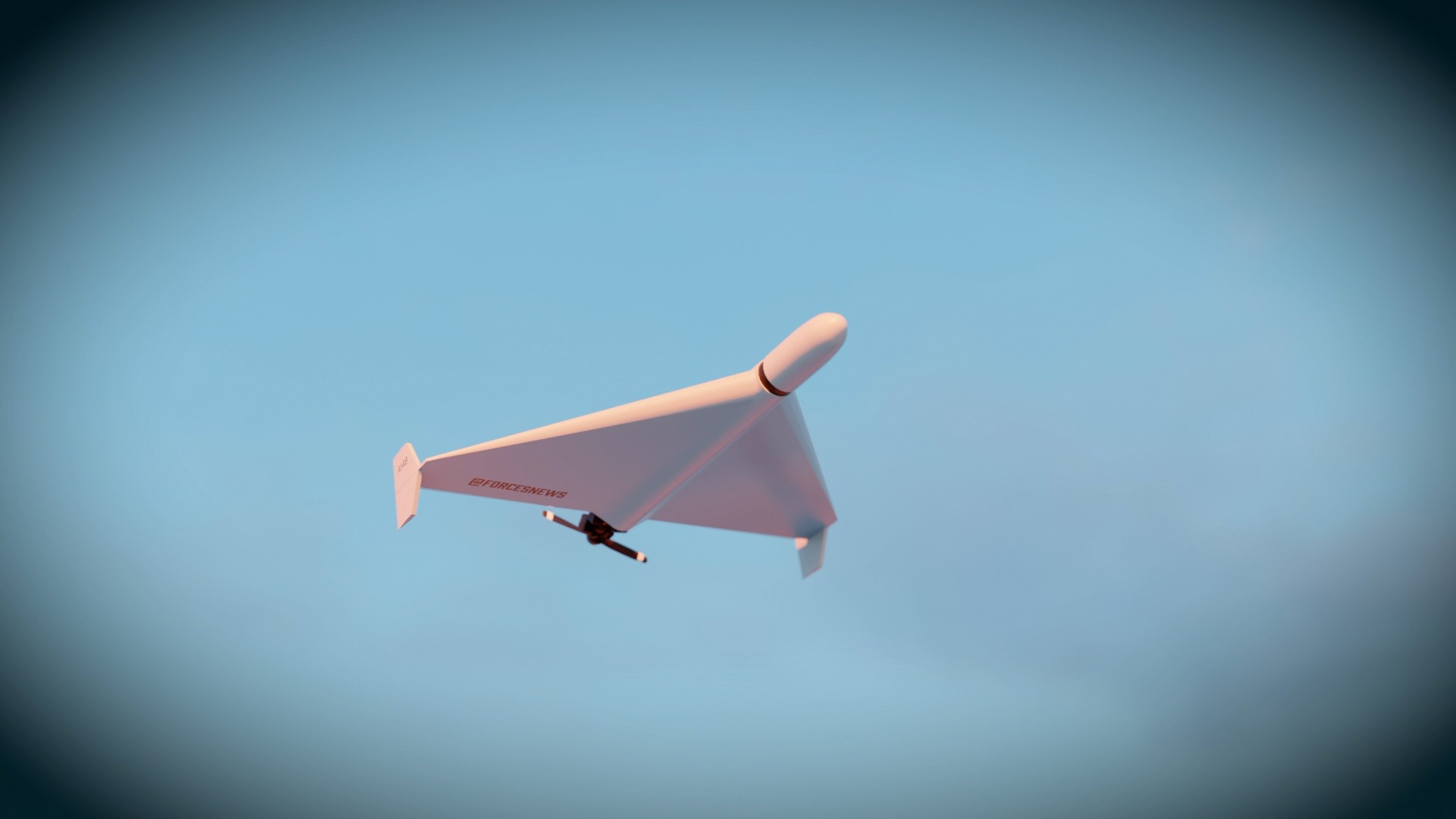
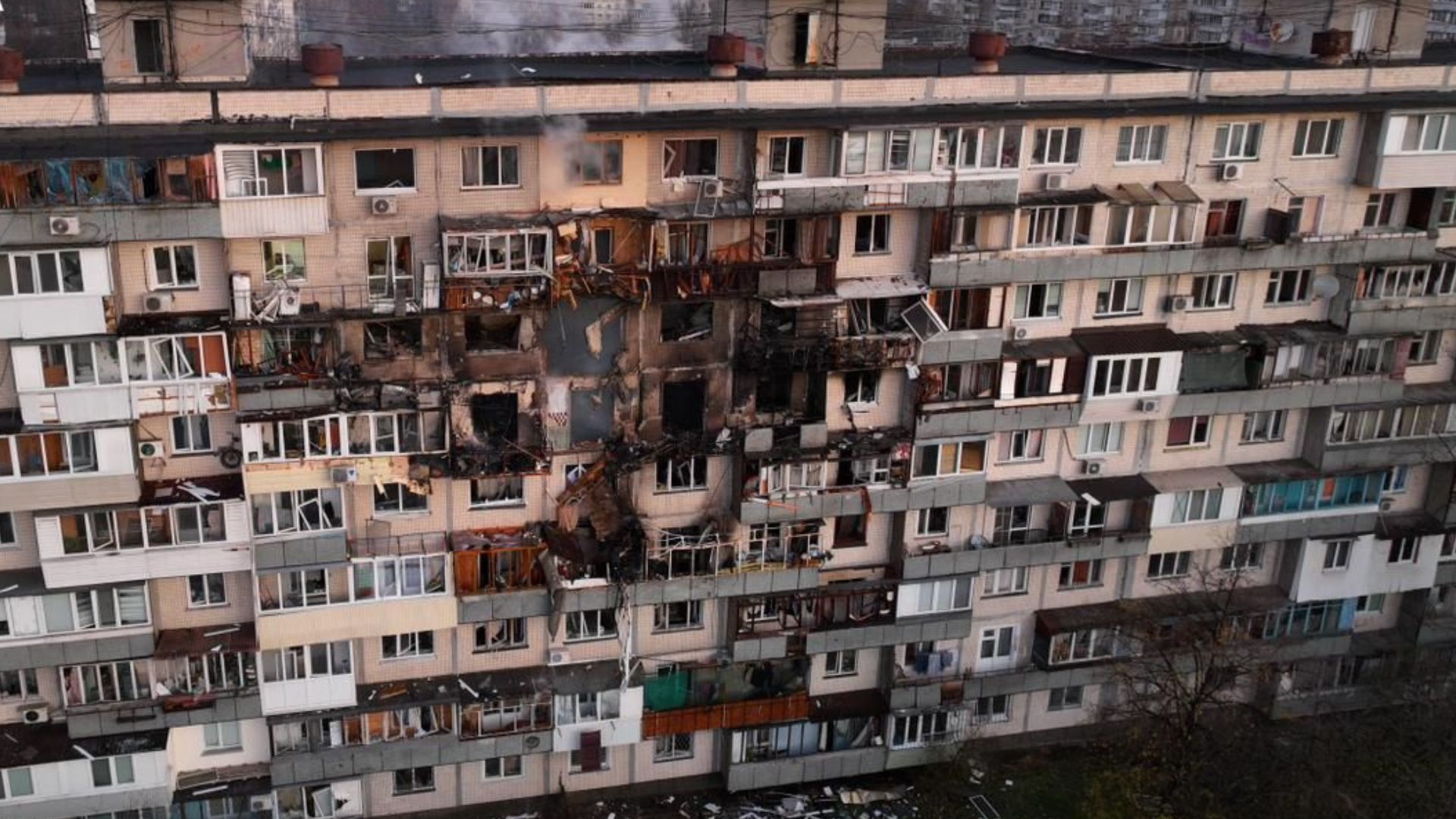
Drone warfare is not a new aspect of this conflict, but continues to be the most defining one, from night-long aerial assaults taking the lives of civilians in Kyiv to the extended strip of no-man's land the aerial threat has engendered across the frontlines.
Moscow has relied heavily on the Iranian-made Shahed-136, together with domestically-produced Gerund and Gerbera copies.
In recent weeks, evidence has emerged of increasingly complex adaptations to the attack devices, such as the addition of MANPADs to the upper fuselage to fire forward at Ukrainian aircraft.
Andrew Fox, a former British Army officer who has been to the frontline, likened the drones to improvised explosive devices operated by the Taliban in Afghanistan.
"You've got a lot of drones in the sky, and the way to think about it from Afghanistan is there's IEDs, but they’re flying, and somebody is targeting you with them," Mr Fox said.
Ukraine has been adapting its tactics to combat the drones threat by launching more operations at night.
Changing nature of conflict
This conflict is unlike anything British soldiers have previously experienced in theatres such as Afghanistan, Iraq and Libya, where wars were fought using guerrilla tactics, IEDs and combatants who disguised themselves to fit into the general population and were not aligned to any nation.
By contrast, the Ukraine war is a state fighting against another state with the forces battling in trenches as drones fly overhead.
Russian President Vladimir Putin's so-called Special Military Operation has highlighted the growing importance of air defence systems as both sides bombard each other with aerial attacks as artillery ordnance runs dry.
Mr Fox told BFBS Forces News that the conflict showed numbers are important.
"You need that mass of soldiers... and we don't have that in the British Army, which means our alliances are important. And obviously, there's a period of flux in our alliances right now as well," he said.
"So, that's going to be a really tricky problem to surmount."
Meanwhile, Mr Fox explained that Ukrainian soldiers are kept on the frontline and never leave, leading to little rotation of troops.
"I've spoken to soldiers who've been on the frontline almost three years solidly," he added.
A whole-of-society approach
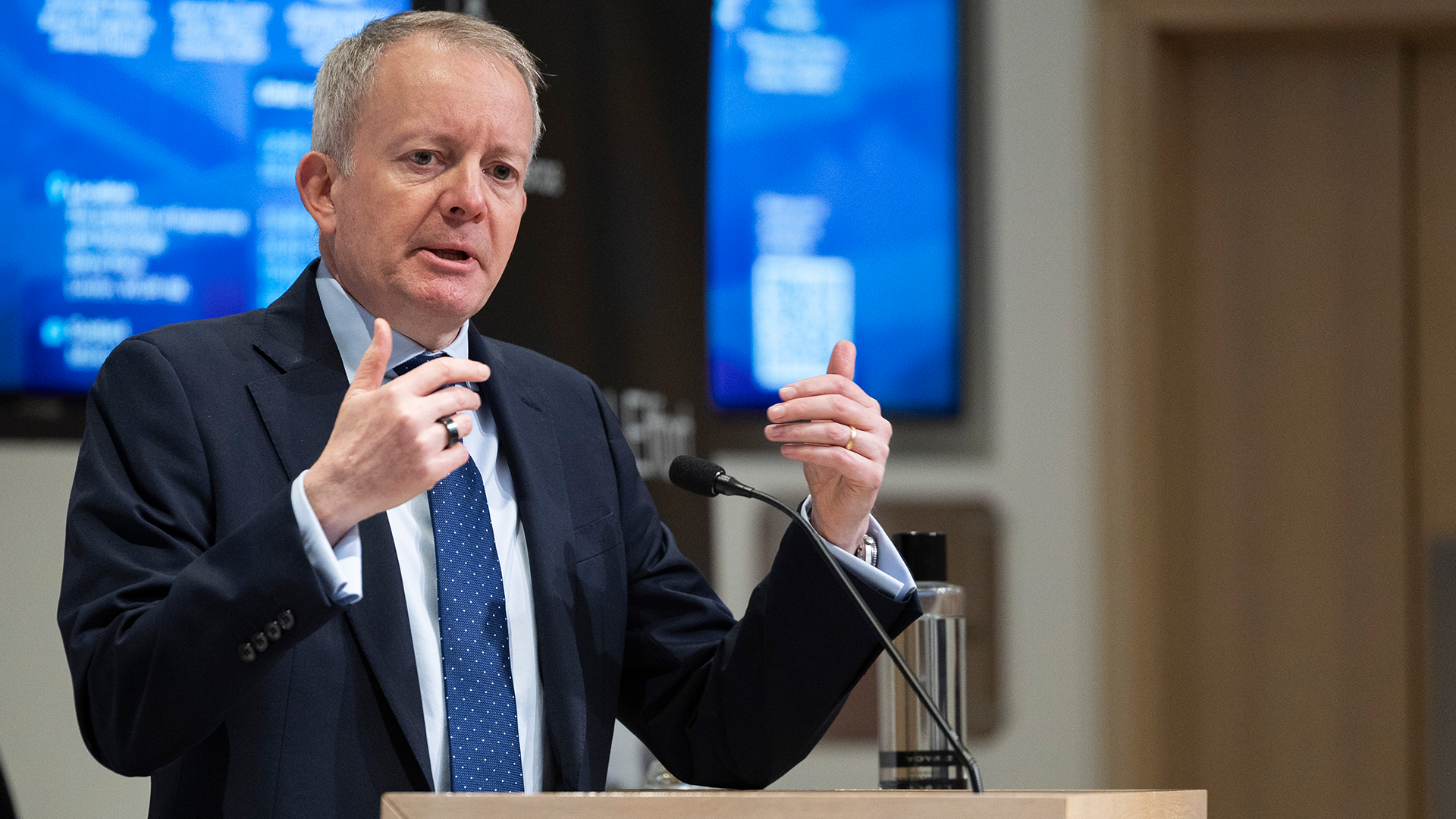
The conflict has raised questions for the UK and the Armed Forces on defence spending, national resilience and Britain's place in Nato.
The UK has seen Ukraine put its entire nation behind the war, and watched how Ukrainian society continues to deal with its consequences from the streets of Kyiv and Lviv to the frontline in the east of the country.
ACM Sir Rich said that there needs to be "whole-of-society approach" to build national resilience in the face of increasing threats and uncertainty in his first annual Royal United Services Institute (Rusi) lecture.
"The situation is more dangerous than I have known during my career, and the response requires more than simply strengthening our Armed Forces," he said.
"A new era for defence doesn't just mean our military and government stepping up – as we are – it means our whole nation stepping up."
The CDS, along with General Carsten Breuer, Germany's defence chief, later reiterated the point in a joint letter published in The Guardian.
"The complexity of threats demands a whole-of-society approach and an honest, continent-wide conversation with the public that defence cannot be the preserve of uniformed personnel alone. It is a task for each and every one of us," the pair wrote.
Additional reporting by Simon Newton.
Join Our Newsletter