Drone kill zone has created stalemate on the frontline in Ukraine, MPs told
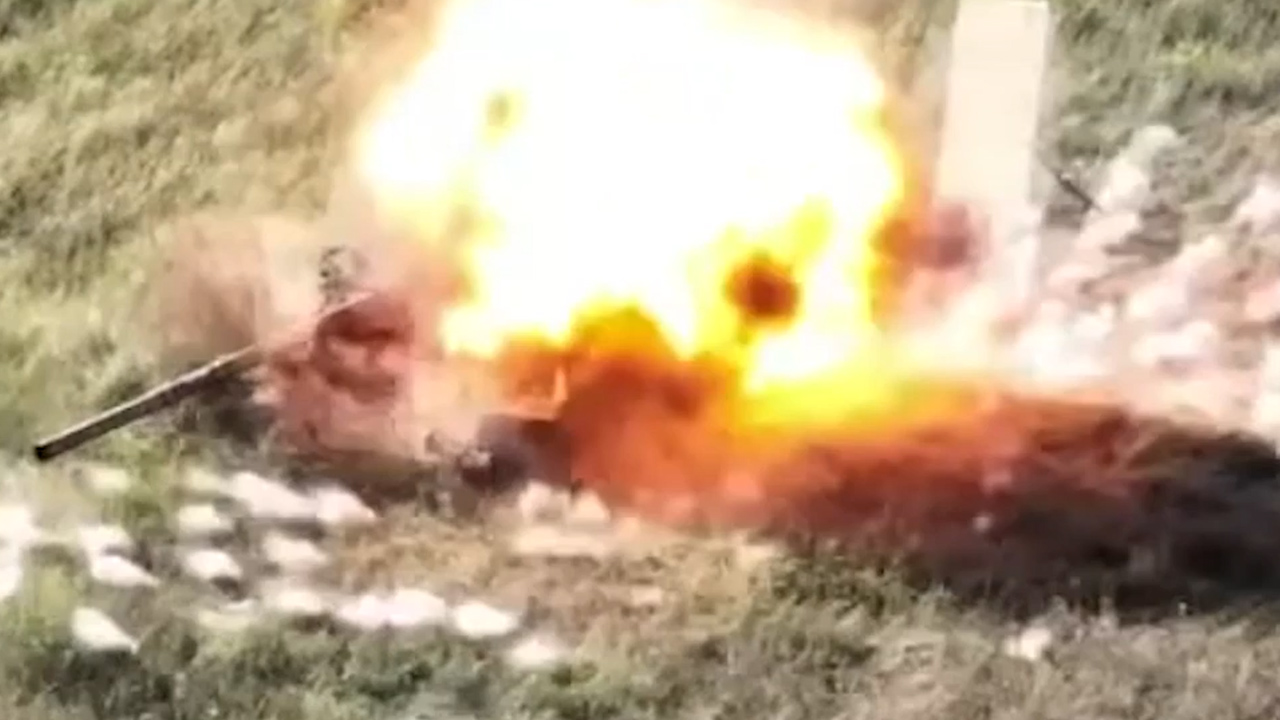
Defence analysts have told MPs that drones have created a stalemate in the war in Ukraine by creating a "kill zone" on the frontline.
The Defence Select Committee heard that the weapons are prolonging the conflict because anything that moves gets targeted.
Innovations in operating unmanned aerial vehicles have drastically altered modern warfare and they are having a dramatic impact on the battlefield in Ukraine.
Now MPs are being told they're so effective that they've created an impasse on the frontline of the conflict.
The Commons Defence Select Committe heard from BFBS Sitrep's Professor Michael Clarke that as fighting continues drones make any breakthrough for either side unlikely.
He said: "It has created this kill zone of about between 10 and sometimes 30 kilometres either side of whatever is the frontline.
"So there's a broad swathe across this 1,000 kilometres of frontline where nothing moves without being spotted and that goes for armour, for vehicles and people.
"So, it's stalemated on the ground but it's not stalemate in the sense that people aren't fighting because more than 1,000 Russians a day are dying and on a bad day between 200 and 300 Ukrainians, so there's a lot of fighting going on, a lot of death, but the frontline doesn't move much."
The committee also heard how the war in Iran has had an impact on the Ukrainian conflict.
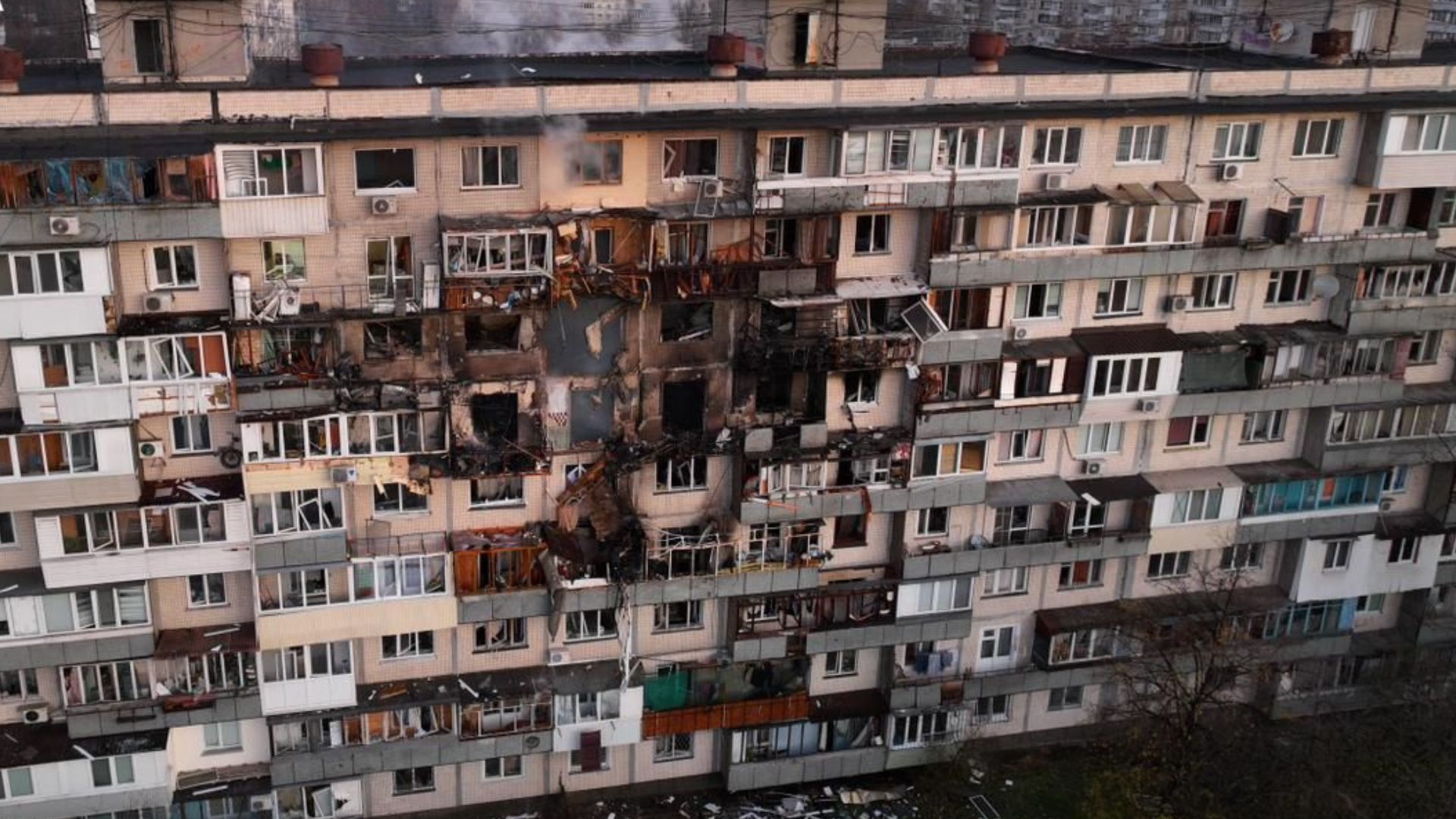
Head of the Ukraine Forum at Chatham House Orysia Lutsevych highlighted that a shortage of air defence for the country is having a devastating impact.
She said: "Because of the impact of the war in Iran, the shortage of interceptors means that we will be facing more damages to Ukrainian cities and, as a result, we already see an increased number of civilian deaths, casualties.
"If you compared to the period of 2024 to this spring, it's almost 93% increase of civilian deaths and this is the danger President Zelensky's warning [of] and is calling the partners to urgently work to secure interceptors."
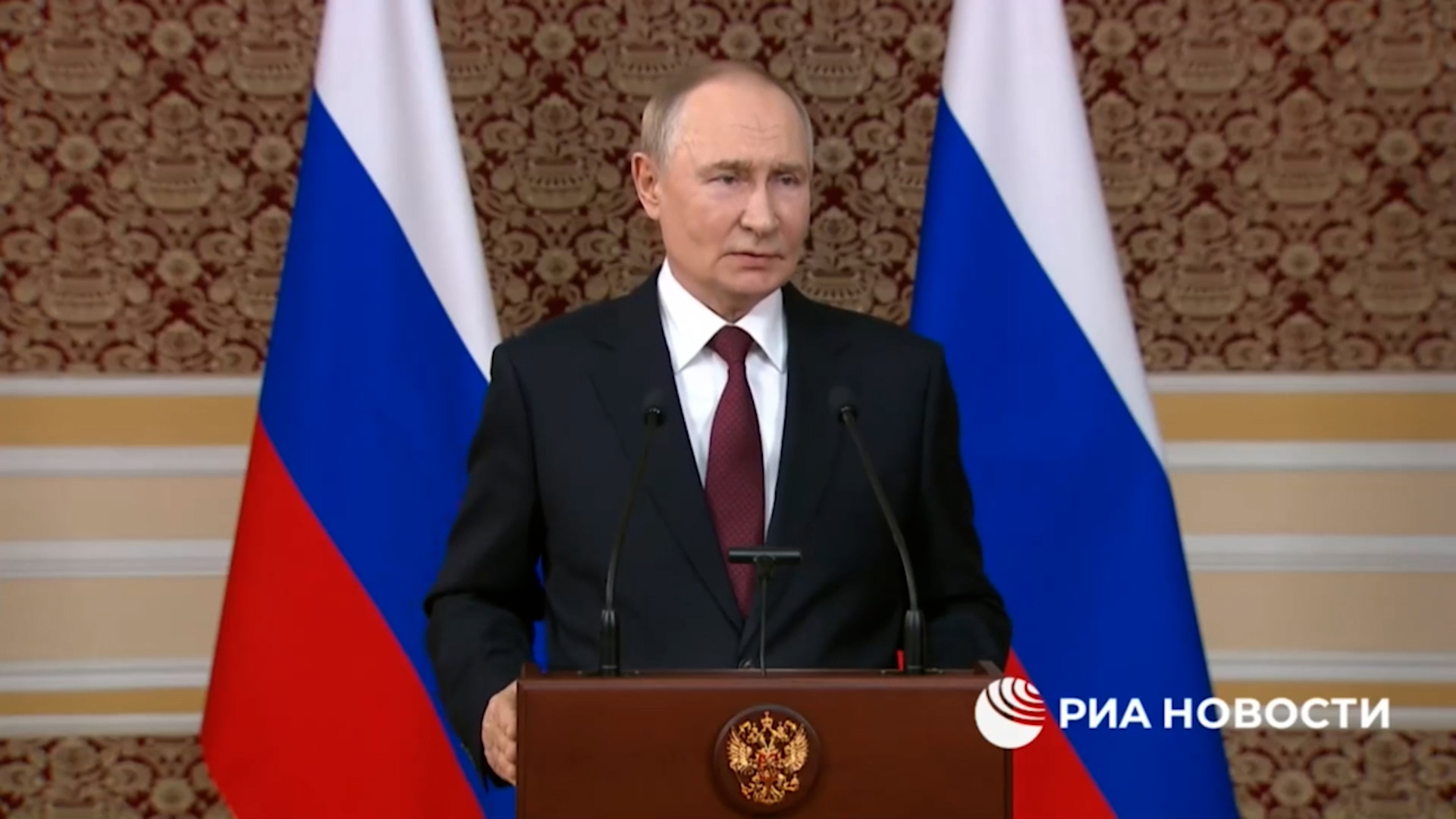
The committee also heard that support for a ceasefire in Ukraine is growing but the Kremlin would be unlikely to engage unless Russian forces started losing significant territory.
Professor Kristen Harkness, director of the Institute for the Study of War & Strategy at the University of St Andrews, told members: "Russia doesn't want a ceasefire and I think Russia pushes for a peace treaty because they want through negotiations and through a potential caving of the Western allies to get through those negotiations what they can't get on the battlefield.
"They want more territory than they currently de facto control, they want juridical sovereign control over Ukrainian territories which they can't get through military force.
"They want the international recognition around that so there's a lot that they they want out of going through any agreements that they can't get from a ceasefire, and so, unless the battlefield situation changes dramatically and Putin's evaluation of that changes dramatically, they have no interest in a ceasefire."
Join Our Newsletter