See the enemy without being seen is key lesson for soldiers, says ex-infantry officer

If you've been seen, you've already lost - and the ultimate skill of a soldier in Ukraine is the art of concealment, a former infantry officer has insisted.
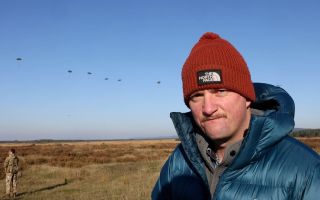
Andrew Fox, who served with The Royal Welsh and later The Parachute Regiment in a military career spanning 16 years and who has since visited Ukraine, said this was a key lesson for soldiers to learn.
He spoke to BFBS Forces News' Battle Talk podcast, which focuses on the Ukraine war, about his experiences in the country and the lessons the Armed Forces can learn from the conflict.
The art of concealment
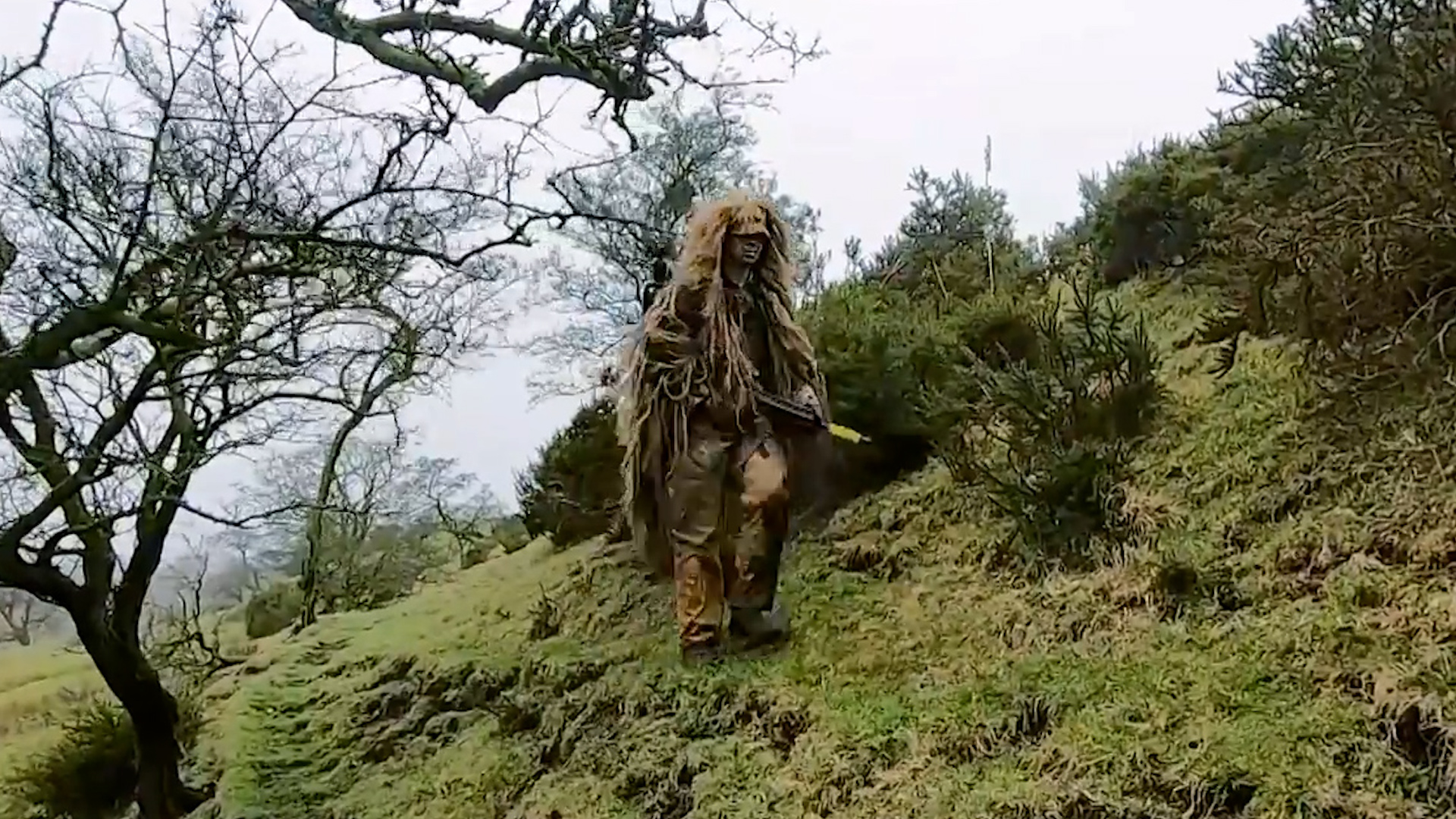
Mr Fox, who completed three tours in Afghanistan, explained the importance of concealment, given the dominance of drone warfare in Ukraine.
"Our young soldiers need to be able to understand how not to be seen and then, if they are seen, what to do about it," he said. "Those are the two most critical lessons."
When personnel hide themselves, they use a variety of means from natural elements, including leaves, terrain and the cover of at night, as well as man-made protection, such as nets, camouflage cream and digging in to create trenches.
Mr Fox went on to explain that in Ukraine, the troops are using a traffic light system to tell each other about the drone threat in the area in which they are operating.
"When you go forward into the danger zone, as it were, they've got almost like a traffic light system," he said.
"They give you red, amber, [and] green depending on the drone threat risk, and so you understand what you're going into."
Another method for personnel to defend themselves from uncrewed aerial vehicles, which are buzzing, hovering and meandering in the sky, is digging as far underground as they can to create deep trenches, akin to the First World War.
He said that burying deep beneath the surface is a skill that the UK military must improve if it is to adapt to the evolution of warfare shown in Ukraine.
"Digging is critical. We do dig, but we don’t dig enough, and we dig far too slowly," he cautioned.
"The ability to live in that cover is really challenging as well. We all learn how to sit in a shell scrape, which is on the surface with a poncho over the top, doing that for 24 hours at a time.
"[It] is pretty degrading living in a hole in the ground for months at a time. [It's] incredibly difficult to do.
"It's psychologically, physically, the degradation you get, as well as then having to pop up and fight and then maybe move if your position’s exposed. This is really difficult stuff."
Virtual warfare
Despite the protective systems that are in place, many of the Ukrainian troops are seeing videos of their comrades being killed in videos caught by drones online.
Speaking about the Ukraine war being broadcast online for people to see at anytime of day across social media and on the internet, he said: "The fact that we're able to capture it on video these days, it is a slightly different beast.
"It doesn't change the fact that all war is always horrible."
War is hell
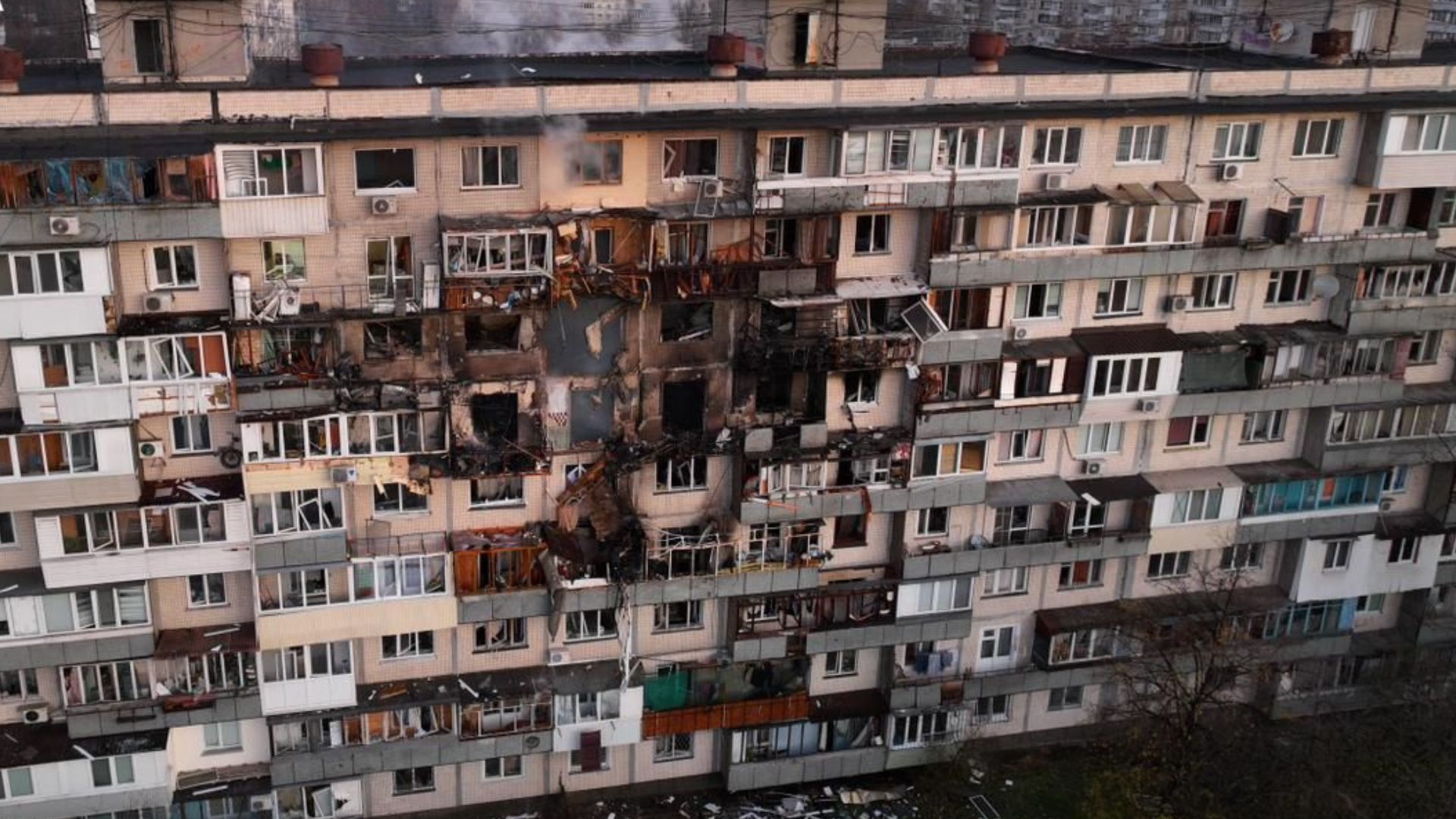
For all the advancements in weapons and kit, with countries now developing their own types of drones and interceptor drones, such as the joint Ukraine-UK Octopus programme, the actual reality of war has not changed for centuries.
"You go and speak to some of my friends. My friend, Paul, was shot in the Falklands, and he would probably tell you it was quite an unpleasant experience," said Mr Fox.
"War is hell. It doesn't matter if you're in Ukraine or if you're in the Falklands or if you're anywhere else in the world.
"Ultimately when it comes to killing another human being, it's brutal."
You can watch the full podcast episode, Battle Talk: A Para's view of Ukraine - Drones, on BFBS Forces News' YouTube channel.
Join Our Newsletter