Better than a bouncer: Why close protection isn't for every military veteran
Training as a close protection officer teaches certain skills in fine detail, with many crossing over with Armed Forces expertise.
But, while plenty in this line of work have a military past, not everyone with a military past makes it in this line of work.
BFBS Forces News visited one training company going through the fundamentals with a group of budding bodyguards from around the world and asked how it all works.
Surveillance, executive protection, and armed protection
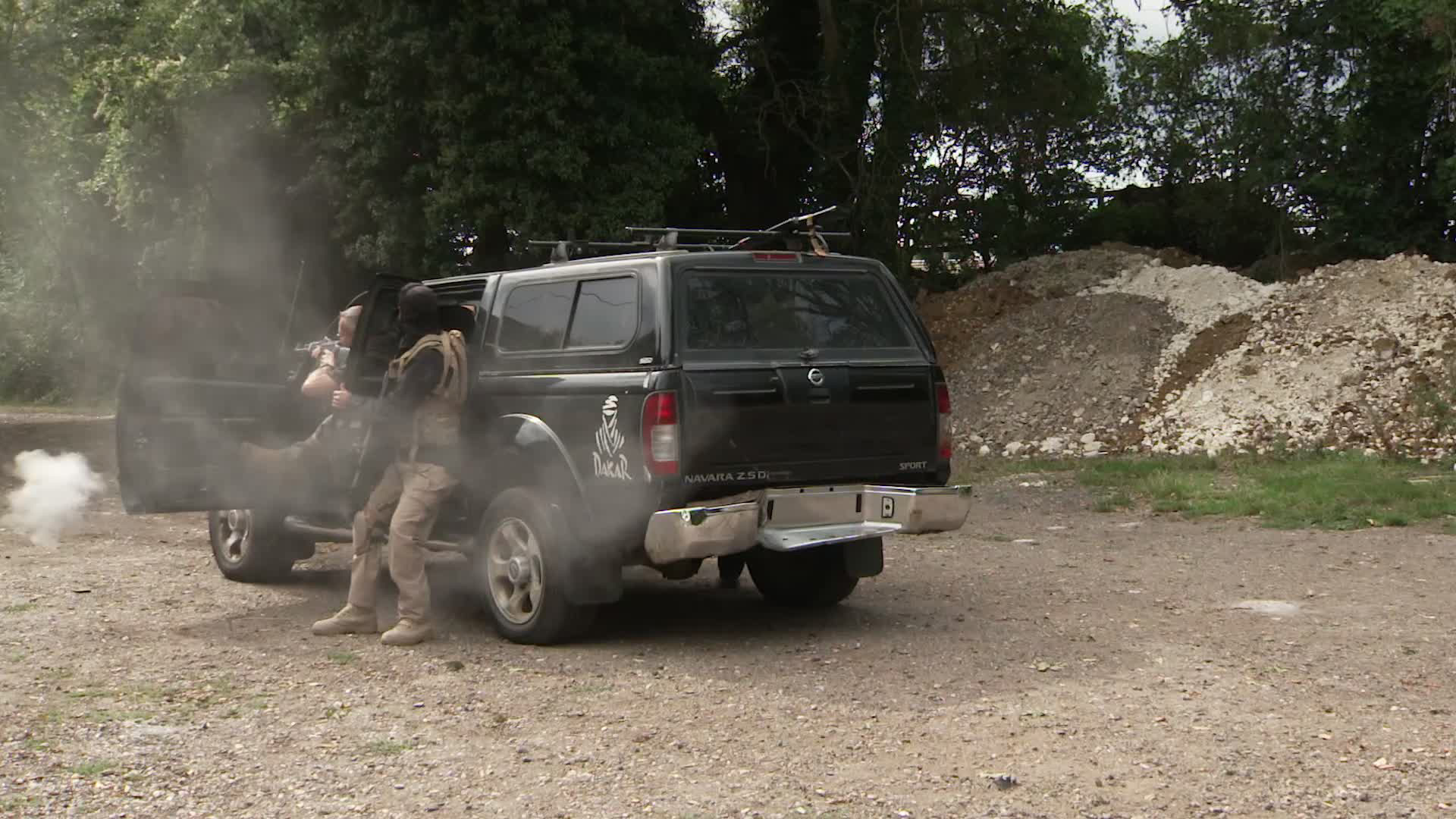
Criss Watts, the lead instructor from UCP Group, worked for British intelligence before moving into private security work, which involved the basic personal protection of celebrities, high-net worth individuals, groups and families.
"Nowadays, the market's flooded a little bit more than it was in them days," Mr Watts told BFBS Forces News.
"So, they're looking for mainly veterans, military veterans. They always say special forces first. Then they say, when they've run out of them, they say that, and then tours of duty."
The security industry is split into three: surveillance, executive protection, and armed protection.
To work in surveillance, which is very highly paid, you have to be good at intelligence work. For executive protection, veterans will find themselves working unarmed.
While, if you work in armed protection, it will often be overseas in places like Iraq, Afghanistan, and now Syria. "So, that means anybody worth their salt will ask for ex-military because they've already got the background," Mr Watts said.
Dealing with the transition
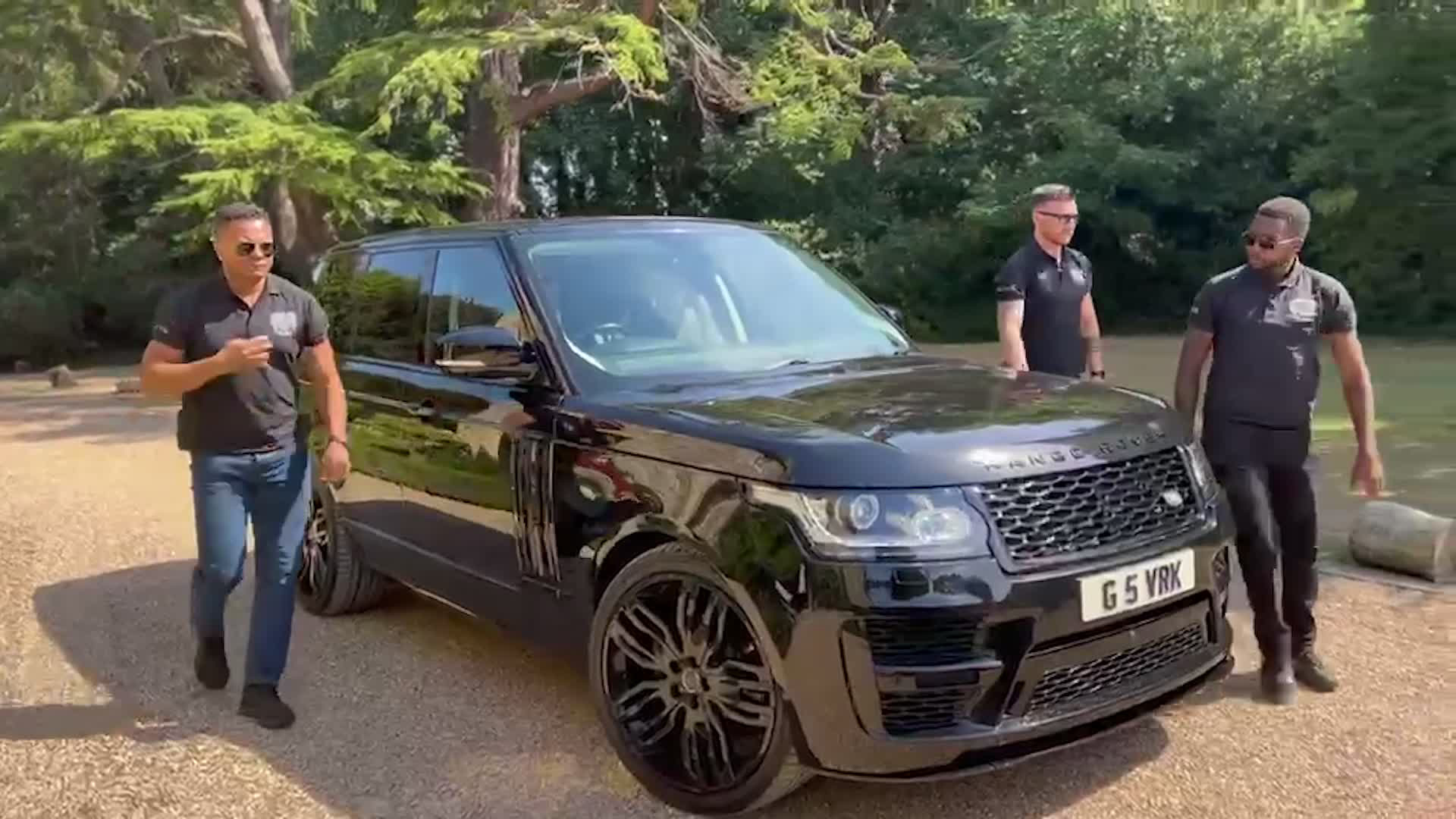
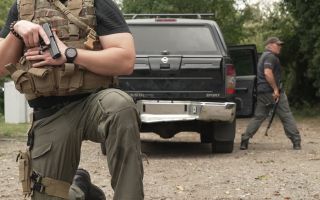
UCP Group, a company that specialises in security training and risk management solutions, trains mostly ex-military personnel in small units and aims to draw the attacking mode out of them, while enhancing the defensive mode.
However, for some veterans, the transition into close protection does not work out, with Mr Watts blaming the attitude of some.
"The attitude, because if you've been in the military for 10, 15 years, you get institutionalised," Mr Watts explained.
"So that means when you come out, you might not have the gift of the gab. So, negotiation with clients, most of the military, they find it hard to transition into that type of life, with the glitz and the glam. It's still got that kind of rigid look."
Watts said that these close protection officers need to be inconspicuous and relaxed, as some VIPs don't want them to be seen.
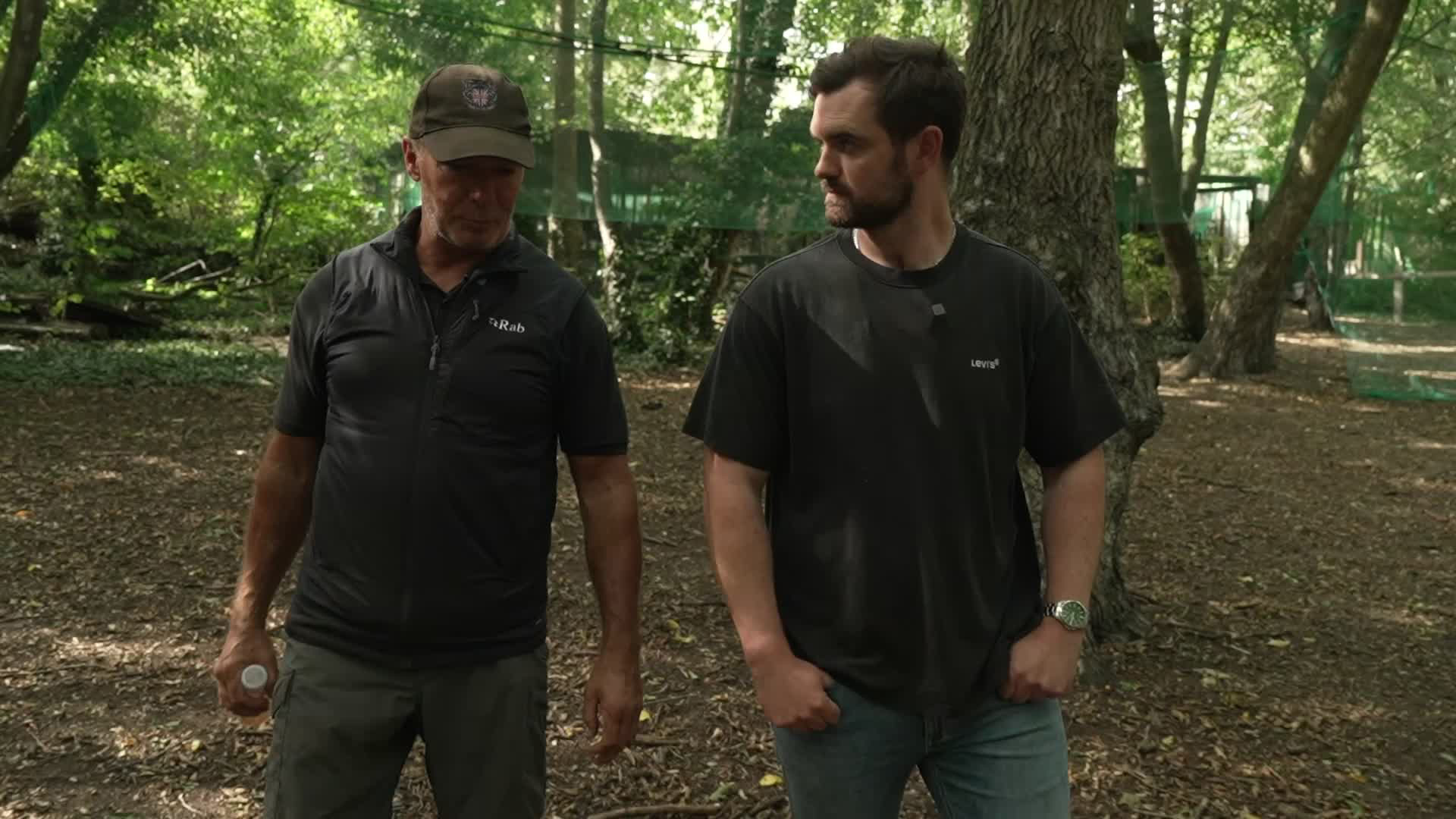
In another situation, if you are staying with a family, you have to be friends with everyone, including their dog, cat and neighbours.
With threats evolving on the battlefield, considering the rise of drones and AI, close protection officers have to deal with similar threats in order to keep their clients safe and sound.
"Drones are probably the biggest thing on the table right now, and it's escalating at such a pace that I don't know where it's going to be in the next year," Mr Watts said.
There are certain qualities in military personnel that make them ideally suited to a career in close protection.
Veterans tend to be good at communicating through hand signals and radios, and they also have adequate situational and personal awareness.
Mr Watts also said that ex-military personnel can cope at nerve-racking moments.
"The last one I'd probably say are working with stress[ful] situations because obviously that's what they do in training and obviously going onto tours," Mr Watts concluded.
The switch from military to close protection may be a well-trodden path, but like many others in security, it has its own twists and turns.
Related topics
Join Our Newsletter