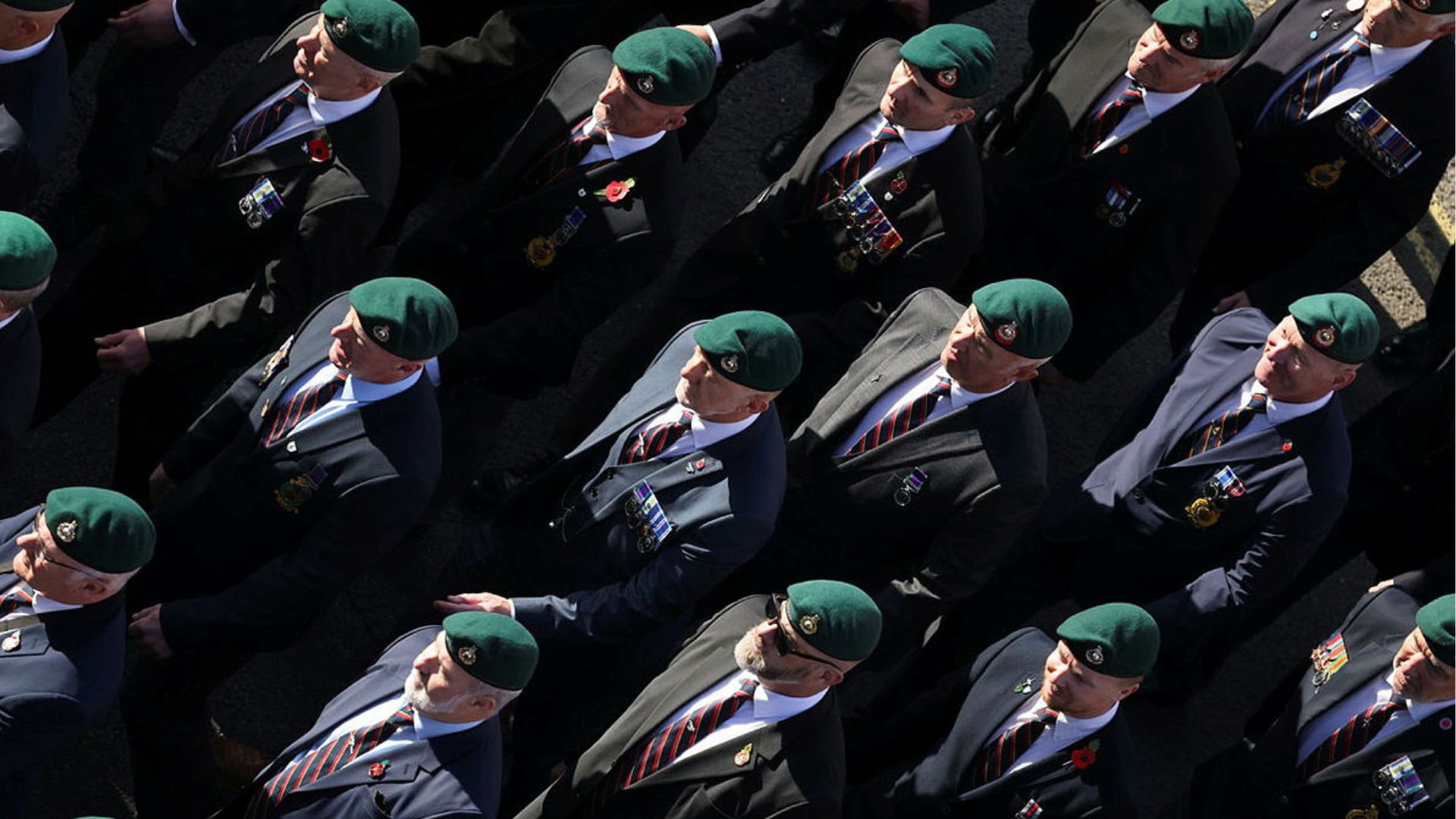
Veterans and reservists a boon for UK labour market but skills not well understood

Veterans and reservists bring valuable skills and make a positive impact on the UK's labour market, a report has found.
But Rand Europe, a charity that focuses on policy research, also said veterans and reservists might find themselves underemployed in their roles, particularly during their move from the military into civilian life.
Underemployment is when a job role does not use a person's full range of skills, training and education or assign sufficient pay or hours.
"Some veterans and reservists still face challenges in translating their skills and qualifications and having them recognised in civilian workplaces, and can face barriers to employment," the study said.
"These barriers include poor awareness and understanding of the Armed Forces, military roles and skills among hiring managers and other decision-makers, and a lack of clear policies to support veterans and reservists consistently."
The report, which used statistical analysis of three national datasets and interviews, found that minorities, including women, ethnic minorities and veterans who are disabled or have poor health, deal with the same disadvantages in the job market as the public.
Meanwhile, the report highlighted that the roughly 960,000 working-age veterans and 30,000 volunteer reservists in the UK have similar employment rates and earn comparable hourly wages to the general public.
"The data shows that veterans and reservists have similar levels of employment and hourly wages to non-veterans with similar characteristics, indicating that veterans and reservists do not face systemic labour market disadvantage," the report explained.
"However, veterans and reservists are concentrated in different industries and occupations to non-veterans, making them vulnerable to economic shocks in different ways to non-veterans."
The industries in which veterans tend to work include manufacturing, transport, construction and public administration, according to Rand Europe.
The report suggests that the Office for Veterans' Affairs should continue giving career support to veterans and reservists.
It also wants to see employers and the public made aware of veterans' military service, and guarantee that policymakers and service providers understand regional differences and ensure that policies and support are inclusive to all members of the Armed Forces community.
Related topics
Join Our Newsletter