Met Police becomes latest force to join missing Armed Forces veteran flagging system
The Metropolitan Police has now implemented a joined-up database of individuals, helping officers pinpoint where a missing veteran could be.
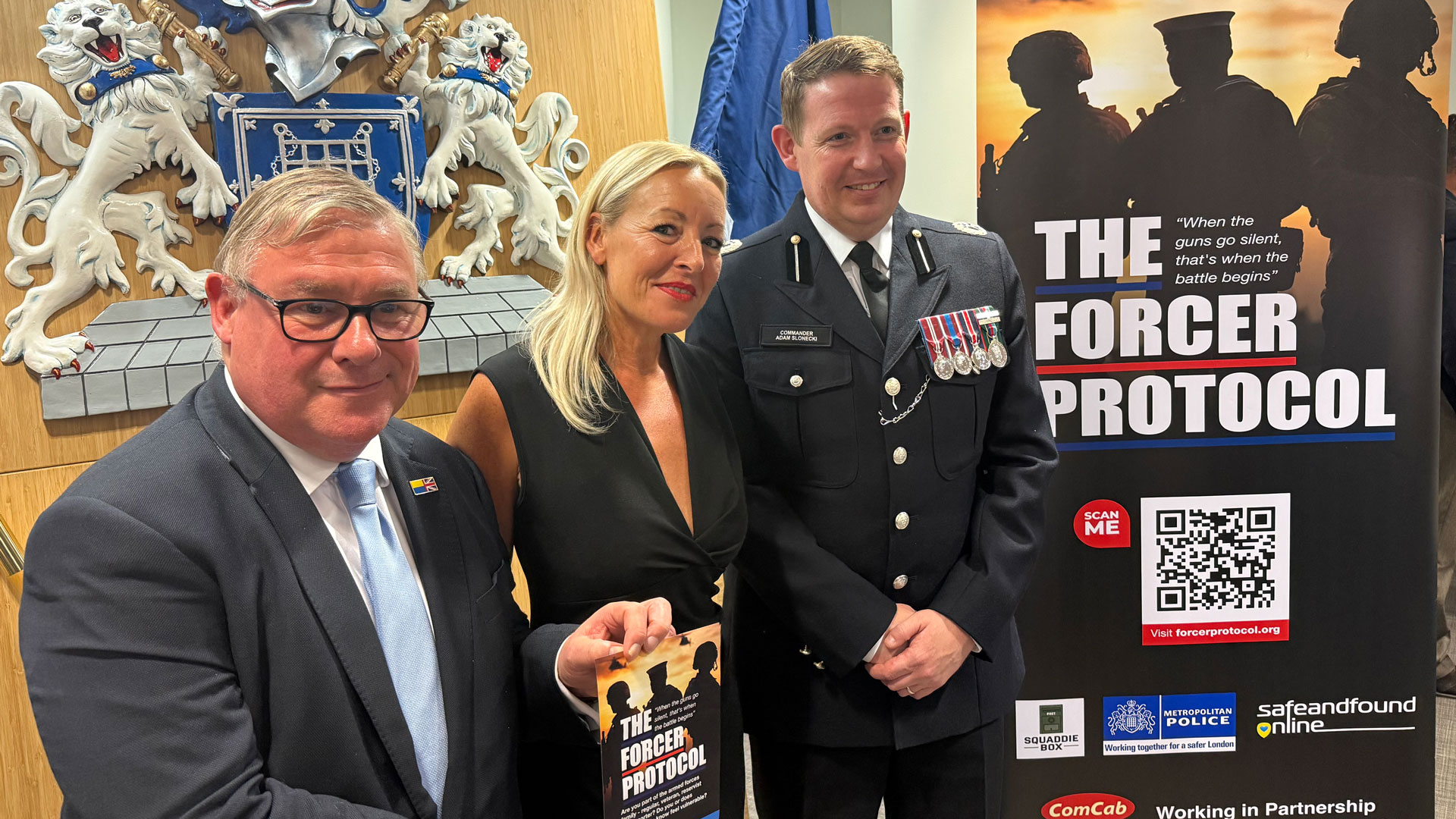
The Forcer Protocol allows police call handlers to access and share key information quickly in the crucial first hours, with over 400 veterans already being found using the service.
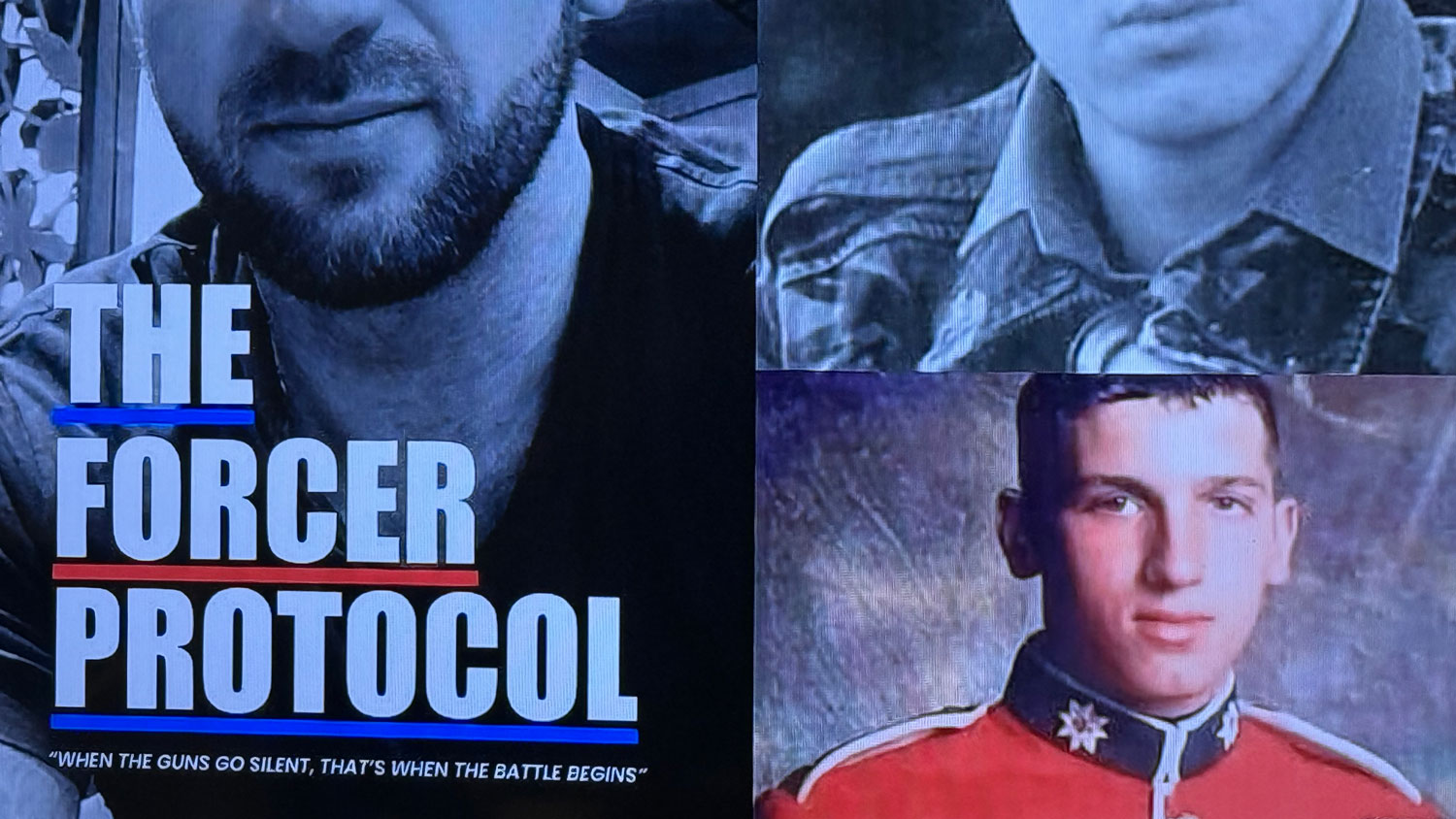
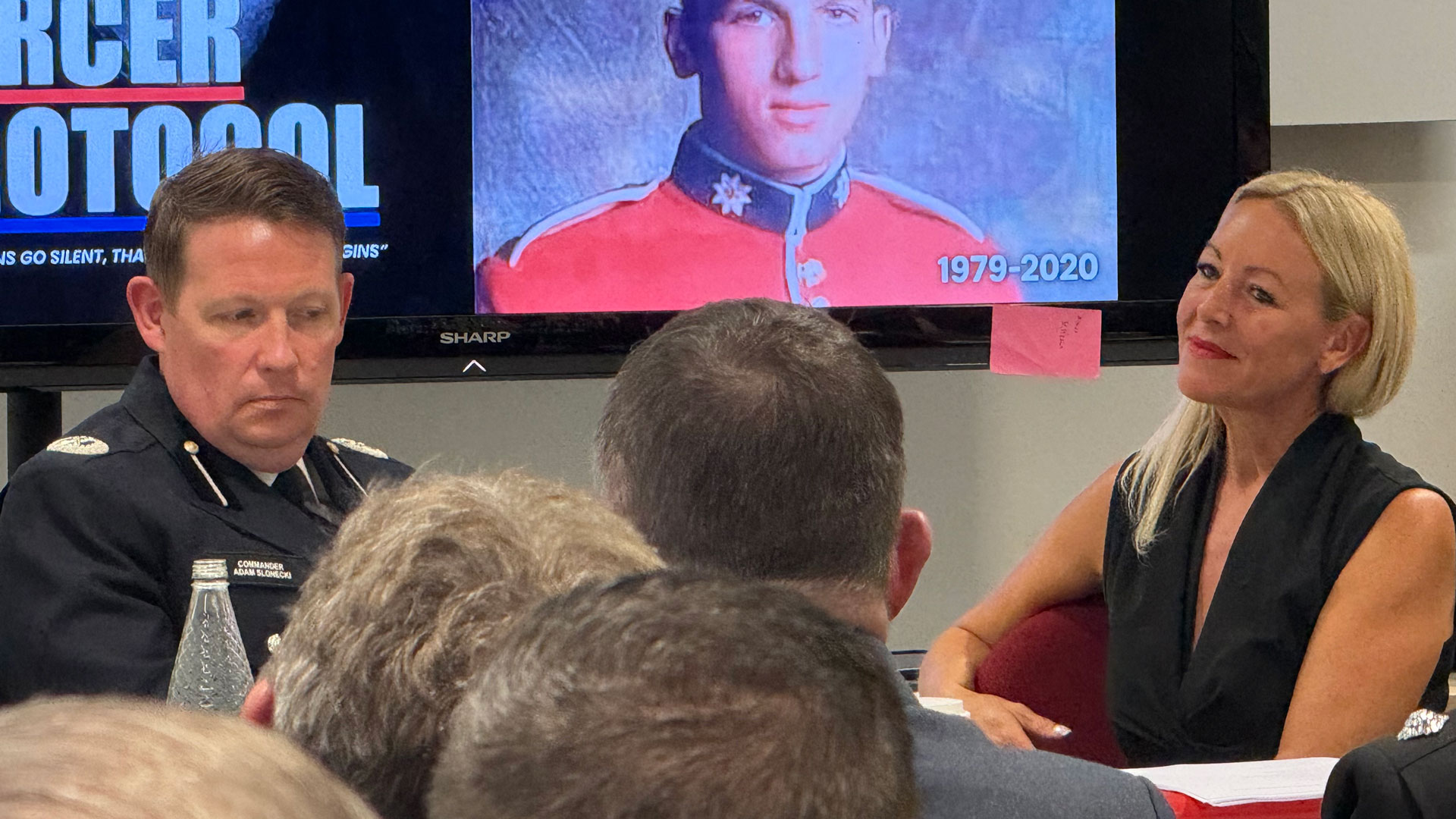
The Met is the 28th but largest force to join the system, which is named after former soldier Alan Forcer, who took his own life in 2020 after disappearing following a range of personal challenges linked to his military service.
Although many people were aware of his mental health struggles when he went missing, it took three days to find him and many "red flag" personal details took longer to piece together than his ex-wife Claire Lilly would have wished.
Claire is now the driving force behind the initiative sweeping through UK police forces, developing a detailed database of individuals to help quickly flag key details and help police officers with their time-sensitive searches.
"Since the launch of the pilot on Remembrance Week in 2023 and the national launch six months later, we're now in over 60 % of police forces," she told BFBS Forces News.
"The Met is essentially 12 police forces in one.
"We've successfully located several hundred veterans serving and reservists and referred them into veterans-specific care. So, it's a pretty monumental moment."
While officers can always fall back on old-school policing in their search efforts, this system is digitised through Safe and Found Online and can save precious time, effort and resources – streamlining the intelligence-gathering effort with updatable photos and more.
Individuals, as well as family members or support workers with consent, can have key information about a person stored on Safe and Found, with the police able to access it securely once a person is reported missing.
Once found, veterans are put on a new pathway, with follow-up care available through the protocol and its partners.
Superintendent Steve Warnes of the Metropolitan Police is also a former Royal Marines Commando of six years.
"Thankfully, the other forces have already implemented it. So we've got to speak to some of those, take some lessons," he said.
"We started with three BCUs [Basic Command Units], which were South West, South East and South area of London.
"We started with those and we're looking to now, from today, expand, go across the rest of the Met. So what we've done is we put it through the local missing hubs.
"So when the primary investigator calls the informant back to say 'I need some more details around the missing person' they then ask those questions.
"Have they served in the Armed Forces? Are they a veteran? Are they still serving? And if it's a 'yes', they'll use the Safe and Found online system."
There’s now a push to fully roll out the Forcer Protocol across every police force in the UK.
Related topics
Join Our Newsletter