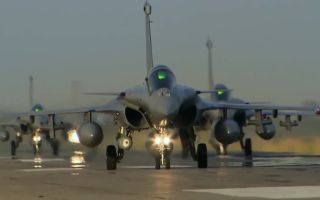
Is Russia stepping up its air aggression against Nato once again across Europe?
Recent incidents point to an escalation in Russia's aggressive and high-risk activity across Eastern Europe and the High North.
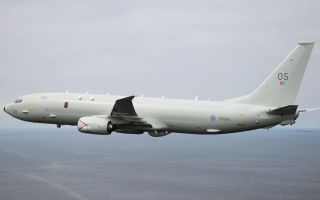
On Thursday, 21 May, an RAF aircraft carrying Defence Secretary John Healey had its signals jammed while flying near the Russian border after he visited British troops in Estonia.
Russia is believed to have been behind the electronic attack, which disabled the plane's GPS for part of the three-hour flight and forced pilots to rely on alternative navigation systems.
Russian jets intercept
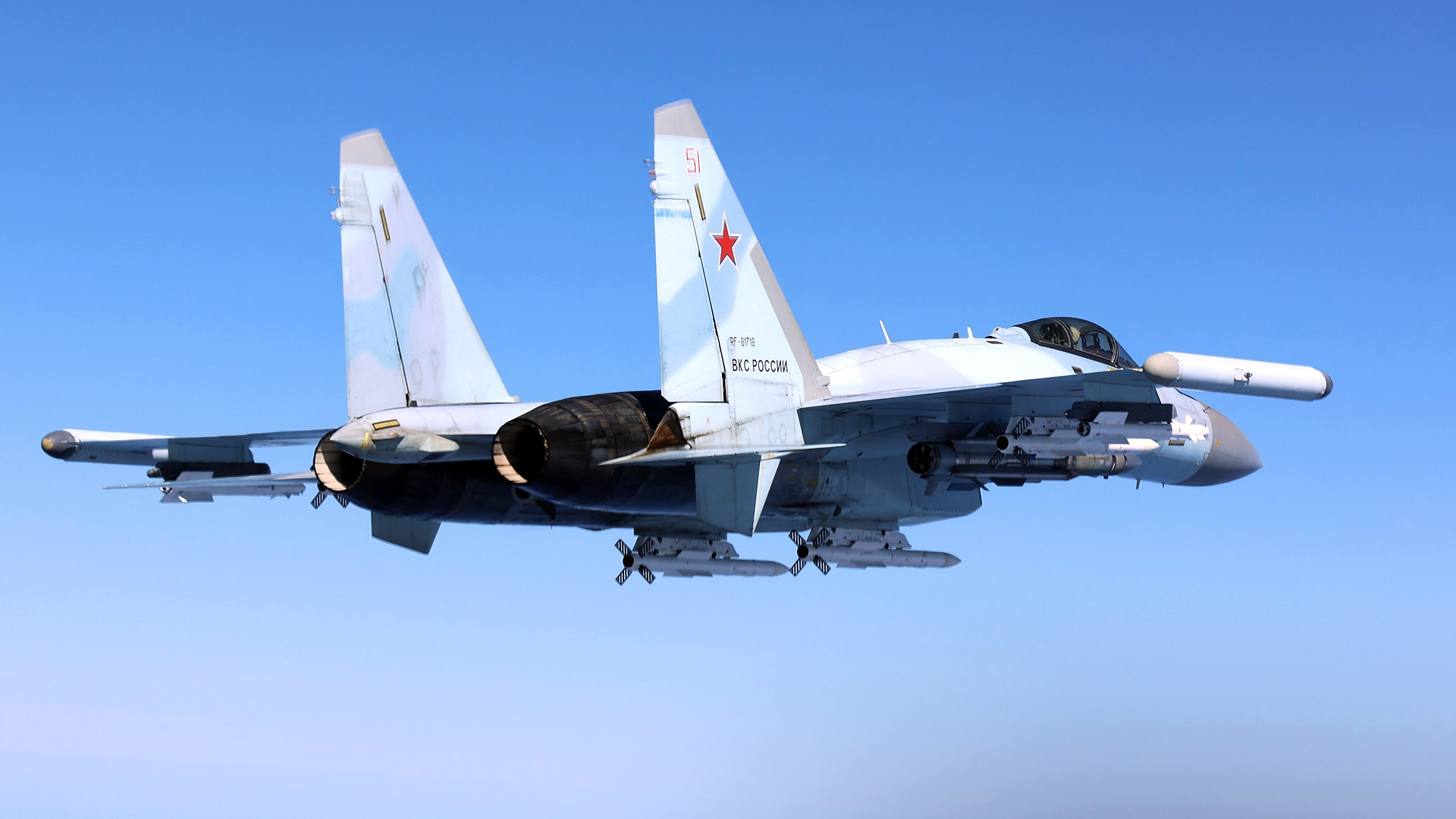
Over the Black Sea, the UK reported two intercepts of an unarmed RAF RC-135W Rivet Joint by Russian Su-27 jets flying dangerously close.
In one incident, a Russian aircraft flew so near to the Rivet Joint that its emergency systems were trigger and autopilot disabled.
The MOD said it was the most serious encounter since a 2022 near‑miss, when a Russian pilot tried to shoot down an RAF surveillance plane after believing he had permission to fire.
Baltic drone attacks
This year the Baltic states have all seen a sharp increase in airspace alerts and drone-related security incidents.
Some of these are likely caused by Russian electronic interference which is diverting Ukrainian drones that are attacking Baltic Sea ports.
As Ukraine steps up its long-range drone attacks on Russia, several Ukrainian military drones have strayed into the airspace of Nato members Finland, Latvia, Lithuania and Estonia.
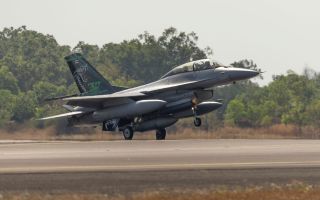
The latest in the string of recent attacks happened on 19 May, when a Romanian F-16 operating as part of Nato's air policing mission, shot down a Ukrainian drone over southern Estonia.
Officials believe the drone was likely intended for Russian targets, with Ukraine apologising for the unintended incident.
Then on 20 May, an hour-long drone alert caused Lithuania's capital Vilnius to come to a standstill as the public were warned to take shelter.
Lithuania's president and prime minister were taken to safe locations, the country's parliament evacuated, and all flights suspended during the incident.
It is not yet clear who was behind the incursion as a major search is underway to find the drone, but the dramatic response highlights the unease in the region.
The strikes have caused tensions within the Baltic states, who are supportive of Ukraine's war effort, but are feeling the pressure along Nato's eastern flank.
Latvian Prime Minister Evika Silina resigned following a political crisis after two Russia-bound Ukrainian drones entered Latvian airspace on 7 May.
The country's defence minister, Andris Spruds, was fired over the incident, only for the prime minister to lose the top job days later because she was left without a majority in the coalition government.
Join Our Newsletter