Ferocious, making history and recorded on camera: 1 PWRR and the Battle of CIMIC House
It was one of the most extraordinary battles of the Iraq War.
For three weeks in August 2004, British soldiers were engaged in one of the longest and most fierce firefights in the history of the British Army.
Infanteers from Y Company, The Princess of Wales's Royal Regiment were surrounded in an isolated compound in southern Iraq and for 23 days fought for their lives.
Background
The ferocious and intense fighting is etched in the memories of those who fought there. And remarkably it was captured on video by the soldiers themselves.
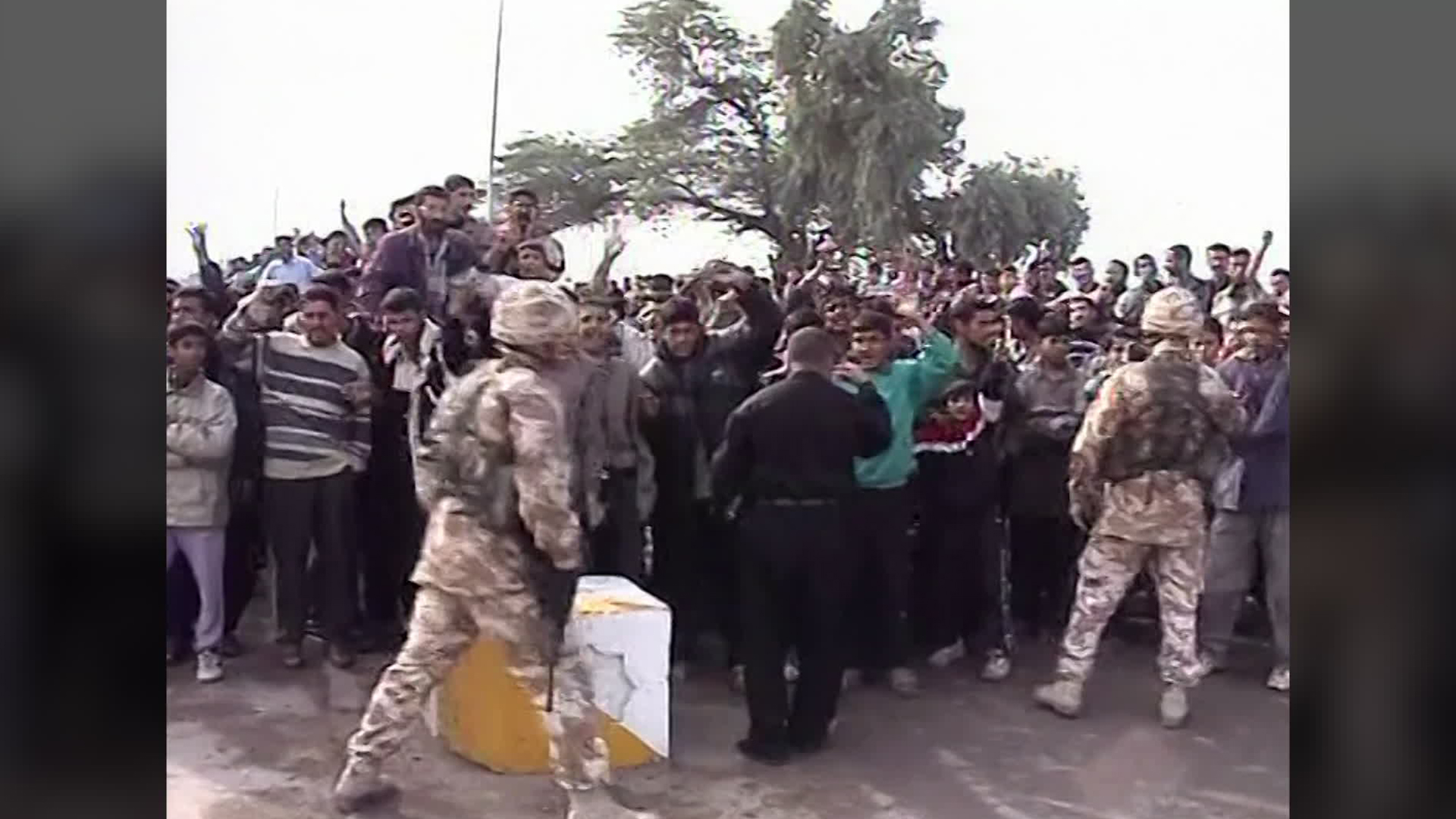
In April 2004, as part of Op Telic IV, the 1st Battalion PWRR battle group was deployed to the Iraqi city of Al Amarah during a time when coalition forces were facing increasing hostility.
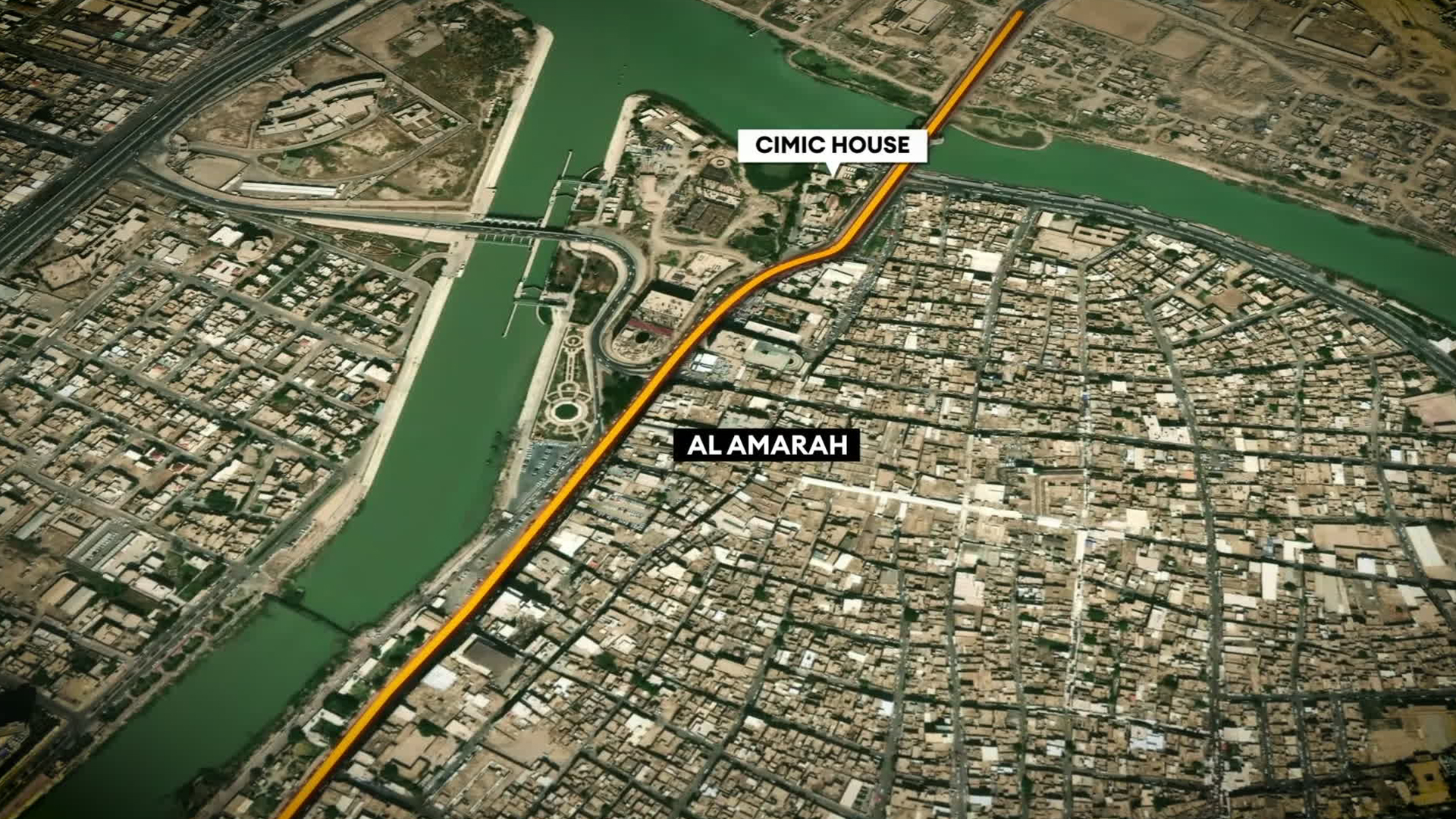
The size of Liverpool, it was strategically located north of Basra, the epicentre of the British-controlled sector in southern Iraq.
As Nick Tharasathar, Y Coy's second in command during the siege, pointed out: "If you control the highway that comes through Al Amarah and all the way down to Basra you can dominate southern Iraq."
It was just over a year after the invasion of Iraq and the security situation across the country had deteriorated sharply. Lack of strategic post-war planning and resources by the US-led coalition had inflamed local hostility and it was in this volatile situation 1 PWRR found itself.
Y Company, commanded by Major Justin Featherstone, took control of CIMIC (Civil and Military Co-operation) House several kilometres from the battle group's HQ in Camp Abu Naji. The house was the former home of the local Iraqi governor of the region.
"Maysan province is the home of the Marsh Arabs," Maj Featherstone explained. "These were for many people highly honourable freedom fighters fighting for what the thought was right, having believed that an expectation following occupation wasn't met.
"And unlike us, they don't go to the media to give their feedback, they pick up an AK-47 and RPG."
The battle begins
The company's remit was to rebuild ties with the local population and restore stability. But as soon as they deployed at CIMIC House on 18 April, they came under ferocious attack. For the next four months, the compound gradually became the scene of intense urban fighting.
By the beginning of August, a full-scale insurgency led by the Mahdi Army, a Shia Iraqi militia, had erupted. The defenders of CIMIC House, around 90 soldiers and six Iraqi police officers, were heavily outnumbered by hundreds of militants.
On 4 August, Private Chris Rayment was killed in a tragic accident at the base. The following day, within hours of his memorial service and with little time to grieve, the patrol base was besieged.
Nineteen mortar rounds landed in just 42 minutes. The Battle of CIMIC House had begun.
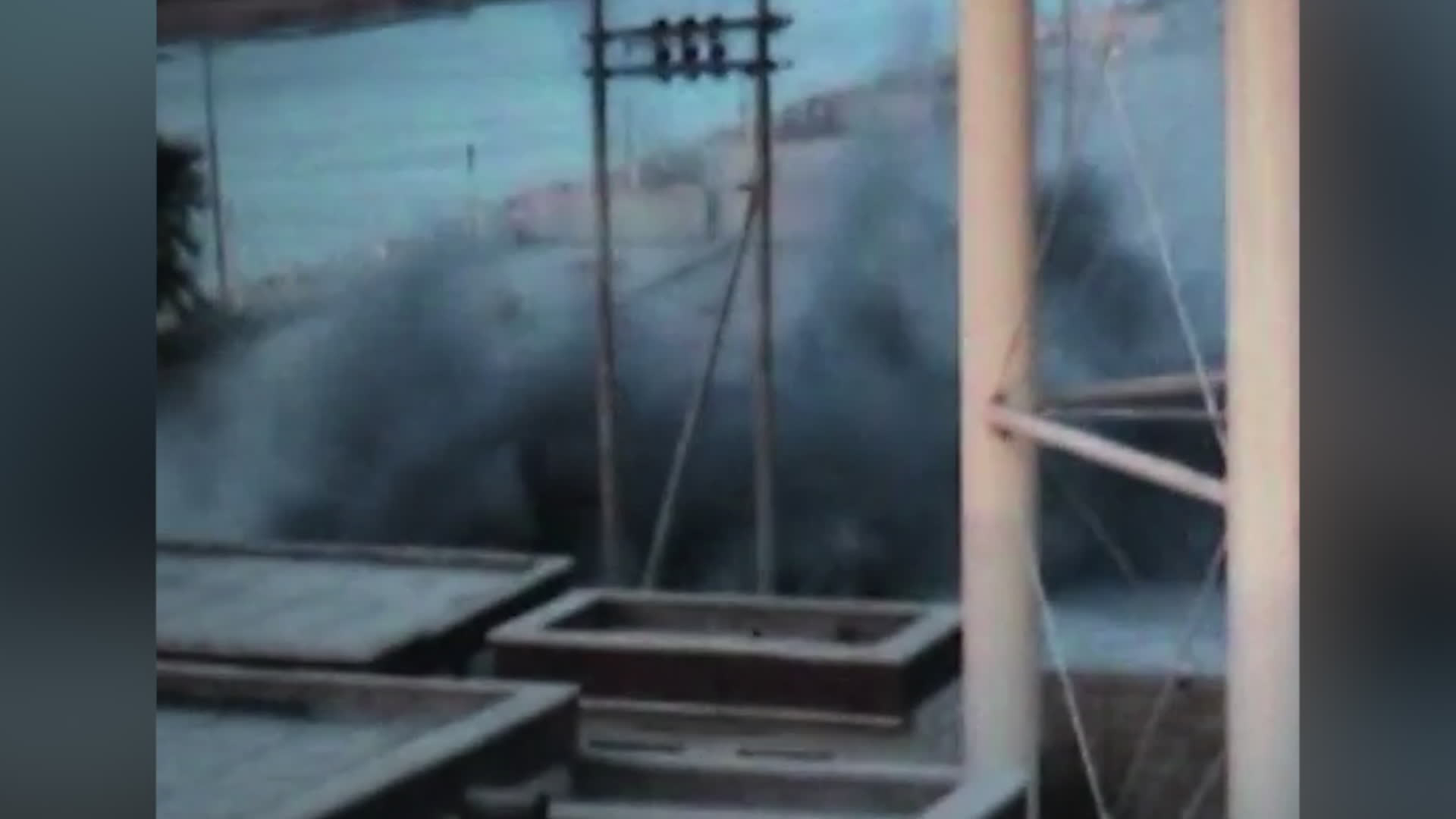
In a relentless assault, insurgents with rocket-propelled grenades, machine guns and mortars fired from nearby streets, alleyways and rooftops. The attackers believed they could overwhelm the small British position.
But the defenders had other ideas. Every man inside the building understood the significance of the position. CIMIC House was not about to fall into enemy hands, and the defenders stood their ground.
A choice to be made
Ben Powell was the youngest soldier in the company. "We had two clear options during the defence of CIMIC House," he explained. "We defend ourselves or we be overrun."
Adam Somers, a sniper, described the emotional intensity of close combat. "You know they say the closer to death you are the more alive you are?" he said.
"I've never felt more alive in all my life. Every time you were in a firefight the euphoria was amazing."
The 1 PWRR battle group was located 9km away in Camp Abu Naji and resupply was difficult and dangerous.
Ben Powell was in the ops room when he overheard news of a failed resupply from the Commanding Officer who commiserated with their predicament.
"When he used those words, he summed it up perfectly. But as they came out his mouth, I started to feel more vulnerable and more isolated than I ever felt in my life," he said.
Caught on camcorder
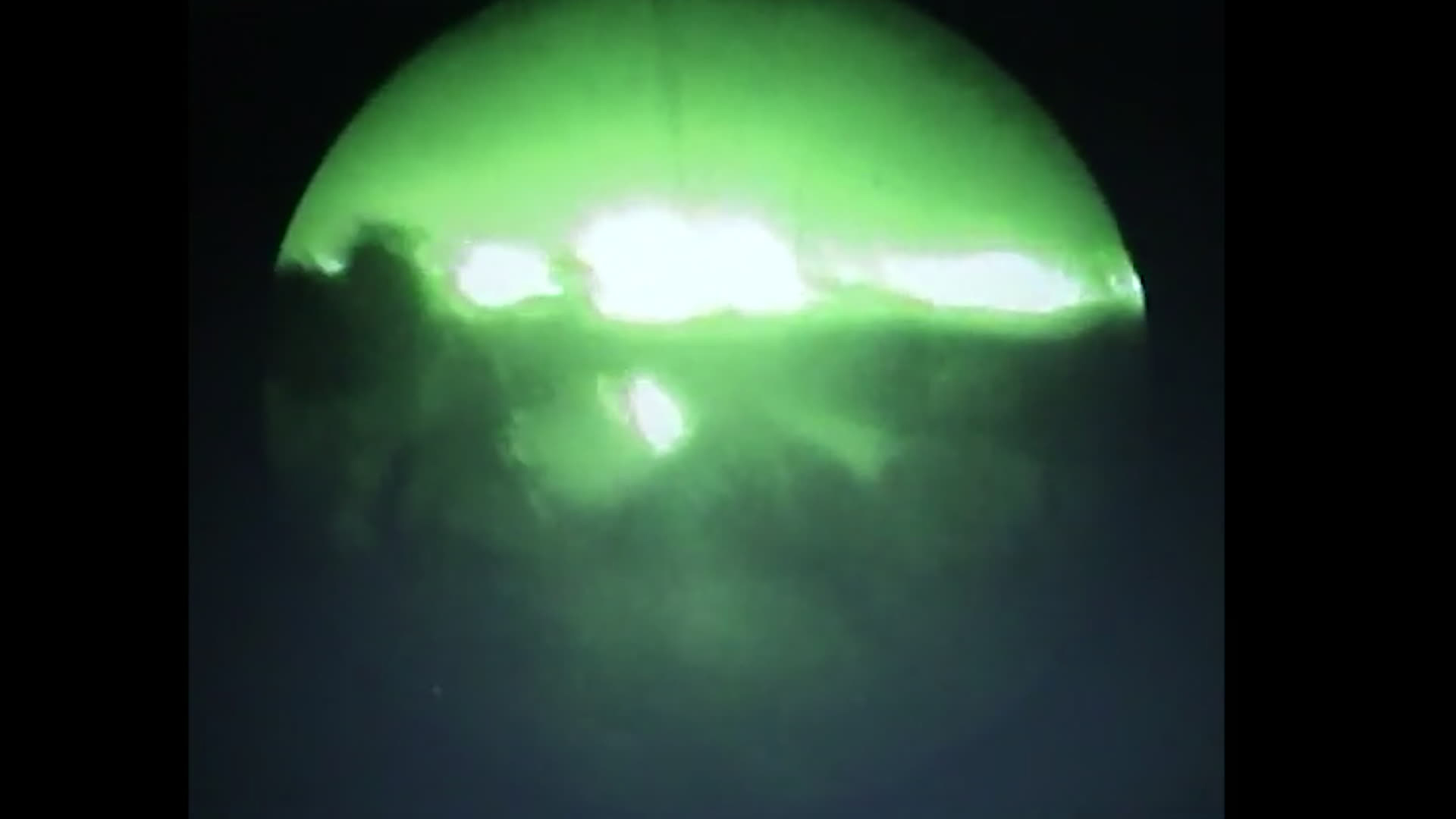
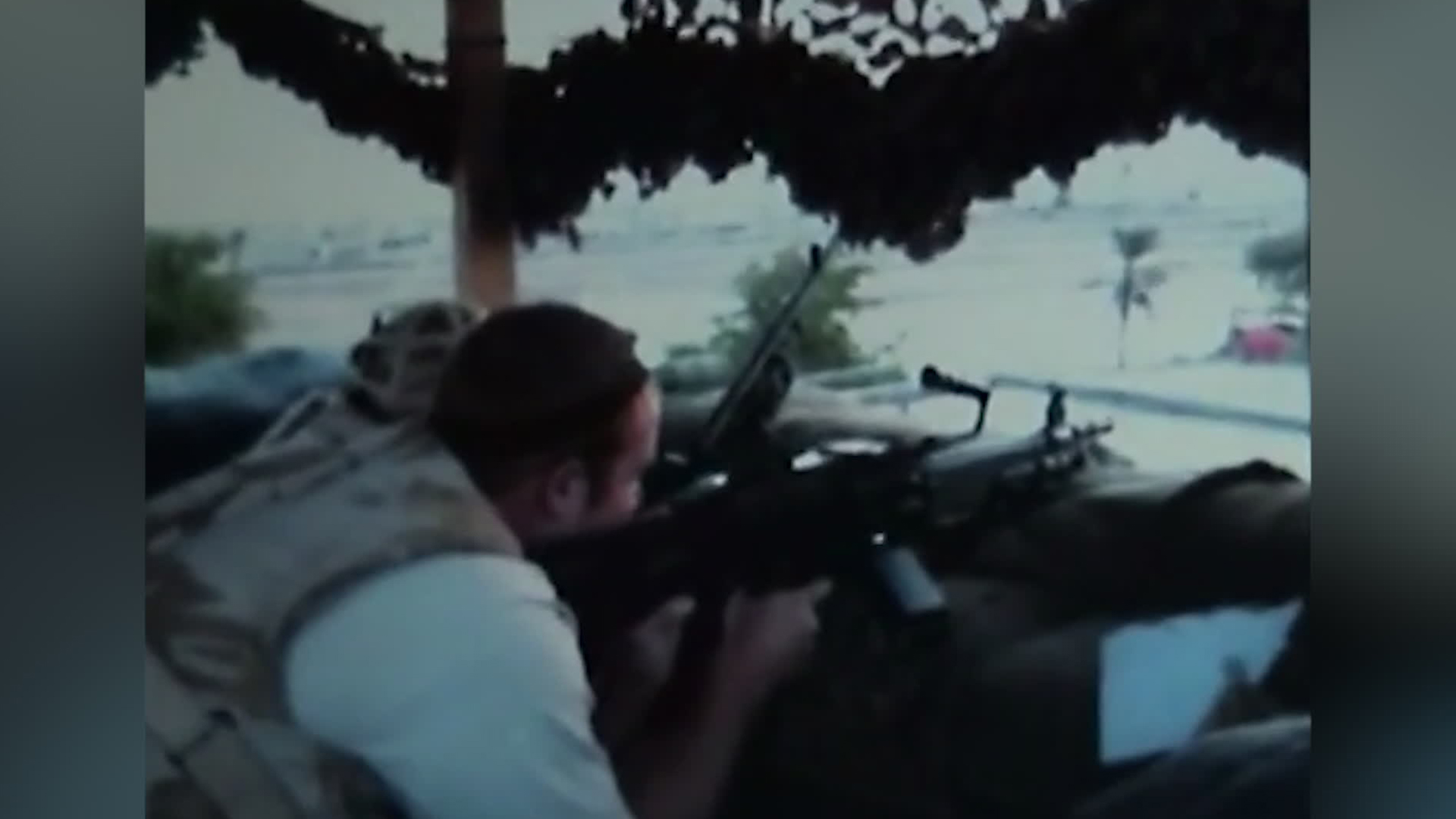
Filming the firefights on home video cameras was one of the more extraordinary stories to emerge from the battle.
Gunshots, shouting, explosions and smoke were all caught on camera. At the time, GoPros were rarities and iPhones had yet to be invented.
War footage was mainly filmed by the Army's Combat Camera Teams. But the troops had their own ideas and purchased camcorders before deploying.
Adam, who helped film the combat, said: "With the whole footage and that, I knew we were making history out there. I knew that CIMIC House would be talked about for years."
We fought them to a standstill
At times, the company included elements from The Royal Welch Fusiliers, The Queen's Royal Lancers and The 52nd Lowland Regiment.
Several Iraqi police and civilians stayed within its walls and offered support for the entire deployment. Armoured vehicles from Abu Nai managed to reach and resupply the base. And on occasion, the besieged soldiers could call in air support.
But for the most part, the soldiers of Y Company were on their own.
Yet despite the onslaught, the company held its ground and on 28 August the siege came to an end.
Over 23 days, CIMIC House had taken 595 incoming mortar rounds and 57 rocket-propelled grenades. Its soldiers had fought off almost 86 enemy ground assaults. And in defence of their small patrol base, they had fired 33,000 rounds.
The Mahdi Amry had failed to take CIMIC House and for the OC, Justin Featherstone, the reason for their failure was clear.
"We fought them to a standstill," he said. "We fought them to the point that they had no meaningful combat capacity left. They couldn't go on and so they stopped."
Nick Thasarathar remembers it simply, adding: "It ended very suddenly. After 23 days of this, suddenly the birds started singing."
Related topics
Join Our Newsletter