126-year-old Boer War Cadbury chocolate tin sells for £520 after surviving with original bar inside
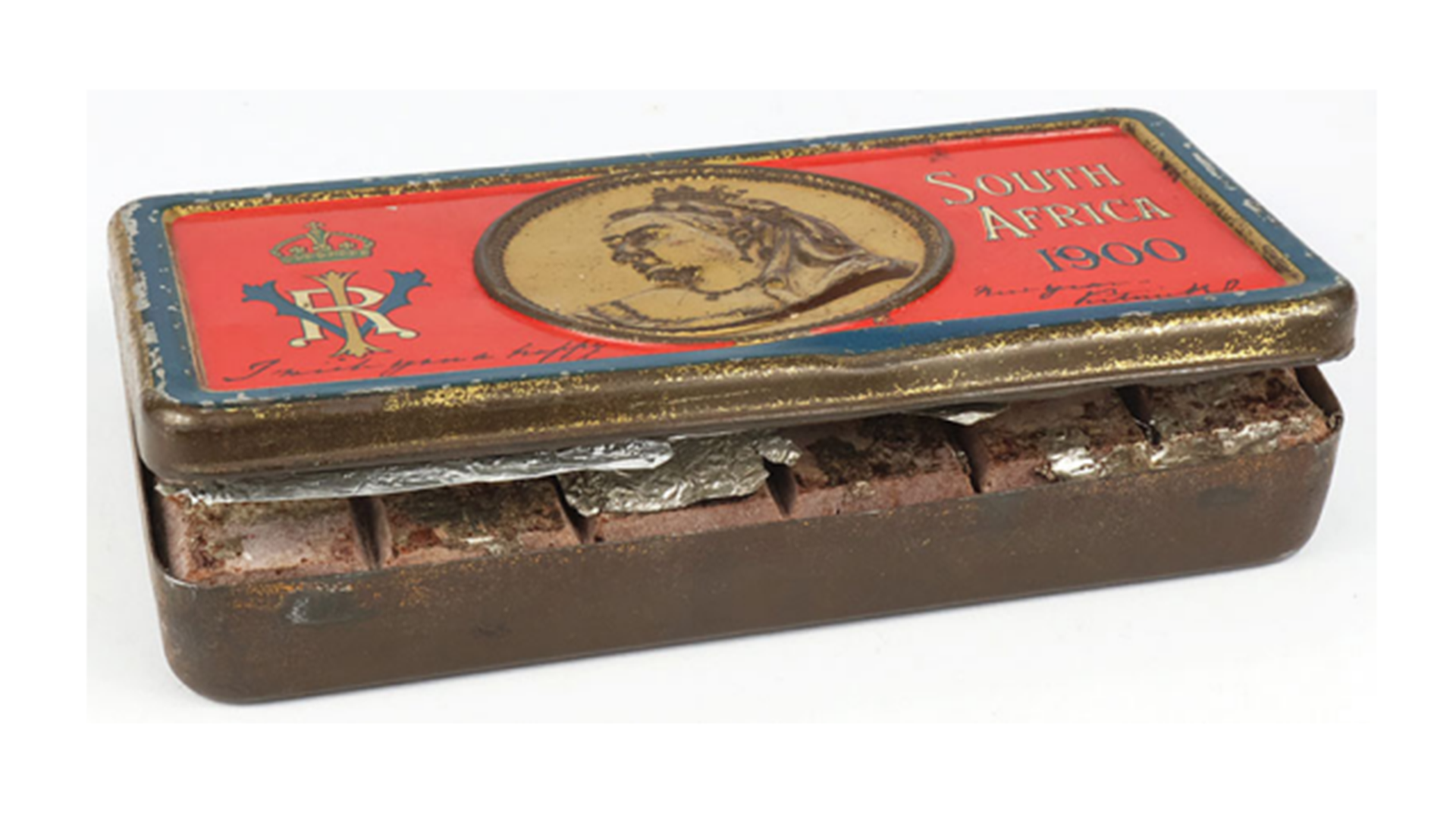
A 126-year-old Cadbury chocolate tin sent to British troops during the Boer War has sold for £520 with its original chocolate still inside.
The tin dated 1900 went under the hammer at Lockdales' Medals, Militaria & Weapons auction, selling well above its £240 top estimate.
The lot was described as "very scarce" and came with a warning to handle it with care.
- First World War sniper's medals beat estimate five-fold at auction, selling for £28,800
- The 300-year-old rule that maintains the legality of Britain's Armed Forces
- Is this Christmas pudding sent to sailors fighting in the Boer War the oldest in the world?
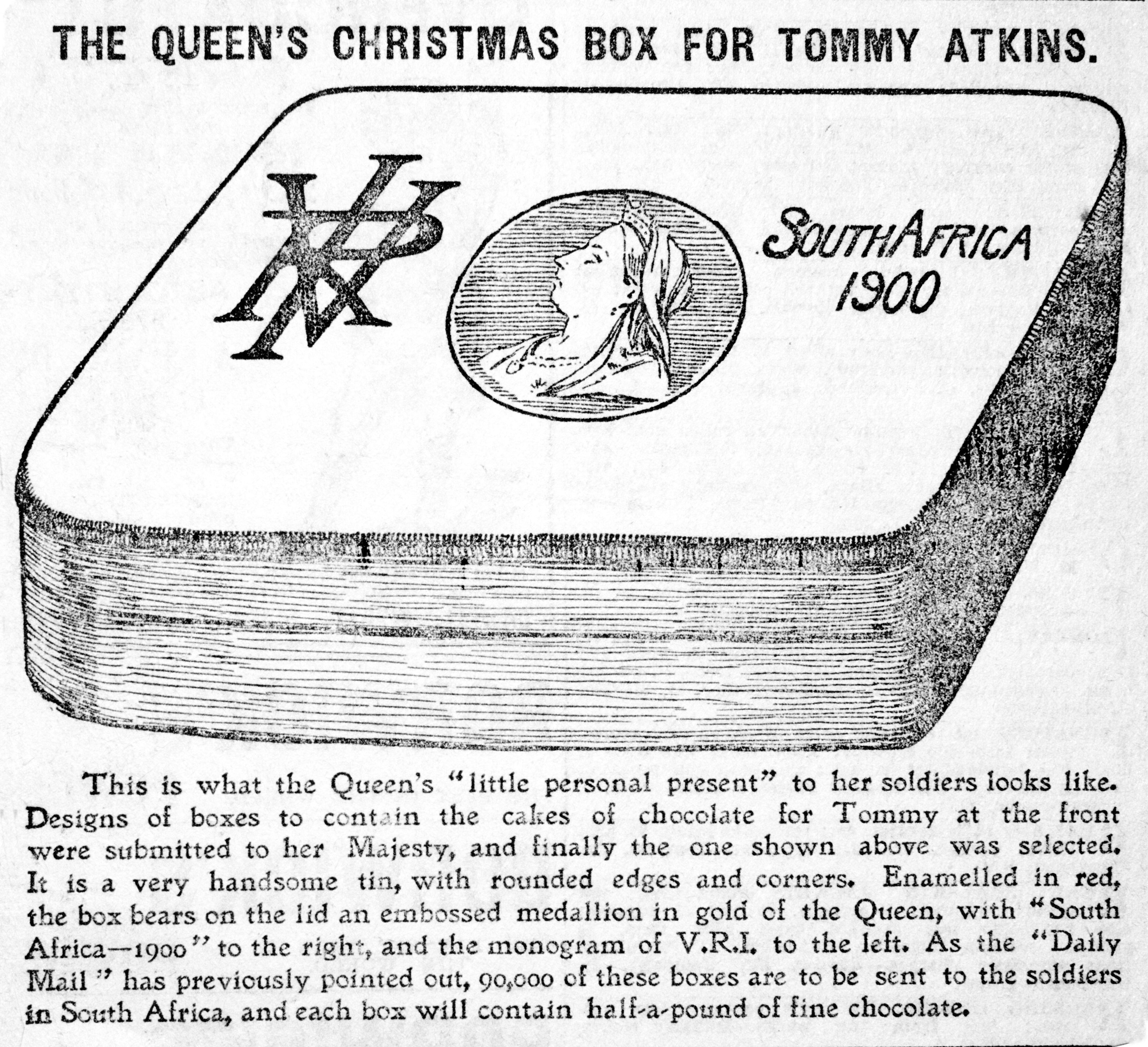
The tin was part of a New Year's gift from Queen Victoria to troops serving in South Africa during the Second Boer War.
Each tin carried the words "South Africa 1900", the royal cypher and a portrait of the Queen. The message inside was written in her hand: "I wish you a happy New Year."
The order was large enough to produce one of the more recognisable souvenirs of the campaign. By the end of 1900, 123,000 tins had been made.
They were intended for every soldier and officer serving in South Africa, each containing half a pound of vanilla chocolate. The rounded corners made the tins easier to store in a soldier's knapsack.
The Quaker chocolate makers
For the chocolate, the Crown turned to the great British makers of the day: Cadbury, Fry and Rowntree.
The three firms were Quaker-owned, and their owners' faith was rooted in pacifism. They were being asked to supply a royal gift for men fighting an imperial war.
The companies feared being seen to profit from the conflict, but also feared the reputational damage of refusing a request made for Queen Victoria's troops.
They supplied the chocolate for free and initially avoided putting their names on the tins.
Victoria objected to that anonymity, as she wanted the soldiers to know the chocolate had come from British makers. The firms complied.
The war behind the souvenir
The soldiers who received the tins were fighting the Boers, Afrikaans-speaking descendants of Dutch, German and French Huguenot settlers in southern Africa.
By the late 19th century, the two Boers were trying to preserve their independence against British imperial pressure.
Tensions were sharpened by the discovery of gold in the Transvaal and disputes over the rights of English-speaking settlers who had moved into the gold fields.
At home, the war first stirred patriotic support, but that confidence was shaken by early British defeats and later by the conduct of the campaign.
After British forces occupied the Boer republics, the war became a guerrilla conflict. Boer commandos used local knowledge and support from rural communities to keep fighting.
British commanders responded by burning farms, destroying crops and moving civilians into concentration camps to cut the fighters off from food, shelter and intelligence.
Many Boer women and children died in the camps from disease, overcrowding and poor sanitation.
Reports of the camps caused outrage in Britain, and the war became increasingly divisive at home.
Other auction highlights
Lockdales' 509-lot auction realised £100,333, including premium.
Other highlights included a first-pattern Fairbairn-Sykes fighting knife, which sold for £2,100, a Battle of Culloden sword at £1,400 and an Army of India Medal with Ava clasp, which sold for £4,200.
The sale also included prisoner-of-war ephemera, medals from Waterloo onwards and wartime Luftwaffe badges.
Join Our Newsletter