Strait of Hormuz disruption is sign of polycrisis arriving sooner than expected, top risk analyst says
A so-called polycrisis could be coming sooner than expected as global adversaries seek to take advantage of one another's unpreparedness.
That's according to Justin Crump, chief executive of intelligence and risk consultancy Sibylline, who spoke with BFBS Sitrep presenter Kate Gerbeau on this week's Sitrep podcast.
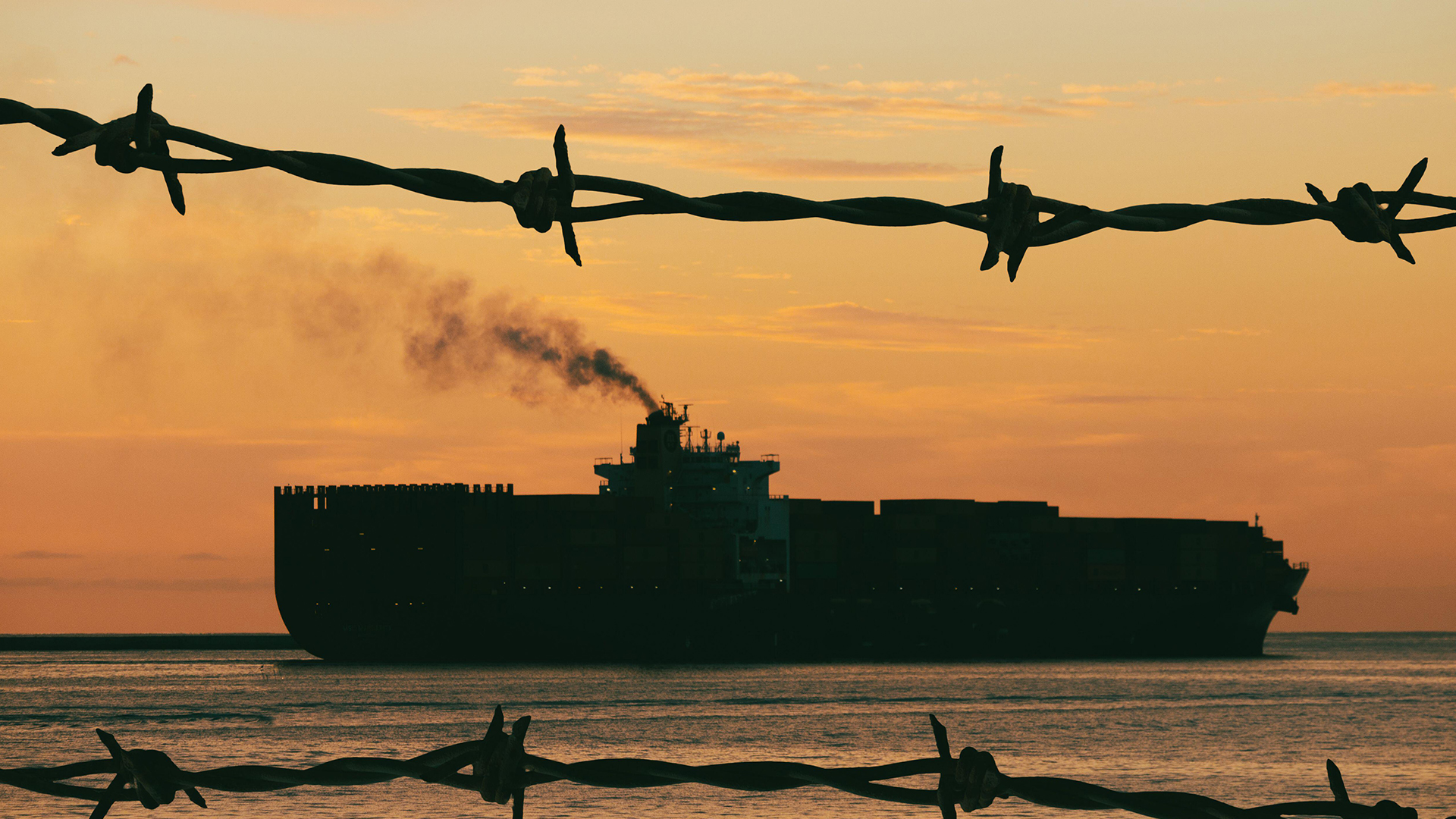
Mr Crump was discussing his Polycrisis 2027 report, which set out six crises he originally predicted could link up next year. However, he said one warning sign has already appeared earlier than expected: Iran’s ability to disrupt shipping through the Strait of Hormuz, one of the world’s most important oil and gas routes.
Mr Crump said 2027 had originally been the predicted inflection point for a polycrisis to begin because it is widely treated in defence planning as a point when China is expected to be ready for a Taiwan operation, and because US planning has clustered around the same window.
However, the US operation against Iran has prompted earlier knock-on economic impacts, such as the shock to oil prices prompted by Iran's disruption to energy shipping routes in the Strait of Hormuz.
This could factor into military planning timelines for players seeking to take advantage of the instability. "If we move now, it's a time of maximum advantage, not readiness," he told Sitrep.
"When do we have the biggest advantage over our adversaries that we can pursue our objectives and they can't do anything about it? That's the underlying theme to all of this."
Defence spending in the spotlight
Even prior to this nascent conflict in the Gulf, increasingly urgent signs of global instability had prompted calls for Britain to go further and faster in increasing defence spending or risk leaving itself militarily exposed.
The UK has committed to raise defence spending to 2.5% of GDP from April 2027, although Prime Minister Sir Keir Starmer has signalled a desire to increase this figure to 3% in the next parliament.
Nato member states have gone further, committing to spending a newer benchmark of 5% of GDP on defence, split between 3.5% on core defence and 1.5% on wider security and resilience, by 2035.
Russia, meanwhile, has been assessed as spending 7.3% of GDP on defence in 2025.
According to Mr Crump's report, Europe's "warfighting capabilities are so low that there are credible doubts that its militaries would be able to confront the Russians in the short to medium-term without substantial US support".
Working towards raising spending in the late 2020s and mid 2030s risks leaving gaps right now, while also signalling to adversaries that Western capabilities are on a long path to improvement.
Mr Crump also said the danger of fixing on 2027 is that it can create its own momentum.
If multiple countries prepare around the same date, he argued, the incentive grows to act earlier, when opponents and alliances are still building capacity.
He described that as the logic running through the polycrisis concept: several shocks landing close together, feeding into each other, and narrowing the time available for governments to respond.
You can listen to Sitrep wherever you get your podcasts, including on the BFBS Forces News YouTube channel.
Join Our Newsletter