AI, nuclear weapons and how machines could help us make a bad decision, really quickly
As artificial intelligence tightens its grip on the information passing through military-grade equipment, experts have raised concern over its potential influence in the nuclear weapons decision making process.
Many of us will have asked an AI system to find an answer for us – letting it draw on mountains of data to quickly reach a conclusion.
Sometimes, when there isn't sufficient information available, it will fill in the blanks – or hallucinate.
While that may be annoying in everyday situations, in defence the consequences would be far more serious.
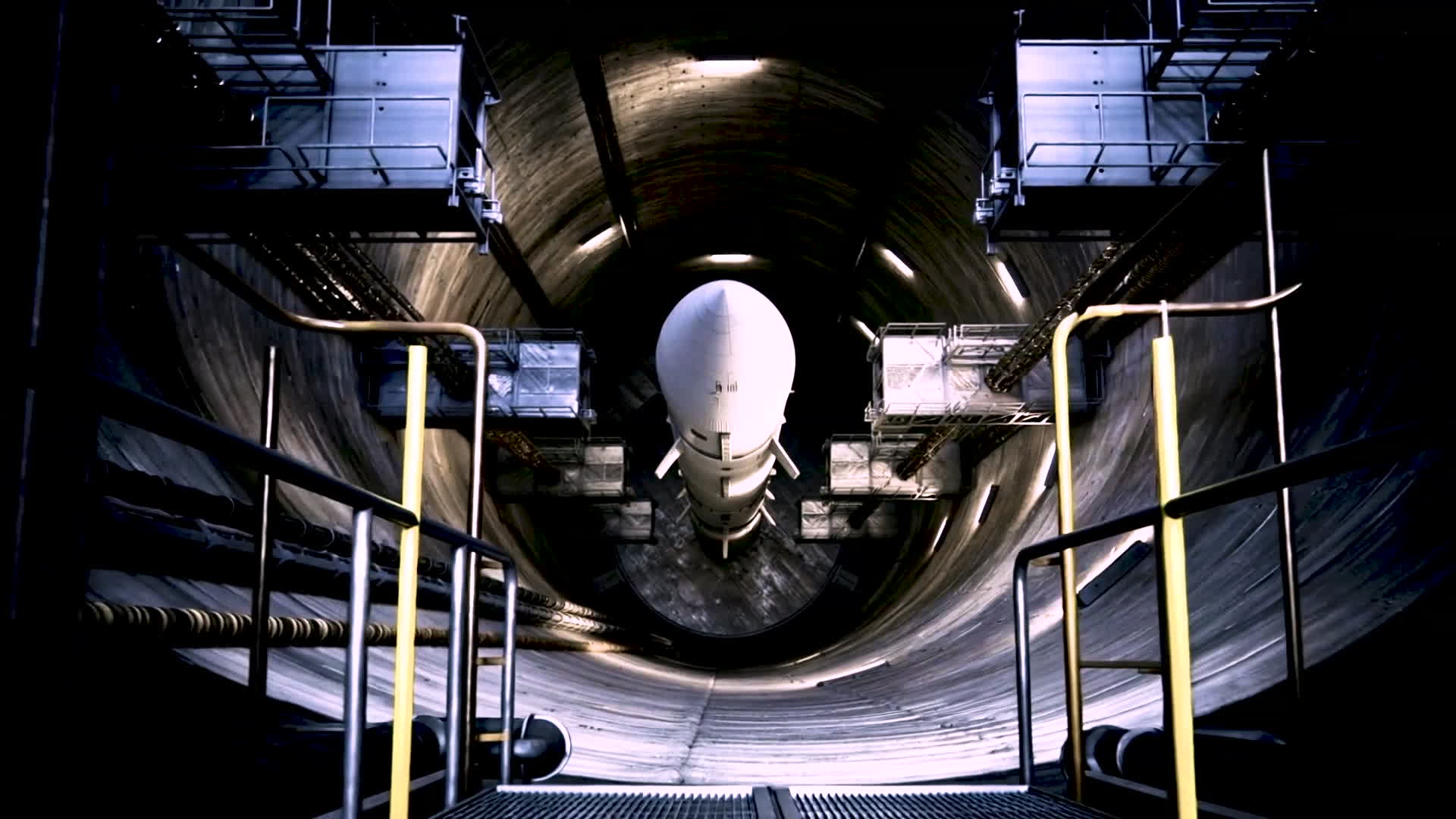
A 'hallucination' involving systems looking out for incoming missile threats could prod the first in a line of dominoes leading to an international crisis, experts fear.
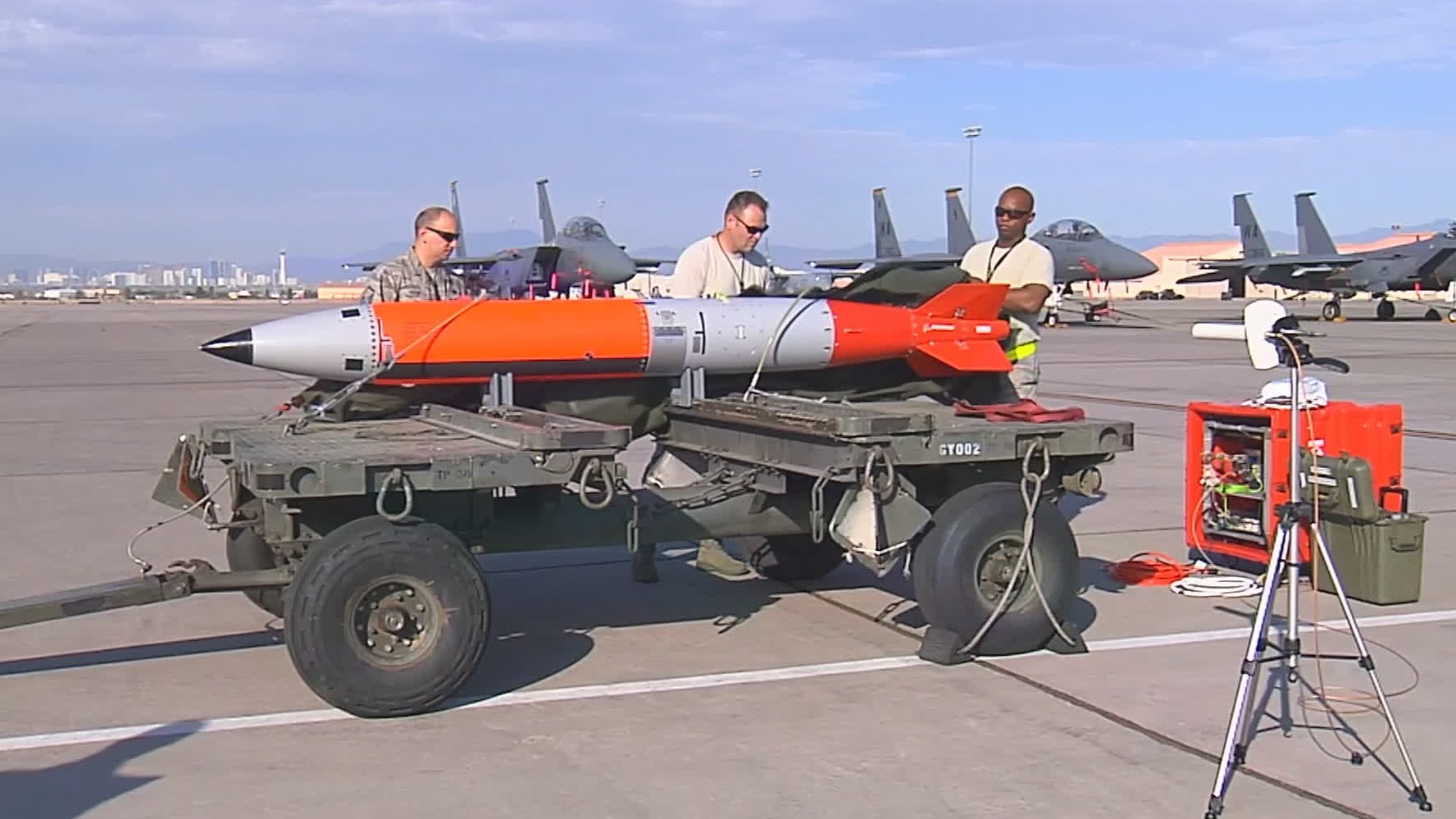
If the US, for example, believes there's an incoming missile armed with a nuclear warhead, its policy is to respond overwhelmingly, before impact, with its own arsenal.
You'll notice this hasn't happened yet, so there isn't an awful lot of data on it to help AI help us.
Dr Marion Messmer, Director of the International Security Programme at Chatham House explains.
"If we're talking about a hallucination in that context, then it could be that an early warning system shows up a false alert of an incoming missile that's actually not really there… leads to escalation because it falsely suggests that there is a threat when there actually isn't one."
The stakes in a nuclear crisis couldn't be higher.
While its exact involvement within nuclear power states' deterrent systems is confidential – researchers fear it could be difficult to know how AI might have shaped the information humans would use to make final decisions.
The concern isn't machines pushing a big red button, but muddying the waters when information needs to be crystal clear.
Alice Saltini leads projects on AI, nuclear weapons and where they intersect.
As senior research lead at Rhode Island School of Design and senior consultant on AI-Nuclear Policy, Nuclear Threat Initiative, her work informs international policy, which means she has to explain this meeting of worlds to decision-makers.
"Imagine that a president or prime minister still makes the decision, right? But before that decision reaches them, AI has already helped process satellite imagery, fuse intelligence from different sources, assess possible adversaries' intentions, generated a briefing, and perhaps even recommend response options.
"Formally, the human is still in the loop. But how meaningful is that control?" she asks.
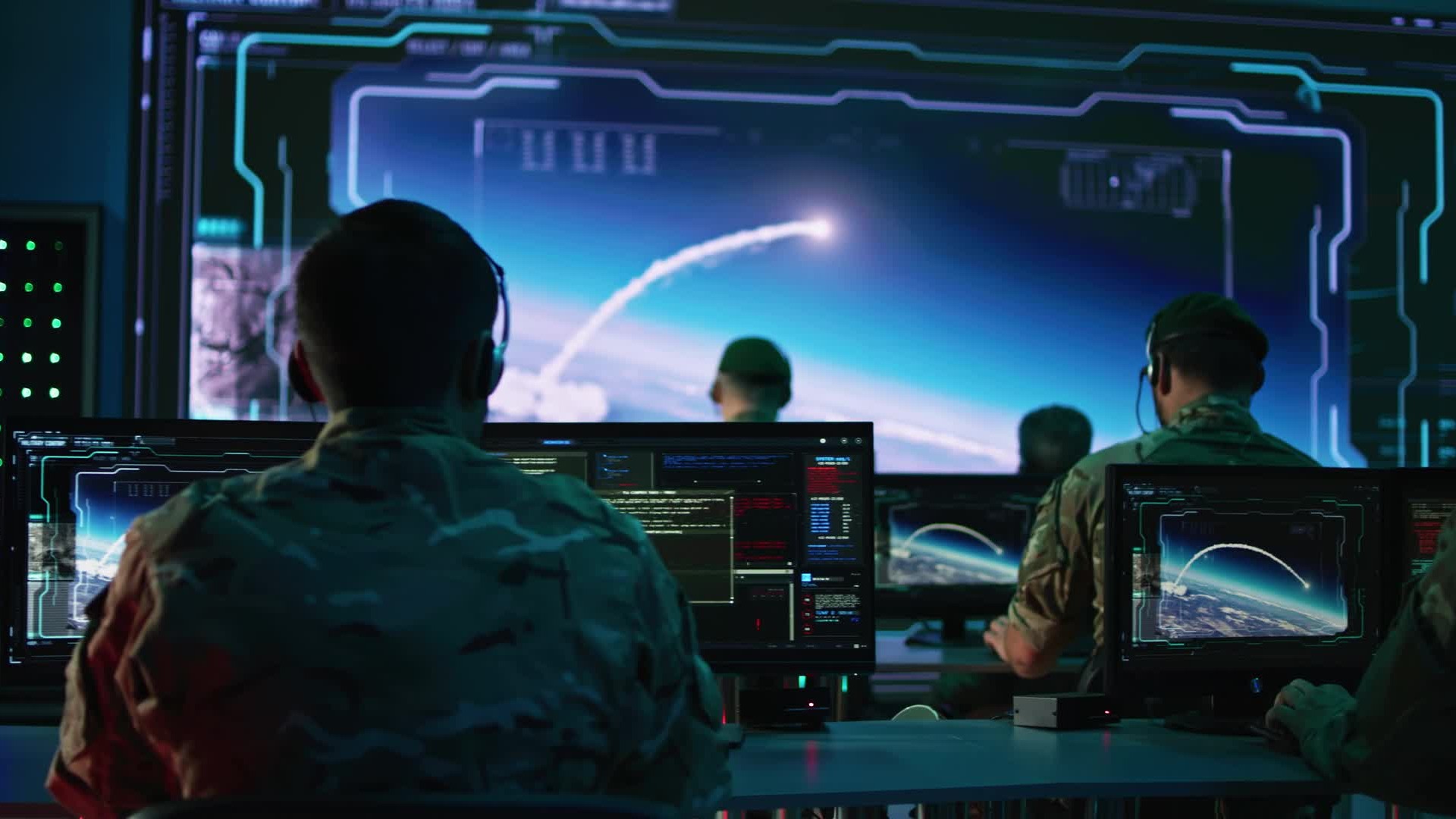
“What happens if AI systems and human analysts disagree? What happens if several AI systems disagree with one another?
"So these questions are, to me, the most important ones right now because the danger may not come from one obvious and reckless decision to automate nuclear command, but it could emerge from a chain of individually reasonable decisions, that collectively produce a more unstable system.
"The leader technically retains authority to reject that recommendation.
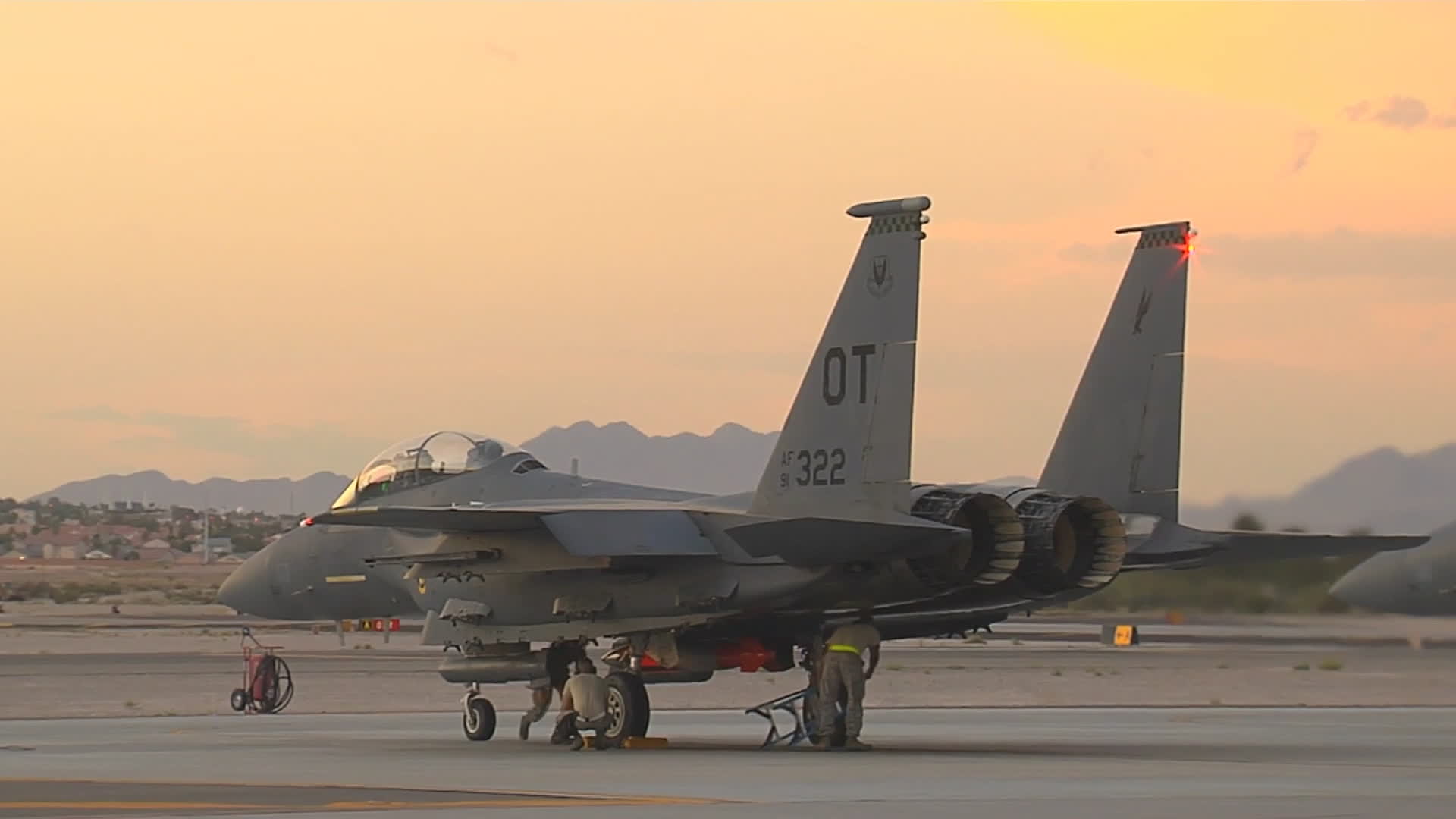
"But now imagine that the leader has minutes to decide, cannot independently process the enormous volume of underlying intelligence, has been told that the system has outperformed the human analysts in many previous exercises, and knows that delaying a response could potentially leave the country's nuclear forces vulnerable.
"Does that human have the time, information, or cognitive independence and even institutional authority necessary to exercise meaningful judgement?"
Stronger incentives to take on risk rather than responsibility in this AI-defence nexus could be felt by less technologically advanced states, researchers fear.
Shortcuts here, or the implementation of AI systems that are less understood could follow – undermining other nations' work to put safeguards in place and plunging them into crises nonetheless.
"My decisions may be shaped by what I believe your AI can do while your decisions are being shaped by what you believe that mine can do," Ms Saltini says.
Very few people know the extent of AI's influence in nuclear decisions. To those who understand the risks, it's vital the control held by people remains meaningful, and not just in the final seconds available.
Related topics
Join Our Newsletter