Churchill's hateful decision: The enduring lessons of naval power from WW2 to today

Author, documentary filmmaker and podcaster Edward Abel Smith's new book A Hateful Decision explores the full story of the British attack on the French navy at Mers-el-Kébir in Alegria on 3 July 1940.
This was an act which Prime Minister Winston Churchill said was "ever more necessary for the life of Britain and for all that depended upon it".
Below, Mr Abel Smith takes a look at how that event from 1940 demonstrates an undeniable truth still prevalent today – naval dominance is essential, not a luxury.
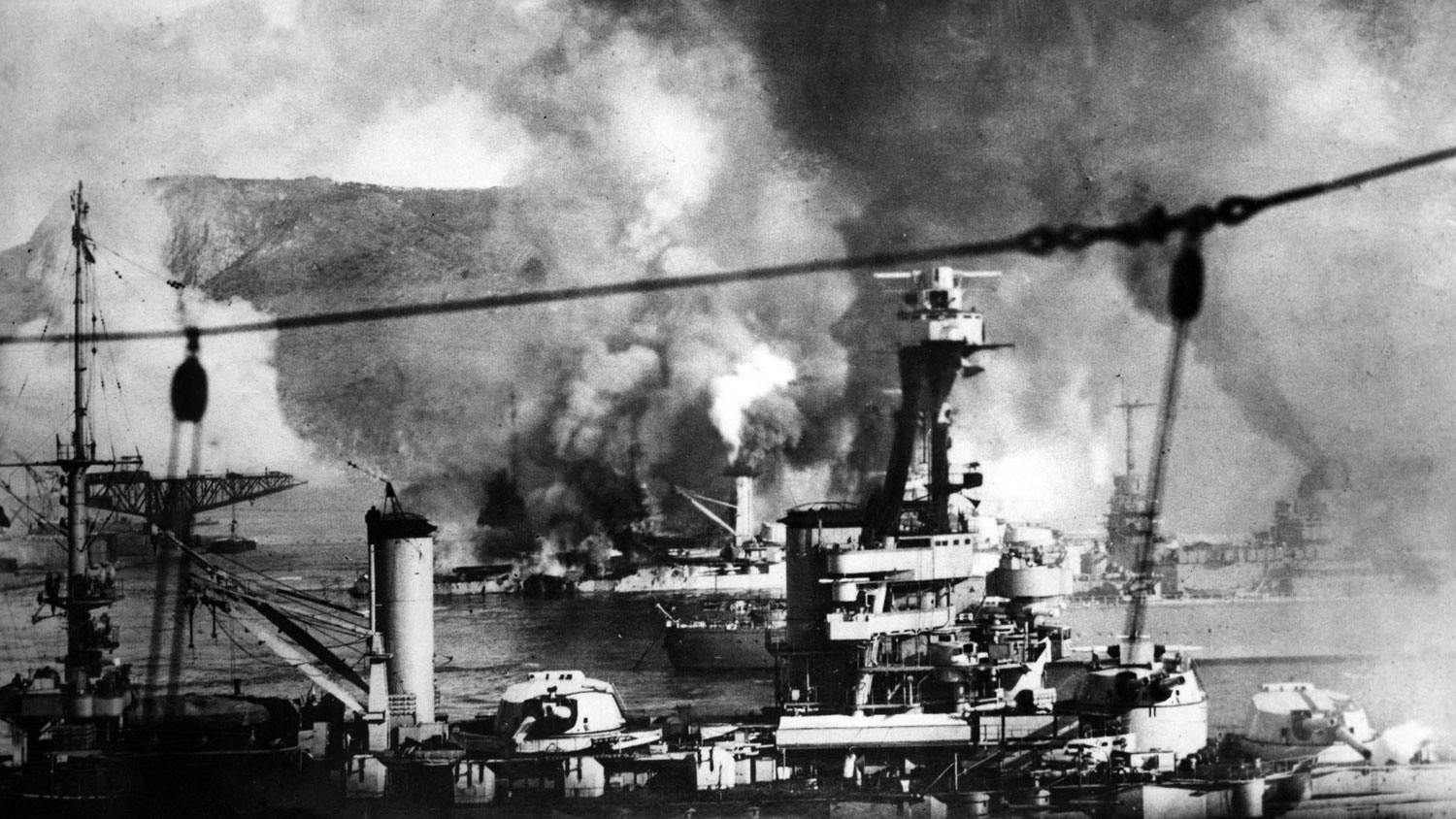
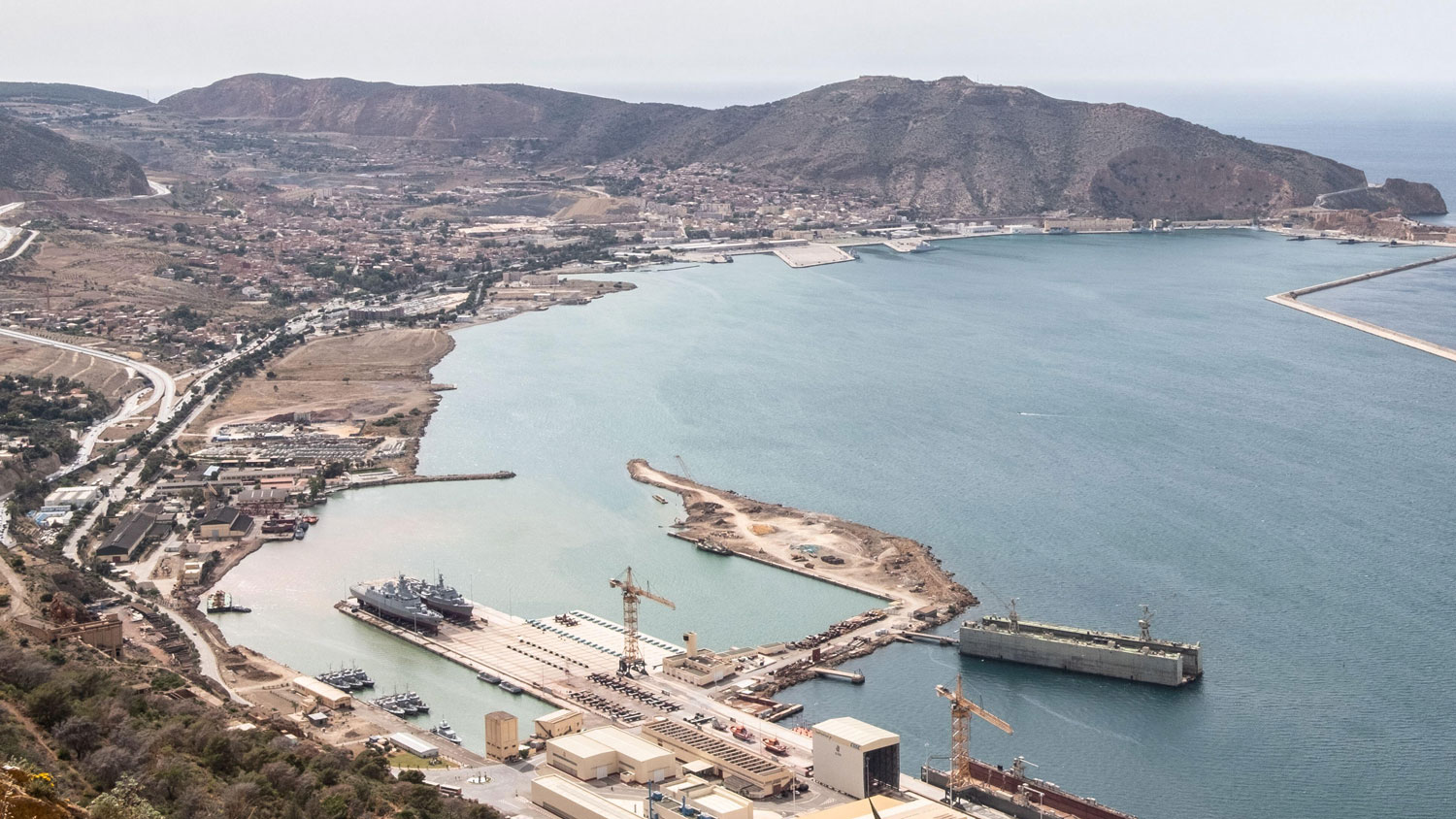
On 3 July 1940, recently installed Prime Minister Winston Churchill ordered the Royal Navy to open fire on the French fleet at Mers-el-Kébir, Algeria.
In less than 10 minutes, several French warships were destroyed and 1,297 sailors killed.
It was a brutal, agonising decision – one Churchill himself described as "the most unnatural and painful in which I have ever been concerned".
His resolution to attack Britain's closest ally was born out of the fear that French vessels might fall into German hands.
At its core, Churchill's decision was a demonstration of a calculation that naval commanders have understood for centuries: as the great American naval strategist Alfred Thayer Mahan wrote, "Whoever rules the waves, rules the world."
Eighty-five years on, that calculation has not changed.
The weapons have become more advanced. The theatres have shifted. And the nature of the threat looks very different.
But the underlying truth that Churchill grasped in 1940 – that naval power is not one element of national security among many, but its lynchpin – remains as relevant today as it was in the summer of 1940 when Britain stood alone.
To understand what was at stake at Mers-el-Kébir, it is important to appreciate the dire position Britain was in.
France had fallen. Italy had entered the war. The RAF had around 650 serviceable aircraft against the Luftwaffe's 2,500.
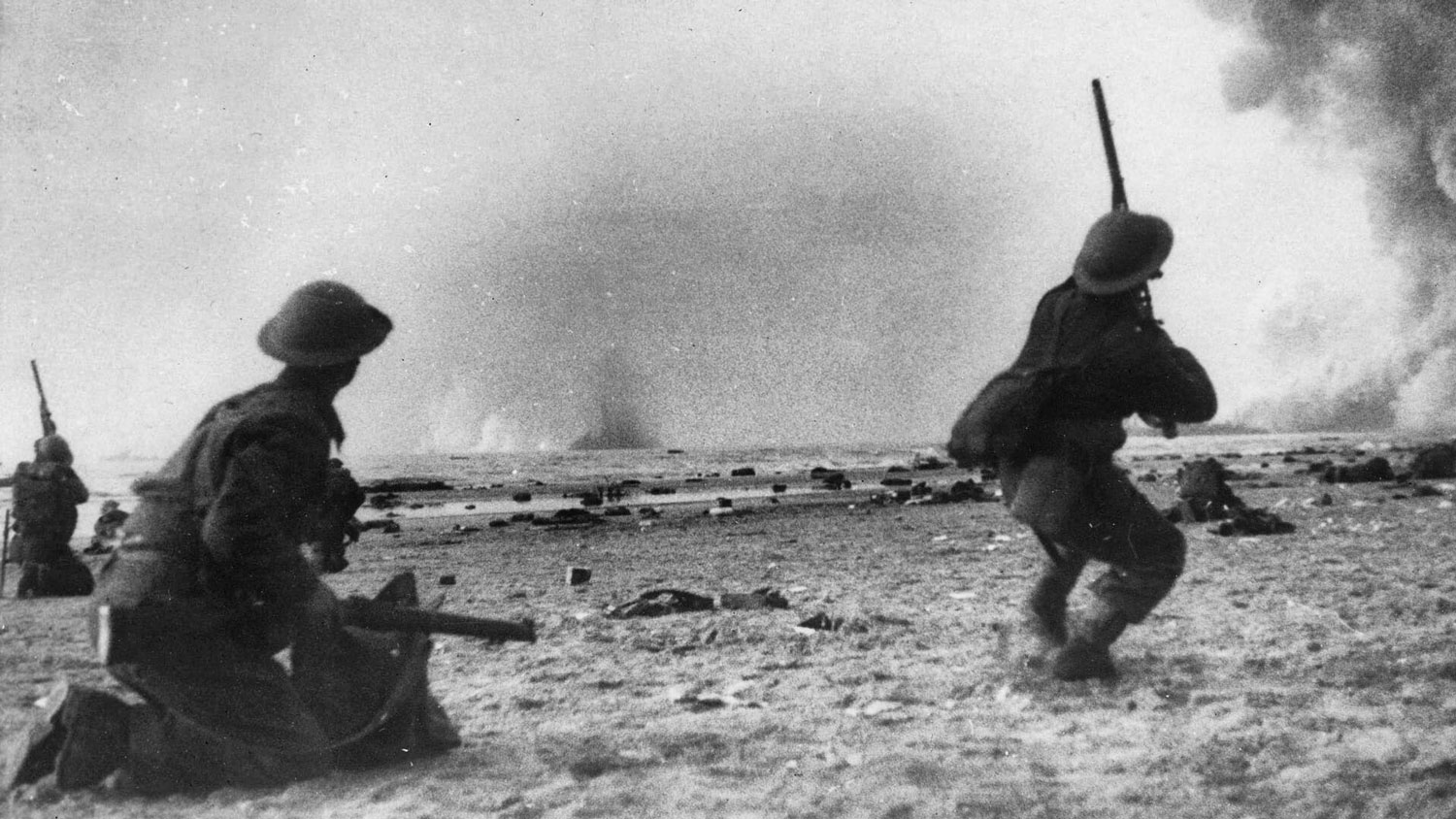
Britain's ability to fight a land war, after the catastrophic losses of equipment at Dunkirk, was effectively finished.
The one military advantage Churchill retained was the Royal Navy – and through it, control of the Atlantic shipping lanes on which Britain depended for food, fuel and war materials.
France had the fourth-largest navy in the world – 800,000 tons of warships including seven battleships, 71 destroyers and 77 submarines.
Germany's navy, the Kriegsmarine, was, by contrast, relatively modest – one of Hitler's few genuine weaknesses at that point.
As France negotiated peace terms with Germany, the prospect of those vessels – in particular some of their mighty battleships harboured at Mers-el-Kébir – passing into enemy hands was, for Churchill, existential.
Not only because of the direct military impact, but because of the lifeline of goods being imported to Britain.
It was not a question of tactics or theatre. It was a question of survival.
Franklin D Roosevelt understood it too.
For all Churchill's soaring rhetoric about fighting on and never surrendering, the American president had remained privately uncertain that Britain would hold.
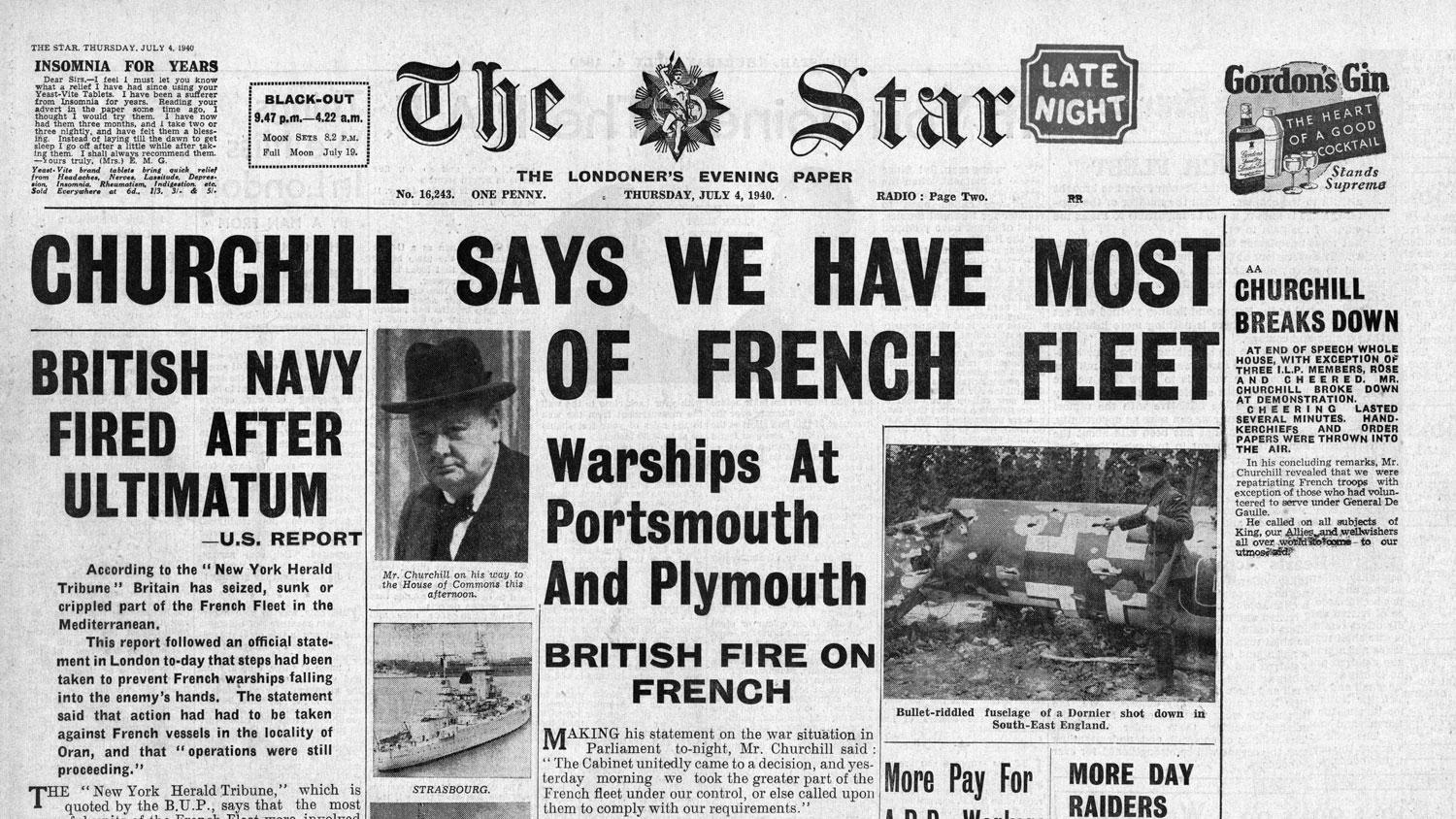
It was Britain's decisive actions at Mers-el-Kébir – the willingness to destroy an ally's fleet rather than risk it falling to the enemy – that convinced him.
As one of Roosevelt's closest advisors, Harry Hopkins, later confirmed, it was that attack which persuaded the president that Britain would fight on.
The Destroyers for Bases Agreement – exchanging 50 US naval destroyers with Britain for the use of naval and air bases in eight British possessions – quickly followed.
Then the 1941 Lend-Lease Act allowed the US to lend or lease war supplies to any nation considered vital to the defence of the United States.
The road to American involvement in the war ran, in no small part, through the harbour at Mers-el-Kébir.
The lesson is not simply that naval power matters. It is that the credible willingness to use it matters.
A fleet that exists but will not – or cannot – act offers no deterrence and alters no calculations.
That lesson has lost none of its potency.
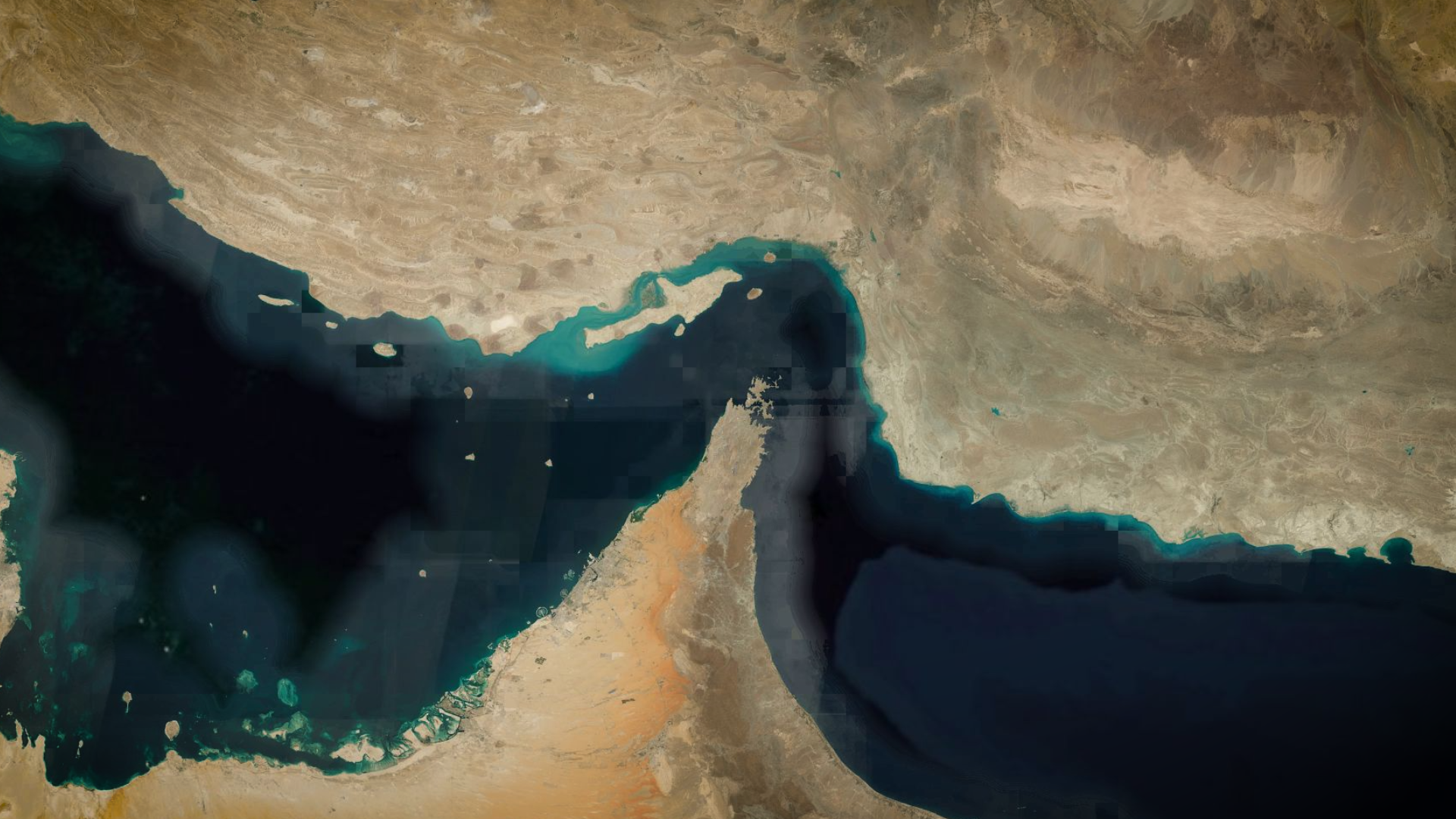
In recent years, the United States Navy has rotated multiple carrier strike groups through the Gulf and Red Sea in direct response to Iranian provocations and Houthi attacks on commercial shipping.
The message carried by a carrier strike group – with its aircraft, its escorts, its reach and its firepower – is not delivered in diplomatic communiqués.
It is delivered by presence. By the simple, unmistakable fact of being there.
The Strait of Hormuz, through which roughly a fifth of the world's oil supply passes, remains one of the most strategically critical chokepoints on earth.
Iran's ability to threaten that strait – through mines, fast attack craft, submarines and missiles – is a direct descendant of the same strategic calculus Churchill was working through in 1940.
Control the water. Control what moves through it.
Drone warfare and cyber operations have added new dimensions to modern conflict - and their importance should not be understated.
But they have not replaced the fundamental need to secure sea lanes, protect supply chains and project power over water.
The wars of the 21st century have been fought increasingly in the grey zone – below the threshold of open conflict, in the realm of disruption and deniability.
Naval power operates in that grey zone too, and does so in ways that no other instrument of national power can replicate.
Churchill's Navy in 1940 comprised of more than 300 surface vessels, including 15 battleships and battlecruisers, seven aircraft carriers, 66 cruisers and 164 destroyers.
It was the most powerful fleet in the world – the instrument through which Britain had maintained its global reach and influence for two centuries.
The Royal Navy today operates, by any historical measure, as a significantly reduced force – one that functions under considerable pressure in terms of personnel, readiness and resources.
Churchill's decision at Mers-el-Kébir prompts a simple question: is a nation's naval capability proportionate to its strategic ambitions and obligations?
Is the fleet sufficient not just to defend home waters, but to influence events beyond them?
In 1940, Churchill's answer was written in fire across the harbour at Mers-el-Kébir.
Naval power, he understood, was not a luxury or a symbol.
It was the difference between having options and having none.
That truth has not aged.
A Hateful Decision – Churchill's Darkest Hour and the British Attack on the French Navy by Edward Abel Smith will be published by Transworld (Penguin Random House) on 4 June 2026.
Join Our Newsletter