What lessons can the British Army's land warfare element learn from Ukraine and history?
The war in Ukraine has now lasted longer than the First World War. As the British Army seeks to build a modern force under significant financial constraints, it is essential that we learn the right lessons from Ukraine without forgetting those from the previous century of conflict.
For the Army, the first lesson is that warfare remains fundamentally human. Technology changes, but many of the challenges we see on the battlefields of Ukraine would be familiar to soldiers at the Somme, Passchendaele or Cambrai.
Much of the fighting in eastern Ukraine resembles the attritional warfare of 1916 and 1917, more closely than the rapid armoured manoeuvre of the 1991 Gulf War.
Yet there are equally important reminders that manoeuvre warfare remains relevant. Just as Cambrai demonstrated the potential of armour to break deadlock, Ukrainian operations in Kursk during 2024 showed that armoured forces can still achieve surprise and operational effect.
In both cases, however, success was ultimately constrained by familiar factors: logistics, sustainment and insufficient combined-arms integration.
Lessons from the past: adapt to survive
History also demonstrates that soldiers adapt faster than procurement systems. During the First World War, tank crews improvised protection against German grenades dropped onto vulnerable parts of their vehicles.
Today, Ukrainian crews employ steel cages and other battlefield modifications to protect against FPV drones. The technology has changed; the requirement for tactical innovation has not.
For the British Army, perhaps the most significant lesson from Ukraine is the importance of adaptation. The Ukrainian armed forces have demonstrated an extraordinary ability to innovate under pressure, rapidly testing ideas and exploiting successful concepts. This culture of adaptation has often proven more valuable than technological superiority alone.
The British Army should pay close attention. Future success will depend not only on equipment programmes but also on our ability to identify and empower innovators throughout the force.
Good ideas do not always emerge from headquarters. They often come from junior commanders, soldiers and specialists closest to the problem.
This brings us to Mission Command, arguably one of the most important lessons from Ukraine. The ability of commanders at every level to exercise initiative, exploit opportunities and make decisions at speed remains a decisive advantage.
In an environment characterised by drones, electronic warfare and constant surveillance, centralised command structures are often too slow to respond effectively.
The tank is not disappearing; it is evolving
The Strategic Defence Review appears to recognise this reality. Its emphasis on "Recce-Strike" concepts reflects the Ukrainian approach of rapidly connecting sensors, decision-makers and shooters. Success on tomorrow's battlefield will depend upon shortening the time between detection and engagement while maintaining freedom of action at the tactical level.
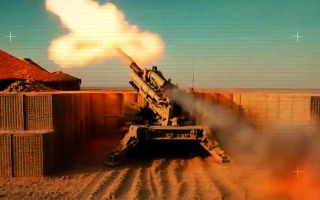
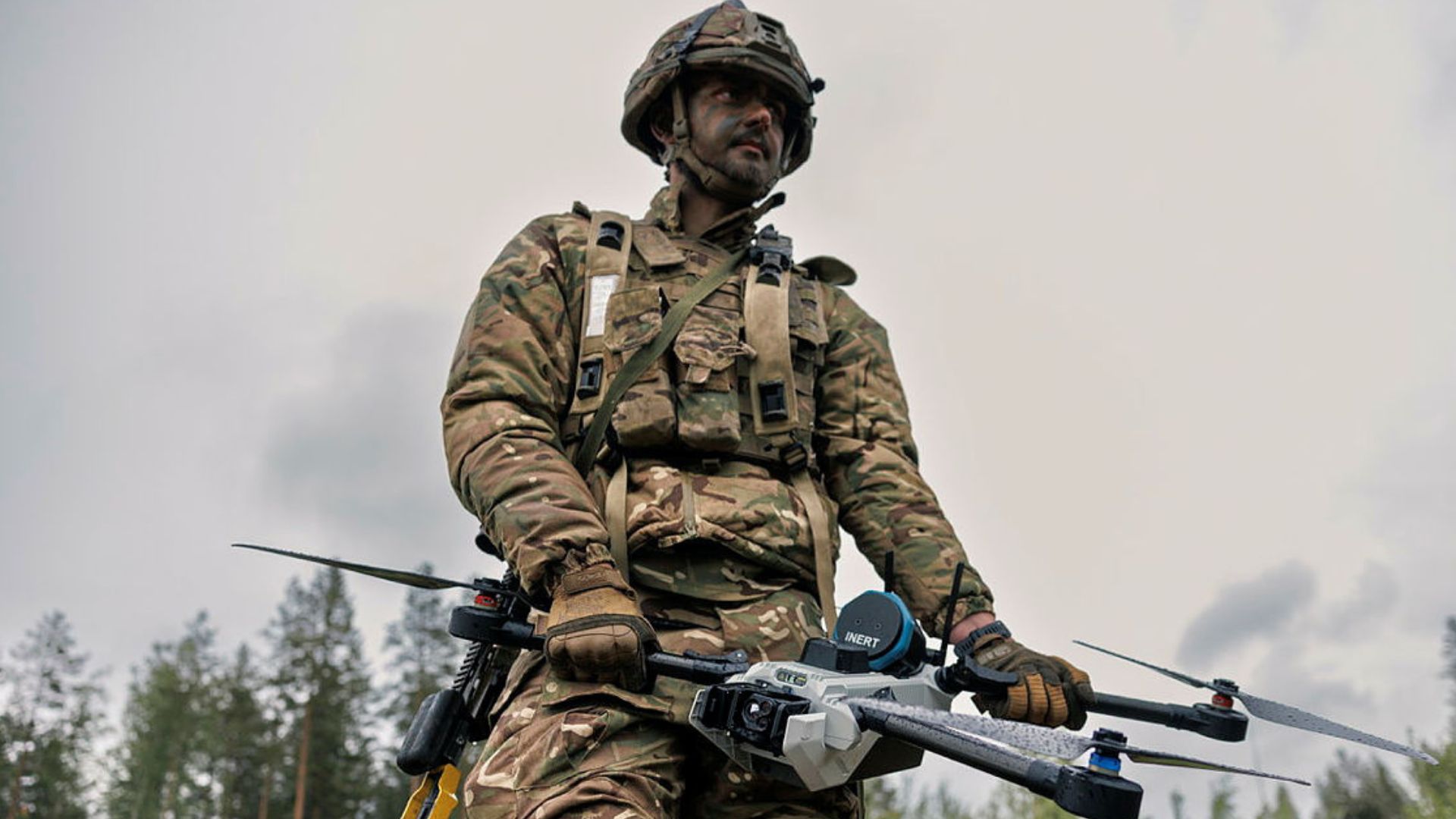
The rise of autonomous systems has transformed the battlefield. Ukraine has become the world's first large-scale drone war, where surveillance and strike drones operate continuously across the battlespace. It is increasingly accepted that autonomous and remotely operated systems will account for a significant proportion of future battlefield lethality.
However, we should resist simplistic conclusions about the demise of traditional combat arms.
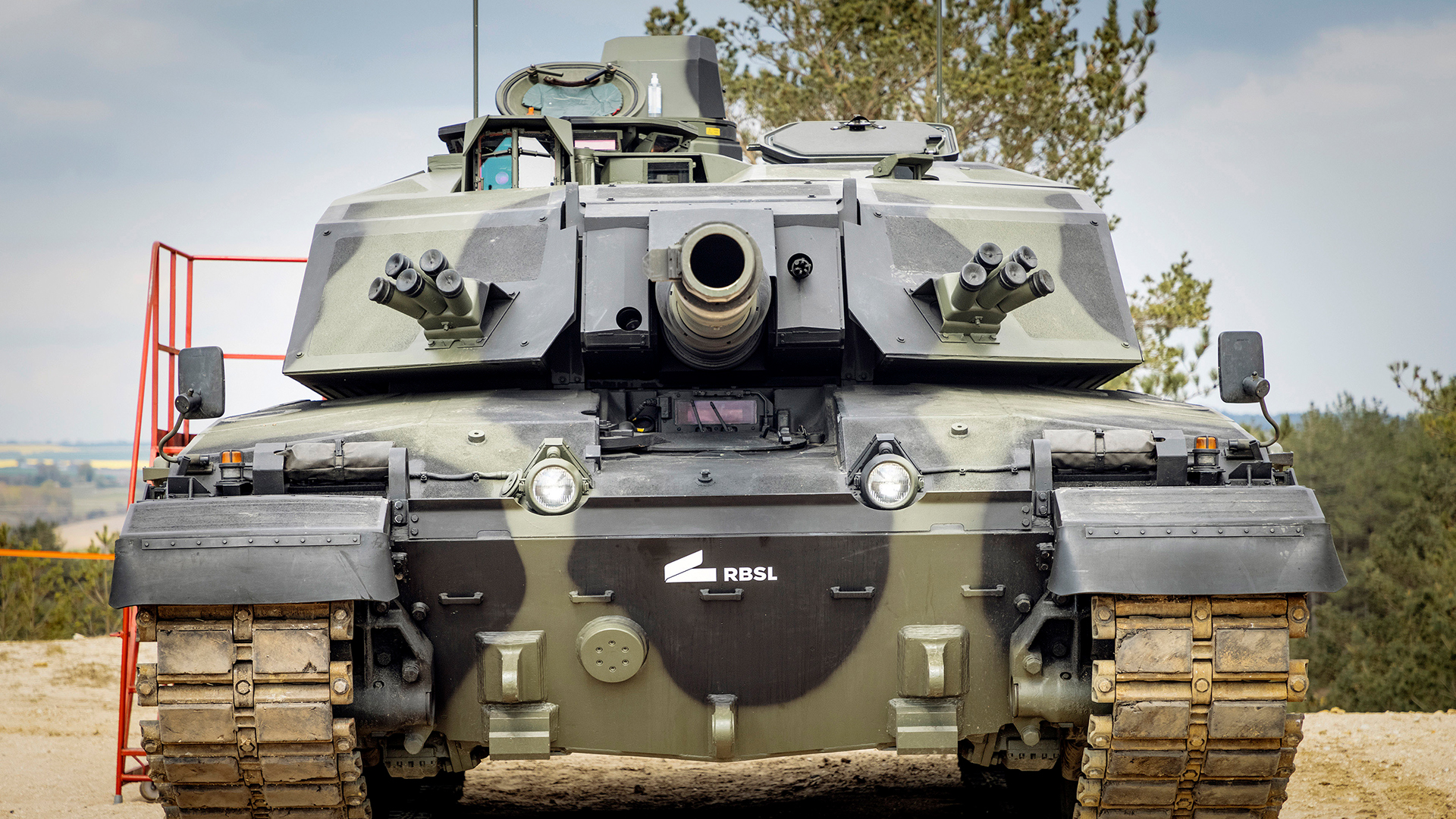
The main battle tank remains highly relevant as firepower, protection and mobility continue to be essential battlefield requirements. Despite the proliferation of drones and precision weapons, commanders still require protected platforms capable of delivering decisive combat power and creating battlefield shock effect.
The tank is not disappearing; it is evolving, mostly autonomously, as are ships and aircraft.
The likely future is not one of massed armoured formations operating independently, but of crewed platforms integrated with autonomous systems, electronic warfare capabilities and precision fires.
Challenger 3 represents an important step in that evolution, providing the protected firepower required for modern combined-arms operations while operating as part of a much broader system of systems.
No battle without infantry soldiers
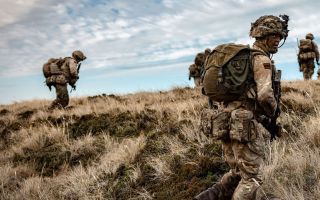
Equally, there is no substitute for soldiers on the ground. Technology can observe, target and destroy, but terrain can only be secured and controlled by people.
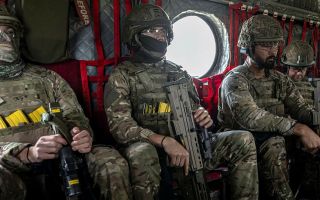
For all the discussion around artificial intelligence and autonomy, the infantry soldier remains central to land warfare.
The challenge for the Army, and the other services as well, is therefore not to choose between old and new concepts but to integrate them effectively. The future battlefield will demand leaders who understand both manoeuvre warfare and autonomous systems, both armoured operations and digital networks, both tactical fundamentals and emerging technologies.
The broad direction of travel set out in the Strategic Defence Review appears sound. It recognises the increasing importance of drones, autonomous systems and rapid decision-making while retaining the enduring principles of combined-arms warfare.
The task now is delivery. Resources will always be finite, but the Army must ensure that every pound spent contributes directly to warfighting effectiveness. Above all, we must foster a culture that rewards innovation, encourages initiative and develops leaders capable of adapting faster than our adversaries.
The lessons from Ukraine are clear. Technology matters, but leadership, adaptability and mission command remain decisive.
Those truths have endured for centuries of warfare and will remain just as relevant on the battlefields of the future.
Colonel (Ret'd) Hamish de Bretton-Gordon was a Tank Commander, and his new book Tank Command has just been published. He is discussing the past and future of Tank warfare at the Chalke History Festival on Thursday 25 June.
Related topics
Join Our Newsletter