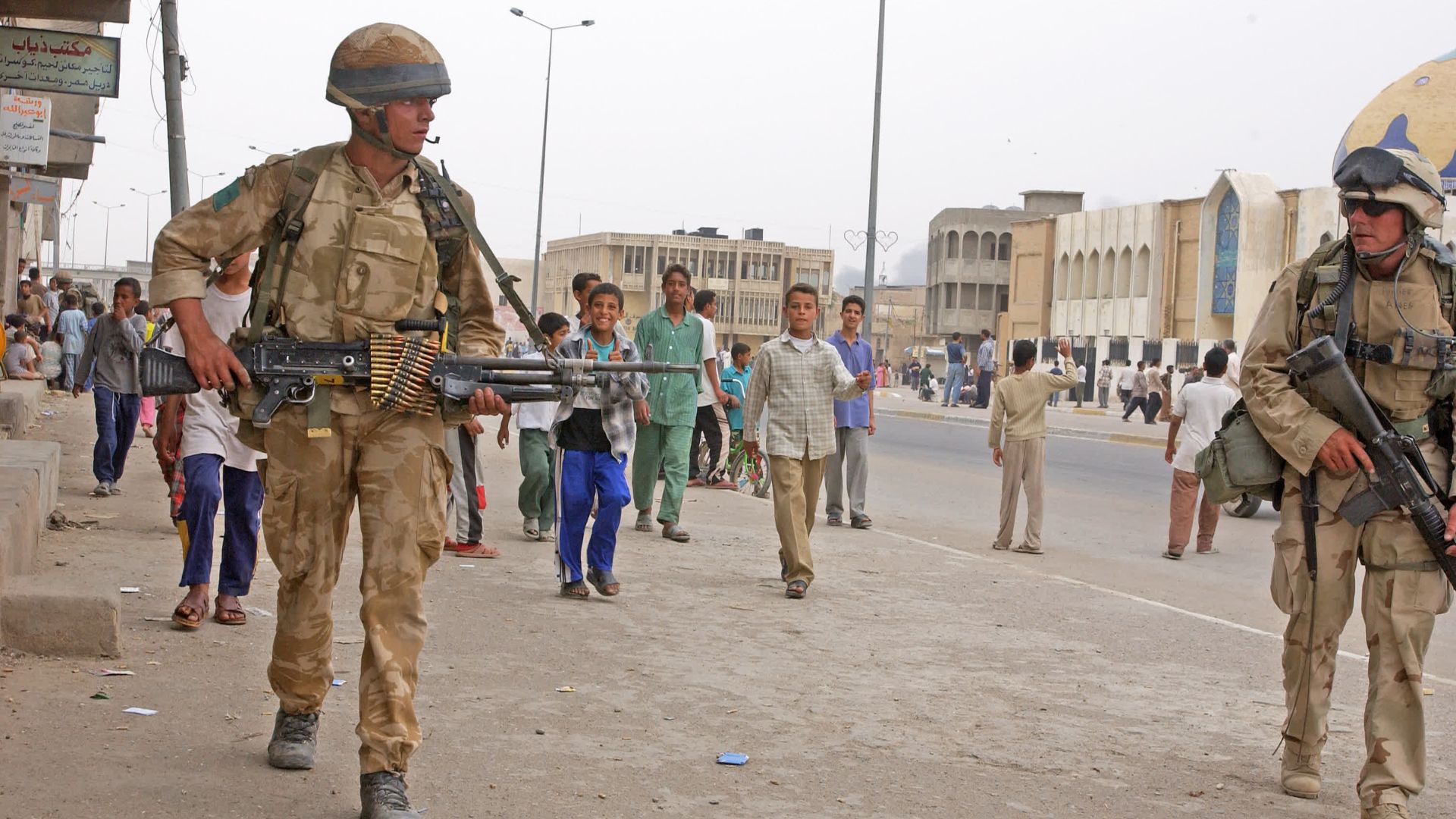
IEDs, IFVs and ISIS: The ways the Iraq War has changed the modern battlefield

In the 15 years since the conclusion of Operation Telic, marked this week, the modern battlefield has gone from being dominated by IEDs, tank warfare, and Al-Qaeda to being somewhere where tanks need nets to protect themselves from flying drones and has seen the rise and fall of ISIS in Iraq.
Op Telic, the name given to the UK's military deployment to Iraq from 2003 to 2011, led to the deaths of 179 Armed Forces personnel or Ministry of Defence civilians, of whom 136 died in theatre.
Around 140,000 troops served in Iraq, engaging in a hot and chaotic battlefield, where threats could disappear as quickly as they arrived.
From the rise of IEDs to fighting against non-state actors, we examine the unique hallmarks of warfare that emerged in Iraq and remain features of the modern battlefield.
Use of IEDs
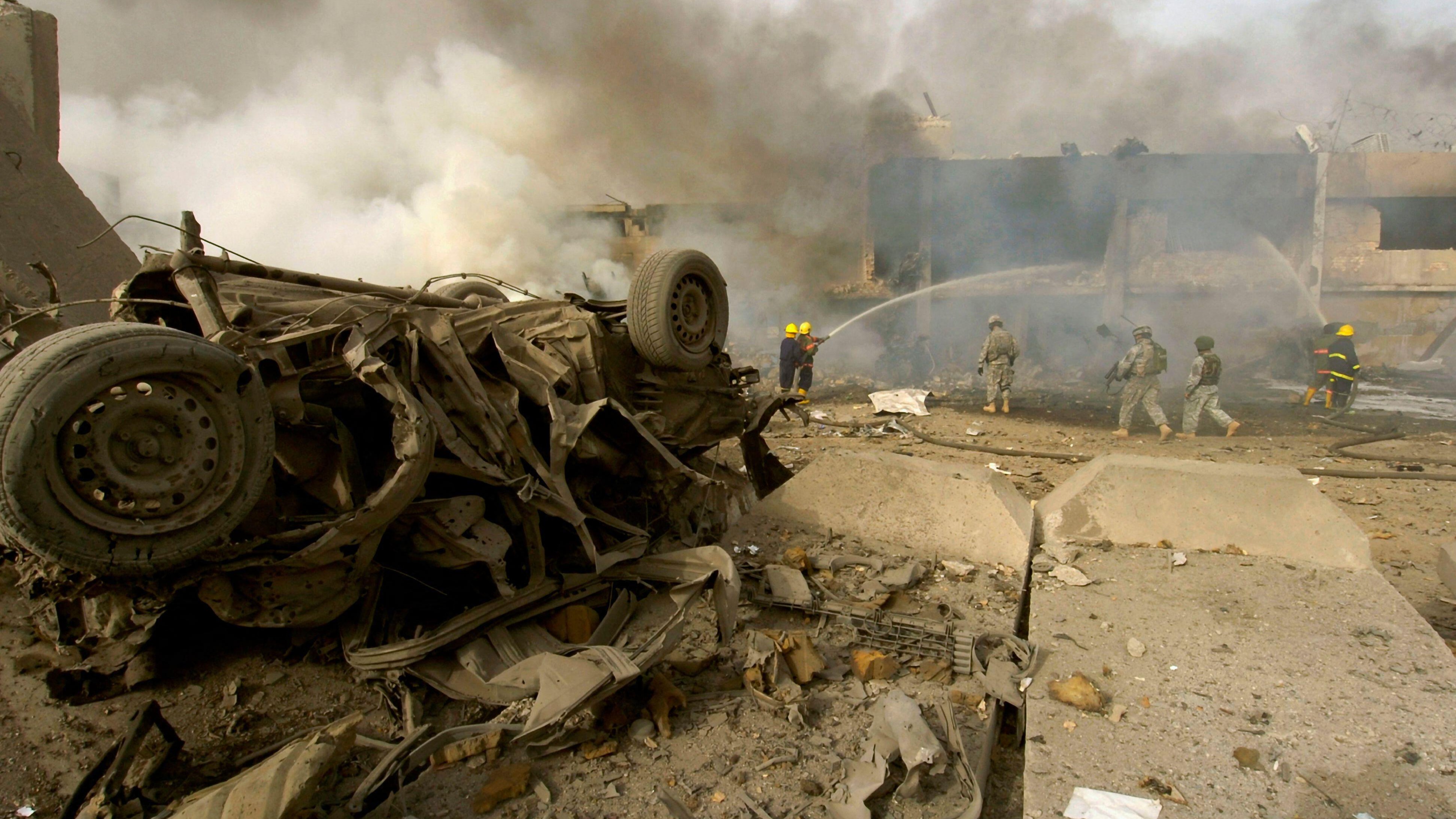
Improvised Explosive Devices, otherwise known as IEDs, steadily became the prime threat for the UK Armed Forces deployed in Iraq.
The Iraq inquiry found that the UK Armed Forces were dealing with a "significant and increasing threat" from IEDs from July 2003, months after the initial invasion.
The explosives in Iraq were different to those in Afghanistan, as the IEDs were made using military-grade munitions with advanced detonation systems found after the fall of former Iraqi president Saddam Hussein's regime, according to then-Lieutenant General (Ret'd) Michael Oates, the Director of the Joint IED Defeat Organisation, in the then-Department of Defence in 2010.
Lt Gen (Ret'd) Oates also said at the time there were 4,000 IED incidents a month at the peak of the Iraq war, mostly targeting the Iraqi security forces and against civilians.
The various types of IEDs included radio-controlled IEDs, command wire IEDs, explosively formed projectiles, and the passive-infrared IEDs.
"When I arrived, roadside bombs, improvised explosive devices, there was probably one every week to 10 days. By the time I left Iraq, four, five months later, whatever it was, there was probably one a day in Basra," Corporal Ryan Alexander, 1st Battalion The Royal Anglian Regiment, told the National Army Museum.
"By the time my battalion went out there – I didn't go with my battalion – a year later, there was several every day, and they’d improved the technology to be these explosively formed projectiles which could pierce all our armoured vehicles."
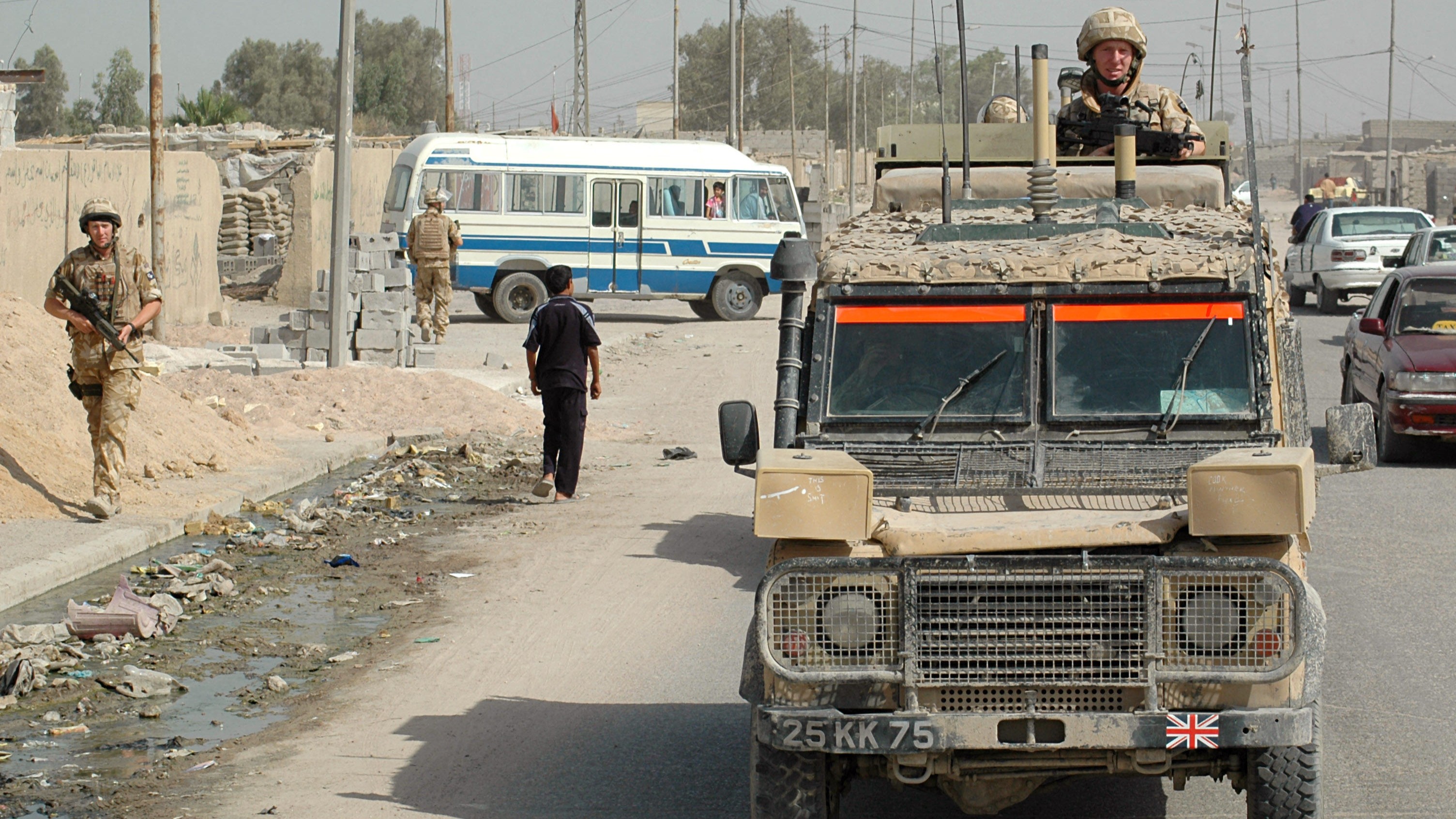
In response to the threat from IEDs, the UK Armed Forces deployed the Snatch Land Rover, which was originally designed for operations in Northern Ireland.
The stripped-down Land Rovers with top cover sentries proved ineffective against IEDs, as between July 2004 and July 2006, close to half of the UK fatalities from hostile action, 20 of the 44 deaths, were while personnel were travelling in the Snatch Land Rovers.
The vehicle, dubbed a 'mobile coffin', was said to have insufficient armour and to be "particularly vulnerable" to IEDs, the House of Commons Defence Select Committee reported in 2006.
As Op Telic began to wind down in 2010, the Ministry of Defence announced that the Foxhound would replace the notorious vehicle, which was found to be incompatible with the modern threats faced in Iraq.
IEDs have mutated and changed in the years since the Iraq war.
After the end of Op Telic, Daesh started to employ them to execute their aim of creating an Islamic caliphate in the country.
ISIS utilised different types of IEDs, including in suicide bombings in Baghdad and vehicle-borne IEDs (VBIEDs), with vehicles renovated to look like something from the film Mad Max, according to Matthew F Cancian, a US Marine veteran and associate professor at the US Naval War College, to conquer the territory.
Furthermore, towards the end of the caliphate, ISIS rigged their once-conquered land with IEDs in order to slow down the Iraqi security forces and the Coalition as they went from house to house rooting out the enemy, according to the International Centre for Counter Terrorism.
Tank warfare
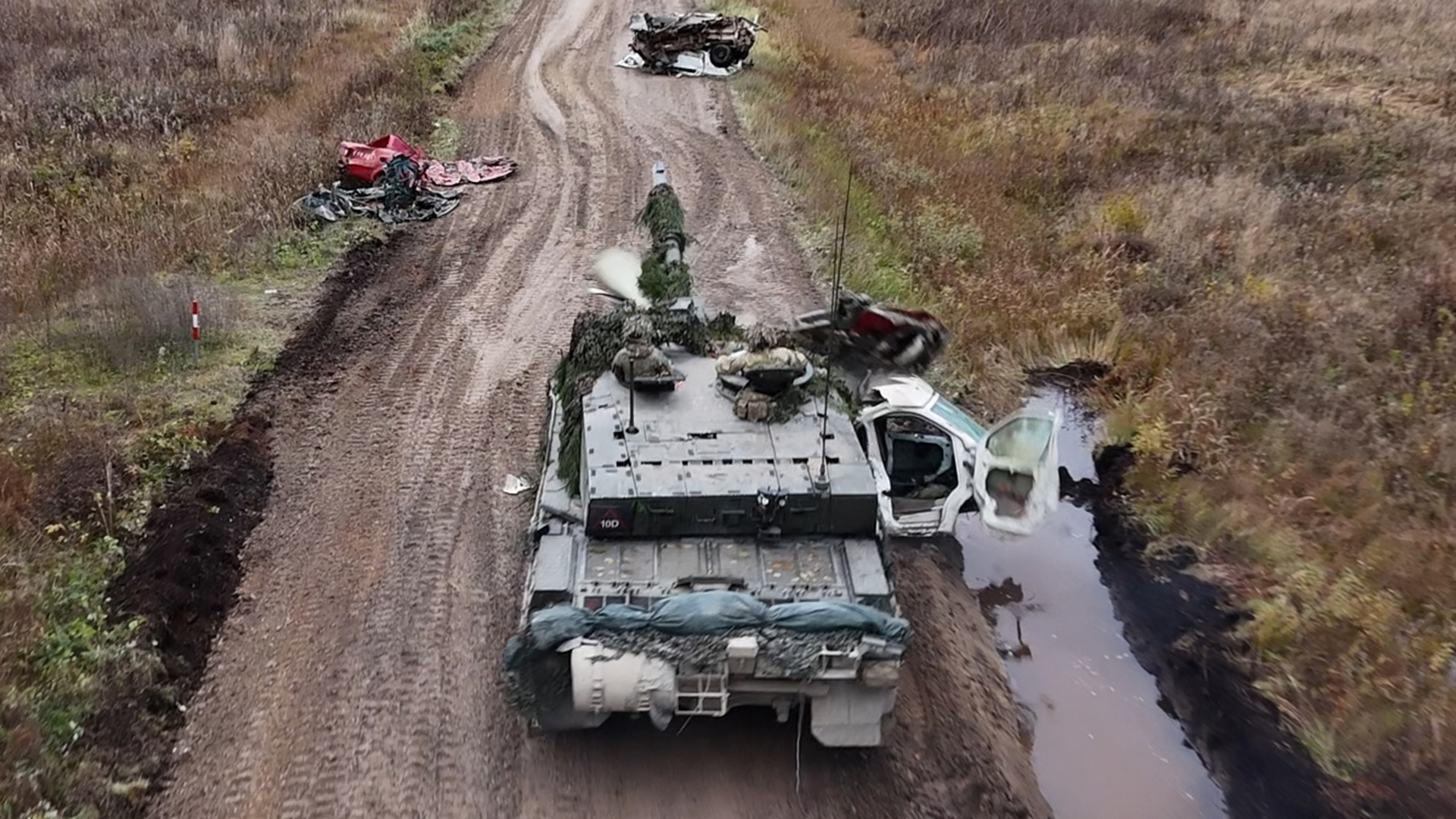
Another hallmark of the war was tank warfare, as the British forces deployed several tanks during the conflict, including the Challenger 2 and Warrior IFV.
These tanks showed their prowess early on in the Battle of Basra as the Royal Scots Dragoon Guards' 14 Challenger 2s wiped out 14 Iraqi T-55 tanks and three armoured personnel carriers in the Faw peninsula in March 2003.
At the time, the battle was said to have been a "remarkable success", with one officer in The Guardian saying that the match-up between the pair was "like a bicycle against the motor car".
Fast forward more than two decades, and the Challenger 2 tanks have been used in Ukraine by the Ukrainian armed forces after the UK donated 14 of the vehicles in January 2023.
The main battle tanks were thought to have taken part in an operation to make a surprise incursion into the Kursh region two years ago.
The decision was hailed by Ukrainian politicians, including former prime minister Arseniy Yatsenyuk.
Speaking at international affairs think tank Chatham House, Mr Yatsenyuk said: "Your decision to provide Storm Shadow missiles and Challenger tanks to Ukraine was the sea change. It was a gamechanger in the decision-making process of the entire West."
However, with conflict evolving constantly and drones causing most Russian forces' deaths (80%) at the start of this year, tanks have had to adapt to the new reality of warfare.
Both sides have been changing their tanks after early failures at the beginning of the war, such as anti-tank missiles getting through the armour of Russian tanks.
The adaptations started with Russian forces placing cages on their turrets to protect the tanks from explosions.
Moscow and Kyiv have been adding reinforced cages, anti-drone nets and bird cages with spikes to their tanks.
Rise of non-state actors
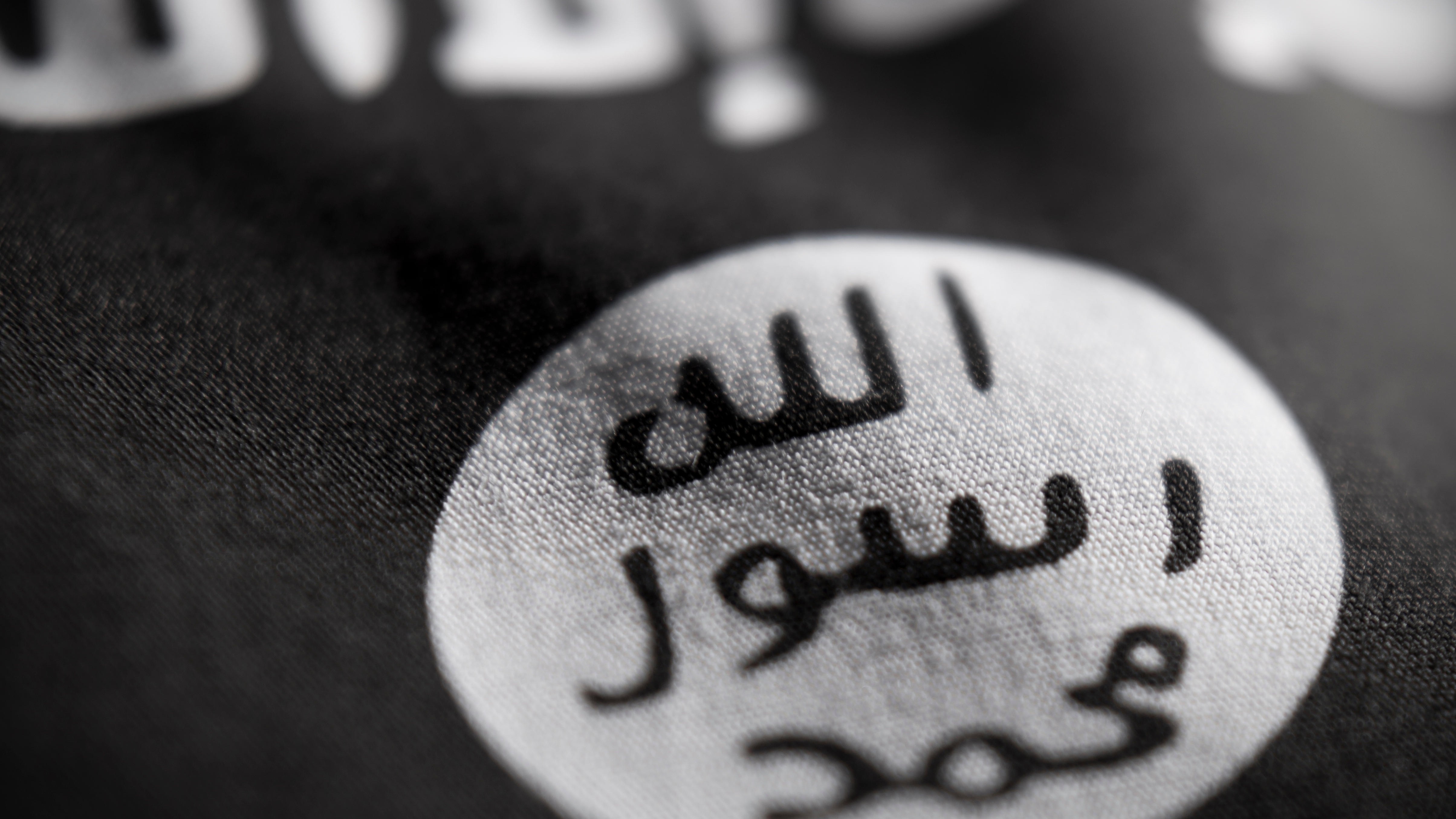
British forces were not simply fighting against a state during the Iraq war, but multiple different non-state actors, as after the fall of Saddam Hussein, Iraq splintered into a civil war between the Iraqi government and an insurgency, with more than 50 active insurgent groups during Op Telic.
Chief among them was Al-Qaeda, whose tactics included suicide bombings, IEDs, kidnappings and executions, targeting "apostates", "spectacular" attacks, and propaganda and media warfare.
The suicide attacks were also focused on British personnel, like the Black Watch in November 2004.
Three British soldiers were killed, eight soldiers were wounded, and an Iraqi interpreter also died when a suicide bomber attacked their vehicle checkpoint in an area east of the Euphrates.
After Al-Qaeda splintered and ISIS was born, British forces have been continuing to target these groups through Operation Shader, the UK's contribution to the wider Global Coalition Against Daesh mission. The RAF have been conducting air strikes on ISIS to stop the terrorist group from rising again after its military defeat in March 2019.
The RAF Regiment's Joint Terminal Attack Controllers – specialists responsible for directing combat aircraft to deliver close air support for ground forces – coordinate the missions that represent a key element of efforts to enhance regional stability and counter ISIS in Iraq.
In the decade between 2014 and 2024, RAF aircraft hit some 1,400 targets.
Beyond the Middle East, the UK Armed Forces have operated in missions against non-state actors in Africa, specifically in Mali, which has recently seen Islamist insurgencies linked to Al-Qaeda joining up with Tuareg separatist groups in the north.
The UK Armed Forces deployed troops and aircraft to the Sahel region as part of Operation Newcombe, supporting both the French and a large UN peacekeeping mission.
While British forces continue to fight against non-state actors in the form of ISIS on Op Shader, the overwhelming conflict in the region has slid back to state-to-state conflict, demonstrated by US-Israel war on Iran.
Related topics
Join Our Newsletter