Why women fight and always have – and the reasons might surprise you

This week marks a decade since the UK government allowed women to serve in ground close combat for the first time.
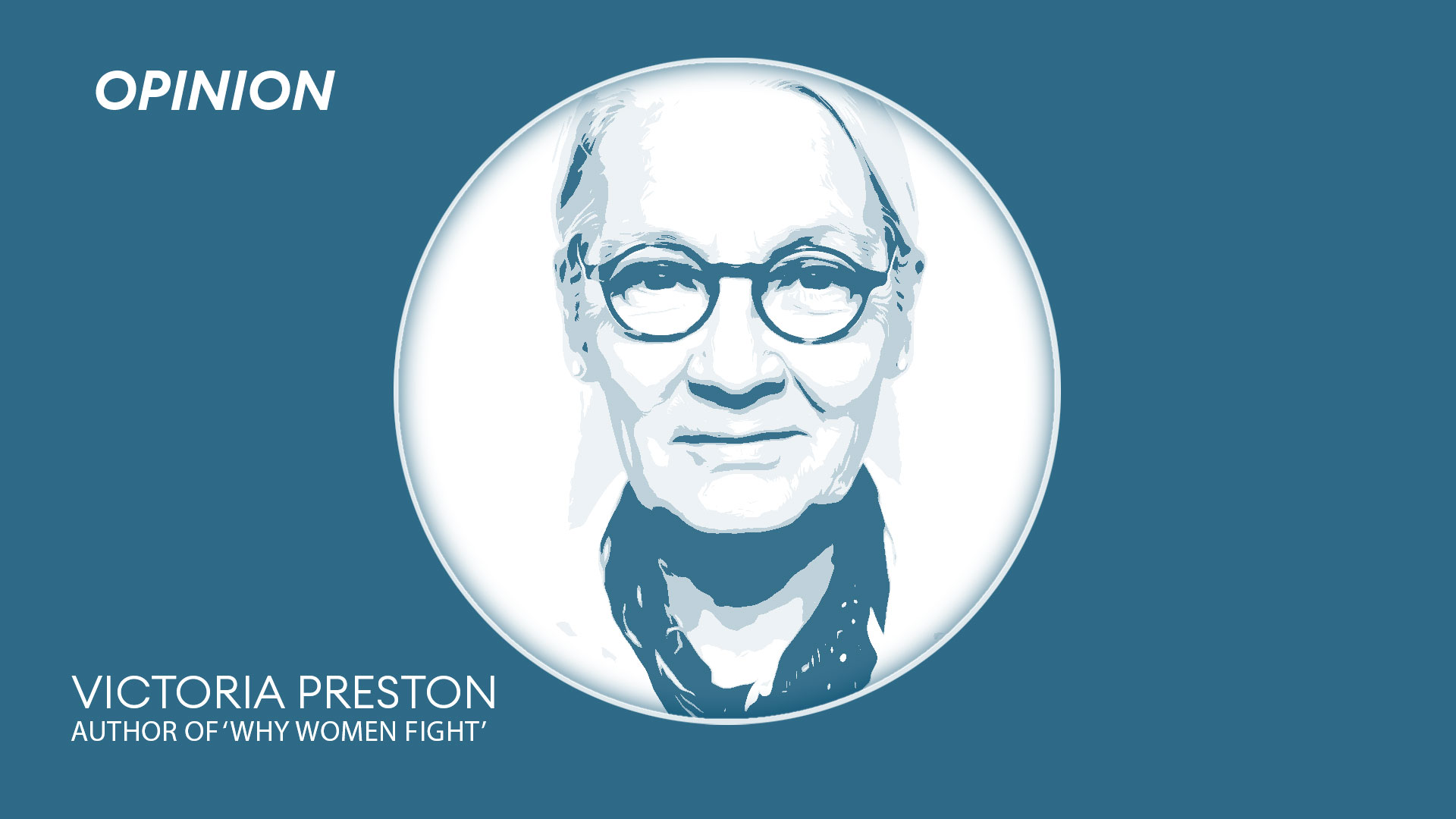
At the age of 59, Victoria Preston was approached to join the British Army as a Specialist Reservist Officer.
Now a retired colonel, she seeks to challenge the many myths surrounding women at war and what motivates them to take up arms in her new book Why Women Fight: The Long History of Women in Combat.
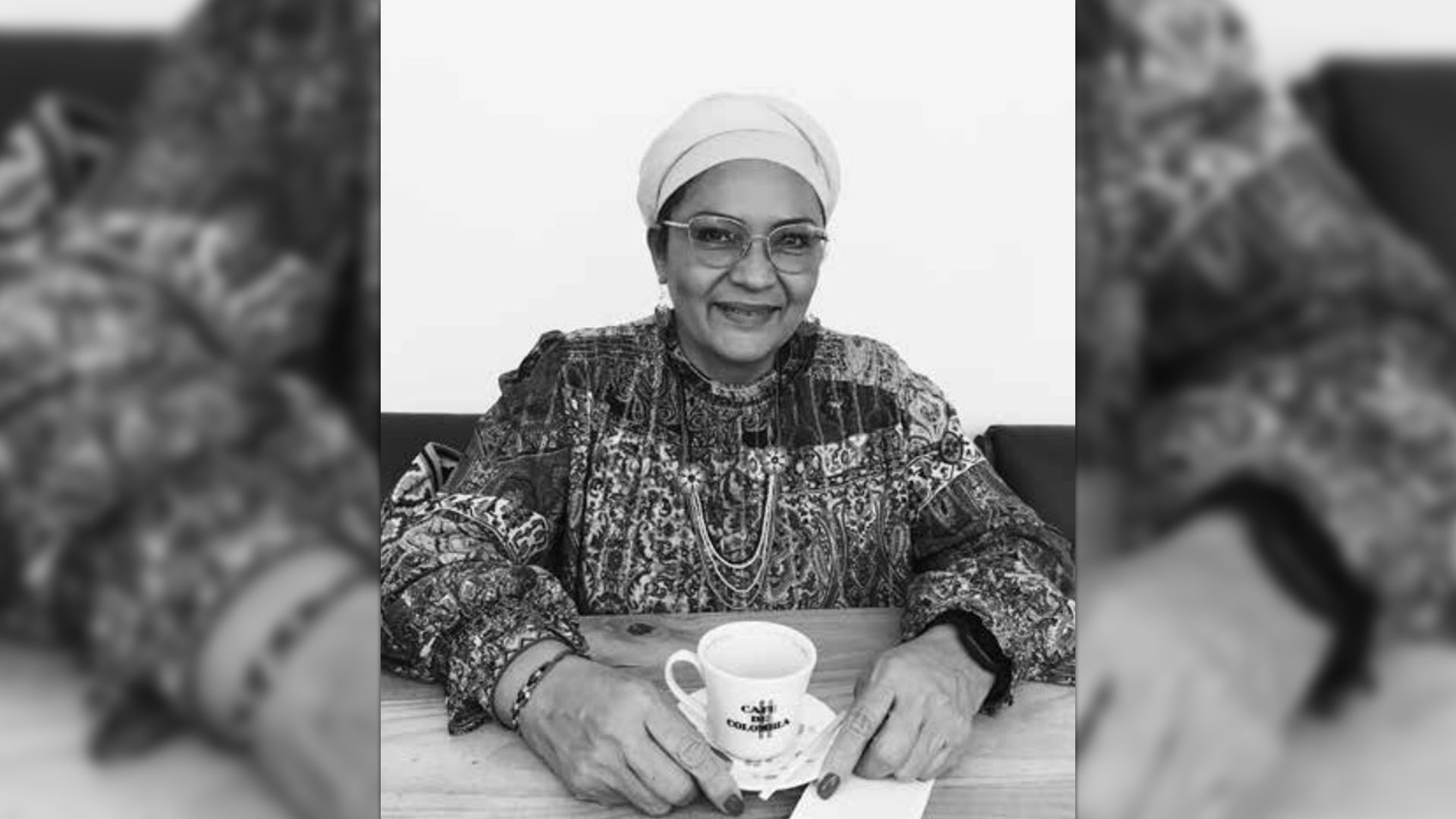
The book explores women's involvement in combat from the Bronze Age through to modern day and includes interviews with women on the frontlines in Iraq, Ukraine and both sides of the conflict in Colombia.
In this opinion piece for BFBS Forces News, she takes a look at why women fight and the difference labels make.
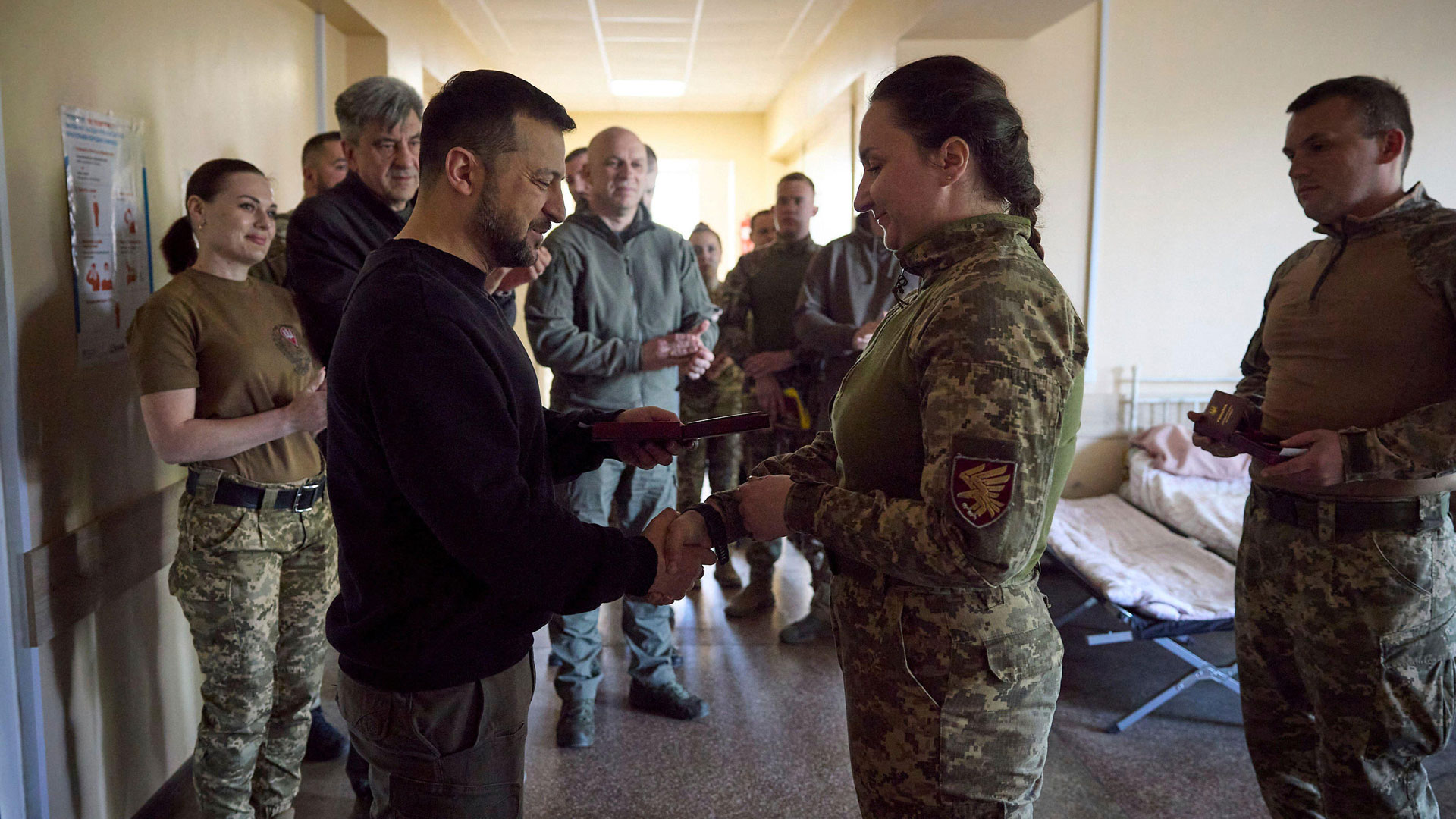
In 2022, when the Russian tanks rolled through Tatiana X's town, hundreds of ordinary citizens were shot dead, while others sheltered in cellars and attics.
Emerging to find the terrible devastation wreaked by the invaders, Tatiana and her husband went to the nearest recruitment point and jumped aboard a pick-up truck taking volunteers to Kyiv.
These were the early days of war and the bureaucracy around who could hold which ranks meant that Tatiana was labelled as a 'Combat Medic', even though she had no medical training.
Her actual role from day one was Company Sergeant.
We might think that such labels don't matter in war, but they do.
They matter for those who require the authority to command and to ensure the discipline of those who serve under them.
And at a practical level, labels matter for how benefits are calculated and how medallic recognition is awarded.
And not least, what kit is issued.
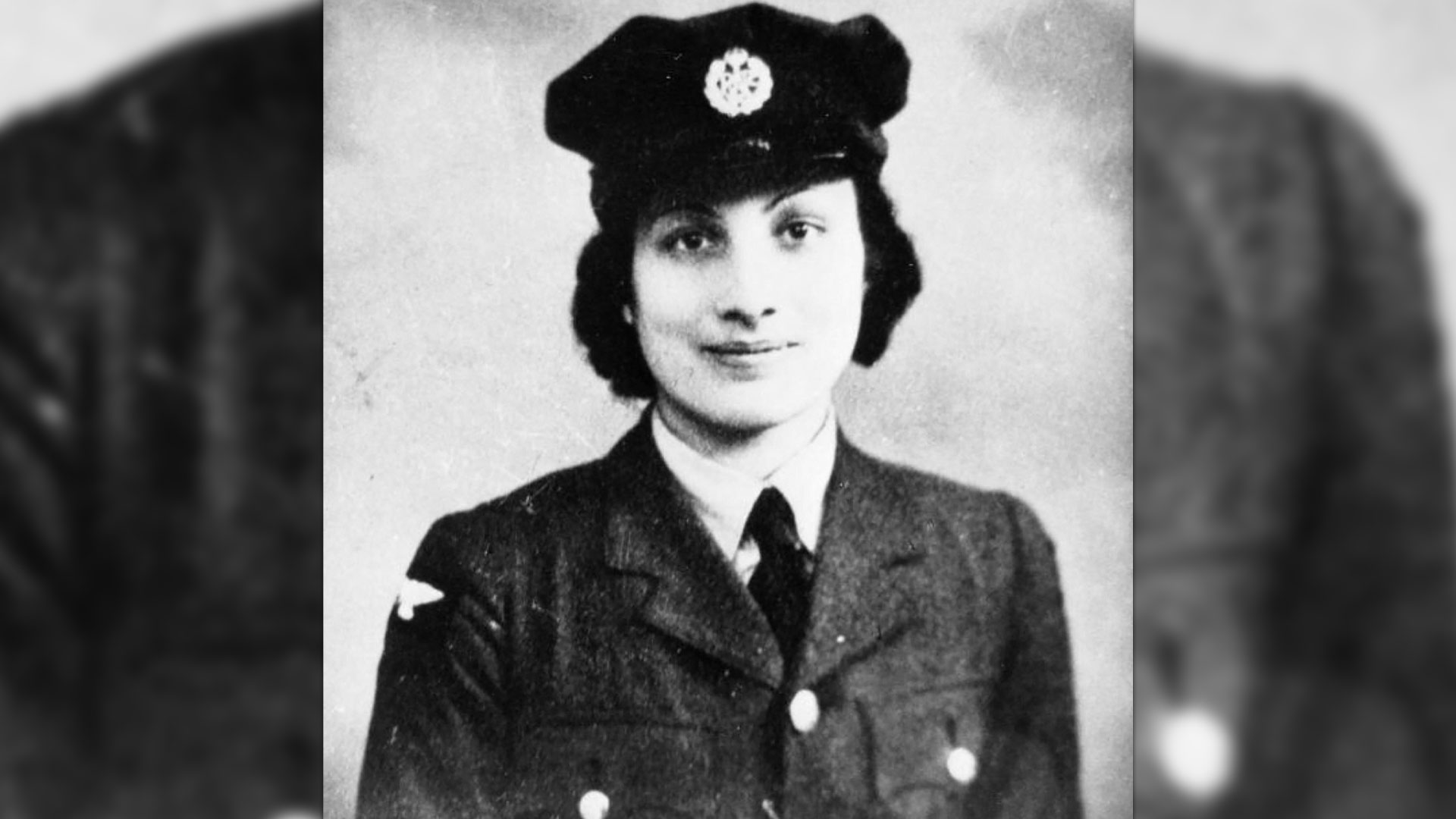
In the Second World War, many of the women of the Special Operations Executive (SOE) were divested of their military status and re-badged as FANYs to get around the ban on females going behind enemy lines.
Of course this meant they weren't covered by the Geneva convention, but no matter, social sensibilities were upheld and that's what counted, at least for the government of the day.
Some 39 of the 470 SOE agents sent into France, were women.
At interview, candidates were advised that their chances of survival in the field were 1:2 and that choosing to proceed was entirely voluntary.
In the final reckoning, 104 F Section agents were executed, killed, or died in concentration camps – 13 of them were female.
This question of "when is a combatant not a combatant?" came up time and again during my research for Why Women Fight.
And often the answer seemed to be, "when the combatant is female".
Despite their courage and their wholly voluntary service behind enemy lines, at the end of the war the British were still reluctant to recognise SOE women as combatants.
None of them, dead or alive, were awarded military medals without a protest.
Pearl Witherington, an SOE agent who headed up an organisation with 3,000 men under arms was recommended for the Military Cross but deemed ineligible by the British authorities on the grounds of her sex.
Witherington declined to accept an MBE in the Civil Division pointing out that there was nothing 'civil' about her service.
An MBE in the Military Division duly followed.
The spotters who served alongside and took the same risks as the anti-aircraft Gunners in WWII were known as the Ack Ack Girls and were 'allowed' to do all tasks except fire.
They too were not classed as combatants and received pay and recognition accordingly.
In the first decade of the 21st century, things improved.
Private Michelle Norris (Iraq 2006), Able Seaman Kate Nesbitt (Afghanistan 2009), Corporal Sarah Bushbye (Afghanistan 2009) and Lance Corporal Kylie Watson (Afghanistan 2010) each received the Military Cross for exemplary gallantry during operations.
And in July 2008, Sergeant Chantelle Taylor went into the history books as the first British woman to kill an enemy combatant at close quarters.
While these soldiers faced existential risk at the very heart of active combat, like the women of the SOE and the Ack Ack Girls before them, none were classed as combatants.


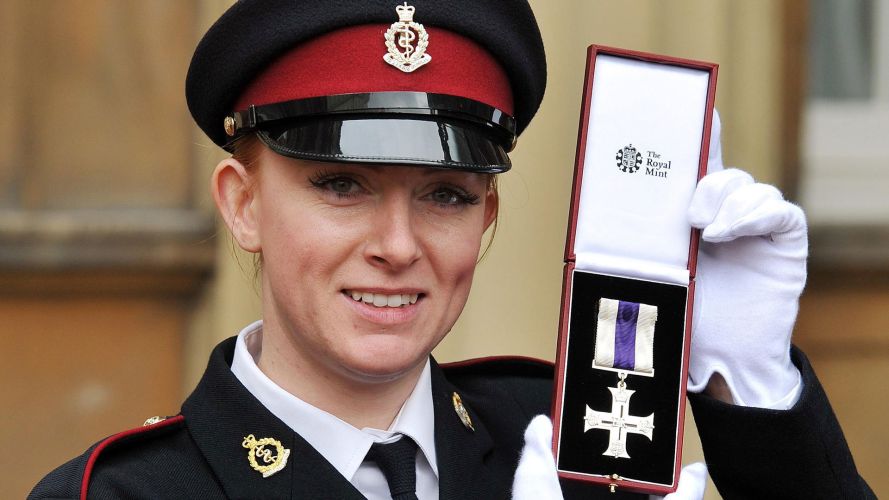
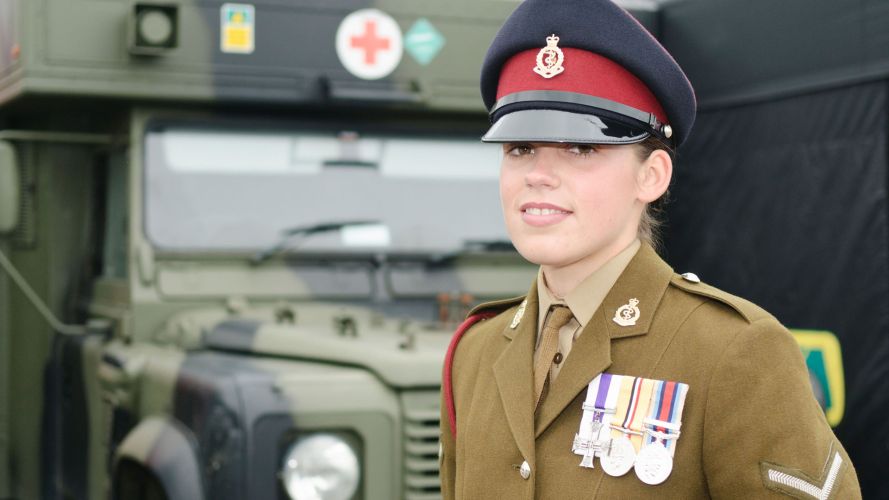


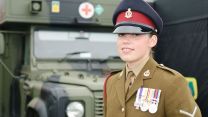
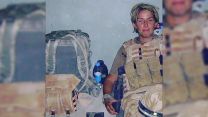
But then, on 8 July 2016, the British government finally lifted the historic ban on women serving in Ground Close Combat (GCC) roles, enabling them to serve in the infantry, Royal Armoured Corps, Royal Marines, and RAF Regiment.
It was a welcome change to the regulations and, slowly but surely, we began to slough off the shame around deploying our women in war and acknowledge their contribution.
The question is, where does that shame come from?
The answer is love, actually.
In early history we find goddesses which represent war, love and reproduction combined – Innana, Isis, Athena.
This seeming paradox gives us a clue to why societies are willing to fight at all.
We fight not just for today's freedoms, but to protect and preserve future generations.
Protecting a society's reproductive capacity by keeping women out of combat may be the moral ideal, but the reality is quite different.
Throughout history, women have played many roles in conflicts, including on the battlefield.
Right now, an estimated 10,000 Ukrainian women occupy frontline roles in their country's war with Russia.
Some, like Tatiana X, command vast battalions, while others serve as snipers, drone operators and yes, like Michelle Norris and the others mentioned above, as medics.
So, as we mark the 10th anniversary of the lifting of the ban on UK females in GCC roles, let's tell it like it is.
Our women have long served on the frontlines and along with the recognition they deserve, thanks to a few brave voices, they are finally getting the right kit for the job.
Why Women Fight – The Long History of Women in Combat by Victoria Preston, published by The History Press, is out now.
Join Our Newsletter