Back to basics: Desert Rats spearhead Army's biggest training deployment of 2026

The modern battlefield has changed. And although these days those tasked with fighting wars have to worry about things like autonomous tech and drones, the fundamentals of one group of soldiers slogging it out against another remain.
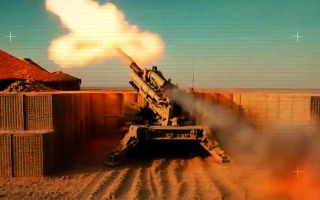
This is what 3,000 personnel from the British Army's 7th Light Mechanised Brigade have been putting themselves through for the past six weeks during a major Nato exercise on the military's Germany-located Cold War stomping ground – in places like Sennelager and Gütersloh.
Exercise Rhino Storm, which also involved infantrymen from the French Foreign Legion (FFL), culminated in a massive final attack, and saw the exercising troops defending a small town in what was once one of the Army's largest bases in Germany – the Princess Royal Barracks.
Troops learn to deal with pretend war
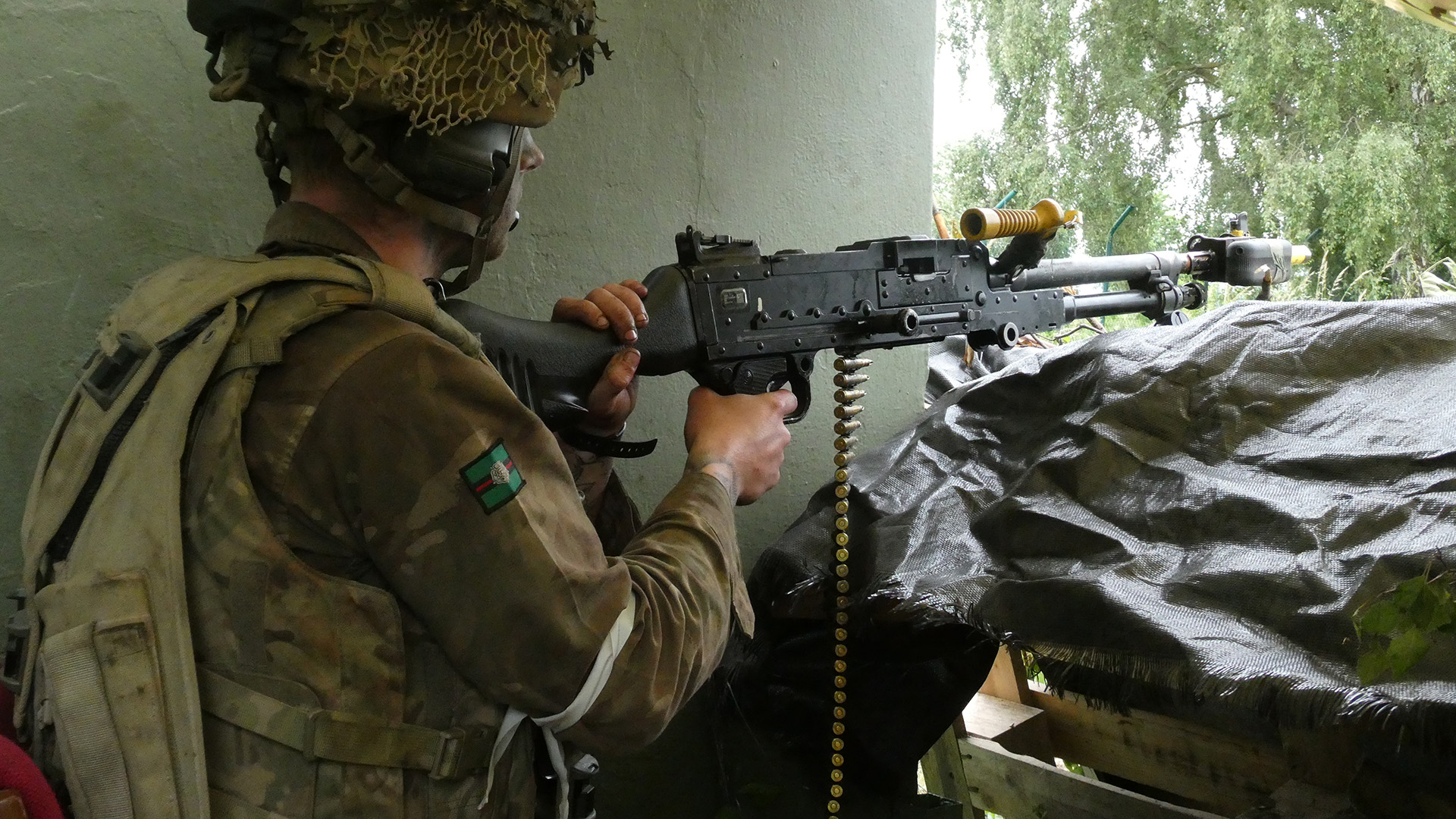
BFBS Forces News was embedded with the units involved and found that while the troops had to learn to live with the constant realities of new threats like explosives strapped to drones, it was still the basics keeping soldiers alive.
Of course, Ex Rhino Storm was a pretend war. But, due to clever technology known as TES (Tactical Engagement Simulation) – equipment provided by defence firm Saab – those engaged in the faux fighting were able to understand the consequences of a drone strike.
This meant that realistic problems like casualties, or, as in the case of the Scots Guards on the final day of the exercise, all of a battalion's junior officers being killed in action, can be played out in real time.
One of the commanders involved in the exercise described what his personnel were taking away from the exercise in terms of experience.
"I think all exercises are an opportunity for personnel to practise their lower-level skills and drills; that's kind of taken as read," Major Gordon MacFarlane, a squadron leader in the Scots Dragoon Guards, said.
"But doing an exercise like this, a brigade-level exercise, particularly in Germany, where we're using more than just one location, I would hope they would take away from that the complexity that is inherent in moving a big beast like 7 Brigade."
Personnel use alternative travel arrangements
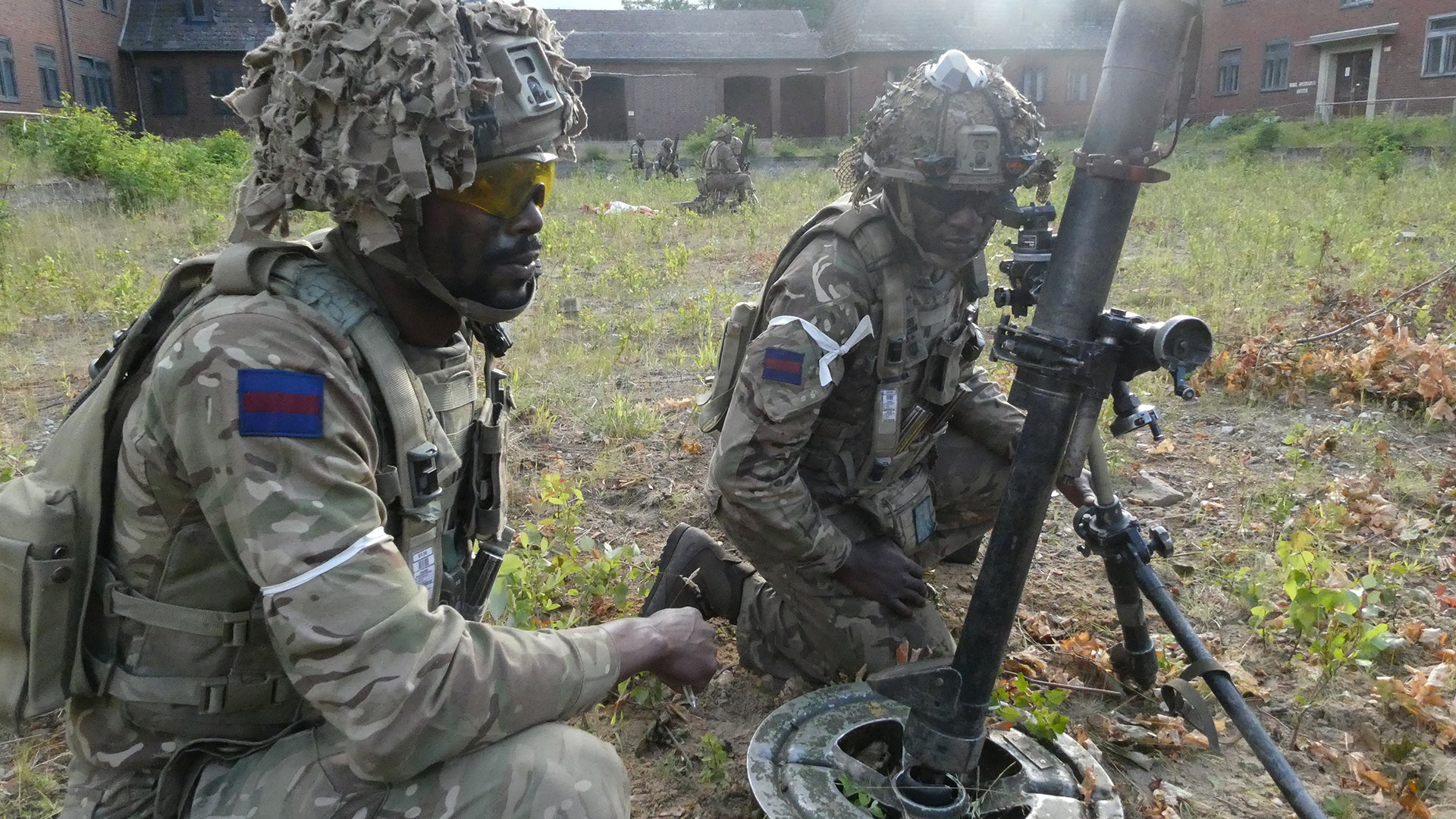
When the exercise began back in April, the UK Armed Forces tested non-standard methods of travel in the way it deployed those involved in the training.
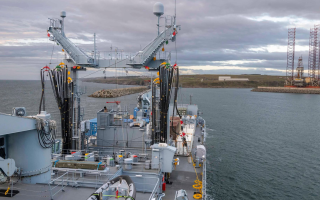
This led to more than 1,000 soldiers travelling by a specially chartered civilian ferry, operated by DFDS.
For those crossing the North Sea this way, once on dry land in the Netherlands, the journey to 'the front' continued via European railways, ending with a final tab into theatre.
Since then, the exercise steadily increased in terms of the pressure and demands placed on the soldiers being tested.
Throughout it all, an enemy force called Hannibal – or more commonly, 'the red force' – was given the autonomy to attack the friendly forces, known as 'the blue force', in ways they deemed necessary.
Those running things referred to this so-called 'red force' as "intelligent", meaning commanders in the blue force had to always keep their wits about them.
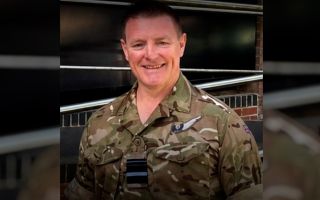
Lieutenant Colonel Colin Lunn MC, Commanding Officer of the 1st Battalion, Royal Yorkshire Regiment, said he had never been exposed to an exercise like Ex Rhino Storm in the 20 years he had served.
"It's something we've never done at this scale," the Military Cross winner said. "So, it's exciting for us to be involved in it and it's been really great to test the light mechanised capability in this environment."
Army prioritises lethality
The days of the British Army engaging in wars at a divisional level are, for the foreseeable future at least, long gone. As such, the deployment of a brigade-sized force is about as good and realistic as it gets.
Although it might not be bigger in terms of size, the Army's ongoing commitment to increasing lethality means a fighting force like the Desert Rats can still pack a decent punch.
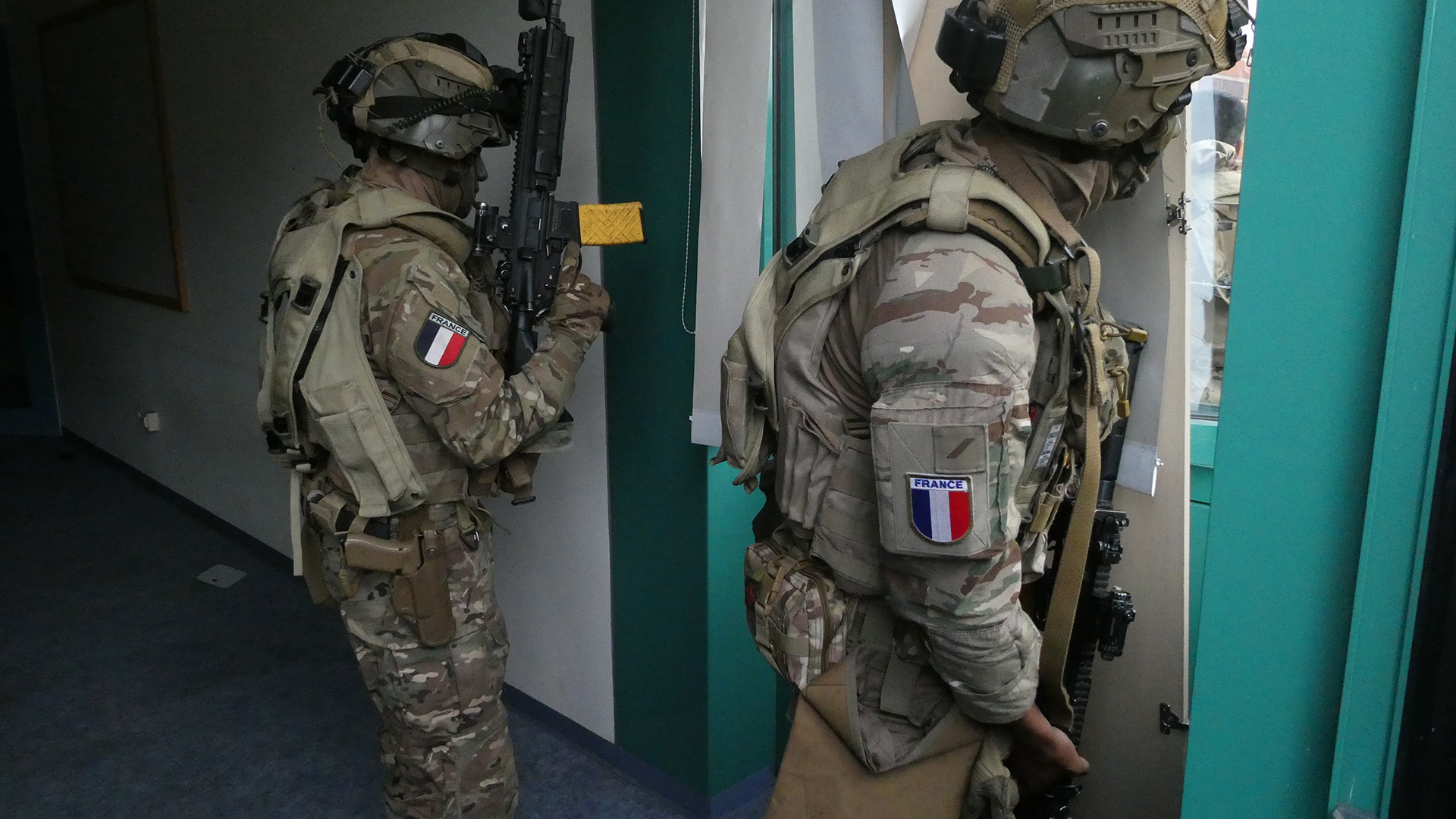
Aiding that in this exercise was a contingent of FFL personnel. This force, made up of soldiers with heritages from all parts of the world, provided added aggression – which occasionally boiled over.
It was clear from the moments BFBS Forces News spent with these troops that the men of the FFL meant business, and during the final hours of the exercise, played a key role in the blue force ultimately winning the fight.
Providing reassurance in volatile times

There is nothing else planned for 2026 at this stage in terms of scope that matches the fullness of the training Ex Rhino Storm has provided those being exercised. From the fortifications of Gütersloh, the Desert Rats head home – each of them sharpened by the experience.
For those in charge of 7 Brigade and the higher-ups, perhaps including new Defence Secretary Dan Jarvis, himself a former infantryman, the ability of a force made up of multiple thousands of personnel and hundreds of vehicles to be able to 'project' from bases across the UK to an emergency on the continent may have been proven.
That will, in defence terms, provide reassurance in this increasingly volatile world we live in.
Join Our Newsletter