Spearfish and Sting Ray: The torpedoes which are keeping the UK safe at sea

BAE Systems will maintain and repair the Royal Navy's Spearfish and Sting Ray torpedoes thanks to a new £135m contract, the Ministry of Defence has announced.
Torpedoes are one of the Royal Navy's most important tools for keeping the UK safe at sea.
Without the torpedoes, Britain's ability to defend its waters, protect trade routes and maintain its nuclear deterrent would be at risk.
The three-year contract will make sure that sailors and submariners have reliable, battle-ready equipment when they need it.
It will run from July 2026 to June 2029, and bridges to a longer-term programme, Whitehead2, which will deliver a modernised torpedo support solution from 2029 onward.
"This contract extension ensures the Royal Navy retains a safe, reliable and continuous torpedo support capability," Rear Admiral Matt Stratton, Royal Navy Director Naval Acquisition, said.
"It is a critical enabler of our operational readiness and directly supports the UK's Continuous At Sea Deterrent."
Submarines, surface warships and maritime patrol aircraft use the Spearfish and Sting Ray torpedoes to defend the UK.
"Since 2019, we have delivered consistently high levels of torpedo availability for the UK Armed Forces, supporting both the successful entry into service of Spearfish and the ongoing readiness of Sting Ray," Scott Jamieson, BAE Systems' Maritime and Land Defence Solutions managing director, said.
BFBS Forces News has taken a closer look at the two types of torpedoes, Spearfish and Sting Ray.
Spearfish torpedo
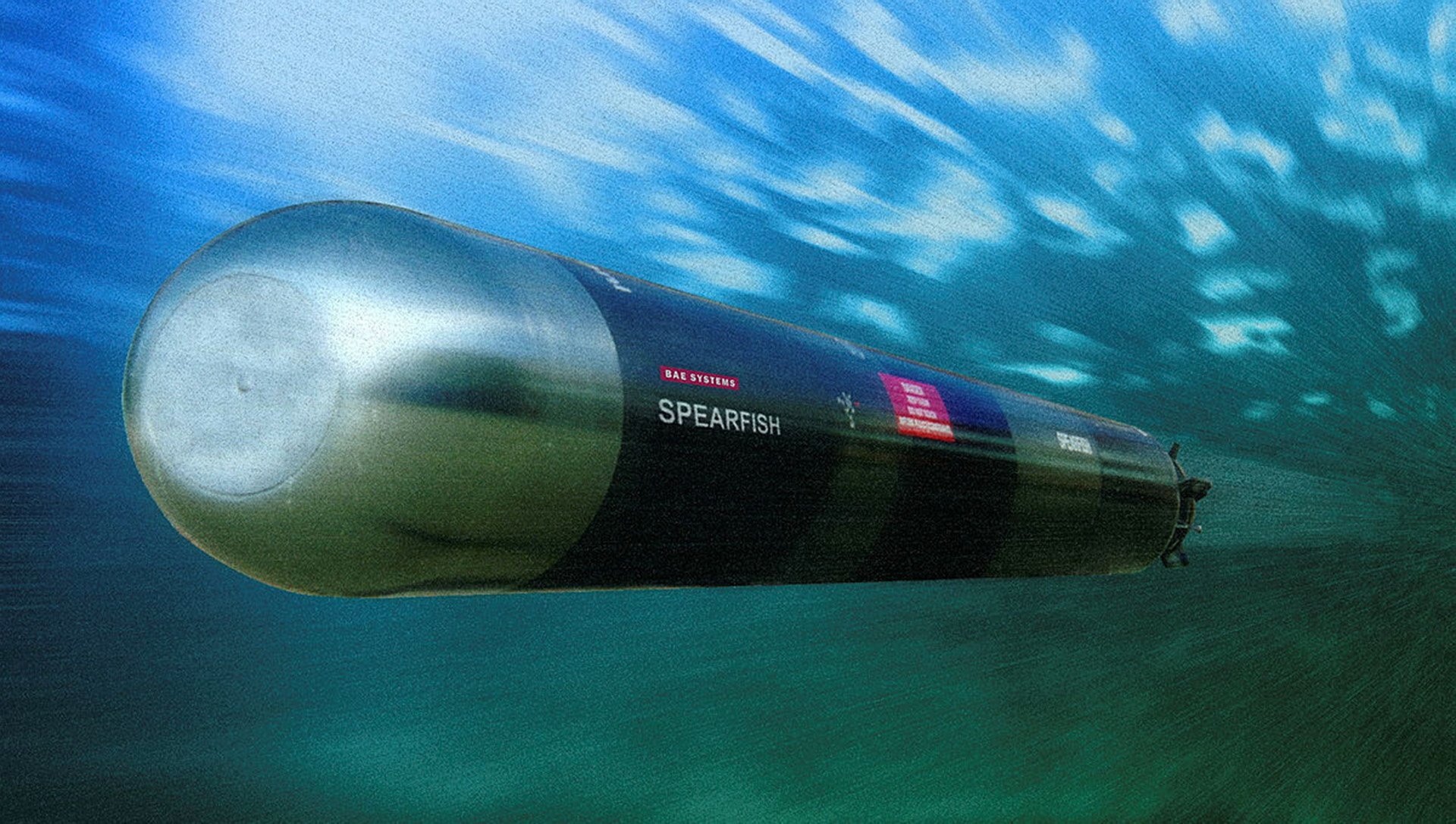
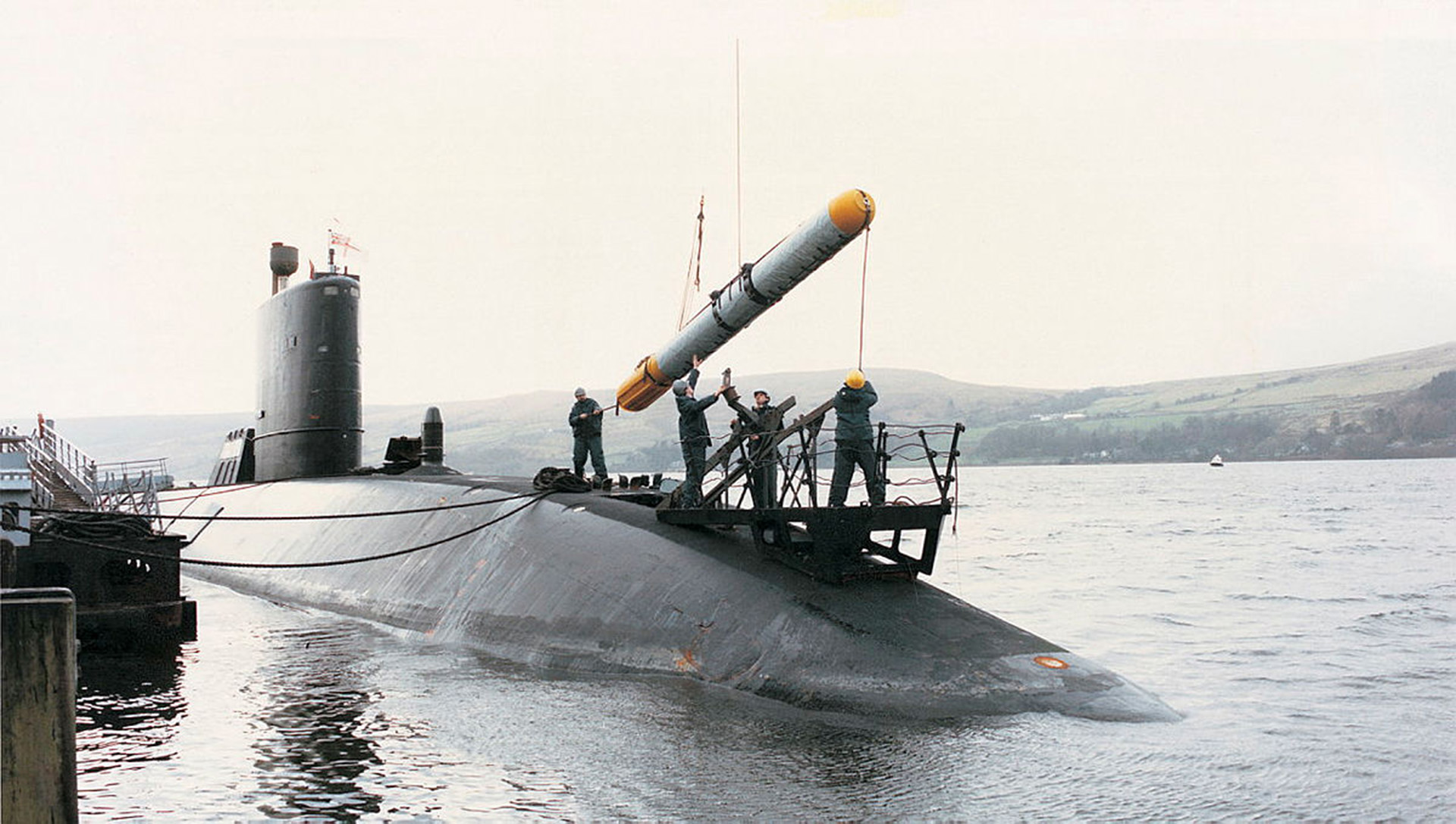
Spearfish is the Royal Navy's heavyweight torpedo.
The Submarine Service has used the weapon for close to three decades, and it can damage frigates, destroyers, large warships and hostile submarines. In September 2024, it underwent its mid-life upgrade.
The torpedo's modern variant, called Spearfish Mod 1, has a new warhead, a better fuel system, a smarter electronic 'brain', and a fibre-optic guidance link with its parent submarine to improve its accuracy and lethality.
The Spearfish is seven metres long, and the torpedo can hit speeds of up to 80 knots using its gas turbine engine.
In terms of its capabilities, it can be used against targets more than 48km away, and it holds a 300kg aluminised PBX high-explosive charge.
Sting Ray torpedo
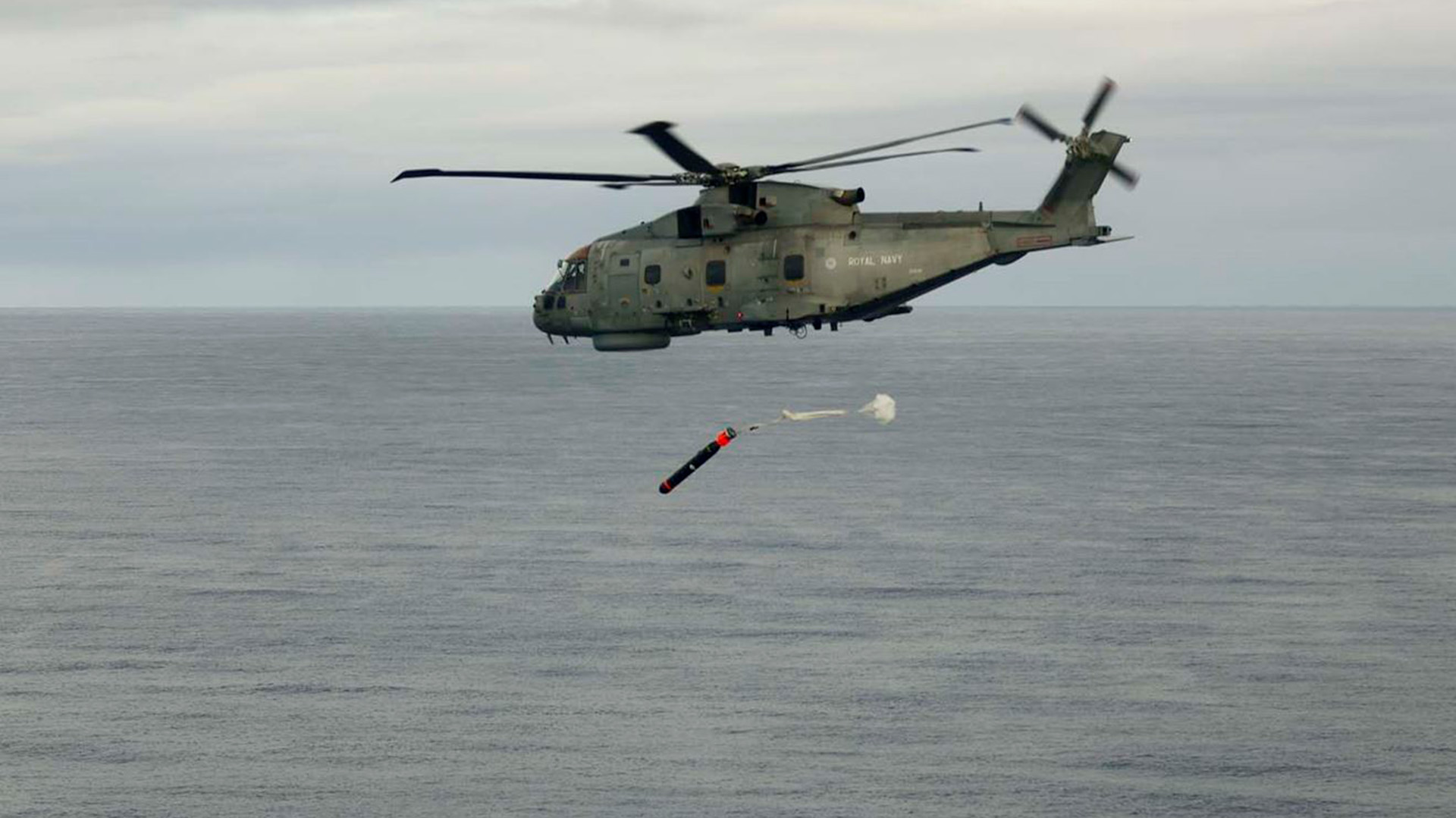
These torpedoes have been in existence since 1983, and have been used by the Royal Navy and the Royal Air Force.
It can be utilised by Merlin and Wildcat helicopters. The weapon can be fired if the helicopter is close to a suspected hostile submarine. Furthermore, a Type 23 frigate can fire it from horizontal launchers.
The Mod 1 type can reach speeds of up to 45 knots. When it hits its intended target, its 45kg Torpex explosive charge goes off and obliterates its adversary.
The advanced lightweight torpedo, which can track, identify and attack targets by itself, is also used by the Norwegian armed forces.
The Mod 1 variant has a new sonar system, an insensitive munition warhead, a new tactical and navigation system and a new seawater battery system, BAE Systems said.
BAE Systems is currently developing a Sting Ray Mod 2, which will include new technological features and deployment options, according to the Royal Navy.
Related topics
Join Our Newsletter