Do or die: why Close Quarter Battle is still an essential skill of the infantry
Up close and personal. It's the type of combat often associated with popular first-person shooter video games.
Close Quarter Battle – or CQB – is defined as fighting an enemy anywhere up to 150 metres away.
And despite the rise of drone technology, wars are won and lost at this proximity. To gain the edge over enemies, it is essential for soldiers to be well versed in Close Quarter Battle skills.
- Armies decide war's outcomes, head of British Army says in speech outlining future force
- Exclusive: Module one of the Royal Marines sniper school producing master marksmen
- I pulled the trigger with genuine anger: Sniper describes eliminating Taliban insurgents
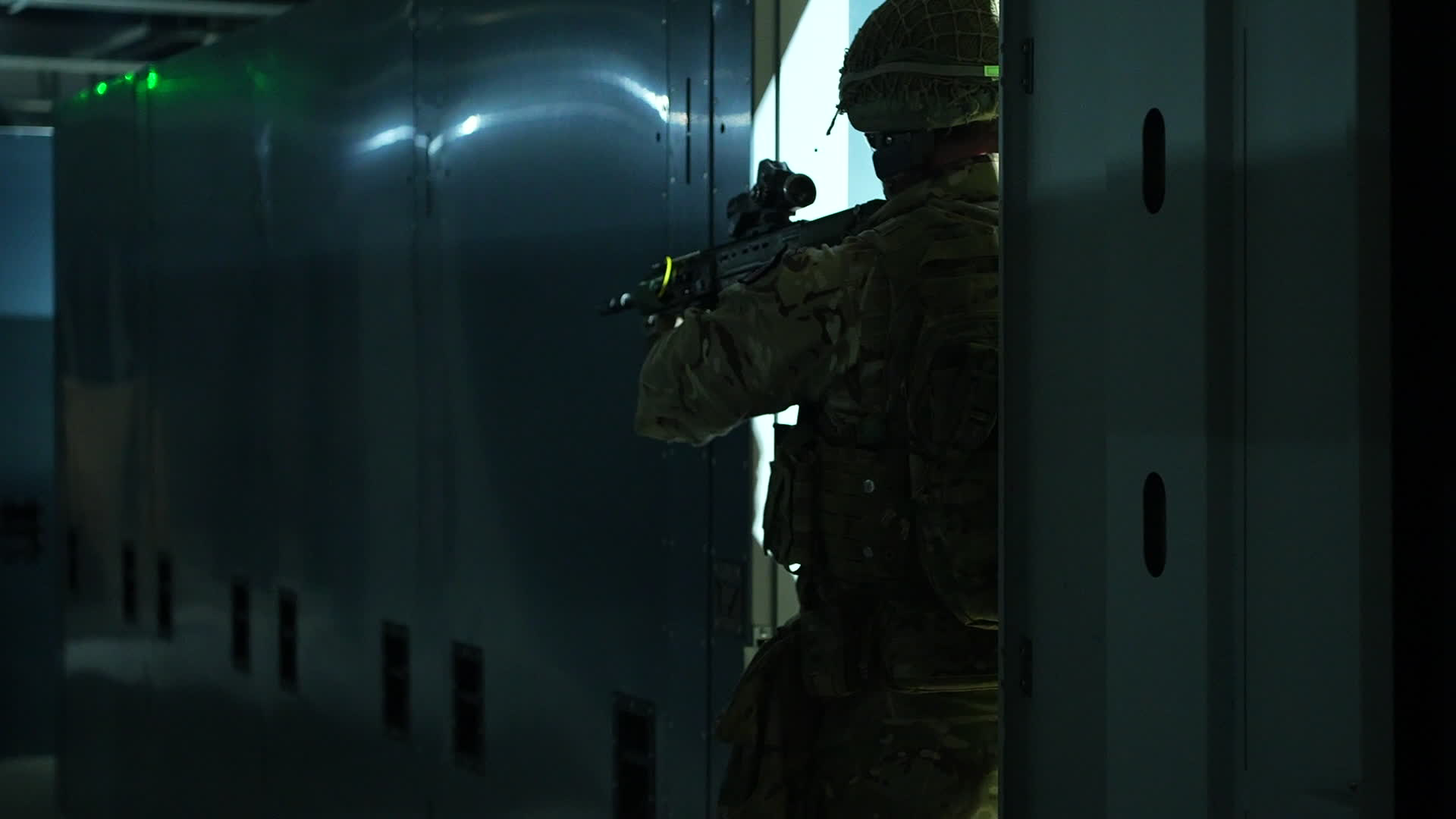
We're seeing CQB used alongside drones on today's modern battlefield in places like Ukraine and Gaza, where soldiers are clearing buildings and navigating subterranean environments like tunnel networks, whilst avoid booby traps.
Similarly, trench warfare, which is usually associated with the First and Second World Wars, has made a comeback on the modern battlefield.
Fighting in trenches is has become even more relevant with the war in Ukraine now surpassing the length of WWI. Although, with drones littering the skies and the use of electronic warfare, fighting in the trenches is arguably even deadlier than historical conflicts.
Endorsed from the top
Last month, the head of the British Army acknowledged the importance of Close Quarter Combat on the modern battlefield, arguing that land forces are still a decisive instrument for winning wars despite the UK embracing new technologies such as drones and AI.
Chief of the General Staff General Sir Roly Walker, speaking at the Rusi Land Warfare Conference, said: "If there's one thing that's come recently out of some of the insights that RUSI have made about the battles in Ukraine, you've got to be brilliant at the 40-metre shoot, because you're in trenches, you're in buildings, and you're in tunnels. And that's what we expect our soldiers to be good at."
One way the British Army is meeting the modern needs of warfare is refining its own Close Quarter Battle doctrine.
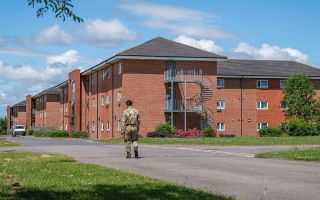
BFBS Forces News visited the Infantry Battle School in Brecon, Wales – the only place in the British Army where you can become a Close Quarter Battle Instructor (CQBI).
In a world where social media is full of unsafe tactics, it sets the standard, with the aim for instructors to go back to their units and pass the tactics on, ensuring the standard is maintained across the British Army.
However, with most casualties in Ukraine caused by drones, is CQB still relevant? Colour Sergeant Gavin Dillon, the course chief instructor, told BFBS Forces News: "Ultimately, as an infantry soldier, every piece of ground has to be cleared.
"Somebody is going to have to clear that ground, whether it be a room, whether it be, you know, any part of the terrain – somebody going to have to clear it, and although you start smacking drones into things, sometimes you will have to clear it, physically."
Only the best will pass
The course sees soldiers, ranging from Corporals to Captains, using universal CQB tactics and commands across a variety of environments: urban combat, woods, forests and trenches.
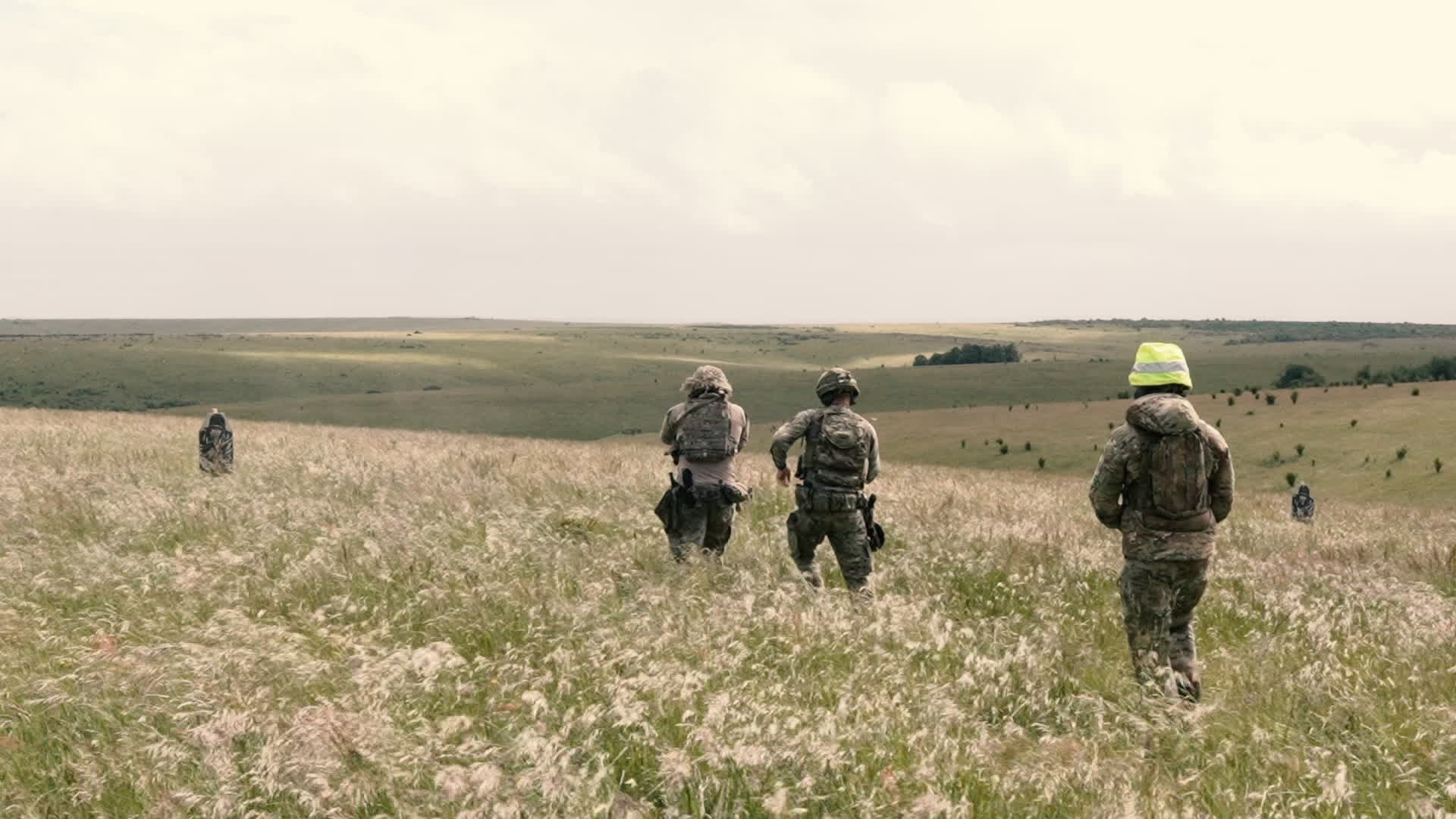
The idea is that these updated CQB tactics can be used in any environment with a universal set of commands, so if soldiers went from fighting an enemy in a building, into a new environment such as a wooded area, they could keep battle momentum and lethality up.
It's a tough course, designed with oversight by one of the UK’s elite military units. 30% of the soldiers won't make it to the end.
For those who do, they will need to have achieved a minimum pass mark of 80% on a variety of assessments, including marksmanship, a tactical evaluation and their ability to instruct others all while maintaining high safety standards.
With a maximum ratio of 1 directing staff member to 6 students, there's little place to hide.
Lance Sergeant Cameron Martin said: "I felt like I had a reasonable amount of knowledge about CQB, but coming on this course, it's massively improved that.
"[I'm] one hundred times more confident now."
With the students increasing their marksmanship on average by 30%, the training fits in with the British Army's goal to increase its lethality 30% by 2030.
The aim of the course is that, in theory, recruits at depot can be taught these tactics and commands, so they are ready to perform when dropped straight into regimental duty and on operations.
By the end of the course, each firer gets through, on average, over 1,700 pistol and 1,400 magazines each. They'll likely fire more ammunition on the course "than they've probably done in the last five years of regimental duty", according to Colour Sergeant Dillon.
Colour Sergeant Liam Rafferty, who was awarded Top Student, added: "It's soldiering at its purest form.
"It’s a hard course. Achieving 80% on every test or above is extremely difficult, but the students that I had on this course with me, they've taught me invaluable stuff, they made me grow as a Commander as well as a soldier."
Related topics
Join Our Newsletter