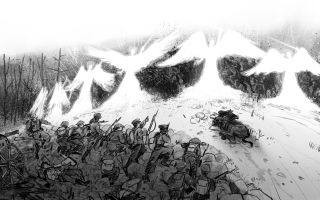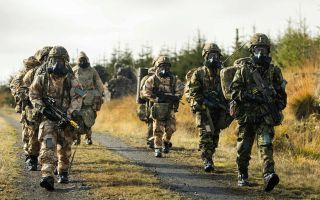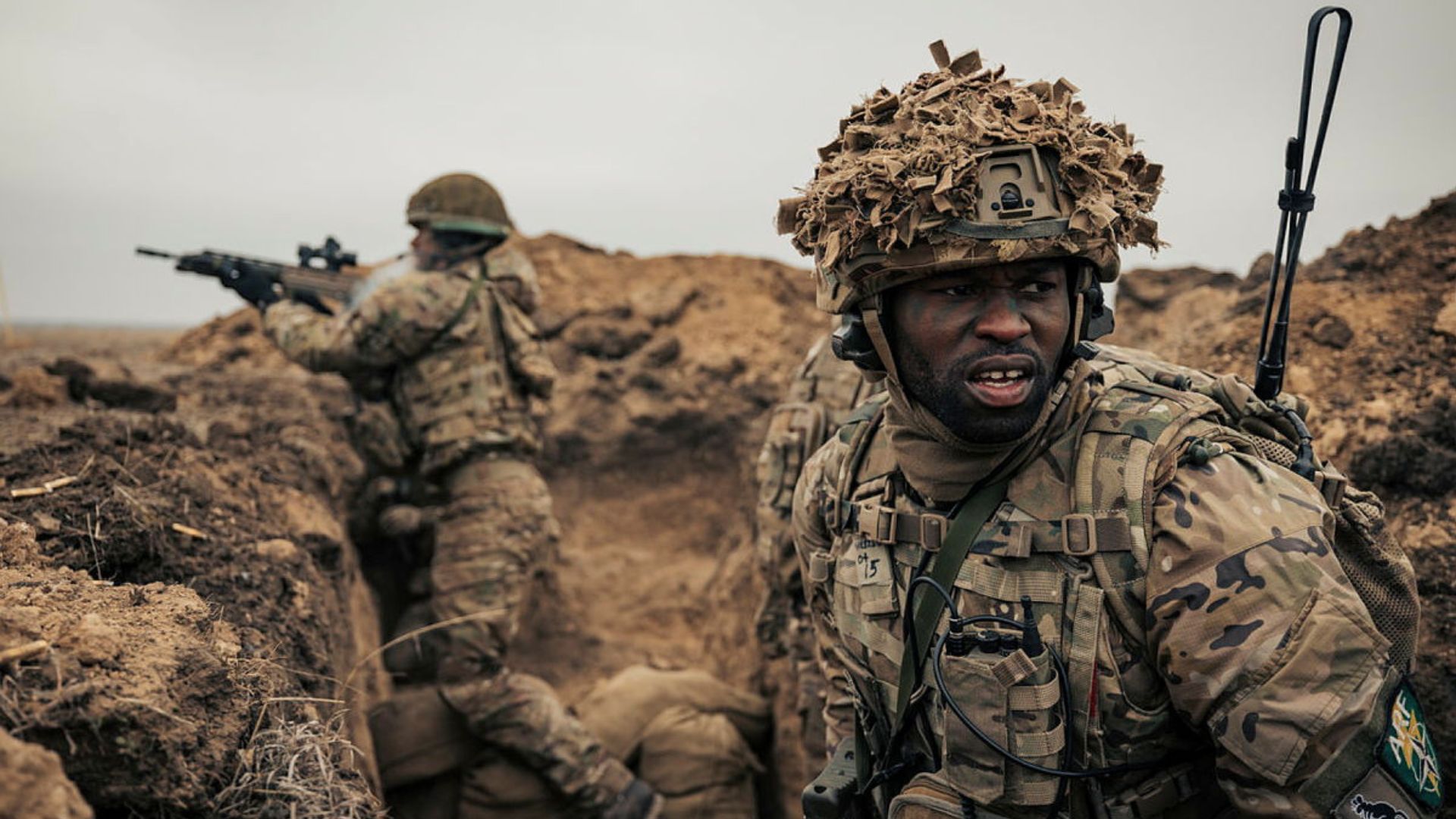
Take a look at any image of Ukraine's frontlines, replete with soldiers armed with spades and mud walls reinforced by sandbags, and you'd be forgiven for thinking you’re looking at an image from a hundred years ago – save for the drone debris of course.
That's because trench warfare might be associated with the First and Second World Wars, but as any line infantry soldier will tell you, it's a crucial component of their fundamental role: to take and hold ground.
The Chief of the General Staff agrees. "Only armies seize and hold ground, and only armies remain when wars end," General Sir Roly Walker told the RUSI Land Warfare Conference back in June.
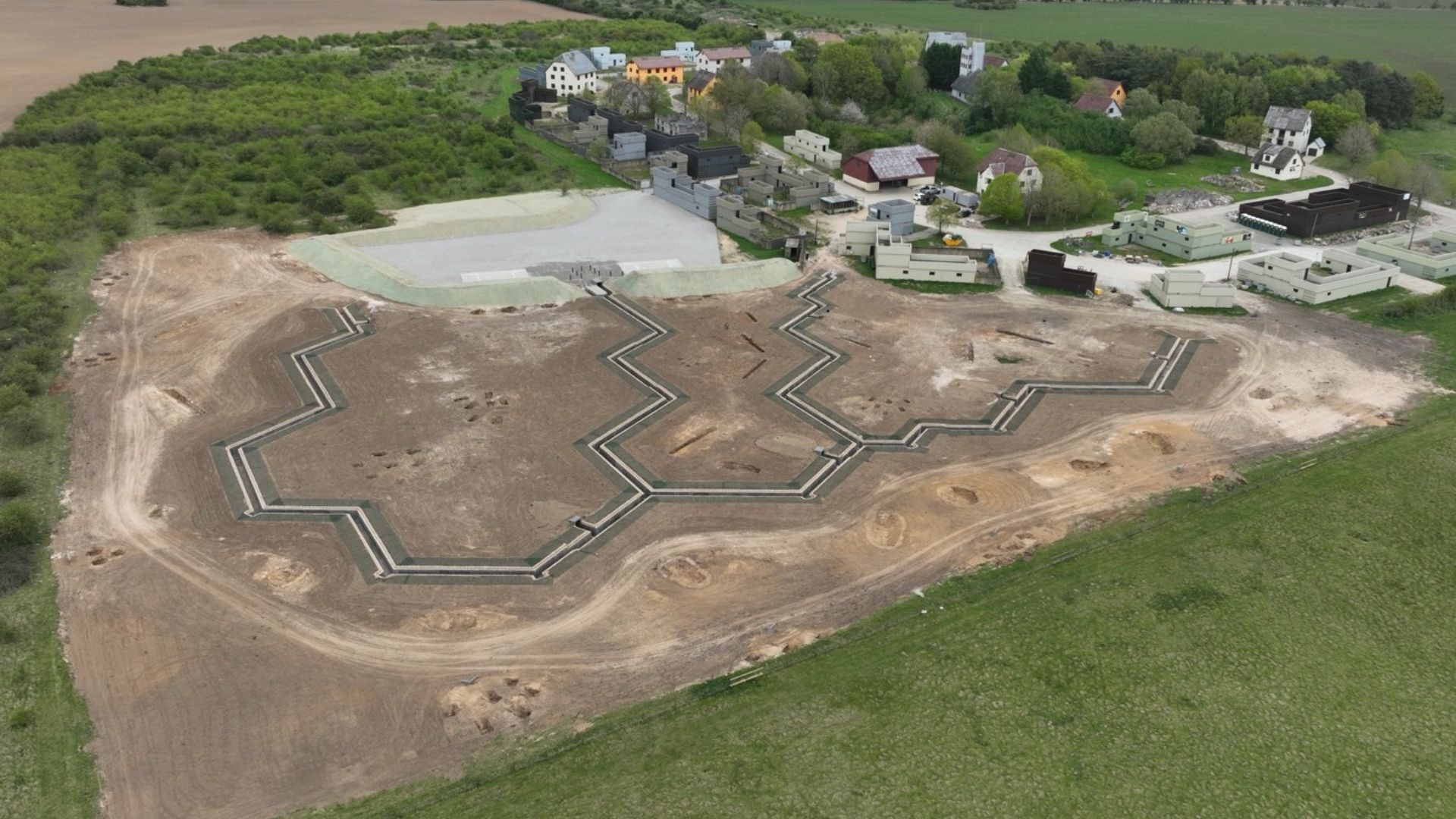
To give soldiers a chance to hone their skills in these oldest of military structures, the Government has invested more than £4.4m into new trench infrastructure at Copehill Down Training Village on Salisbury Plain and Eastmere Village in Norfolk.
Features will include extensive trench networks, fighting positions, covered command posts and protected shelters offering realistic scenarios for personnel.
Yet this new project raises two key questions: why is trench warfare so vital in helping armies win wars – and why did these cost so much to build?
Battle of drones
From their First World War origins to today, trench fortifications have "stood the test of time", military historian Professor Peter Doyle told BFBS Forces News.
Nevertheless, with the war in Ukraine moving from the earth to the sky, and drones a defining characteristic of the frontline, are traditional and open-air trenches becoming obsolete?
Prof Doyle argues no.
"We view trench warfare through the lens of 1914-1918, and we see that as absolute horror," he said.
"But we tend to forget that trench warfare was used in the Second World War, it was used in the Falklands, it's used wherever there is a war going on.
"Unless we came to a war where it was airpower alone with absolutely no need to deploy human troops, then that's not a world I think that we could envisage."
As of now, both Russia and Ukraine are caught in a stalemate, with neither side managing to seize air superiority. It further highlights the necessity of boots on the ground.
Prof Doyle also pointed to the fact that the use of airpower alone in the US-Iran war was not bringing results.
"Incredible airpower, yes. But ultimately you're going to have dogged resistance from the enemy upon which you're raining down fire," he said.
"Once we end up with a war which involves two sides engaged… then we will end up in some form with having to have defensive positions because you're going to lose a lot of soldiers.
"These are all indications of why field fortifications have to be taught, need to be taught and are still a major part of the curriculum of the engineers today."
Why not just dig them?
Still, if you are like me, and remember fondly digging a shell scrape on Salisbury Plain shortly after an arduous yomp, you would be forgiven for questioning why personnel cannot just dig it themselves.
According to Prof Doyle, the answer boils down to manpower.
"During the First World War, when we think about trench warfare, the great mass of men, the citizen army that was recruited in 1914, grew to five million men by the end of the war," he explained.
Most of those men would eventually serve on the Western Front, where digging and maintaining trenches was a fundamental part of the war effort.
"With such a huge extent of manpower, part of their training, engagement in that training, meant that they had to understand not only trenches, but also how to dig them," he added.
"Now, in today's modern Army, we don't have five million men. And certainly we want to make sure that, starting from scratch, they would train in trenches that were built to the current standards of today's battlefield.
"I think it would be a fairly large waste of resources to use the manpower that we have today in digging trenches."
That said, he argued that a greater emphasis should now be placed on making them more effective and better suited to modern conflict.
Join Our Newsletter