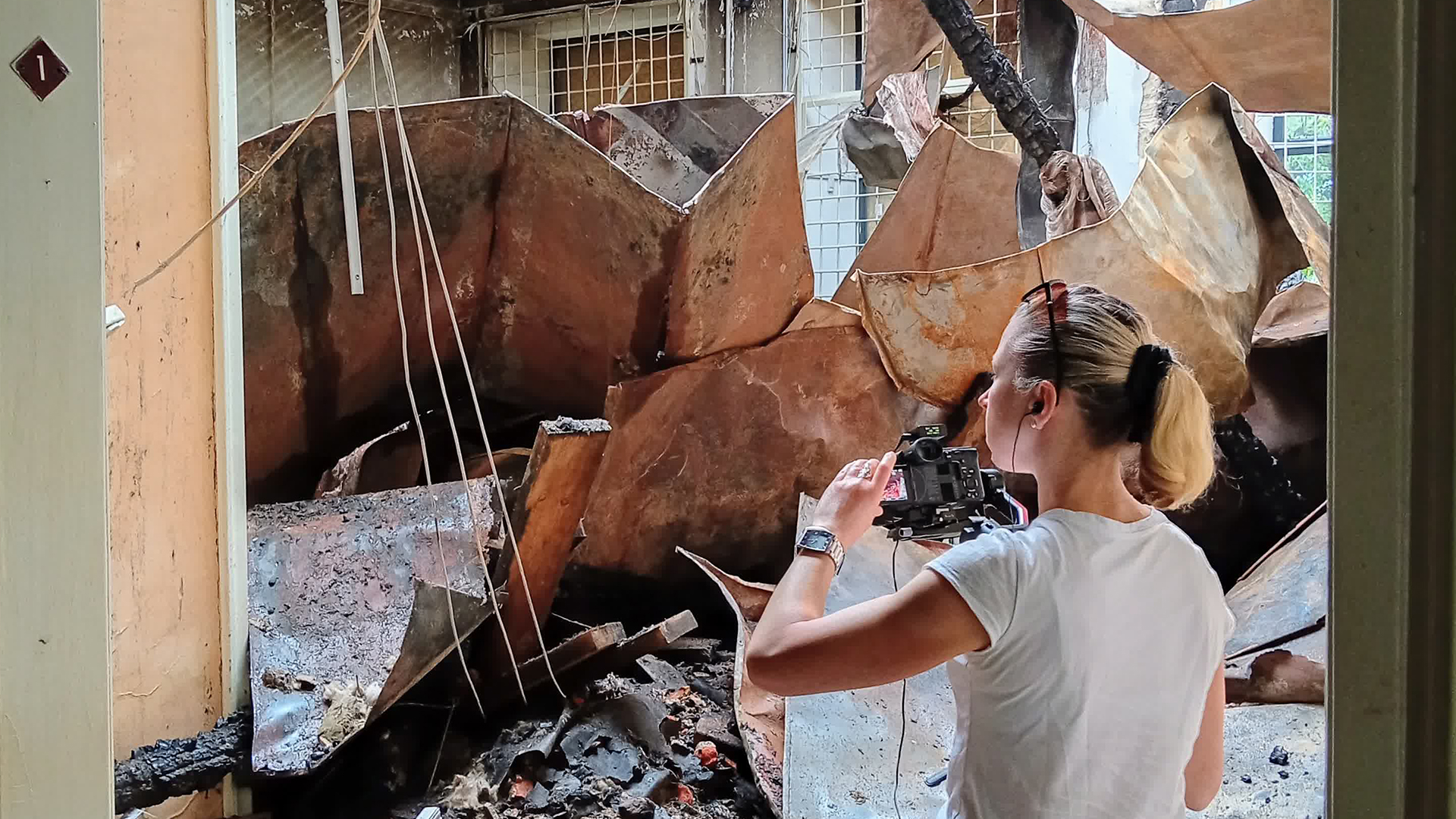
Ex-British military in Ukraine to train responders in wake of Russian attacks
Ukraine is benefiting from British military expertise thanks to a disaster response charity called REACT which is composed largely of former personnel.
REACT has been sending small teams to Ukraine since Russia's full-scale invasion began in 2022, and responders have just returned from the organisation's 15th deployment.
Recent deployments have been focused around getting life-saving skills to the ordinary people of Ukraine.
Ordinary people turned into life-savers
The nature of this war means it's not just those fighting on the frontline who are at risk.
Drones and missiles are launched at Ukrainian towns and cities every single night. Most are intercepted. But some are not.
Whilst we were there an art museum in central Kharkiv was hit by a Shahed drone. A second strike minutes later killed the rescue workers who'd just gone inside.
The same night in Kyiv, a monastery was hit.
As Russia keeps targeting Ukrainians, these people need the skills to cope.
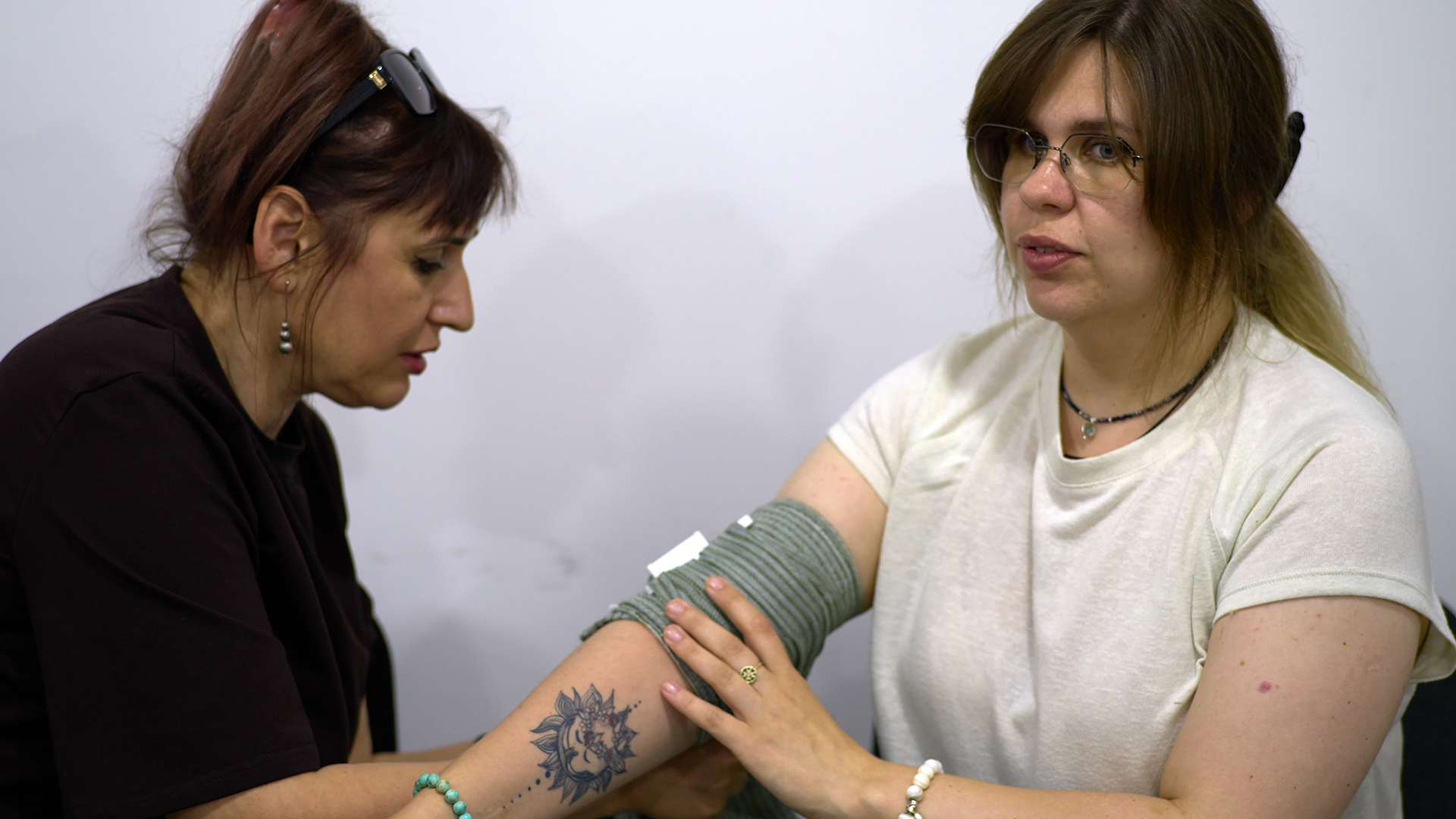
On this iteration of Op Pace, two teams visited six towns and cities close to the frontline delivering basic skills from how to apply a tourniquet, to how to evacuate a building and keep someone warm.
They trained teachers, journalists, charity workers and humanitarian teams.
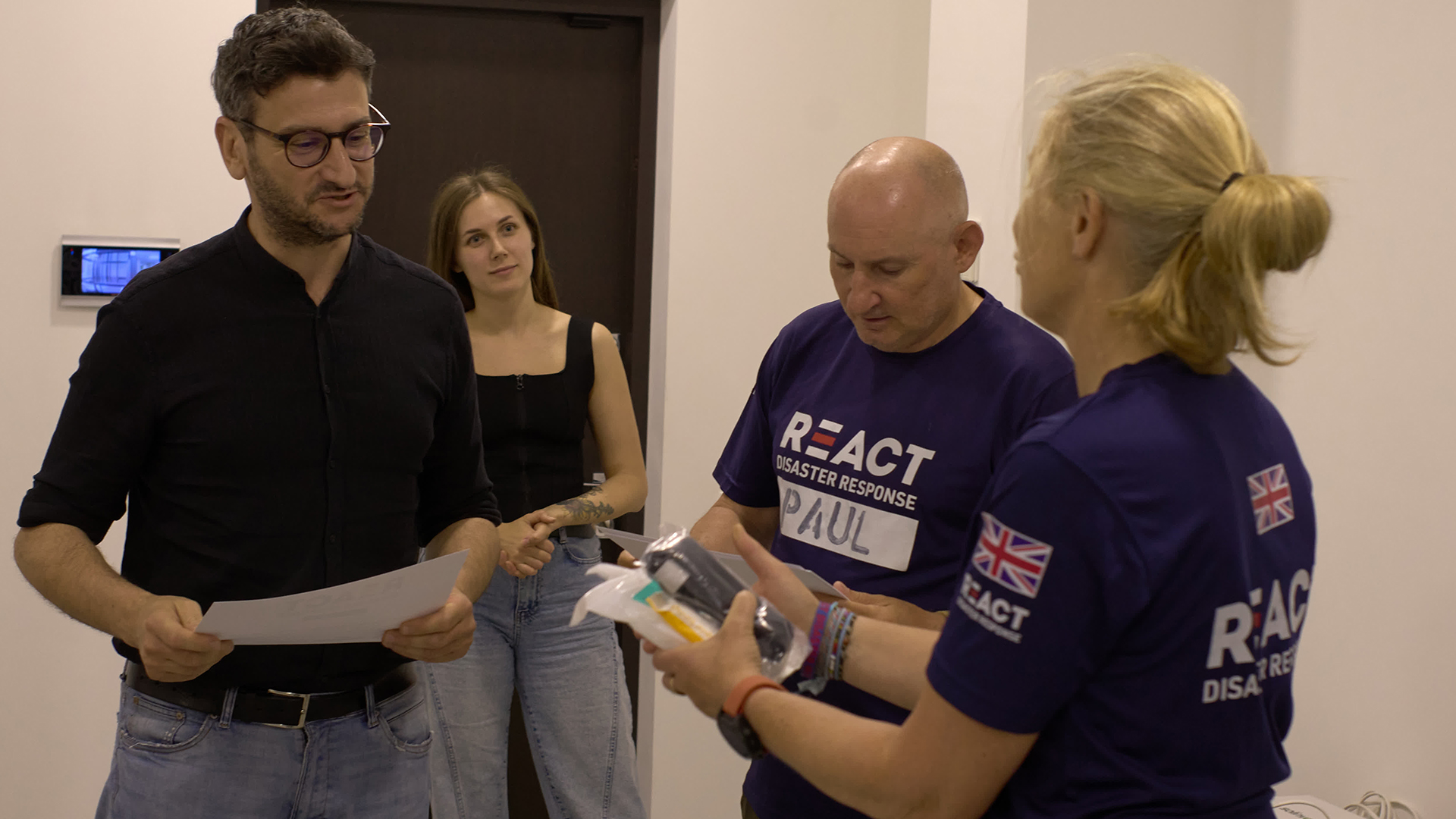
"We're teaching certain organisations and groups of people," explained former soldier Paul Taylor.
"But as you get closer to the frontline, you find parents, grannies, anyone turning up because they've heard there's training happening that might help them."
Deeds, not just words
Participants on the course shared stories. One recounted the time they saw a child pick up a PFM-1 anti-personnel mine, which is often referred to as a butterfly mine.
Their arm had to be amputated. Such stories are not unusual.
Arina works for an organisation that instals water towers across the Mikolaiv region.
She explained that every time their technicians leave the city they are at high risk of attack from drones and missiles.
"I'm so grateful to have such a cool experience because it wasn't just words, it was lots of practice," she said.
"I practised putting bandages around the head and inside the wounds. At least I know I can now go on humanitarian visits and I won't die. I'm so grateful."
Knowledge backed by skill to use it
Reflecting on the deployment, responder Ian Corten said: "The warmth we have received and the interest shown in the classroom has been very humbling.
"Although the people we have met are in the middle of a war and have no idea what the future holds for them and their families, they have given us such an incredible welcome."
The responders leave those they teach with a basic trauma kit.
"We aim to put knowledge in their heads and skills in their hands," said Paul.
Join Our Newsletter