Shortening the kill chain: Army taking a more integrated approach to make it more lethal
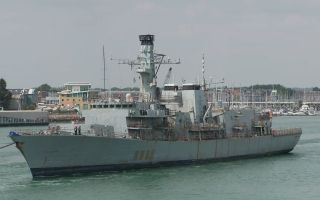
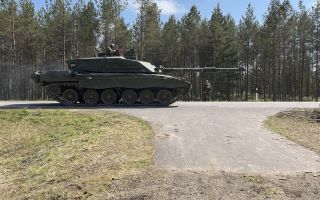
The British Army wants to double its lethality by 2027 and triple it by 2030 – and one way it's hoping to achieve this is by using something called Lattice.
This system joins up and integrates all the sensors and effectors the Army currently uses.
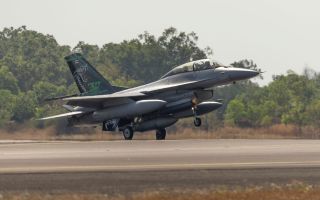
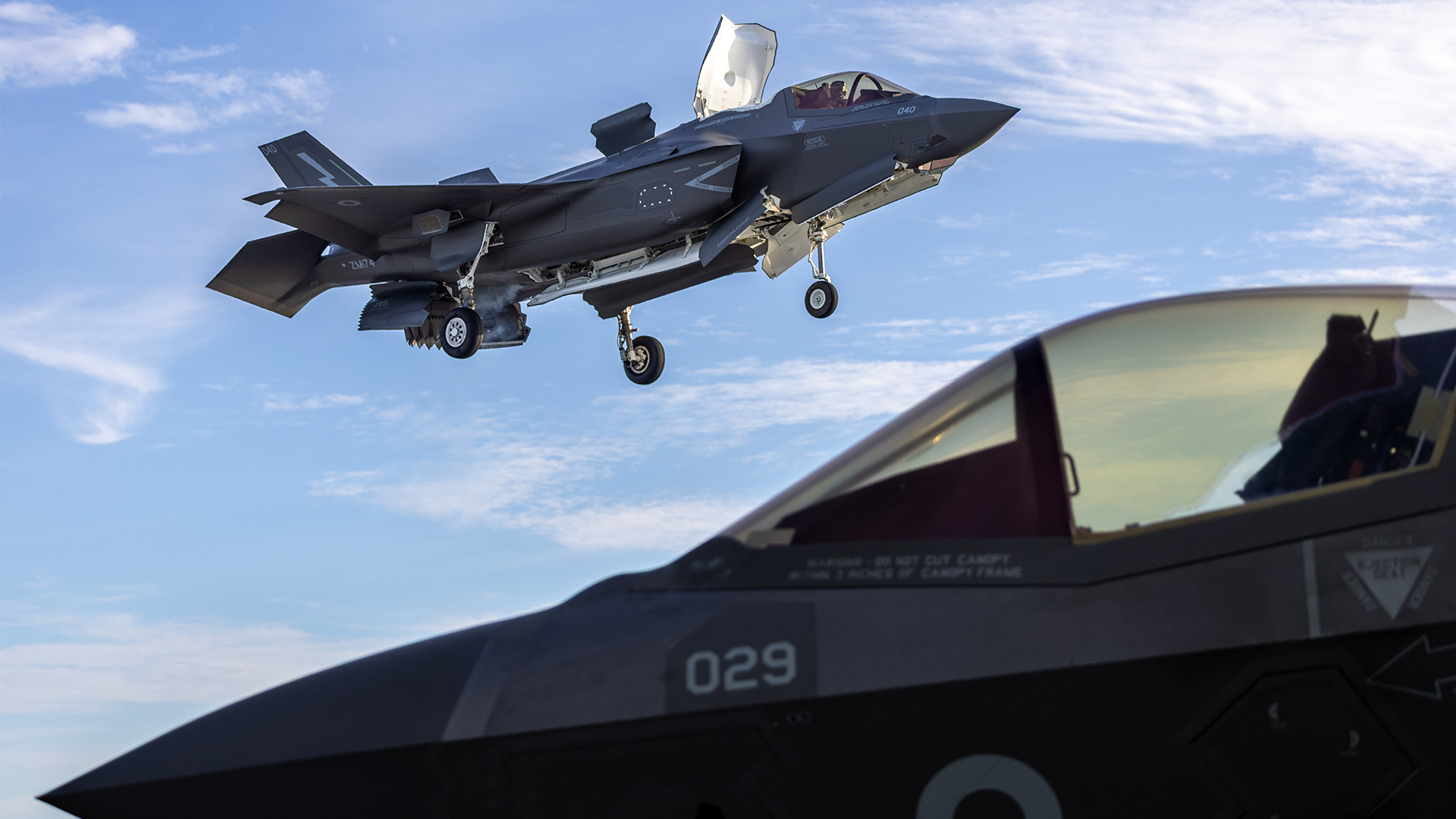
In other words, all the assets available to it, whether that be loitering munitions, attack drones or F-35s providing close air support, can all be monitored and tasked from one screen.
Machine speed, not human speed
Anduril, the company behind the system, describes it simply as getting rid of the swivel chair.
Managing director Rich Drake told BFBS Forces News: "In the past, maybe two different companies had two different systems and you would have to transfer data from one to the other by writing it down, swivelling your chair across and typing it into another system.
"And the beauty of software like Lattice means we can integrate those natively and speeding up decision cycles in what we call kill chains, again, to help the Army become more lethal.
"If we think of how Lattice is used, an operator may be looking for a Russian air defence system and have assets in the air, sensors in the air, such as radars or cameras to find it.
"When those cameras find the air defence system, what Lattice can do is make the connection between the sensor to the effector, which may be a fighter in the air or a one-way drone ready to make that attack.
"Lattice then makes that connection and creates a kill chain – and creates that kill chain at machine speed – computer machine speed rather than at human speed."
Human operators given options
Mr Drake said Lattice would then have the ability to create options for the human who sits on the loop, such as what's the most effective way of eliminating the air defence or the quickest or the cheapest.
But while the system is capable of making the decision for itself and closing the kill chain – that job is left to the soldier.
"It could do this fully autonomously," said Mr Drake. "Right now, there is a rule of law around warfare and we completely support that at Anduril.
"We support any rule of law or any way the military wish to use it... the human will always be involved."

A new use for an old RAF base
Anduril has been demoing Lattice at its new test site on the far northwest coast of Wales.
It's actually a former RAF base. The old runways are useful, as is the geographical location, providing hills, sea and all manner of weather to test and train personnel on their systems.
Soldiers from 11th Brigade are currently there training on three UAS systems, all joined together through Lattice.
11th Brigade is the Land Special Operations Force's fighting formation, designed as a covering force to intercept, engage and deceive the enemy.
By integrating the latest robotics, as well as autonomous and uncrewed systems, the brigade is at the cutting edge of Army modernisation.
It's also a key component of the Advance Force, working with partners before a conflict or first responders during a conflict.
Related topics
Join Our Newsletter