'Not my best landing': Casual remark follows biggest parachute drop in UK for 10 years

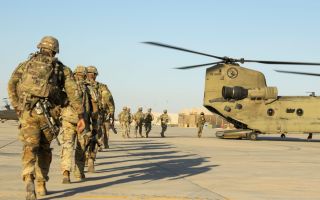
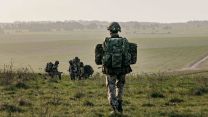
On an early morning in the heart of Salisbury Plain, 16 Air Assault Brigade has been demonstrating what it does best.
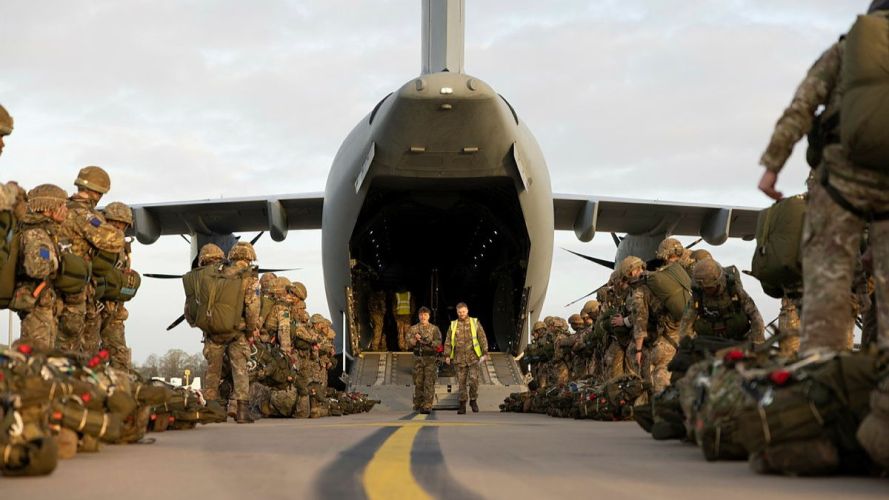
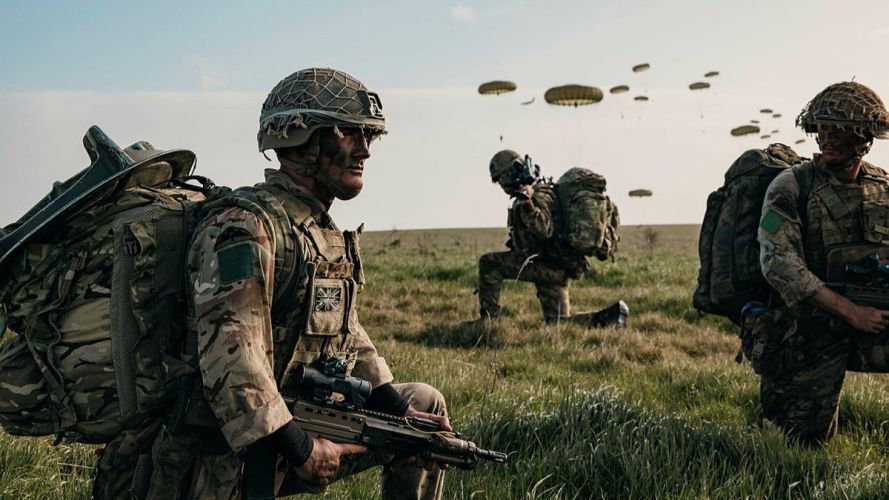
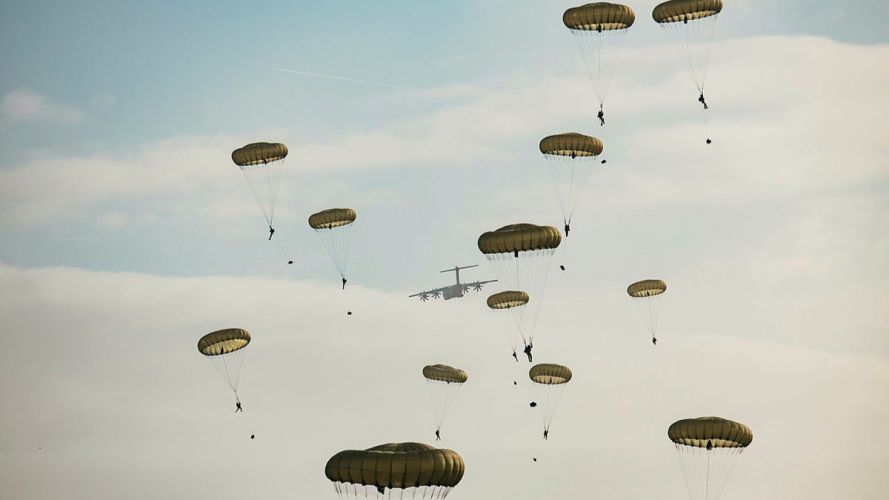
But far from a routine jump, paratroopers from the British military's airborne rapid reaction force had just completed the largest parachute exercise in the UK in a decade.
Made up of infantry and aviation battlegroups, the plan was to demonstrate joint capability in air manoeuvre operations.
Eyes on the target
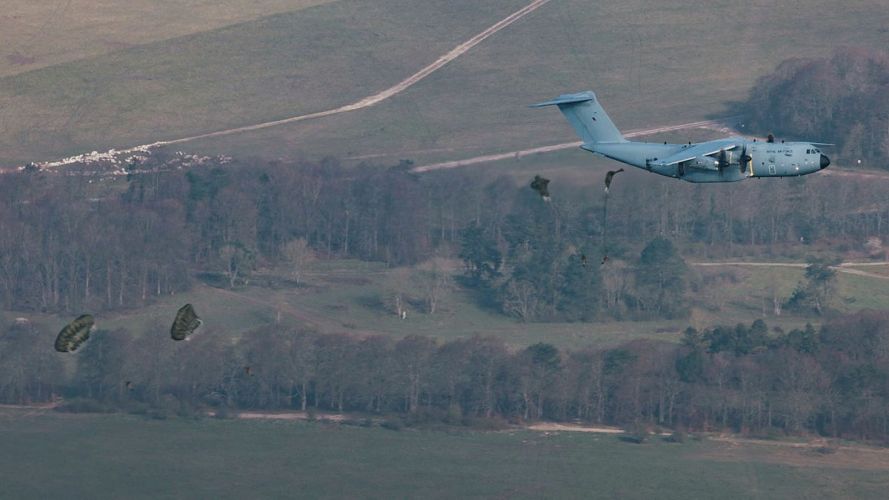
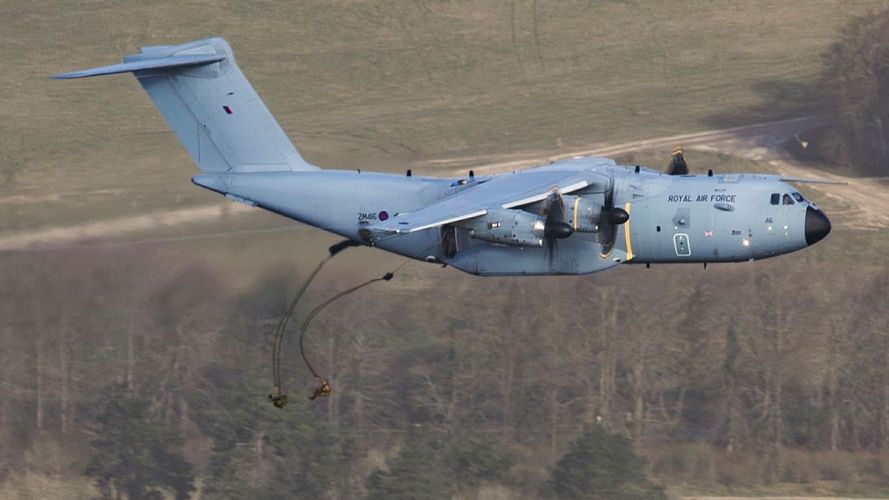
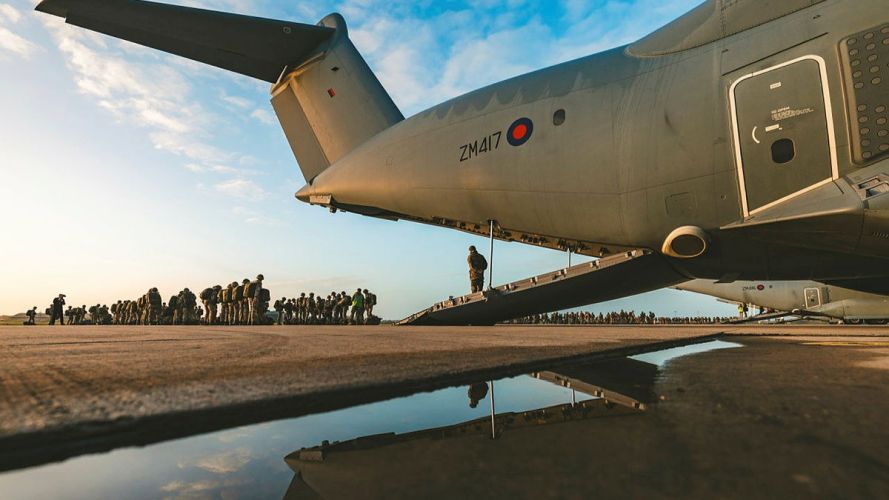
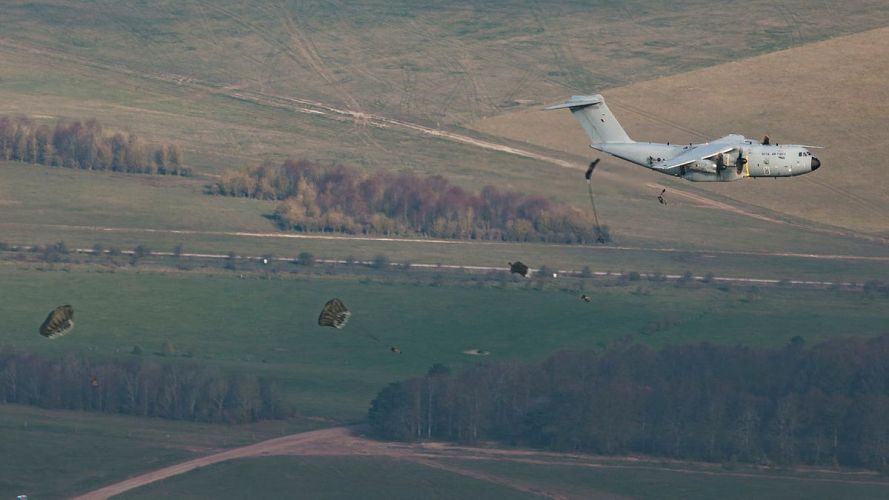
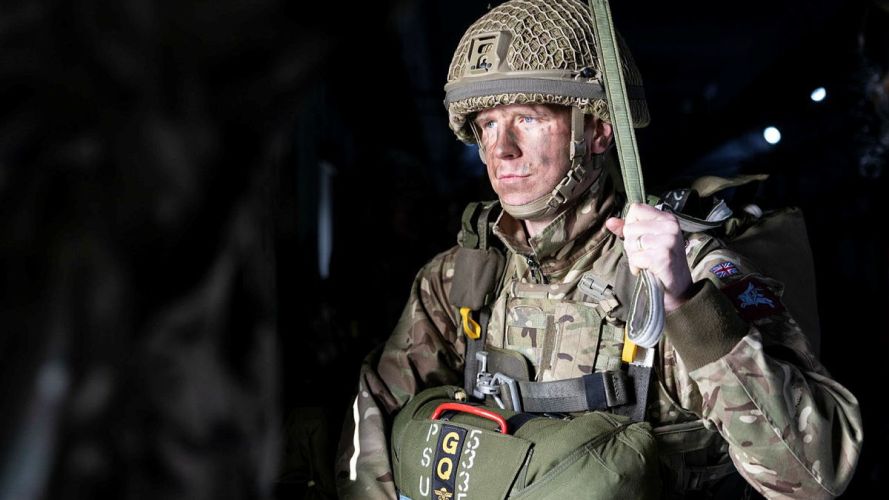
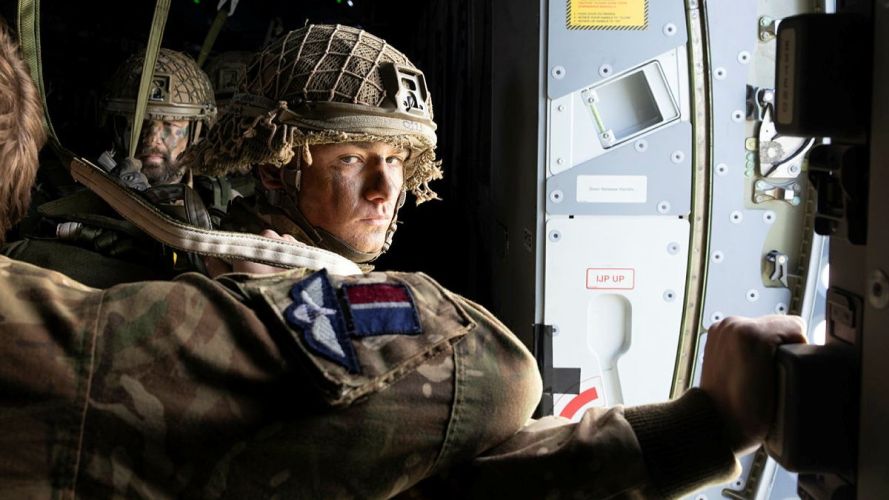
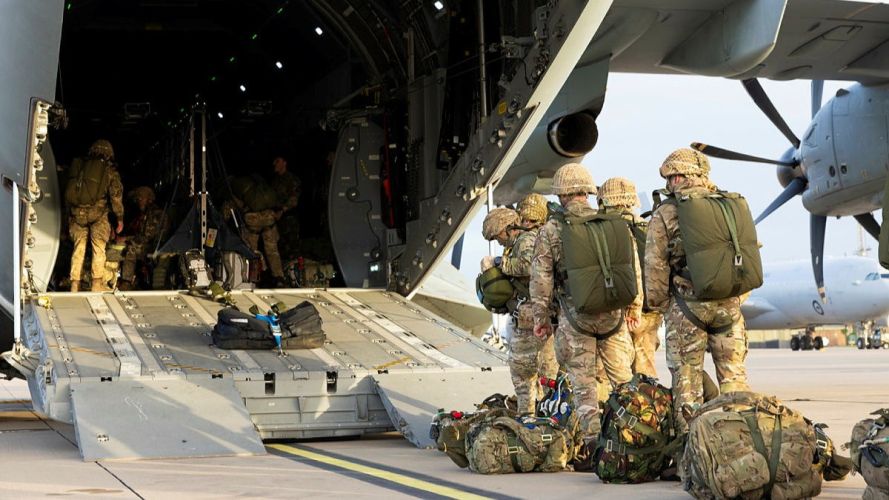
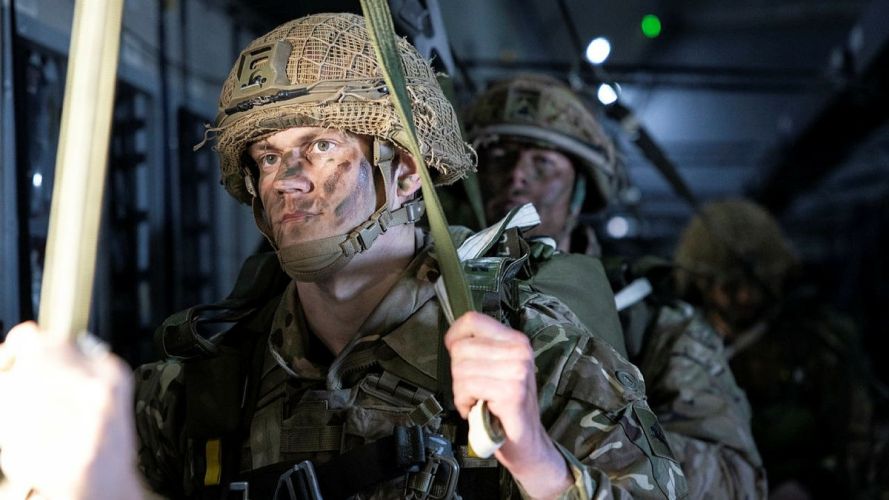
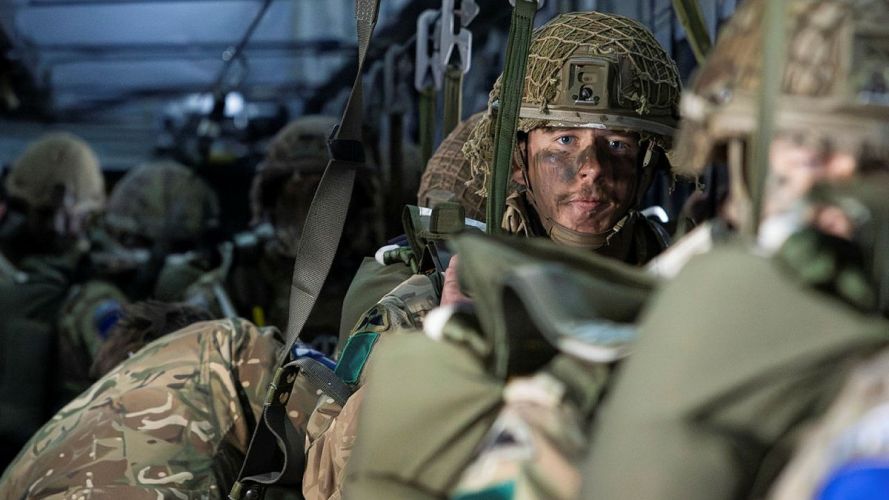
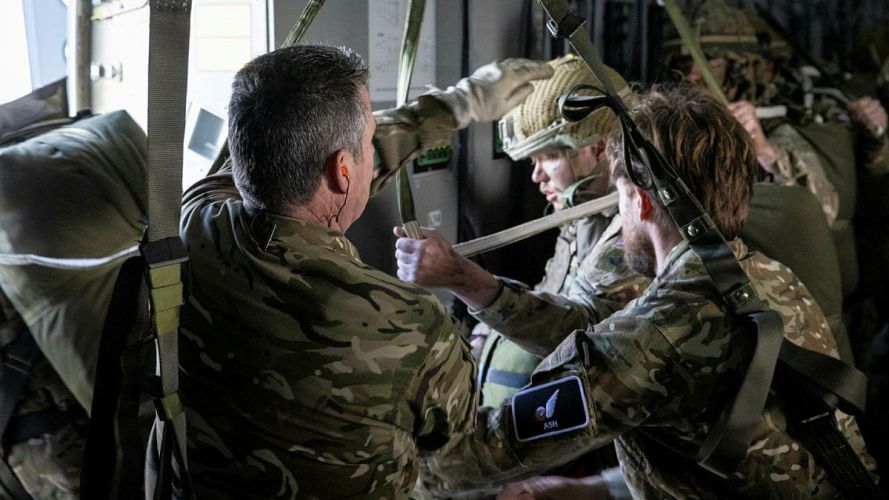
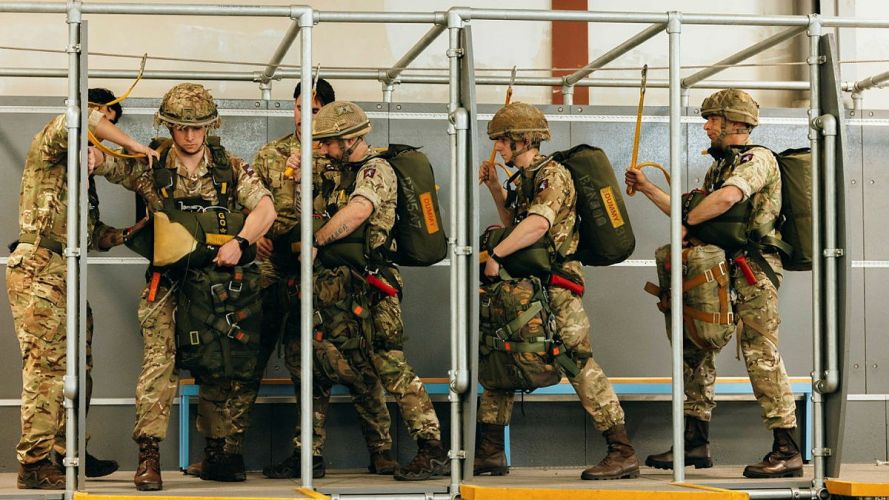
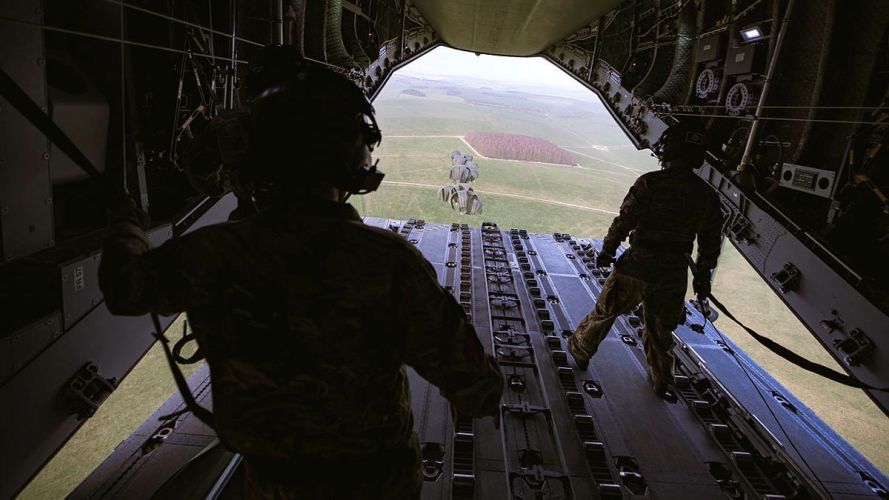
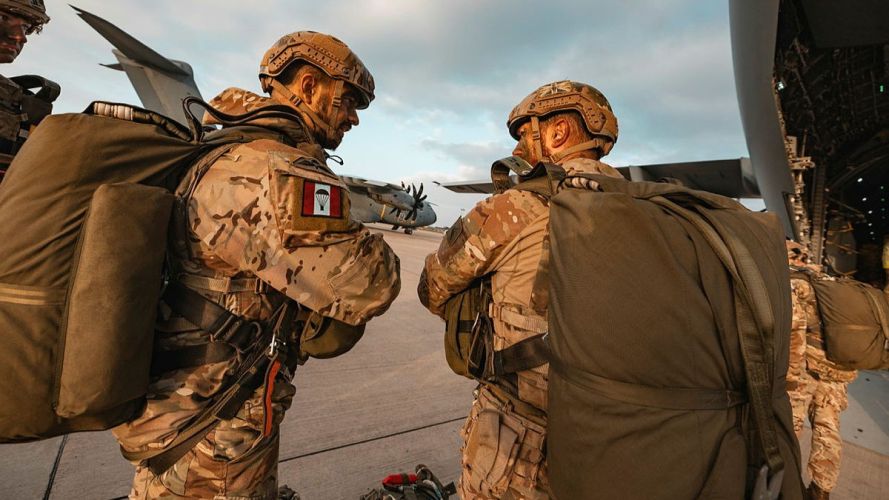
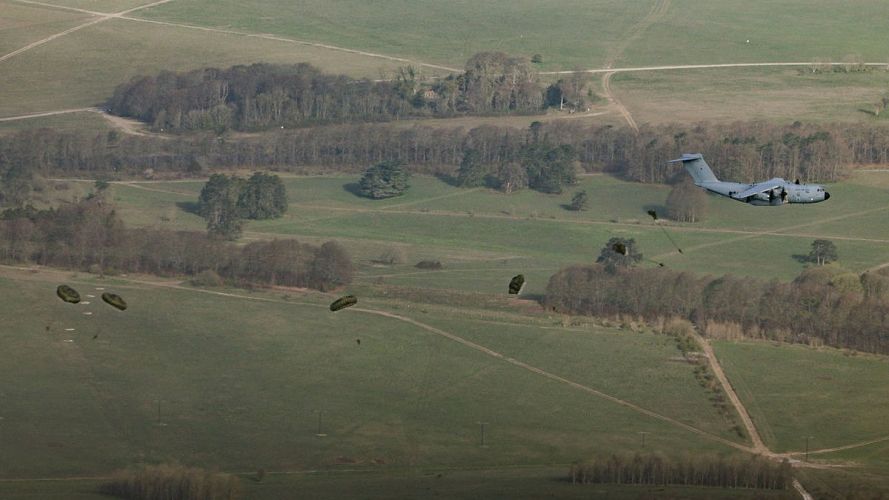
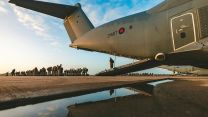
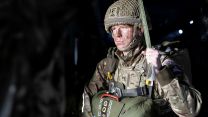
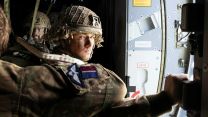
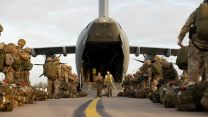
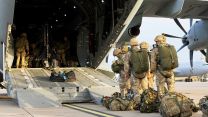
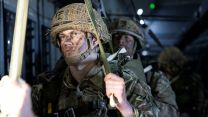
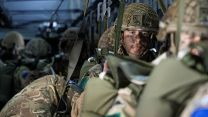
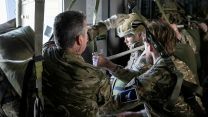
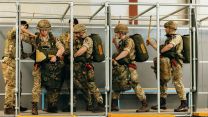
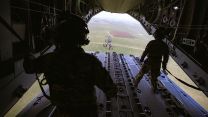
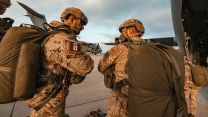
From an RAF A400M Atlas, personnel get ready to jump, nerves creeping in and the anticipation building.
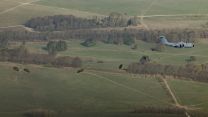
Their target? Two drop zones (DZ) that will soon be beneath them. In just a few minutes, it will be littered with stores, equipment, weapons and ammunition – everything the paratrooper will need to sustain them in the fight to come.
And the 276 personnel highlighting their ability to seize a DZ through a rapid, highly coordinated and aggressive tactical sequence that will secure a foothold deep behind enemy lines.
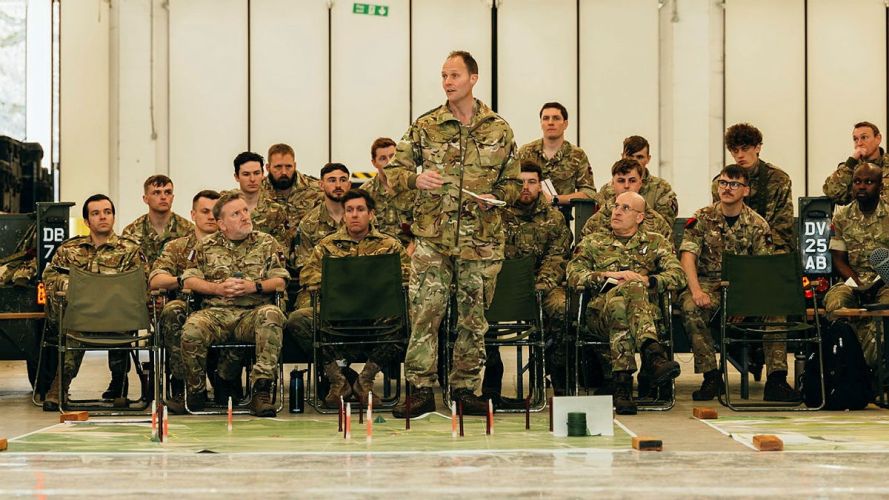
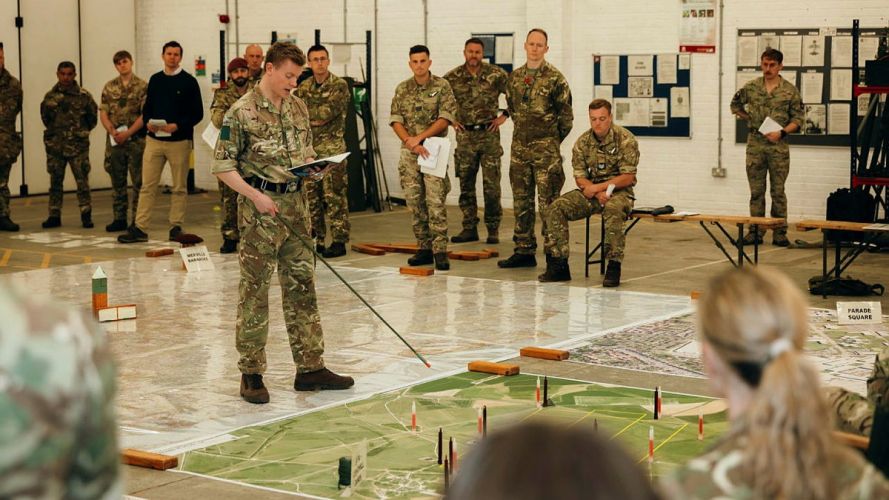
But what type of planning and preparation underpins an exercise like this for personnel held in high readiness?
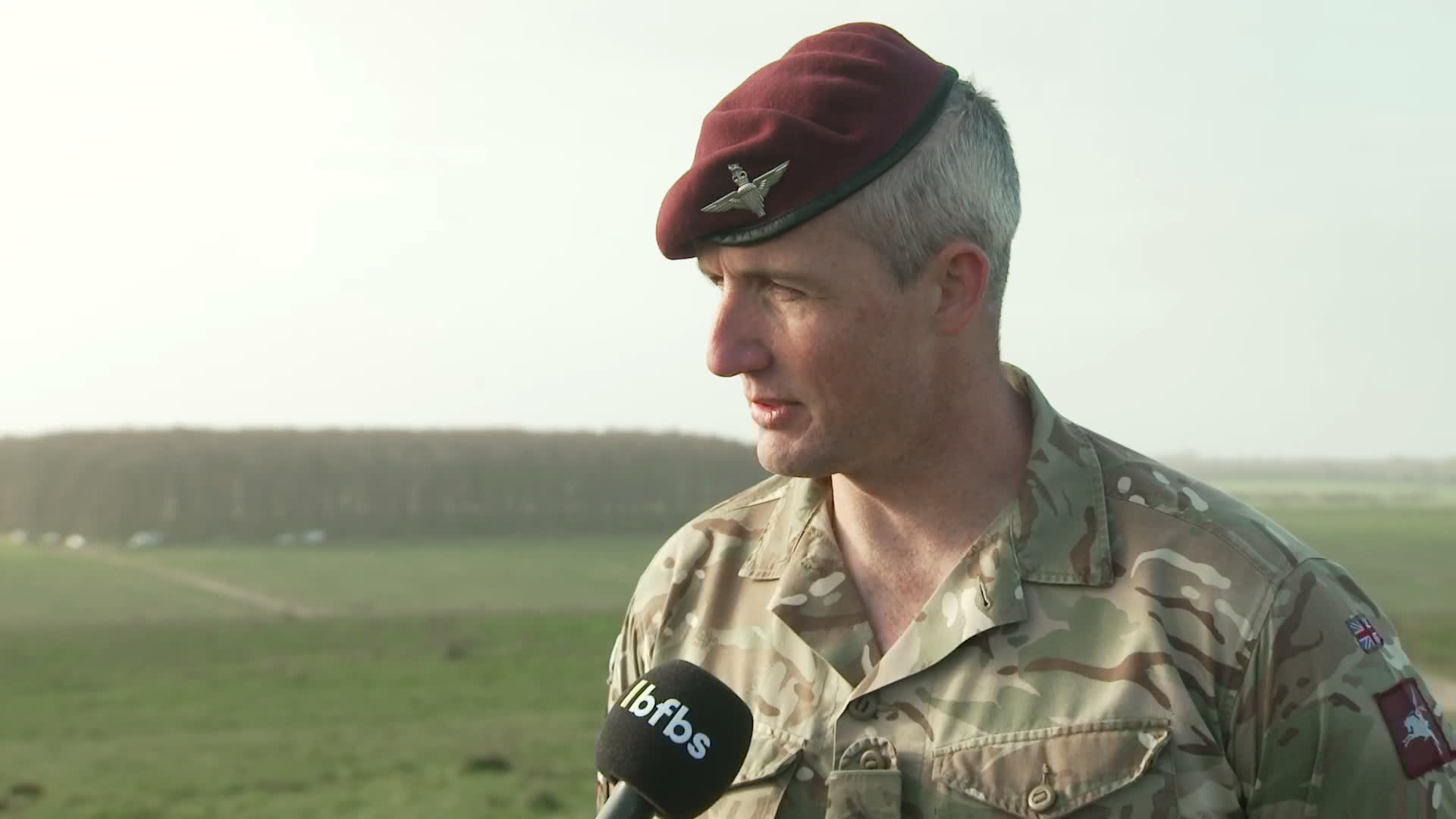
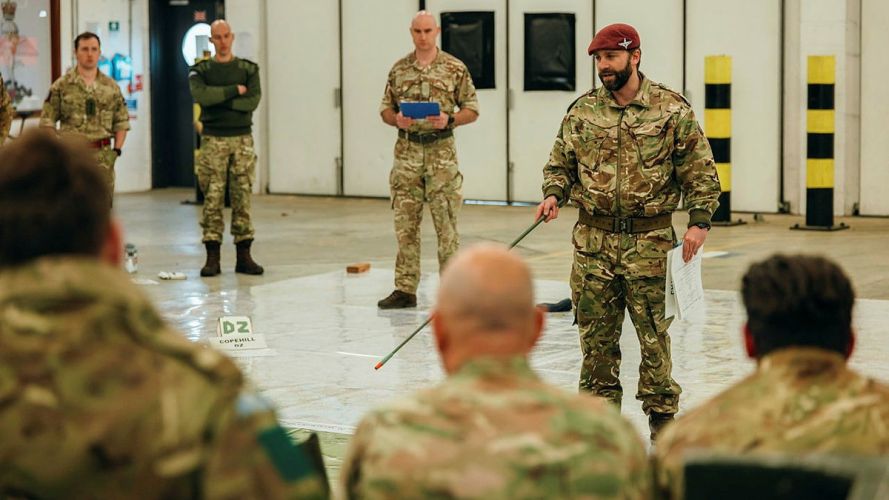
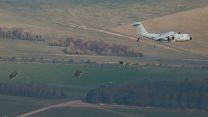
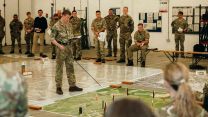
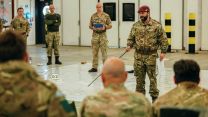
Low to the ground, the A400M begins its advance under the watchful eye of Major Shaun Clarke, Chief of Staff, 16th Air Assault Brigade.
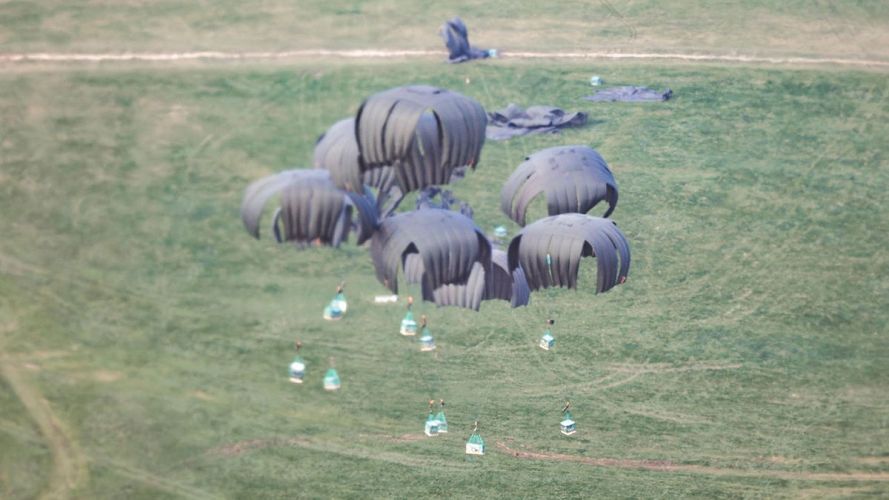
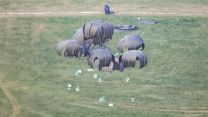
First to be dropped are the heavier stores – javelin anti-tank missiles and 81mm mortars – that an individual cannot carry. These are released adjacent to the troops, ensuring paratroopers never land on the same drop zone.
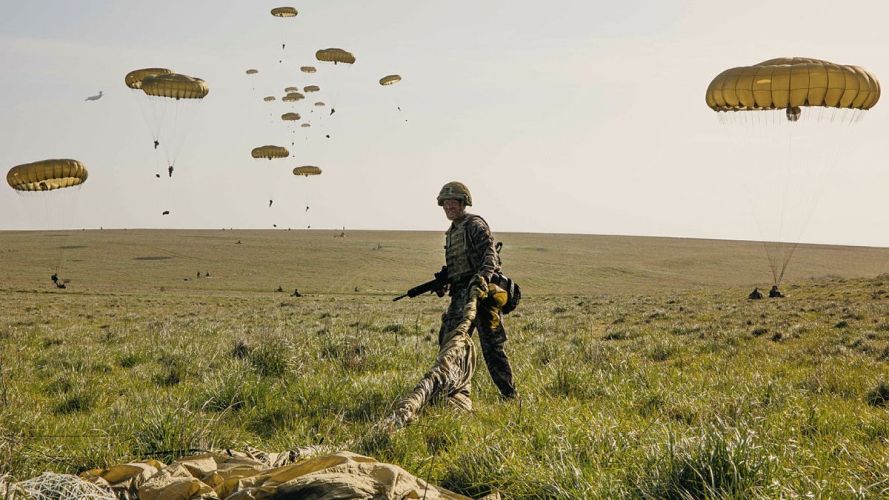
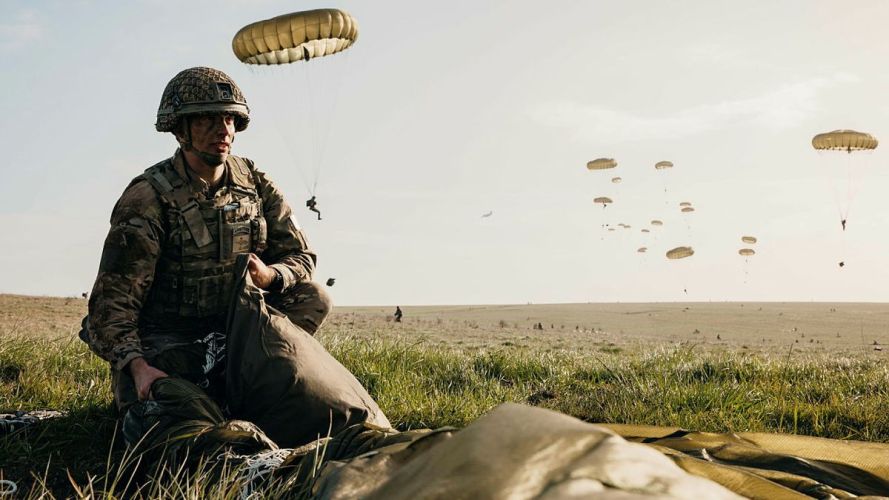
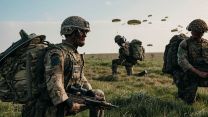
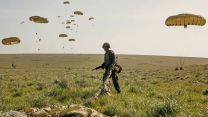
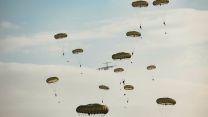
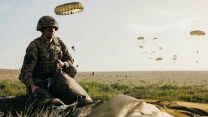
Just 40 seconds later, the next aircraft is sighted, and soon a cascade of parachutes litters the skies above.
Upon landing, personnel adopt a technique known as the parachute landing fall, designed to distribute the force across the body to prevent injury. Essentially, a tight body position with feet and knees together, landing on the balls of the feet first, and a controlled roll.
"That's drummed into us from day one of training," Maj Clarke explained. "This isn't parachuting for fun, this is military parachuting – done hard and fast."
He added that the illusion that they may try to land stood up, is "exactly that".
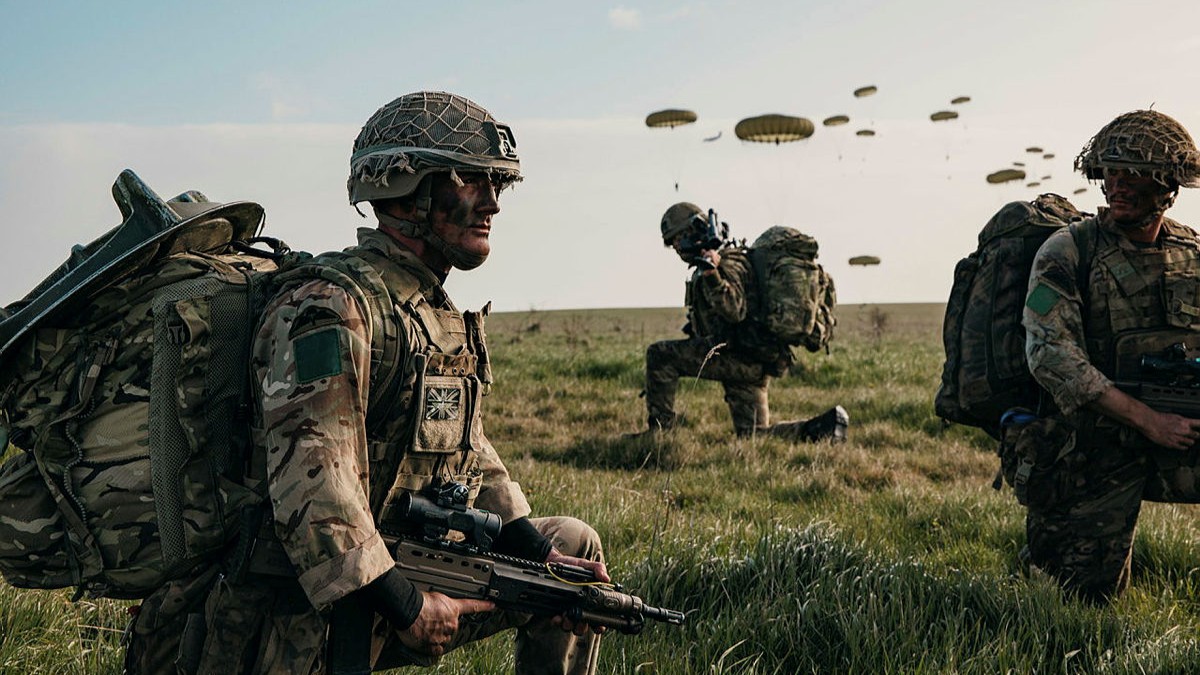
Once safely on the ground, the next course of action is to conduct a Drop Zone Rally, assembling personnel who are likely scattered after the jump. It is a procedure steeped in history, Maj Clarke explained.
"The reason why we carry different coloured flashes on our right arm goes back to [The Battle of] Arnhem. We would rally at a certain point, count people in, and then immediately go and pick up the stores and prepare for action.
"The main point is about being ready for the fight as quickly as possible."
And the symbolism runs even deeper. With 276 paratroopers dropping in, it marks the largest parachute insertion since the introduction of the A400M, and serves as much as practice for those dropping in as for the RAF pilots dropping them out.
"It represents what we know as our lead assault force, which is our lead element that would go into any foreign theatre.
"And what we've demonstrated today is that we can do that right now." He added that under any Nato deployment, he fully expects to be working together in the development of this capability, describing it as very much a "European effort".
'Not my best landing – but I'm down'
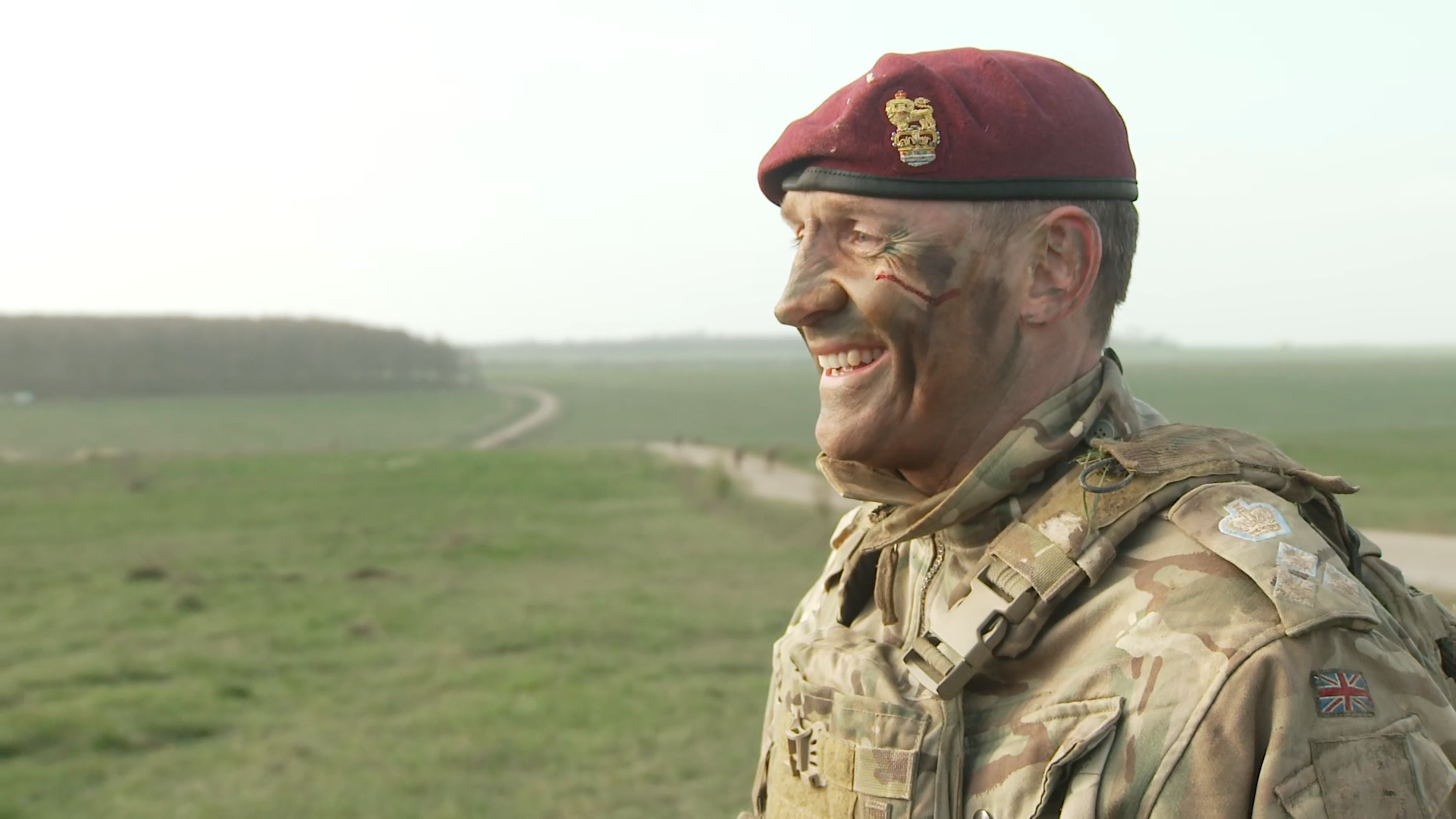
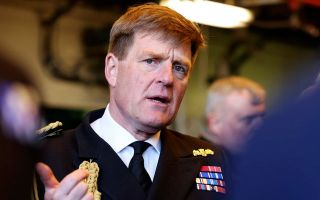
Speaking to BFBS Forces News shortly after his jump, with a bloody gash on his cheek, Brigadier Cartwright joked: "Not my best landing ever, but I'm down – I'm safe, I'm not broken."
He said the deployment of 276 parachutists, four aircraft, 24 tonnes of freight, all in under 30 minutes, had gone to plan, highlighting the importance of these operations in a conflict theatre.
"We can deliver a company, two or three hundred soldiers at two days' readiness," he explained. "We could deliver the best part of a battlegroup, some 1,000 soldiers, at five days' readiness.
"And the best part of a brigade, up to 5,000 soldiers, in about 20 days. Very high readiness – and we're ready for anything."
The Brigade Commander added that "whether we like it or not, violence in the military is a tool of statecraft – and we're here to be used, if necessary".
"It's the only capability that puts troops on the ground almost anywhere in the world at speed and at reach and, as events in the world tell us, putting boots on the ground can matter."
His words underscore the value of parachute capability amid the growing threat from Russia as the new conflict with Iran spreads across the Middle East.
Brig Cartwright added: "We're training for everything from crises, war fighting, right through to humanitarian operations and everything in between.
"This is part of a routine training exercise, rebuilding our ability to parachute at scale as we transition from the old C-130 Hercules transport aircraft into today's A400M."
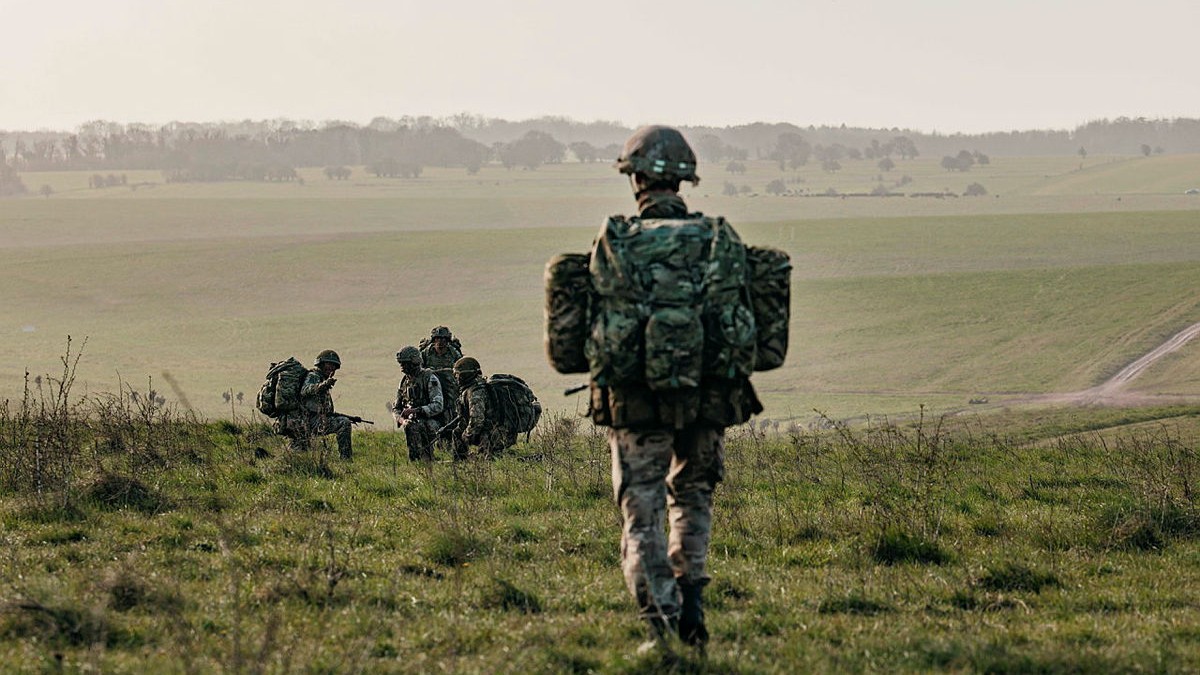
To watch the largest paratrooper drop in the UK in over a decade as it happened, visit our YouTube channel.
Join Our Newsletter