Proposed driving test changes raise questions for the future of Army training

The knock-on effect on the military of new rules that would see a mandatory six-month period for learner drivers between their theory and practical driving tests is still being considered, BFBS Forces News understands.
Learning to drive is a key period of early military service for many. For some – especially those training to become drivers, or who are joining units in the Royal Armoured Corps – gaining a driving licence forms a crucial stage of Phase Two training.
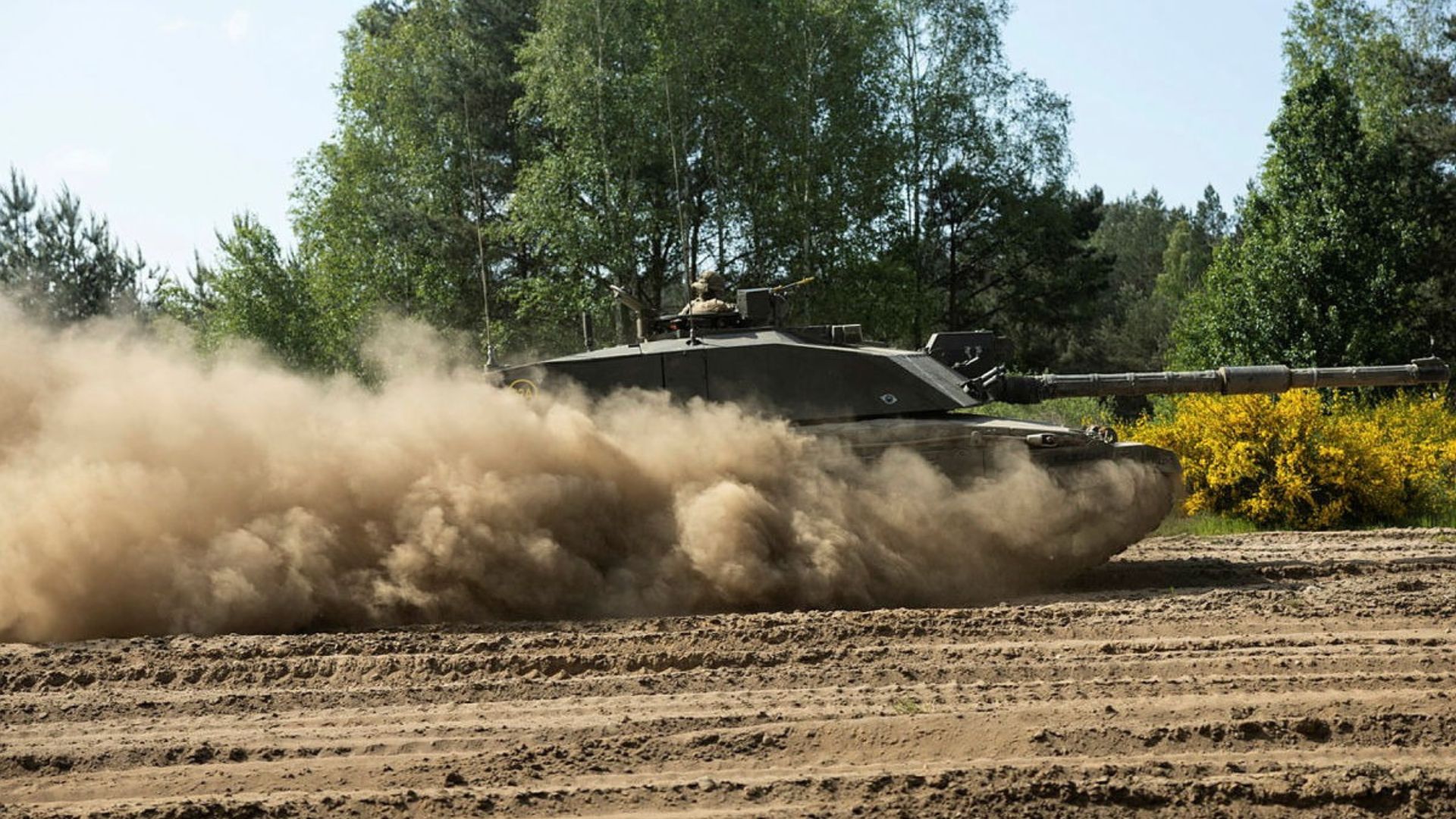
A six-month holdup of that process would, it is thought, potentially slow the inflow of trained personnel into units operating an array of vehicles, including the Challenger 2.
Not just a rite of passage
The MOD has so far been unable to say whether the new rules would include an exemption for military learner drivers, or indeed whether the issue had been considered at all by the Department for Transport, which laid out its plans last week.
Learning to drive a car is a rite of passage for many teenagers. In the Armed Forces, however, it is also a key training milestone for personnel entering professional driving-related roles.
Recruits requiring a category B licence typically move onto an intensive civilian car driving course upon completion of Phase One training, or during the initial stages of Phase Two, depending on the role or trade the individual is undertaking.
Tuition and testing usually take between two and three weeks from start to finish, with a pass allowing the recruit to progress to the next stage of training.
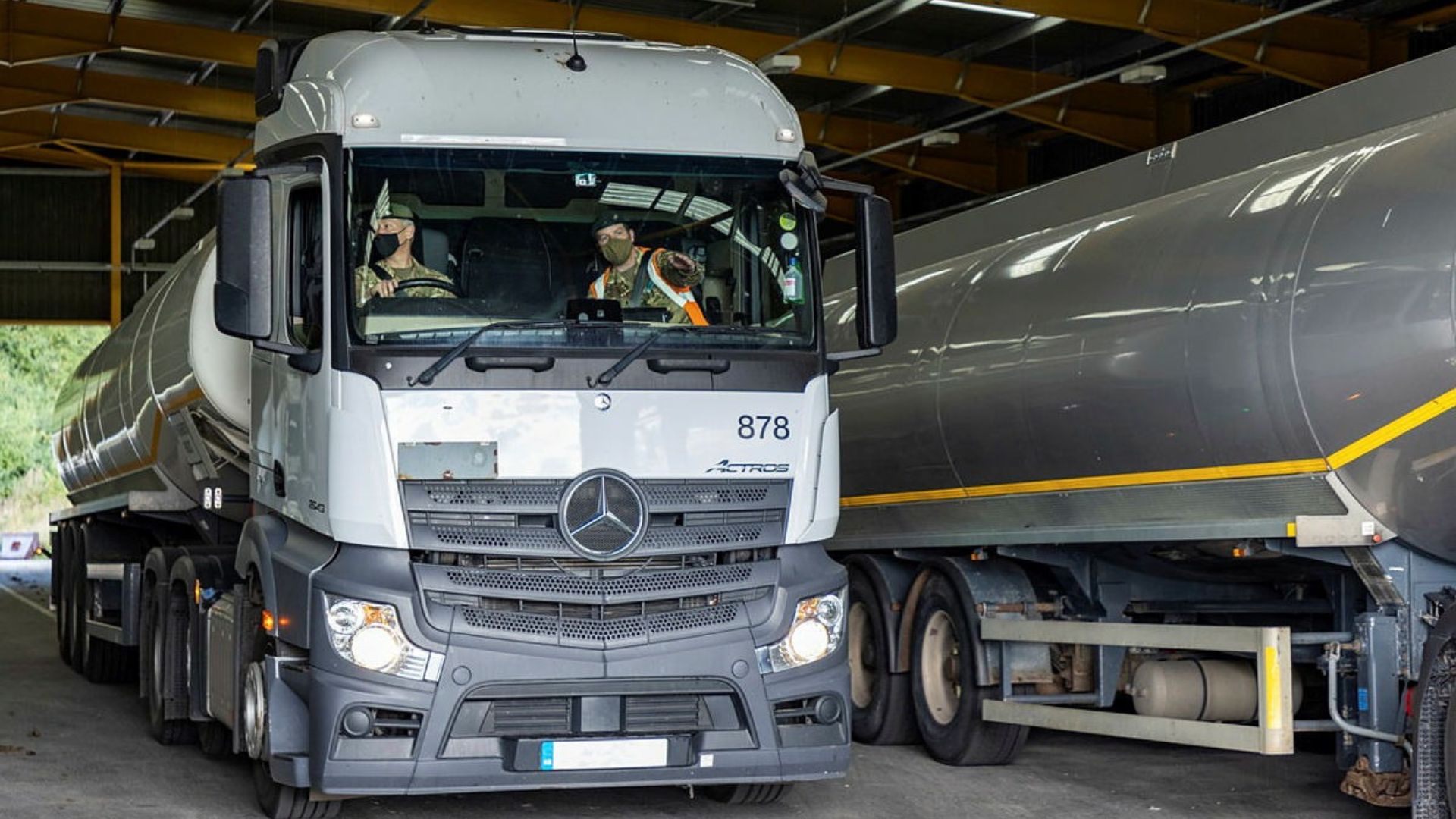
In a video posted on YouTube in July 2025, the Corps of Royal Engineers set out the process new recruits could expect to follow if joining the Army in the role of Military Engineer Driver.
It also explains that Royal Engineer drivers are required in every regiment within the corps – underlining their crucial function.
The video's narrator explains that on arrival at Phase Two training for the Engineer Driver role, recruits are first taught how to drive a civilian car.
This is due to UK driving regulations, which stipulate that a person must hold a 'cat B' driving licence before learning to drive any other category, including class C (HGV) and class H vehicles (tracked vehicles, including tanks).
A former British Army master driver, who did not want to be named, said the situation would likely need to be resolved by granting concessions to those serving in the armed forces, particularly personnel training for Combat Service Support roles.
He suggested assurances could be offered by the MOD to help manage any perceived risk, including increasing the amount of "follow-on" training at unit level.
Outside the Armed Forces, problems around learning to drive in the UK have persisted since the end of the Covid-19 pandemic, with learners facing lengthy delays in securing a test.
The military, however, has largely been insulated from the issue due to long-term contracts with civilian instructors and the ability to test personnel using in-house examiners.
In November, the Government announced that some military examiners were being mobilised to help tackle the civilian backlog. An announcement said that around 36 "defence driving examiners" would provide thousands of additional tests over the next year.
The MOD has been approached for comment.
Join Our Newsletter