Into the fold: Royal Navy welcomes HMS Stirling Castle in commissioning ceremony
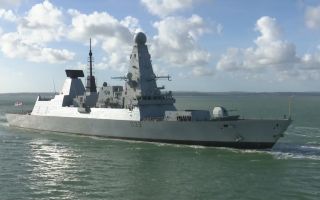
A ceremony to celebrate the commissioning of the Royal Navy's newest ship – HMS Stirling Castle – has been held in Scotland.
She officially joined the fleet last summer and has since been the first naval warship to be affiliated with the British Overseas Territory of Gibraltar.
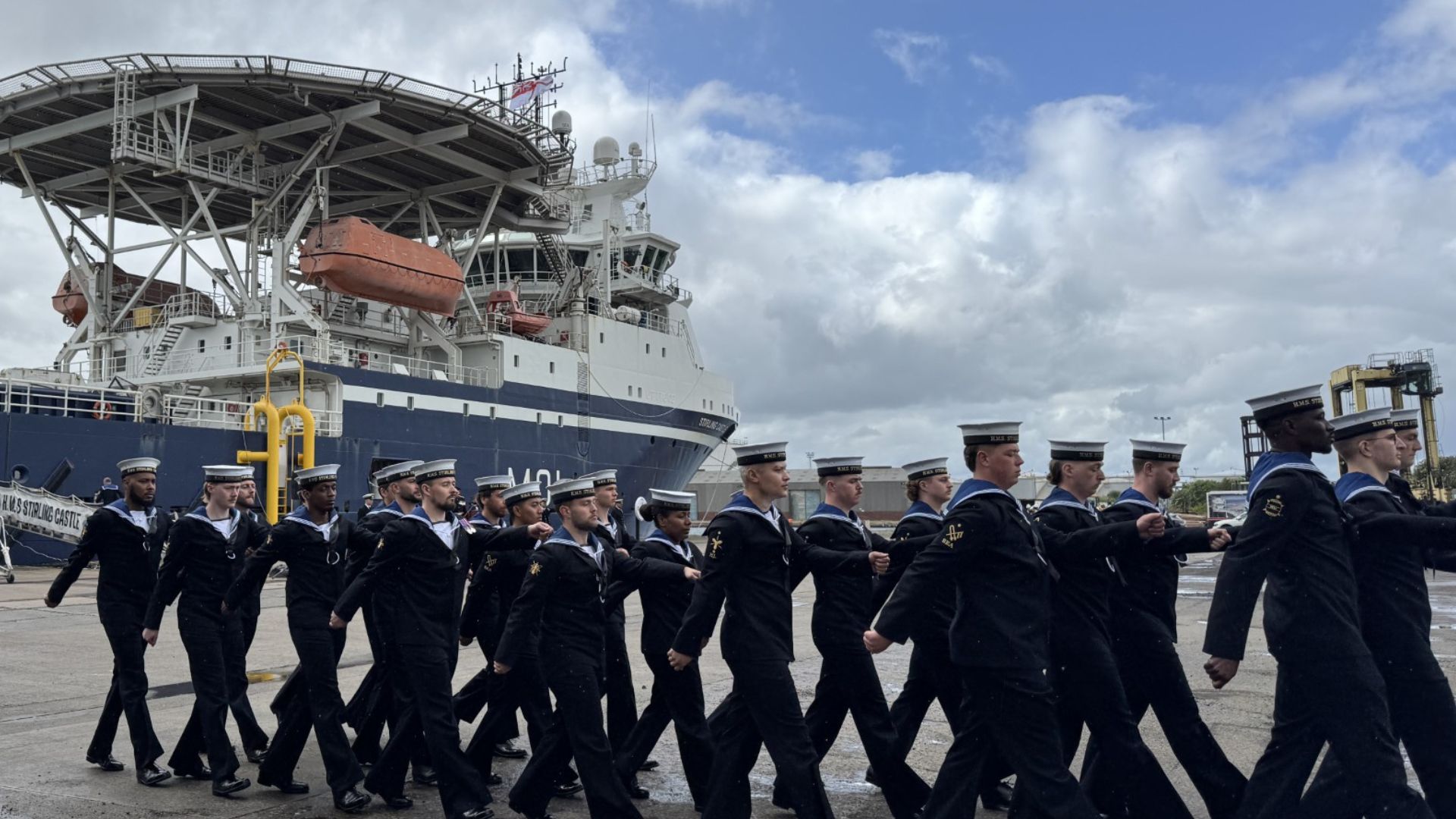
Her entry into the Royal Navy was marked with an event at the Port of Grangemouth on the Forth – around 11 miles from Stirling Castle itself.
No place like home
The vessel will be a key part of the service's frontline mine warfare capability, carrying and launching the underwater drones that can pinpoint sea mines and historic ordnance.
HMS Stirling Castle will also use cutting-edge technology to act as mothership for an array of remotely operated and autonomous systems scouring home waters looking for mines.
Crewed by a company of 45 sailors and officers, she is equipped with dynamic positioning to maintain her location in even rough sea conditions.
Sub Lieutenant Cameron Hendry, who lives locally, said: "I am absolutely delighted to be back and can say with reasonable confidence I never thought I'd come back to Stirling on my first ship.
"It's just lovely to be home, see your friends, see family, but most of all come back to the city."
The future's bright
The ship's sponsor, Baroness Davidson – former leader of the Scottish Conservatives – inspected the guard and band at the quayside.
Delivering a speech, she said: "Without ships like Stirling Castle to deliver the embarked teams and equipment to the minefield, there is no way to deploy autonomy and uncrewed systems at range.
"With this ship informing the operation of future Royal Navy mine countermeasures support vessels, with new and evolving uncrewed systems, and with highly trained and deeply experienced sailors operating the equipment, the future of mine countermeasures is bright."
Starting life as the MV Island Crown, the ship supported work in the subsea oil and gas industry as well as renewable energy before being bought by the Ministry of Defence for the Royal Fleet Auxiliary.
She then made the rare journey over to the Royal Navy to take on the minehunting role formerly carried out by the Sandown-class ships.
The vessel is well-equipped with a maximum of two sailors sharing each cabin, which have en suite bathrooms, a gym and even a sauna on board.
BFBS Forces News took a tour of HMS Stirling Castle last year.
Commanding Officer Commander Philip Harper said: "A ship commissioning is like a christening, and like the best christening events, we are surrounded by the friends and family that give meaning to our service.
"Our ship sponsor Baroness Davidson, along with the Lord Provost of Stirling and a host of naval and civilian dignitaries, are blessing us with their presence, and the families of my ship's company have made long journeys to be with us today.
"Bless them all and bless the ship."
Join Our Newsletter