Sub Life: The brief (and brutal) way submariners can message loved ones while deployed
For families of submariners, long deployments can mean months without seeing or speaking to their loved ones.
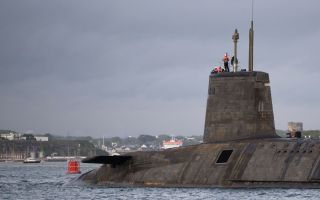
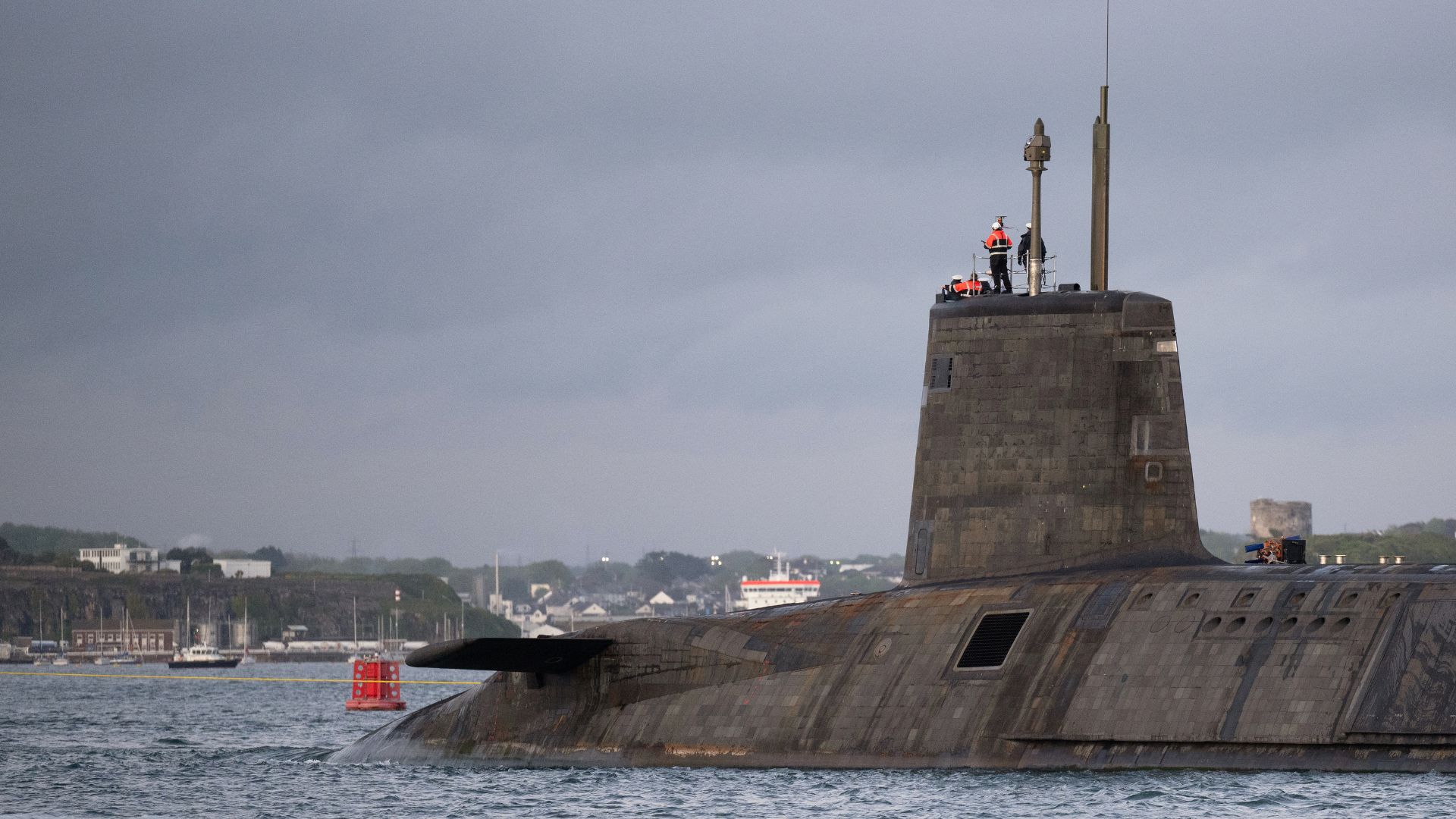
For those with family members serving aboard Vanguard-class submarines, contact is limited to just 120 words a week, while Astute-class crews may have limited access to occasional emails or phone calls.
As the Royal Navy Submarine Service marks its 125th year, BFBS Forces News has been speaking to serving submariners to find out what life is really like beneath the waves.
Contact with the outside world
Many people may not realise that when deployed on a submarine – often for six months or longer – submariners have no direct contact with anyone outside their steel home beneath the waves.
While Vanguard-class submarines can receive messages from the outside world, those on board cannot reply, making communication with loved ones a one-way conversation for much of the deployment.
Before setting sail, submariners nominate a contact to send them a weekly message of up to 120 words.
Alternatively, they can nominate two people to send 60 words once a week, or choose to receive a 60-word message twice a week.
What not to put in your message to a submariner
Submariners love receiving familygrams or 'famgrams', and they are critical to crew morale.
However, conveying your message in 120 words is a real art and the lack of response makes it even more tricky.
"It’s hard for them too," says Able Seaman John Kelly, "when I came back they said it was like talking to a wall.
"People like different things in their famgrams," says Chief Petty Officer Richard Humphreys. "Some guys use all their words to get the local football results, others receive messages from their dogs!"
There was one thing all our submariners agreed on – they do not need news about the weather.
"They’ll be sitting telling you about the weather and you'll be raging with them, saying 'tell me something else!' I don't need to know it's been the sunniest summer you've ever experienced!" says Leading Hand Blair Paton.
How does a sub receive messages?
The submarine conducts a multitude of checks to ensure the environment is safe.
Then it rises to what is called periscope depth, which is shallow enough to receive radio waves.
"There's a thing called scarring where you leave a mark in the ocean, and with satellites and everything else, you can pick that scarring up from a long, long way away, so we don't want to be anywhere near the surface if we can help it," says Chief Petty Officer Richard Humphreys.
"There's also other things like bioluminescence that we have to be aware of because that's going to show somebody where we are."
Getting dumped at sea
You might think the worst way to get dumped is by text – but it is not.
It is by famgram to a submariner because they probably will not get it as they are are strictly censored.
This is to protect the morale and mental health of the crew, so very little bad news gets delivered.
Towards the end of the deployment, the captain will take individuals aside and break any negative news to them then.
"I wouldn't say no bad news gets through," says CPO Humphreys. "I still get news of how much my wife is spending on my credit card, for example!"
Disappearing for months at a time with no ability to contact loved ones inevitably takes its toll on relationships.
"We have to remind the younger guys to tell their girlfriends that they can't reply to their messages," adds the chief petty officer.
"Sometimes they return, and find out their girlfriend's left them because they didn't hear from them for six months!"
Related topics
Join Our Newsletter