No ballistic missile blind spot – but little to fill the gap, warns former commander
A ballistic missile fired in anger is extremely easy to detect – but extremely difficult to stop.
Armed with either conventional or nuclear warheads, this type of delivery system travels at a high, arching trajectory. It flies rapidly, especially on its way back down from space to hit its target.
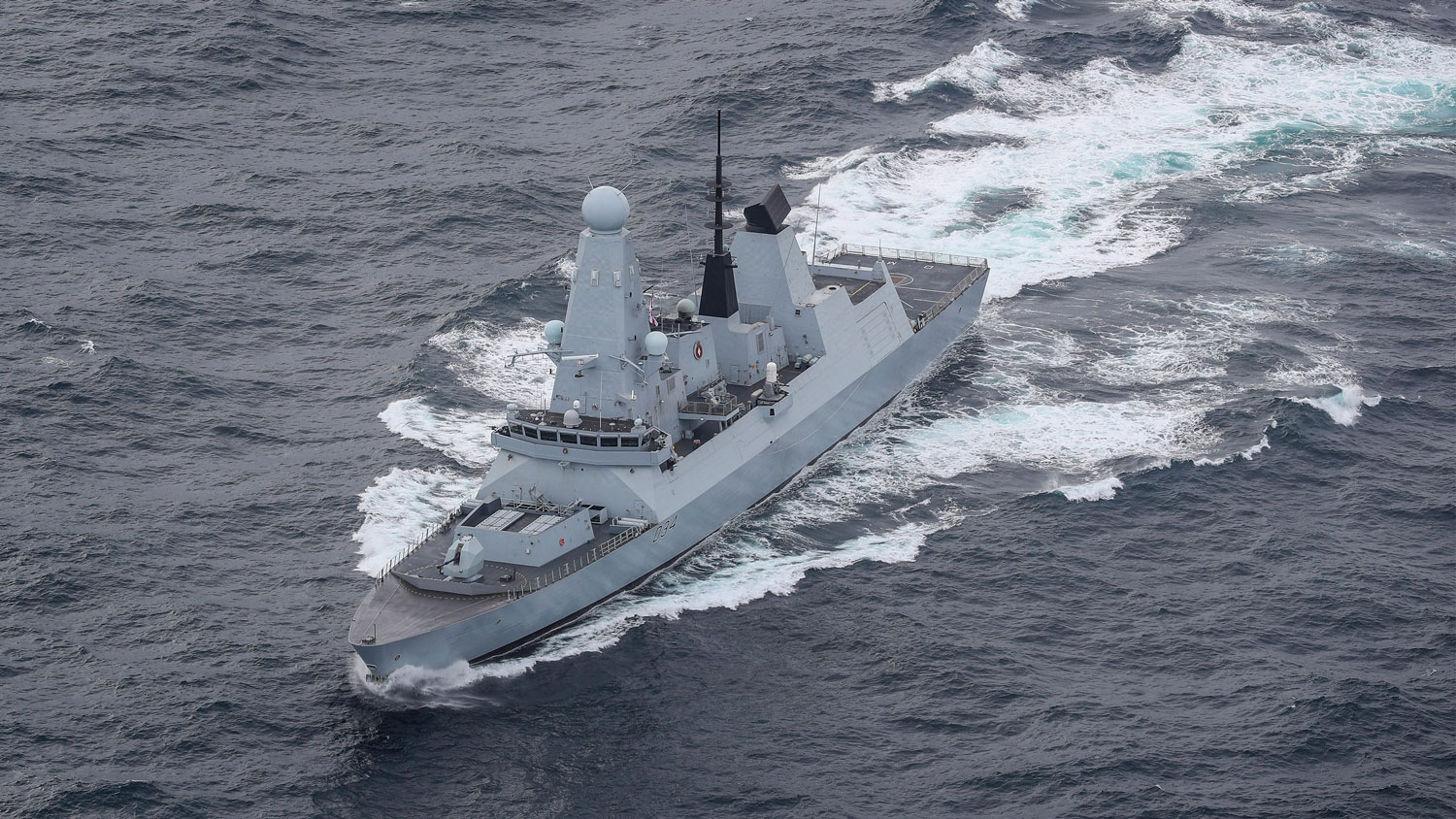
If that target was sat on British soil, UK air defence only has one platform that could intercept it – the Type 45 destroyer. The Royal Navy has six of these warships but, due to refits and repairs, only two or three have been at sea in recent years.
No blind spot – but no protective dome
"The fact that we're talking about it, it's not a blind spot," says retired Air Marshal Greg Bagwell, the president of the Air & Space Power Association and a former combat pilot and senior leader in the RAF.
"It is a spot that we're choosing, shall we say, to ignore because we can't fathom the cost or the solution that would provide this 100% dome effect – despite the fact that we have politicians who continually refer to 'Golden Domes' or 'Iron Domes'.
"That just does not exist in a UK context. I'm not even sure it exists in the US."
AM Bagwell was referring to Israel's Iron Dome – an air defence system that is used to intercept missiles fired by Hamas and Hezbollah.
"You're defending a country of relatively small size against specific threat directions," he explained.
"It would take the entire defence budget of the UK to provide a 100% guaranteed protection."
The risk of all-out war
The former commander says potential aggressors would be reluctant to launch conventional ballistic missiles against a nuclear power like the UK out of fear it was mistaken for a nuclear-armed projectile.
"They're such an ultimate conventional threat that are very, very close to the nuclear threshold that actually what we're discussing here is not just a small problem set to be dealt with on a wet Thursday afternoon," he added.
"This is all-out war with all the consequences that it brings."
The UK's industrial readiness to keep current and future battle capabilities stocked must improve alongside a general population-wide resilience, said the former commander, for Britain to win the kind of war a ballistic missile could start.
As for technological investment, he says a Nato-wide effort could look to European solutions rather than the US and its expensive Patriot air defence system being used in Ukraine.
The Strategic Defence Review 2025 promised up to £1bn of new funding to be invested in homeland air and missile defence.
"That will buy you one Patriot battery... and where are you going to put it?" remarked AM Bagwell.
Lasers a counter – but only for specific threats
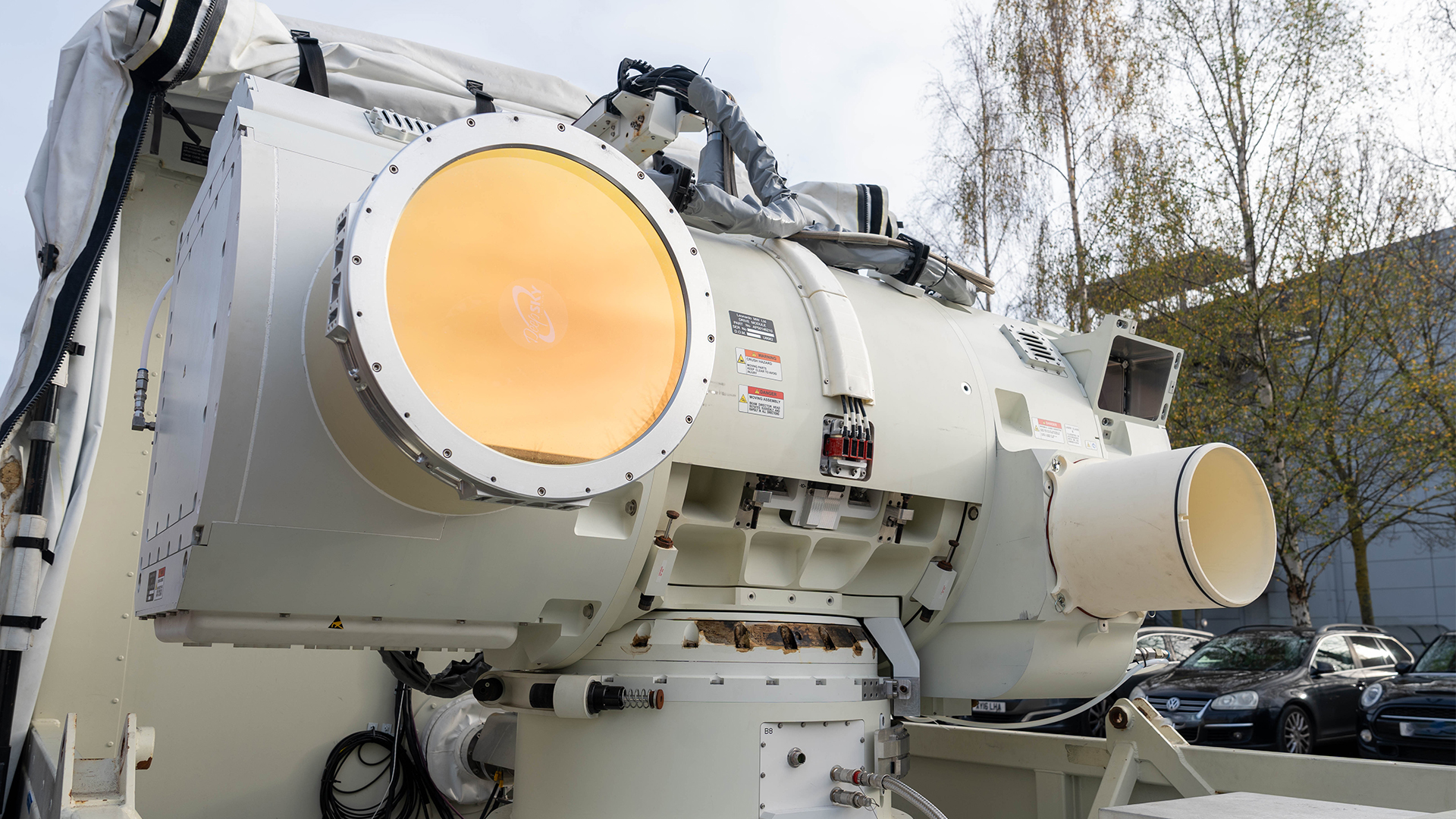
Lasers, or Directed Energy Weapons, being developed in the UK currently work against "relatively slow-moving targets that you can track for a long enough period of time", said AM Bagwell, who pointed out that they aren't capable of defeating a ballistic missile.
Analysing the ballistic missile threat from states such as North Korea, Russia and Iran, it was China that stood out to the expert.
"I've been privileged enough to be sat on wargames that look at future fights with countries the size of China, and they're not pretty," he said.
"If you look at the scale of Russia and get slightly wobbly about it and get a bit frightened about it, that is nothing compared to what it would mean in a war against China.
"We have to learn how to handle China in a way that doesn't bring us to conflict."
Despite the possession of Patriot systems and Iron Dome defences respectively, Ukraine and Israel have both seen some breaches in their air defences.
Complete protection isn't guaranteed, no matter the solution, AM Bagwell concluded.
Join Our Newsletter