Royal Navy drones and Wildcat helicopter work together for first time in ground-breaking trial

A helicopter fitted with added sensors has passed data fed from several drones back to operators in a central hub at Yeovilton for the first time during trials, showing it is possible for several uncrewed systems to work with traditional air power over considerable distances.
A specially modified Wildcat maritime strike helicopter worked with aircrew, drone operators and tech experts to demonstrate the Hybrid Navy plans in action.
The trial, called Dragon Rider, which lasted for a week, involved the Maritime Aviation Strike Operational Advantage Group – formerly the Wildcat Maritime Force – which operates the Wildcats at RNAS Yeovilton in Somerset, and built on the initial Eagles Eye trial held in Cornwall in January.
It showed the potential of a new, ready-to-use system that pairs the Royal Marines on the ground with Wildcat helicopter crews, ship commanders and uncrewed drones.
The trial comes after an autonomous aircraft, Thunder, designed to fly alongside Apache helicopters and carry additional weapons, and Brontanax, the UK's first uncrewed autonomous aircraft, were unveiled at the Farnborough International Airshow last month.
The trial
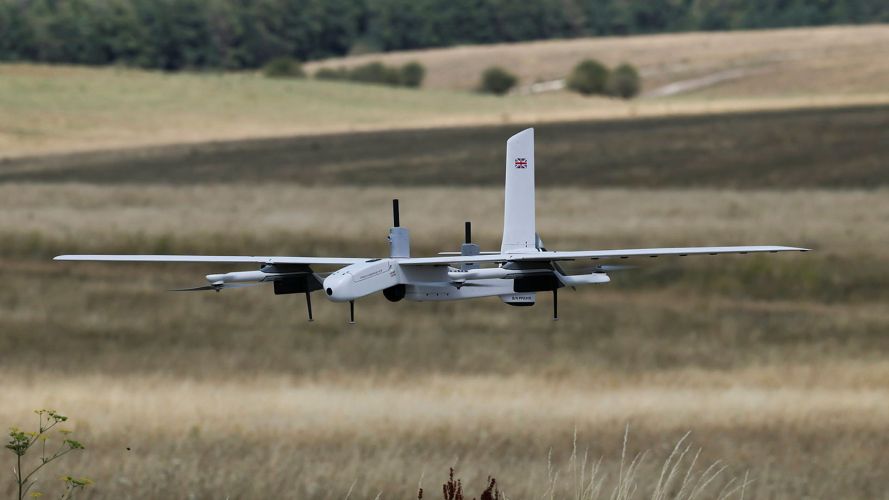
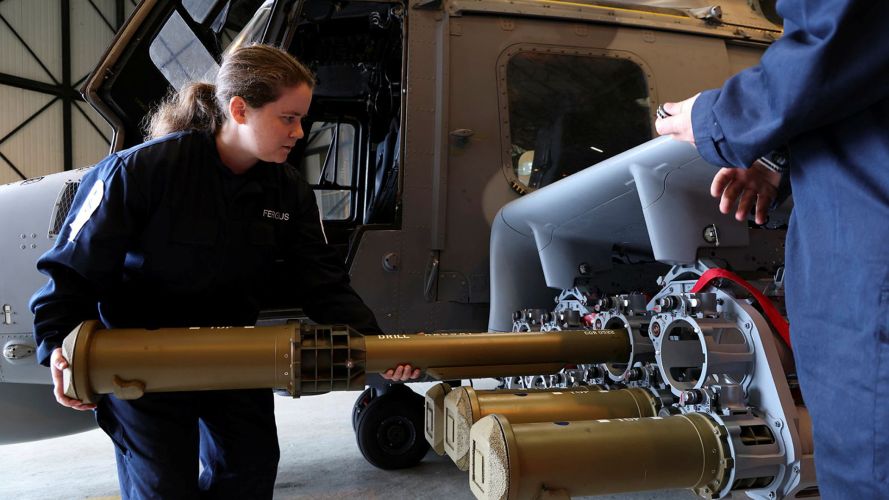
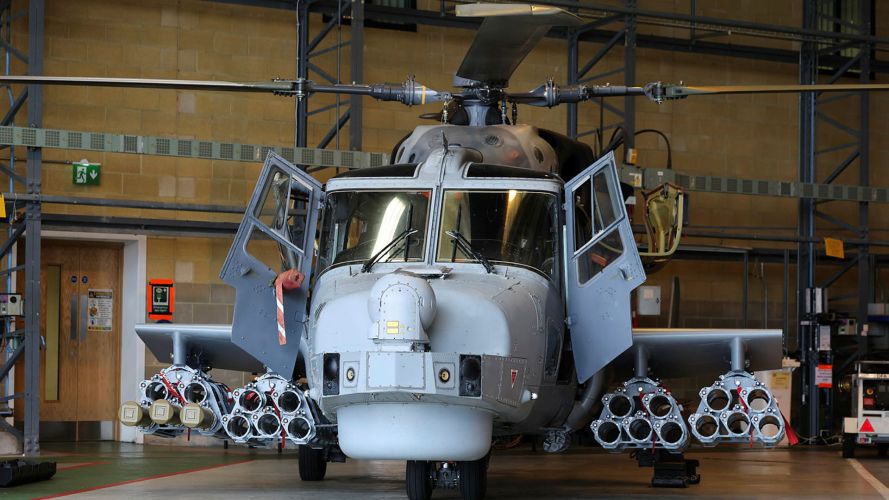
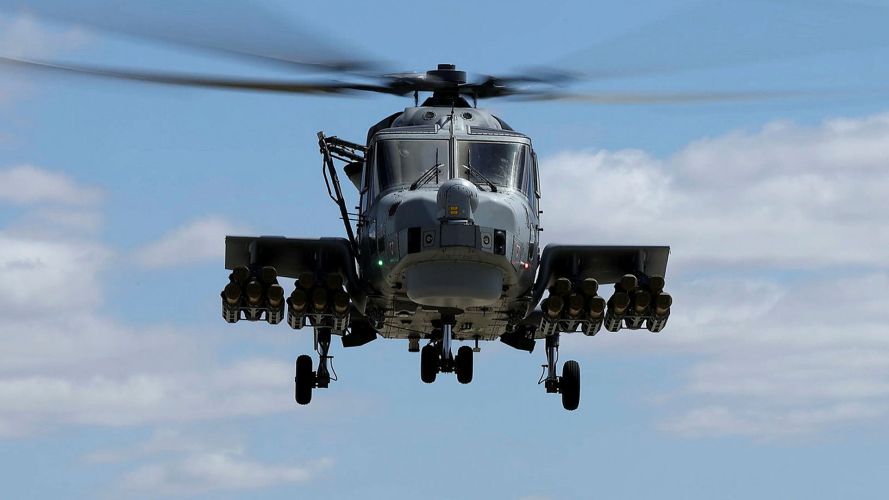
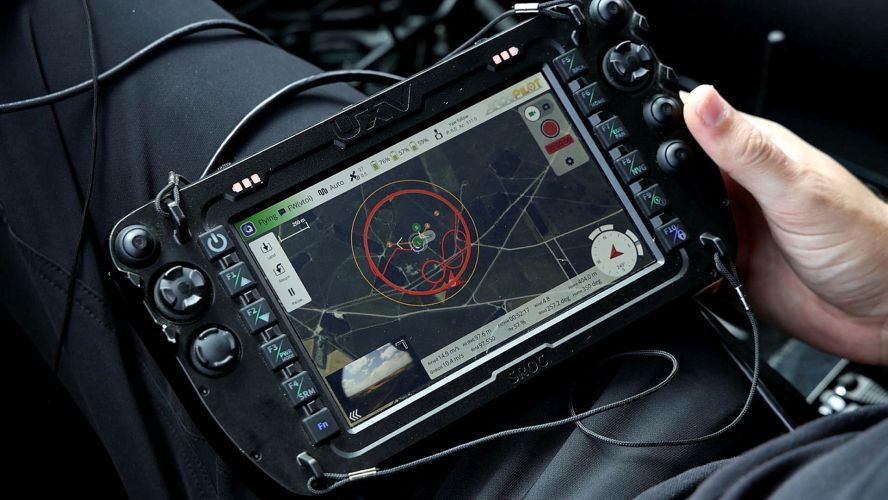
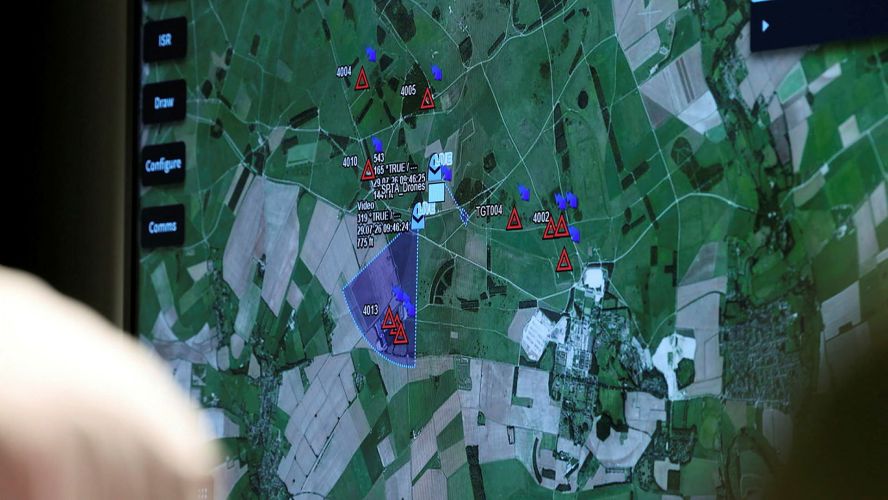
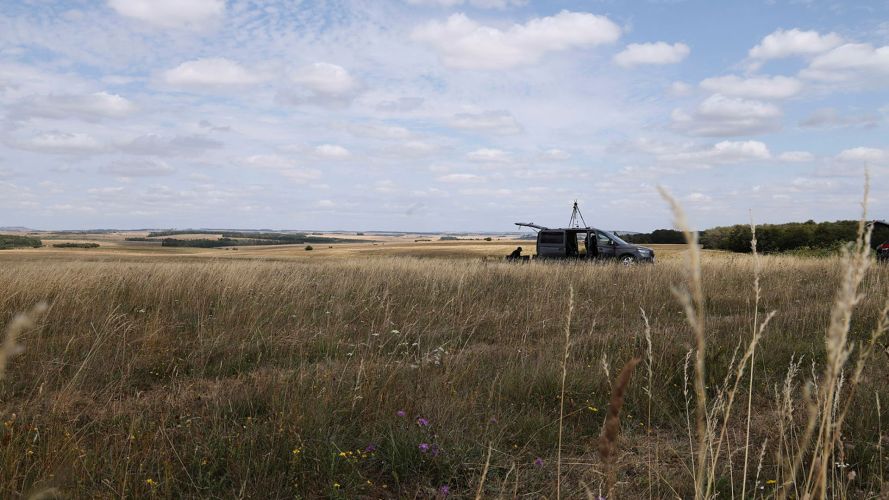
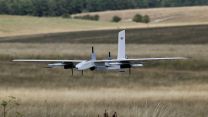
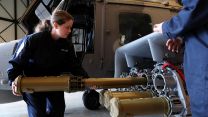
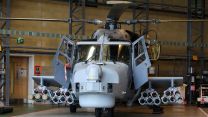
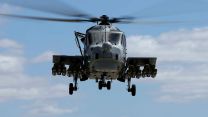
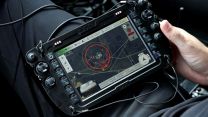
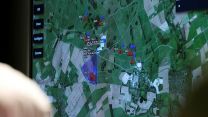
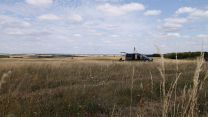
The trial participants dealt with real-time video feeds from several drones and practised finding targets while sending secure messages across the network.
The exercise expanded the range at which uncrewed aerial vehicles can operate ahead of a ship or task group, as it had previously been limited by radio signals.
Dragon Rider took place over more than 320km (200 miles) from the Lizard peninsula to Somerset and Salisbury Plain.
Concurrently, operators managed to take control of drones over the network, proving that remote control over large distances can now be done.
The trial used highly secure communications systems that have been battle-tested in Ukraine, called a mobile ad-hoc network, or Manet.
The wireless system can outwit jammers and find alternate routes using any transmitter on the network to ensure data reaches its destination should any of the relays be knocked out.
"The trial proved that this low-cost system is ready for the Royal Navy to use right now," Lieutenant Commander Rhydian Edwards, who has been leading the drive to integrate drone technology with the Wildcat force, said.
"This successful test is a major step forward in keeping crews safer by letting drones handle dangerous tasks further ahead of a military force, whilst also greatly increasing the number of units we can field at the same time."
In the previous trial, Eagles Eye, drones shared live data with Wildcat crews, allowing the helicopters to target a moving vehicle before it was taken to Norway's fjords on Exercise Tamber Shield.
It is hoped that in the future, satellite communications will be used to enable commanders to control a fleet of drones from anywhere in the world from a safe location.
Thunder and Brontanax
Thunder, which is being developed by US military companies Anduril Industries and Archer Aviation, is intended to be operated in groups of two or three alongside each Apache helicopter, with the helicopter directing the autonomous aircraft.
The uncrewed aerial vehicle has two tilting rotors, allowing it to take off and land vertically before changing configuration for forward flight.
That will mean that the autonomous aircraft could operate closer to the fighting, so that the personnel flying the Apache can remain further away.
It will be able to carry lethal combinations of precision munitions, air-launched effects, rockets and electronic warfare payloads, including Hellfire, JAGM and Barracuda-100M.
Meanwhile, the Brontanax is designed to support piloted aircraft with electronic warfare and precision-strike capabilities.
The prototype is scheduled to fly in 2027, with the planned availability to enter service before the end of the decade.
Related topics
Join Our Newsletter