New electronic warfare arms race to hijack enemy drones and take over the controls
When a drone lands somewhere unexpected, its operator may not know why it happened – but sometimes, their enemies do.
There are several ways electronic warfare can be used to take an opposing platform out of the fight.
They are all connected, but some techniques are more advanced and potentially more dangerous than others.
How to control enemy drones
'Jamming' and 'spoofing' involve interfering, blocking, or even manipulating radio signals received from space, by a drone or missile relying on a global navigation satellite system.
Dr Thomas Withington, an electronic warfare expert and Associate Fellow at the defence think tank Rusi, explains how these historically useful techniques cut off an adversary's system or make it think it's somewhere else entirely.
"The drone is actually getting false information and starts flying somewhere else, not towards its target," he said.
But then there is another option, one that could see your own platforms swapping sides.
The ''hijacking' technique sounds like it belongs to the future, but Dr Withington says some nations may already be able to pull it off.
"What hijacking is, if you like, it takes spoofing to the next level.
"So you've gained access to your missile, to your drone and, at that point, what you try and do is you actually try to take over the control of that weapon and then fly it where you want or get it to behave exactly how you want.
"We don't know a tremendous amount about it because, as you can imagine, a lot of this is kind of sneaky beaky stuff.
"It's in the shadows. It's something that the countries who are capable of it do not really want to talk about and share in the public domain."
Fiendishly challenging
So how difficult is this to pull off against military equipment, and have we seen it used already?
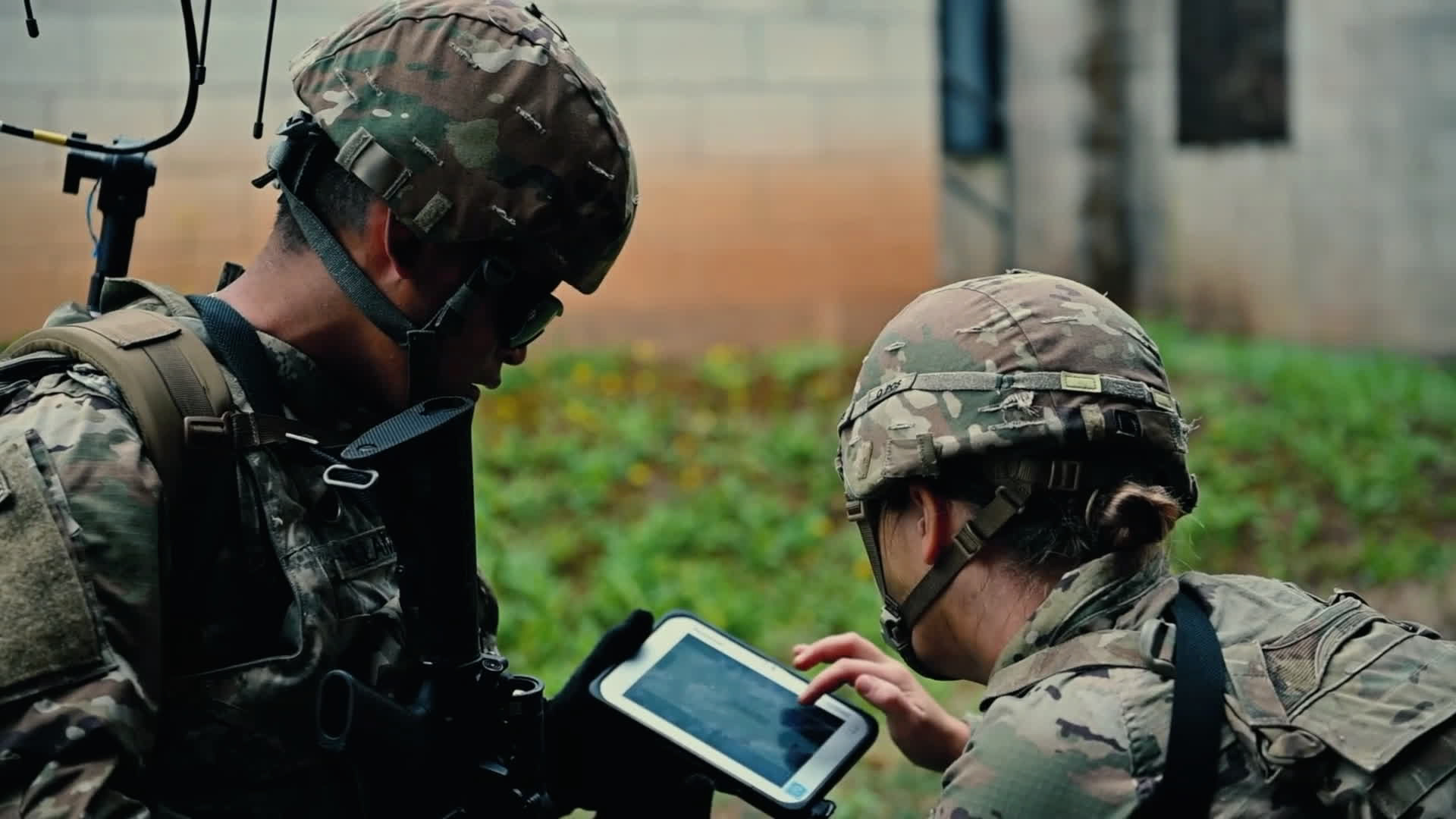
"When we're talking about hacking into a system, we're talking about being able to get access to the code that system relies on," said Dr Withington.
"The code for that system will be unbelievably complex, so it's not only taking control.
"You've got to be able, first of all, to get hold of that code and then to know what you need to do with that code in order to take control of the system.
"Then ensure that the system does what you want to once you've hijacked it. So it's fiendishly challenging."
The difficulty in doing this, then redoing it once the alerted enemy has covered its tracks with a software patch, is hard to comprehend.
It is a game of software cat and mouse to keep control over your own hardware.
Even an off-the-shelf hobby drone company could have its own proprietary code, safeguarding and cybersecurity protocols to guard against exactly this kind of hijack.
But this is where artificial intelligence could play a role.
"I know it's a buzz phrase everybody uses, but it is relevant here because if you think about the human hours that are required to crack the code of a sophisticated system," Dr Withington explained.
"Now imagine if you've got AI that can help you do that. And imagine how that then speeds up as a tactic that you can use on the battlefield.
"You may have a very short advantage, a door opens that you take advantage of but that closes again very quickly."
Use in the real world
Dr Withington recalled one "tantalising clue" as to where the hijacking technique may have been used in the past.
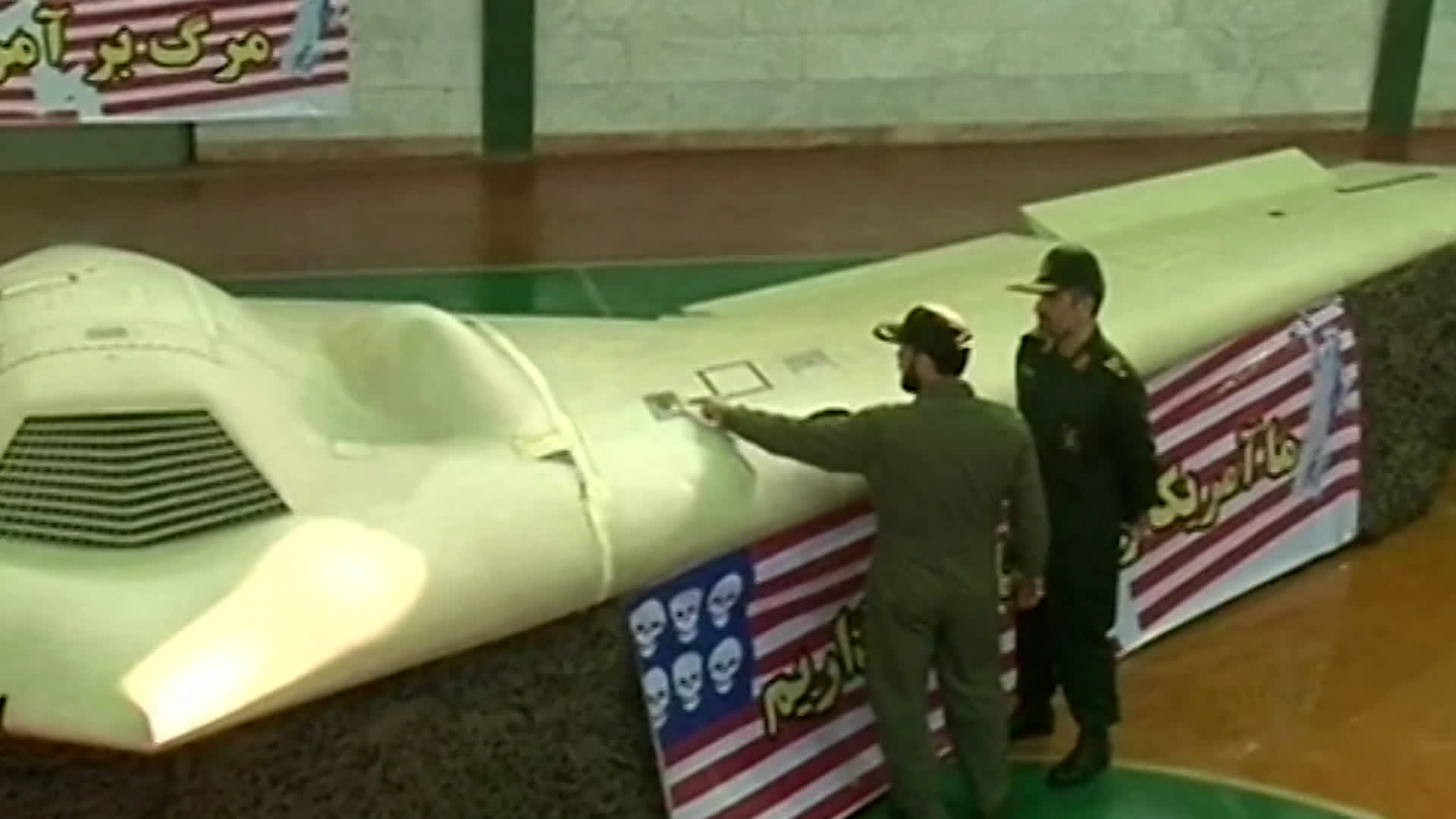
In 2011, there was a notable incident when the Iranian military claimed to have taken control of quite a secretive US UAV, the RQ-170 Sentinel.
"But what the Iranians claim to have done is to have been able to hack into that drone and actually then manipulate that drone's reception of the GPS signal to the extent that they were able to take control of the aircraft, get it to land at an Iranian airbase, I believe, is where it eventually came to rest.
"Then they exhibited it to the world's media."
As modern militaries look to develop a network of digitally connected vehicles and equipment, he said "eye watering levels of cyber security" to ensure the hacking of a drone does not also open doors to other platforms it is talking to.
Nonetheless, Dr Withington says the direction of travel points towards an increased uptake in hijacking as an electronic warfare technique.
There will no doubt be a concerted effort from global forces to ensure they are moving forward with platforms that do not come back the way they came.
Related topics
Join Our Newsletter