Uncloaked secrets: How sharing the UK's kit-building keys might unlock new dangers
The UK is doing more than supplying Ukraine with a weapon designed to beat Russian air defences – it is giving Kyiv the know-how to build it itself.
Stone Cloak, a tablet-sized electronic warfare device fitted to missiles, is designed to help them evade detection on their way to the target. But the deal goes further: Britain has shared the intellectual property, allowing Ukraine to manufacture the technology at home and closer to the battlefield.
In return, the UK gets something it cannot replicate in peacetime – insight from a weapon being tested in the most demanding environment possible: a real war.
The benefits and risks
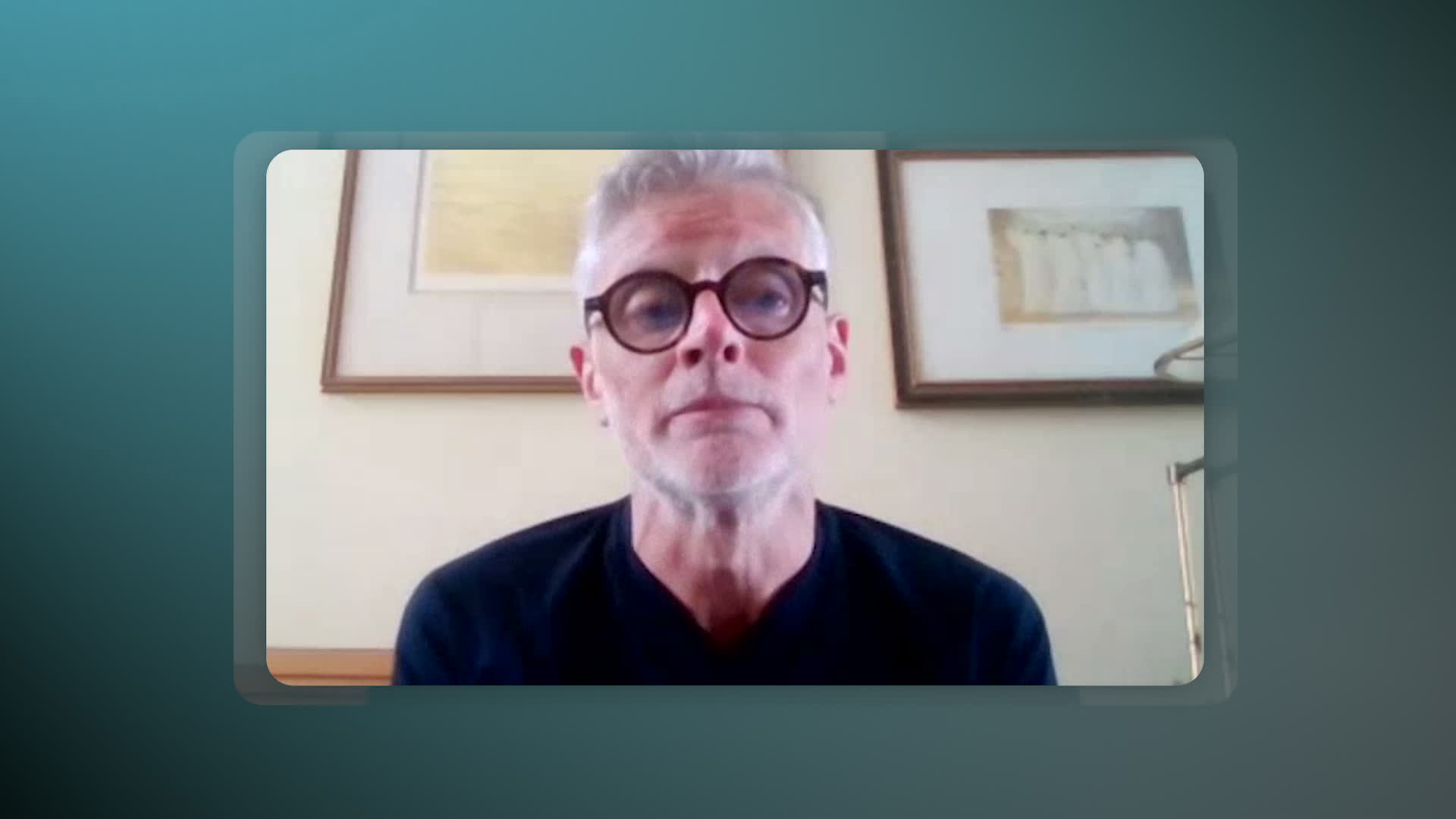
Asked about what it means for Ukraine, Dr Thomas Withington, associate fellow, military sciences, at the Royal United Services Institute (Rusi), explained: "It just makes more pragmatic sense to have the Ukrainians build what they need and have the point of supply close to the frontline."
But what if Russia gets hold of the technology being fired their way?
"Of course, that's always a concern. But as military technology gets more and more sophisticated, reverse engineering gets more and more complicated. And it takes time," Dr Withington said.
"By now, the Russians will have captured their fair share of Western kit. It's one thing capturing it, but it's another thing reverse engineering it.
"The iterations of technology [are] so rapid now that you may very well reverse engineer something and discover its deepest, darkest secrets, only to realise the battle's moved on. That was then. This is now.
"That technology is now not used. The reverse engineering, while a great propaganda victory, it's limited in what strategically it will provide to you."
More military IP sharing in the future?

While the Stone Cloak agreement taps into Ukraine's recognised aerospace, Dr Withington believes we'll see more deals of this nature. If Ukraine has a huge victory on land, for example, he expects the transfer of intellectual property to mirror that – through licences for land equipment from the UK or elsewhere.
If the drawbacks are so limited, why isn't this being done more often? UK-secret property wouldn't be shared, the expert said, adding that more complex systems than Stone Cloak would open up more caveats to IP sharing agreements.
Another factor is how ready-made these platforms are for the demands of the Ukraine-Russia conflict.
"Let's say you make a fighter plane available and it's got electronic warfare system on it. That electronic warfare system will be designed to recognise particular radars and to jam them," Dr Withington said.
"But what you may well say and what the customer may demand is, 'We don't want the threat libraries that you've got. We've got our own threat libraries. We just want to put our own stuff onto it. We know what we want, and we've got the algorithms ready to go'."
If this process works well for Ukraine and those sharing their IP – there could be a dangerous balancing act to consider.
Using real conflicts as a proving ground for sovereign weapons may provide incentive for what's known as proxy warfare – big superpowers using smaller nations to indirectly fight one another.
The warning from our expert is that assisting allies to support short-term interests needs to be weighed against potential long-term consequences.
Related topics
Join Our Newsletter