How 30,000 hours in Ukraine reshaped British Army's deadly artillery-hunting technology

The British Army is changing the way it uses a key system capable of detecting enemy artillery positions, after the equipment was used for more than 30,000 hours in Ukraine.
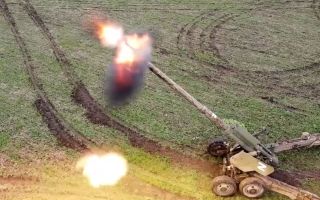
According to a 2024 report by think tank Rusi, Russian artillery attacks were responsible for 70% of Ukrainian military casualties; at its peak, enemy guns were firing more than 36,000 shells per day.
That's why equipment like the UK's Acoustic Weapon Locator system – or AWL – has proven vital in detecting battery positions, giving commanders precise coordinates to return fire.
Now, lessons learned from the deployment of AWL in Ukraine are being fed back directly to the British Army units responsible for holding the equipment, including 5 Regiment Royal Artillery.
In Otterburn, gunners from the regiment have been putting those new tactics, techniques and procedures into practice – hunting guns used by a sister unit on the other side of the training area.
The aim is to pinpoint – with precision – the exact location of the guns.
"The AWL equipment we're deploying now is an improvement on the old system that we used to work off," Warrant Officer (Class 2) Kevin Osborne told our reporter.
He's responsible for 5 Regiment's new and improved tactics with the kit.
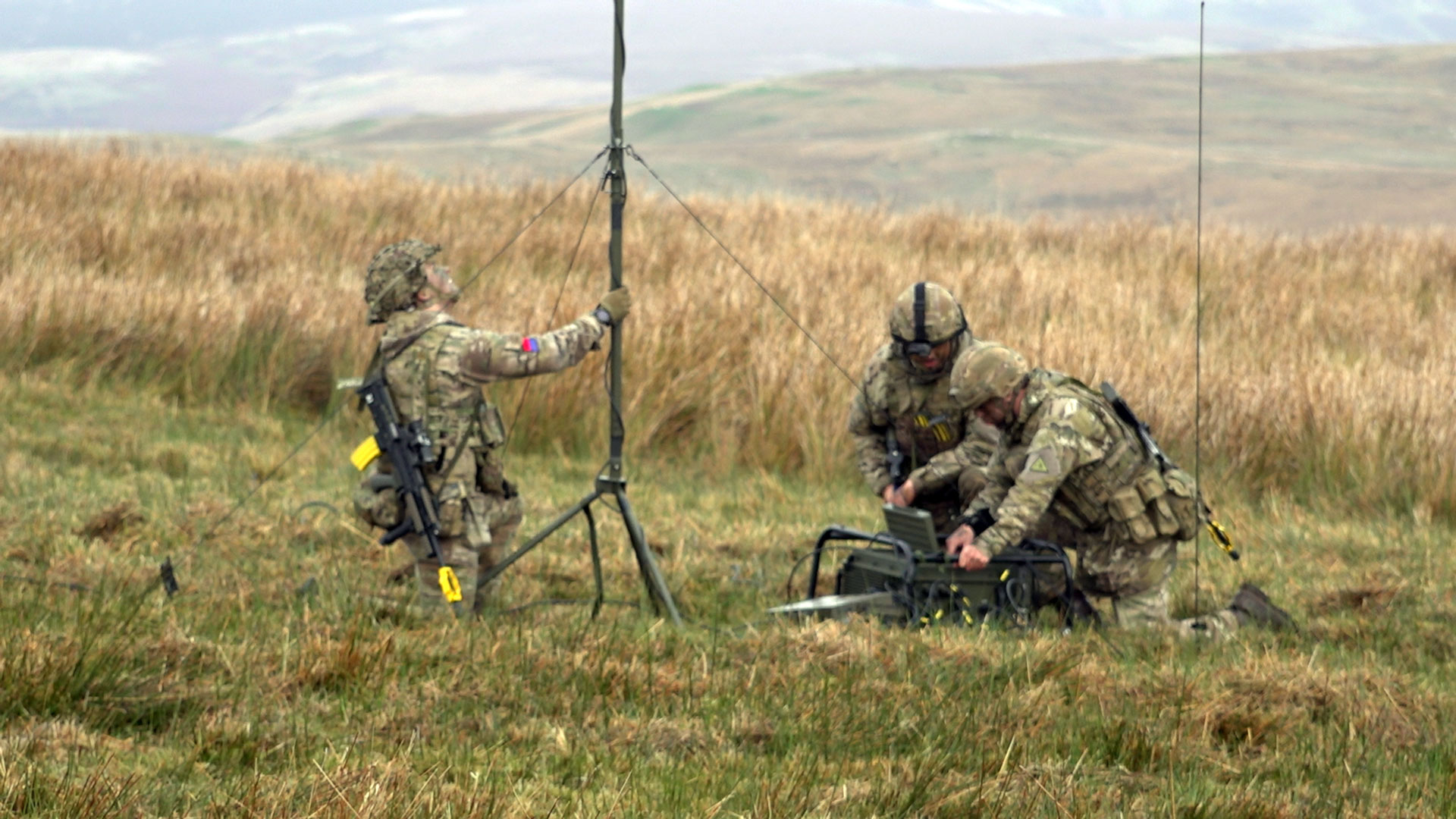
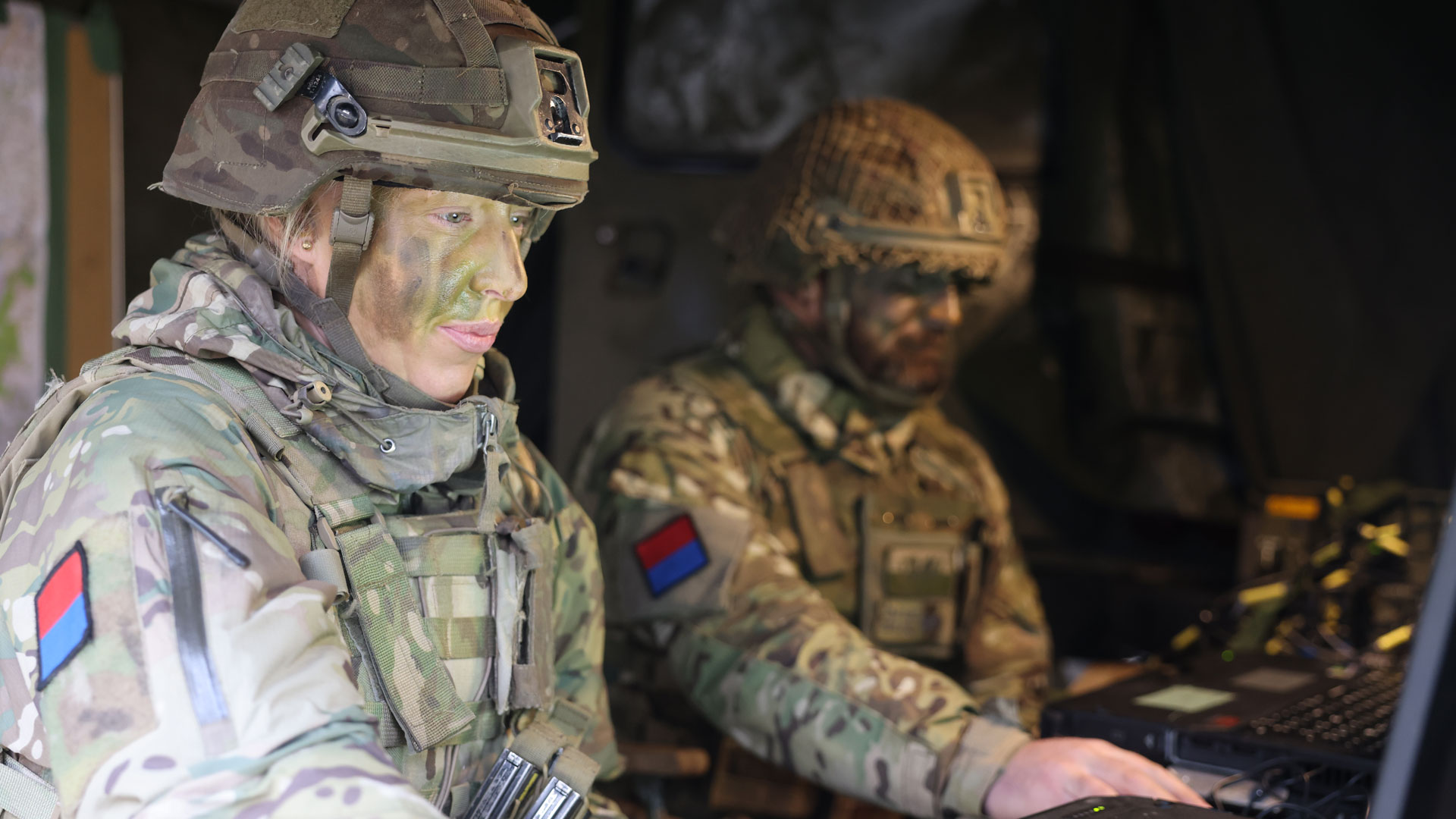
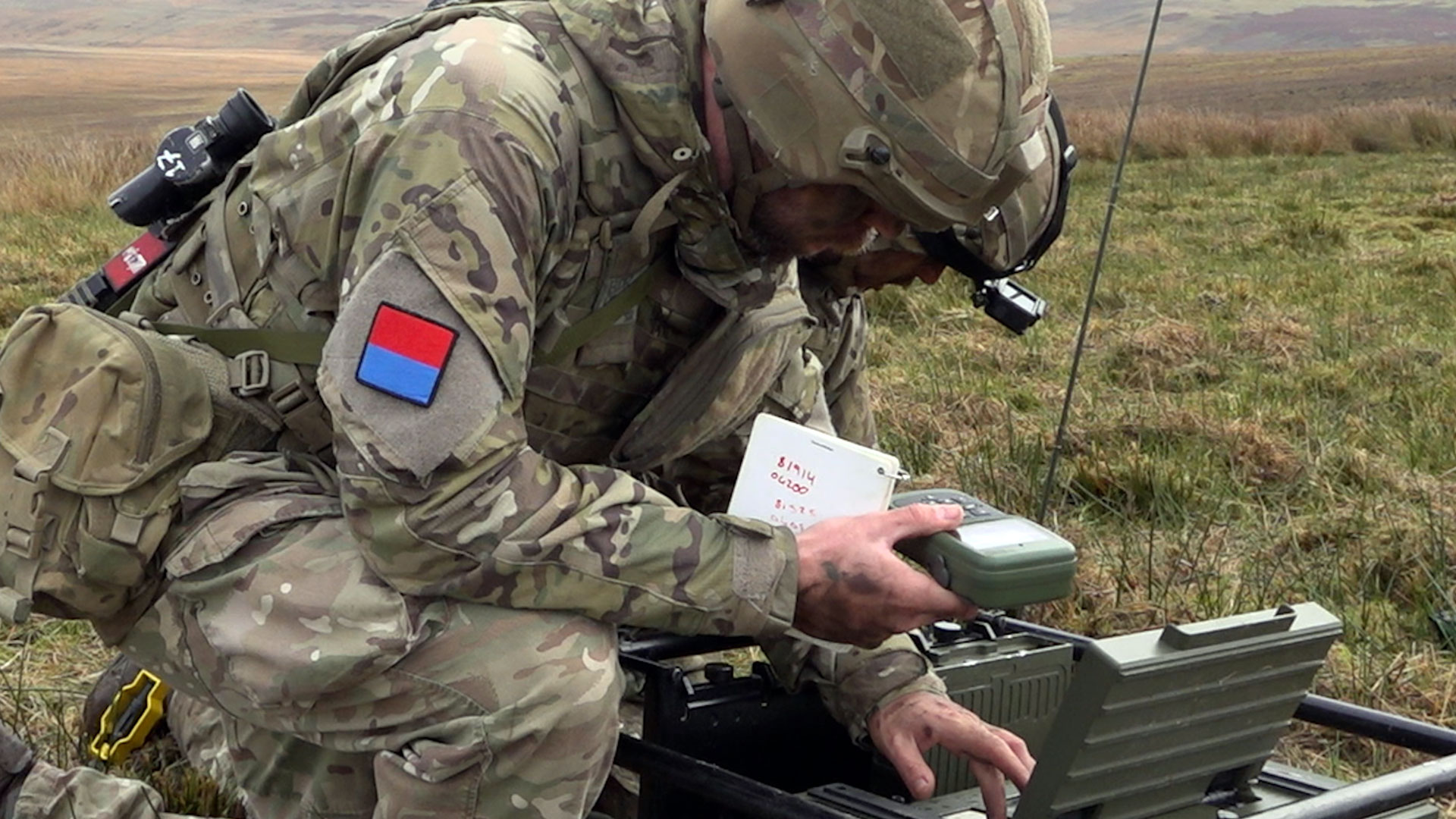
He said: "We have sensor points deployed on the ground.
"They detect the bangs, and we report that back to the command post."
Silent hunting – how does it work?
AWL is perfectly suited to a conflict like Ukraine.
Its sensors, which a three-person team of soldiers can set up in around 20 minutes, are passive
That means they don't emit any signals; in this sense, they are silently capable of detecting artillery fire at distances of up to 25km if the conditions allow.
The sensors are deployed across several kilometres, providing a wall of detection which pushes out in all directions.
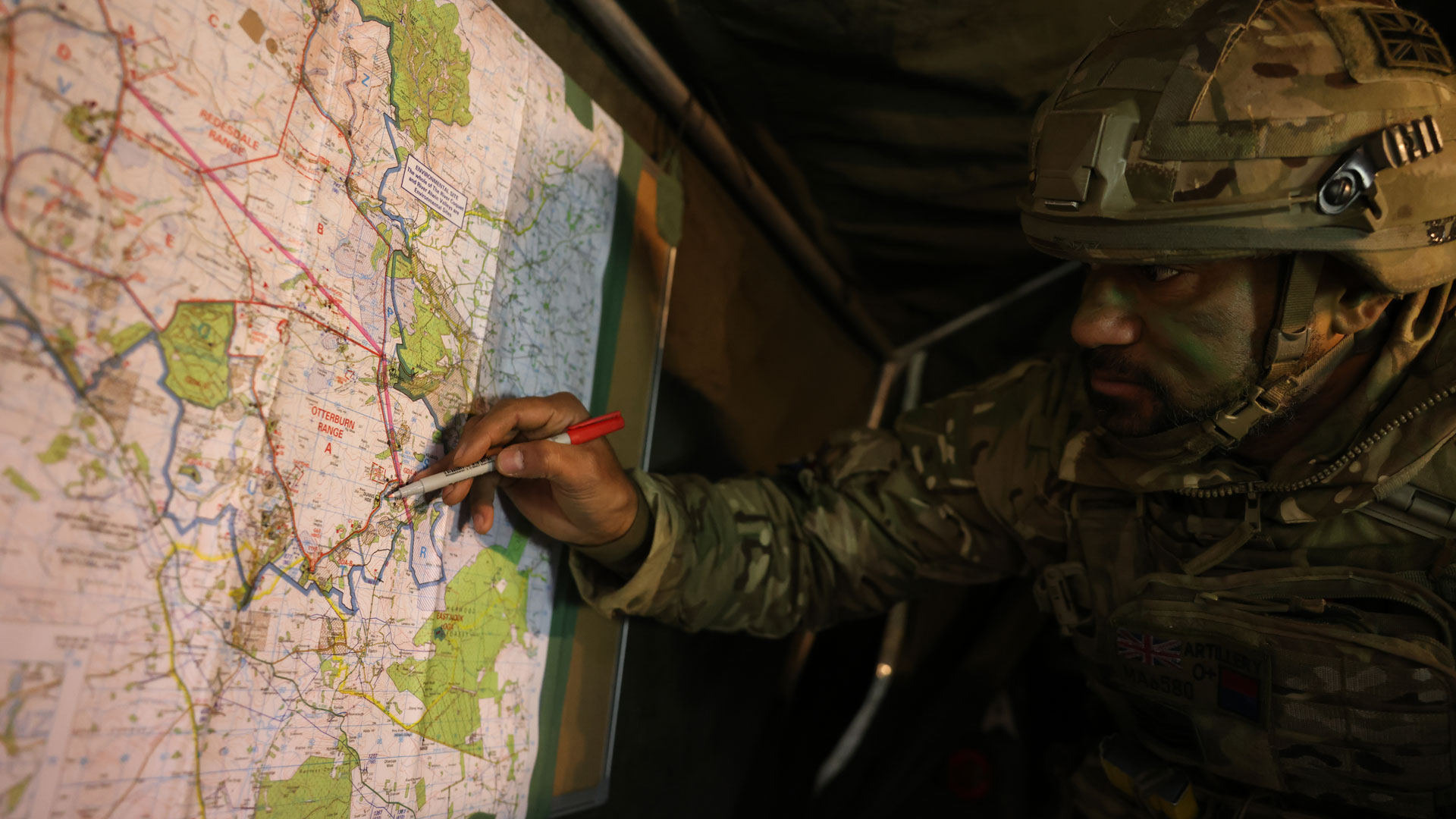
When an enemy gun fires, the system triangulates the soundwaves and provides a location, which operators check against a map.
At a central command post, hidden away from the sensor locations, gunners calculate those coordinates and pass them up the chain of command, where action can be ordered.
Once a gun is detected, the process takes seconds.
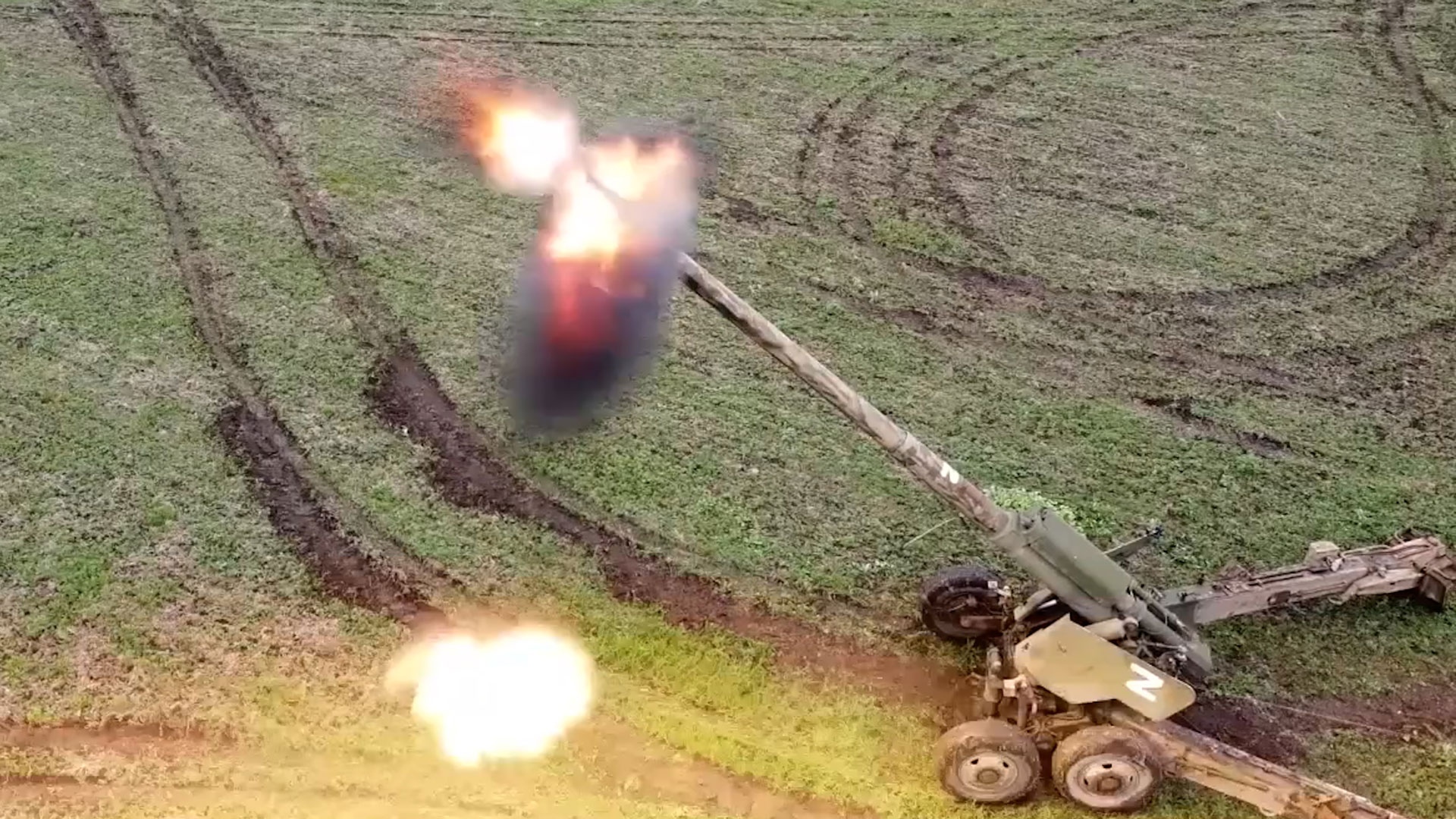
In Ukraine, commanders would likely return artillery fire on Russian positions detected by AWL, potentially using British-supplied AS90 guns – firing 155mm rounds.
Archer – the UK's AS90 replacement artillery gun
Helping 5 Regiment train is a sister unit firing Archer, the UK's new artillery hardware, which was introduced as a replacement for the 155mm AS90 platform.
The UK's AS90s were phased out and donated to Ukraine.
It's another link this exercise has to the war in Ukraine and underlines how relevant the conflict is to modern British Army training.
The live firing of Archer in this deployment represents one of the first occasions the new gun has been used in the UK since its procurement from Sweden.
New systems coming five years early
The AWL system used on this exercise, and the kit currently being operated in Ukraine, is not new technology.
But upgrades to its hardware, and the way it will be used in the future are coming online five years ahead of schedule – partly thanks to its use in the current war.
It means training opportunities like this exercise in Otterburn are valuable experiences.
For WO2 Osborne, getting his personnel hands-on time with the kit will only add to the unit's readiness to deploy to a future conventional conflict.
He said: "We are trying to develop our training, our tactics, how we better employ ourselves so that we are quicker on the battlefield, and deploy faster.
"That means providing an effect for our chain of command to act on."
Related topics
Join Our Newsletter