Inside the military marketplace helping Ukraine to replenish its frontline more quickly
It may look like an online shop, but the Brave1 Marketplace has been designed for war.
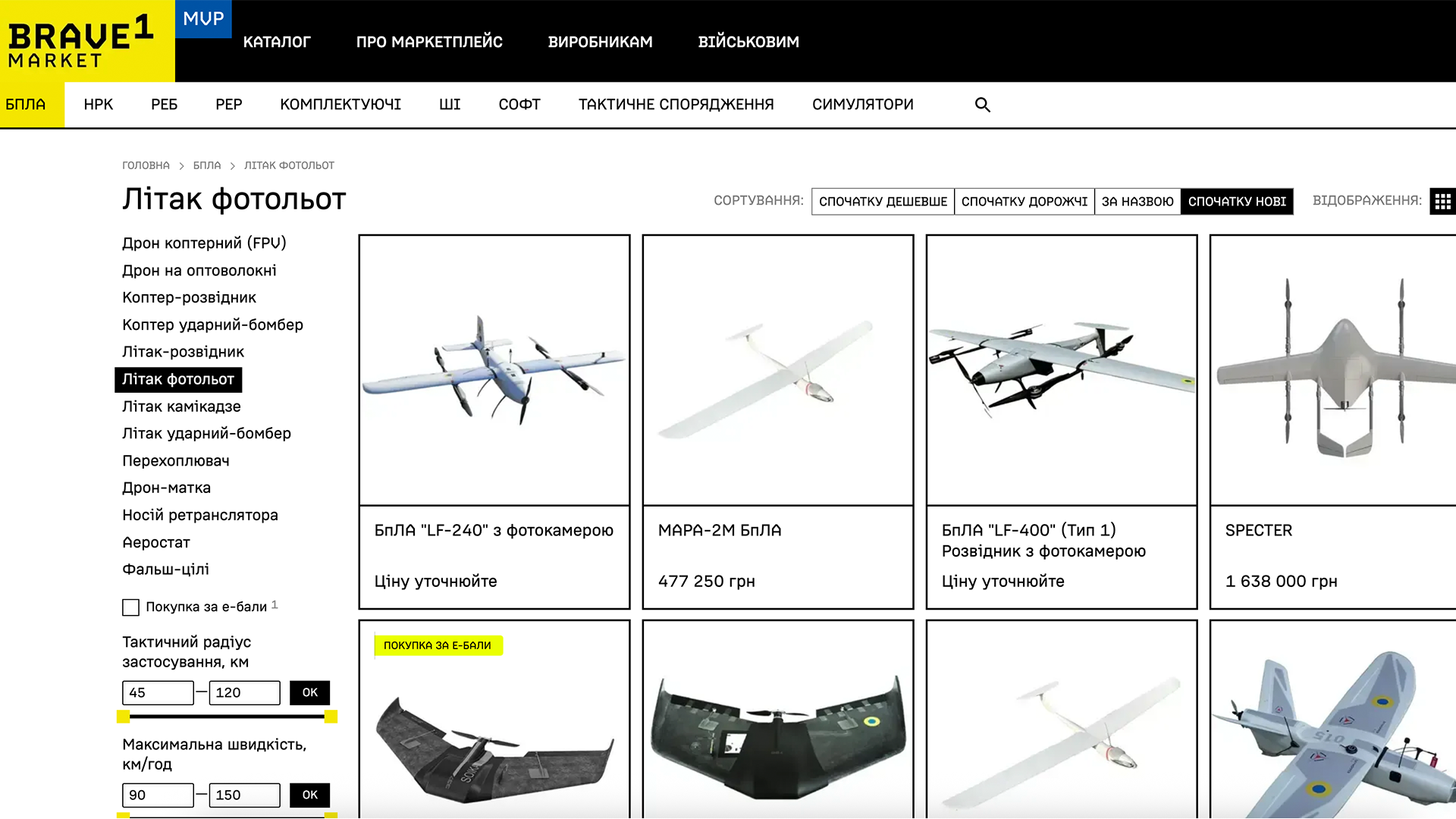
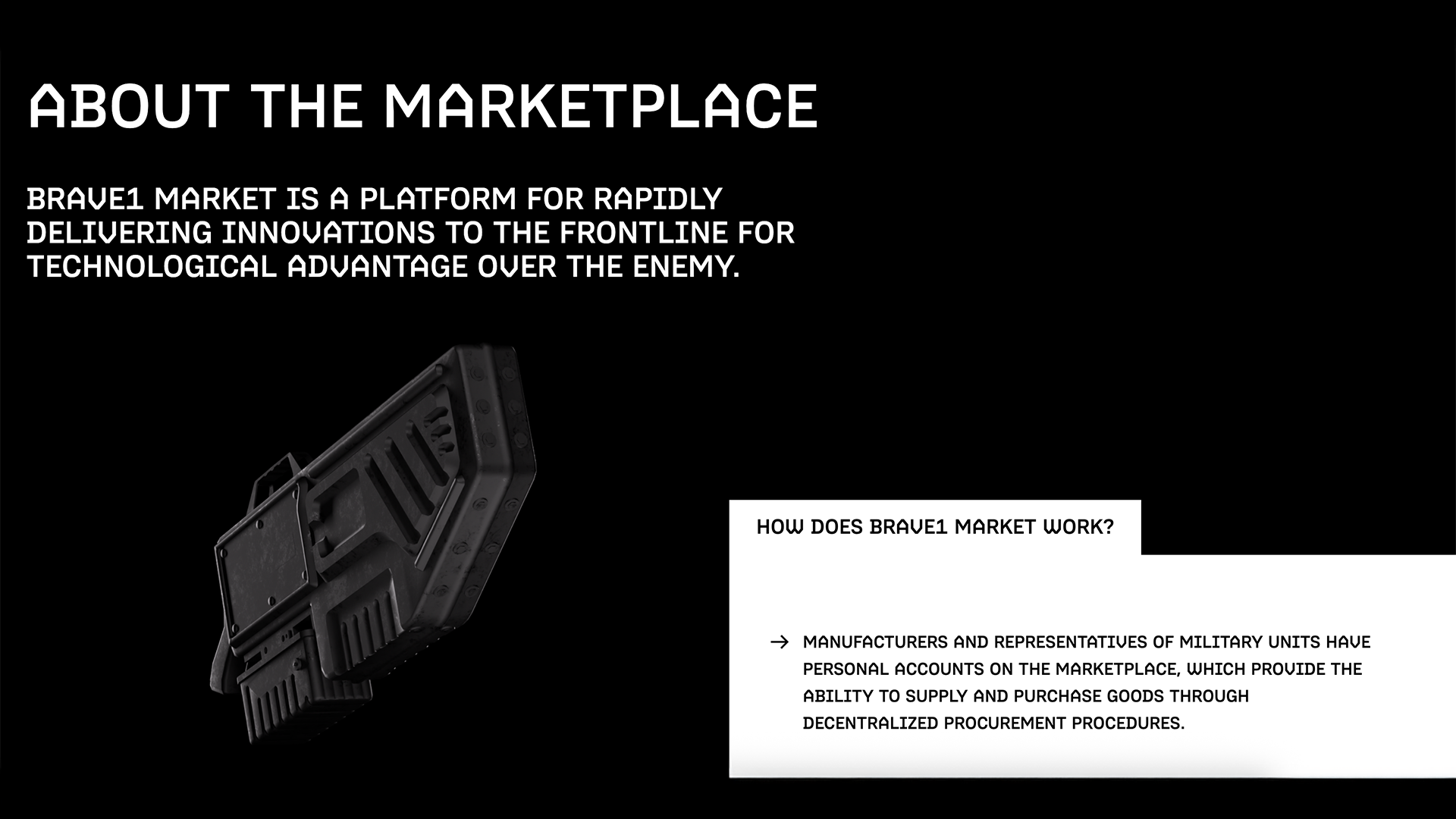
Created by Ukraine's state-funded defence innovation programme, Brave1, Ukrainian military units log on to the site to order kit directly from Ukrainian manufacturers to where it is needed most.
One soldier, who wanted to be known by his callsign 'Maliuk', told me: "It's like Amazon for the military."
"We [have] never seen this before, in the whole world."
Ukraine is now producing around four million drones a year, more than any single Nato country. The Brave1 online marketplace exists to help keep pace with the war, which is driven by speed, scale and constant innovation.
The marketplace is less than a year old and was partly devised by Mykhailo Fedorov, Ukraine's Defence Minister, who, until a few weeks ago, was Ukraine's Minister of Digital Transformation.
How does it work?
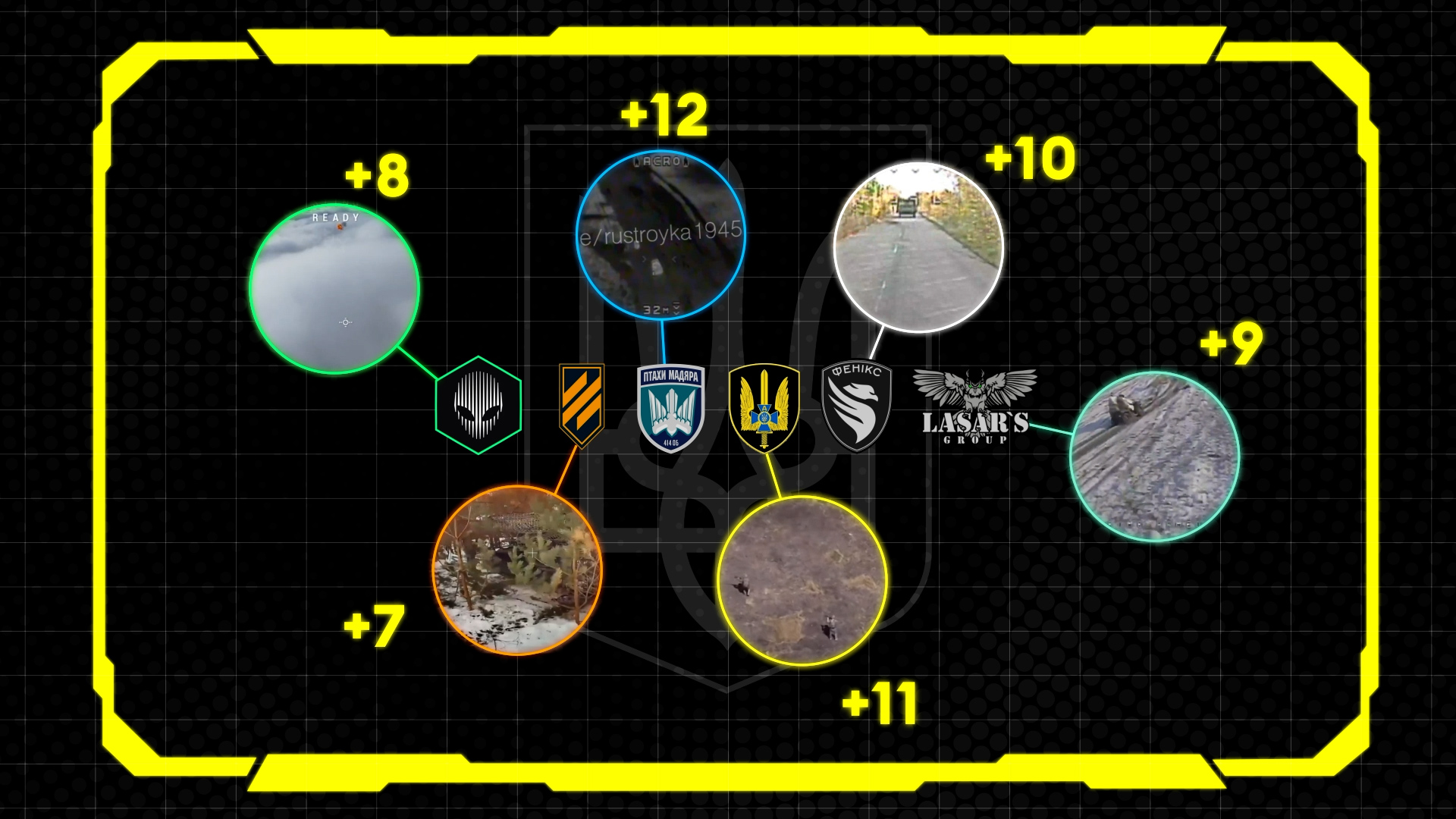
Teams compete under the "Army of Drones Bonus System": the more points you get, the more kit you can buy.
The units earn points by destroying and damaging enemy targets. The drone strike footage is sent off by the units to be verified by Brave1, who will then issue points.
Those points are converted to money, allowing soldiers to buy kit via the online marketplace direct from Ukrainian manufacturers.
Different strikes are worth different amounts and change monthly depending on current military strategy.
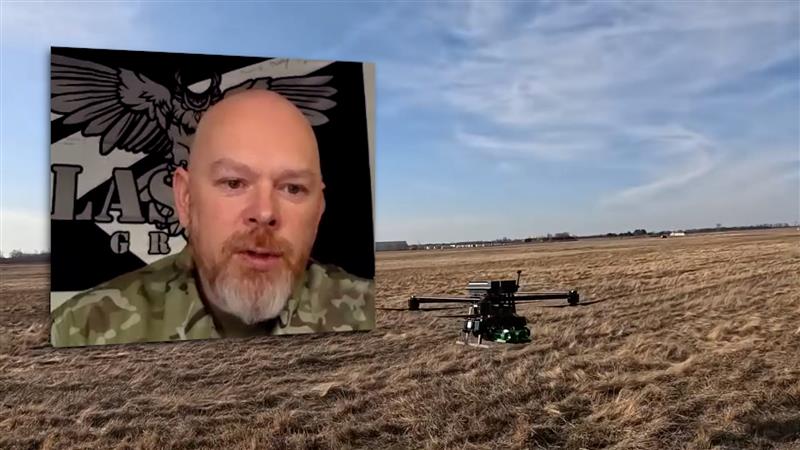
Phoenix, a soldier from the Lasar's Group, tells me: "Changing the amount of points for different target[s] can concentrate military unit[s] to special tasks and different directions, different areas.
"So for example, if we want to concentrate on enemy personnel, the points for personnel increase. So... if we want to destroy more, for example, tanks, the amount of points for tanks will be increased."
The Lasar's Group is a unit made up mainly of civilians, known for their effective use of drones – it was responsible for $13 billion of damage to Russian assets in 2025 alone.
Competing for the top spot
There is also a leaderboard for the top 10 teams that have earned the most points that month. The teams can be made up of one or more military units.
There is an argument that this glorifies killing, turning war into a video game where you exchange human lives for points.
However, soldiers say their motivation for points is not the competition – it runs much deeper than that. Maliuk tells me: "We don't care about the scores, we [are] doing our job to defend our land.
"If you ask anybody, pilots of FPV or something else, like, 'what scores do you have?' they're like, 'I don't know, I don't care. I'm just doing my job'."
Phoenix adds: "The main goal for all military units in Ukraine is to destroy our enemy and protect our country.
"However, this e-points system can highlight the most effective units and allow them to attract more investment and higher-quality personnel."
Brave1 says the marketplace helps high-ranking officers communicate strategy, enabling the troops to be as effective as possible.
"This system helps us to create some communication between [the] General Staff and the average soldiers on the frontline," says Yuliia Myrna, Product Manager of the Brave1 Market.
"The cost for every enemy target depends on the general strategy of our General Staff."
Gaining traction
The scale of the Brave1 market platform is significant.
More than 600 manufacturers are now registered, offering over 2,600 products, including a variety of drones: interceptor, surveillance and first-person-view attack drones, as well as fibre-optic devices and everything from batteries to anti-thermal imaging cloaks.
More than 400 units on the frontline in Ukraine have signed up to the marketplace so far. By cutting out a 'go-between', delivery times have dropped from several months to around a week.
Maliuk is in charge of sending off drone footage and buying kit from the marketplace for his unit. He says the system of dealing with manufacturers is "really good", noting that you can call up a manufacturer, even if it's late at night, and they will help sort any issues.
Phoenix says it's like "online shopping", going through a catalogue, choosing items and waiting for delivery.
A significant challenge the marketplace is up against is that the technology on the battlefield is constantly changing, creating a game of 'cat and mouse'.
Yullia Myrna tells me Ukraine needed to find a way to deliver products as quickly as possible, as it takes around three months for Russia to adapt their frontline tactics to counter the latest tech innovations.
Brave1 is working on a way to publish reviews from the soldiers, so those looking to purchase a product can see how it performed for other users.
At the moment, there are only Ukrainian manufacturers featured on the site, but we could see companies from other countries invited to join.
It's a novel approach, but one we're likely to see more of in the future, given Fedorov, the brainchild behind Brave1, is now in the more senior position of Minister for Defence.
Related topics
Join Our Newsletter