UK joins 10-country push to develop new anti-ballistic missile shield for Ukraine
The UK has joined Ukraine and eight other European countries in an effort to develop an anti-ballistic missile system, using technology and expertise from across the continent.
The Integrated Anti-Ballistic Missile Coalition was launched in Paris by Denmark, France, Germany, Italy, the Netherlands, Norway, Spain, Sweden, Ukraine and the UK.
Its flagship project will focus on Freyja, a proposed missile and air defence system which Ukrainian president Volodymyr Zelensky believes could be developed within the next 12 months.
- Gen Z women v Putin: The young women fighting Russia on Ukraine's frontline
- Ex-British military in Ukraine to train responders in wake of Russian attacks
- Bulldog spirit: From Basra to the Donbas, Britain's ageing APC continues to battle on
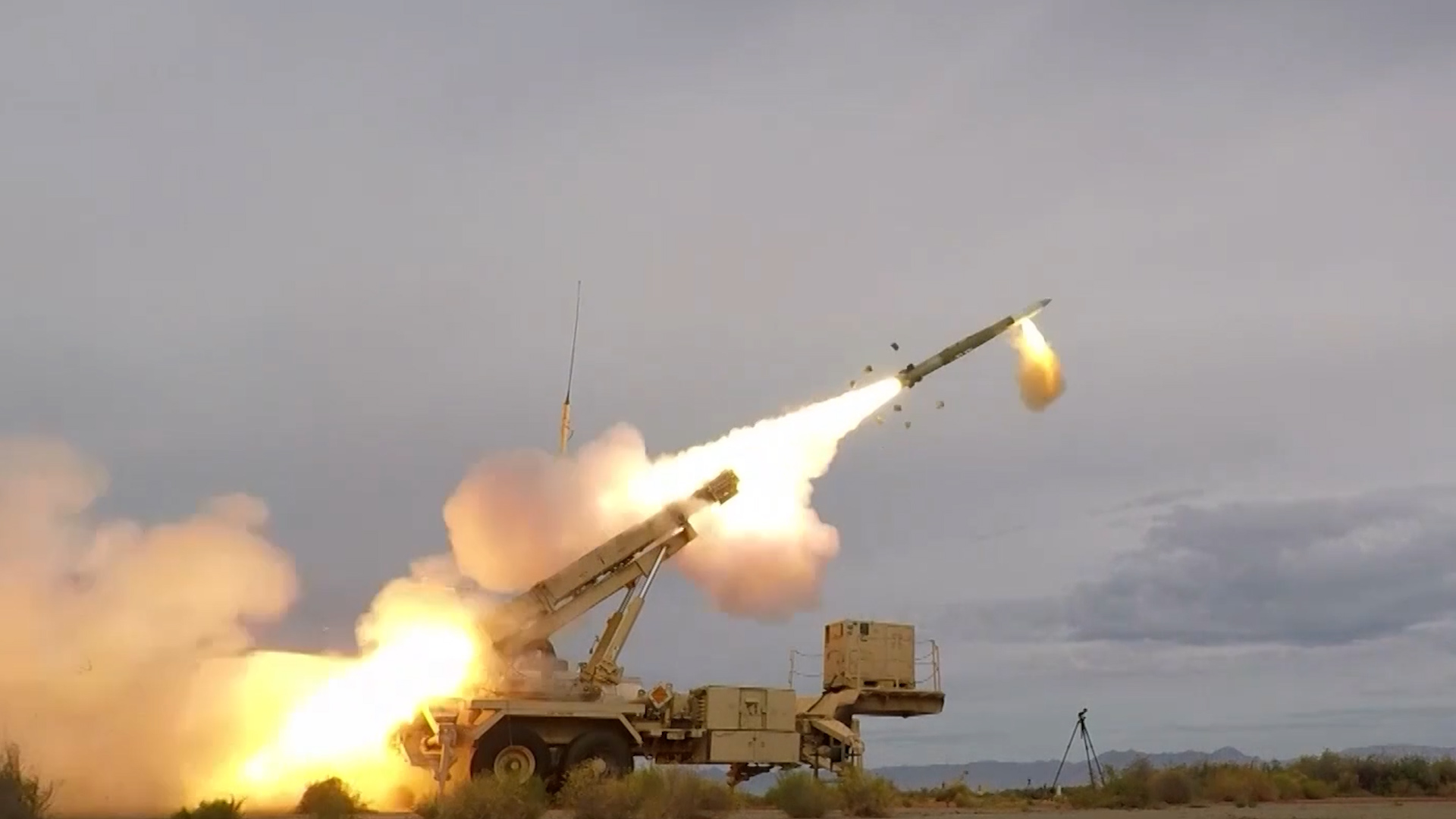
The new system is intended to work alongside existing ballistic missile defences, including the US-made Patriot.
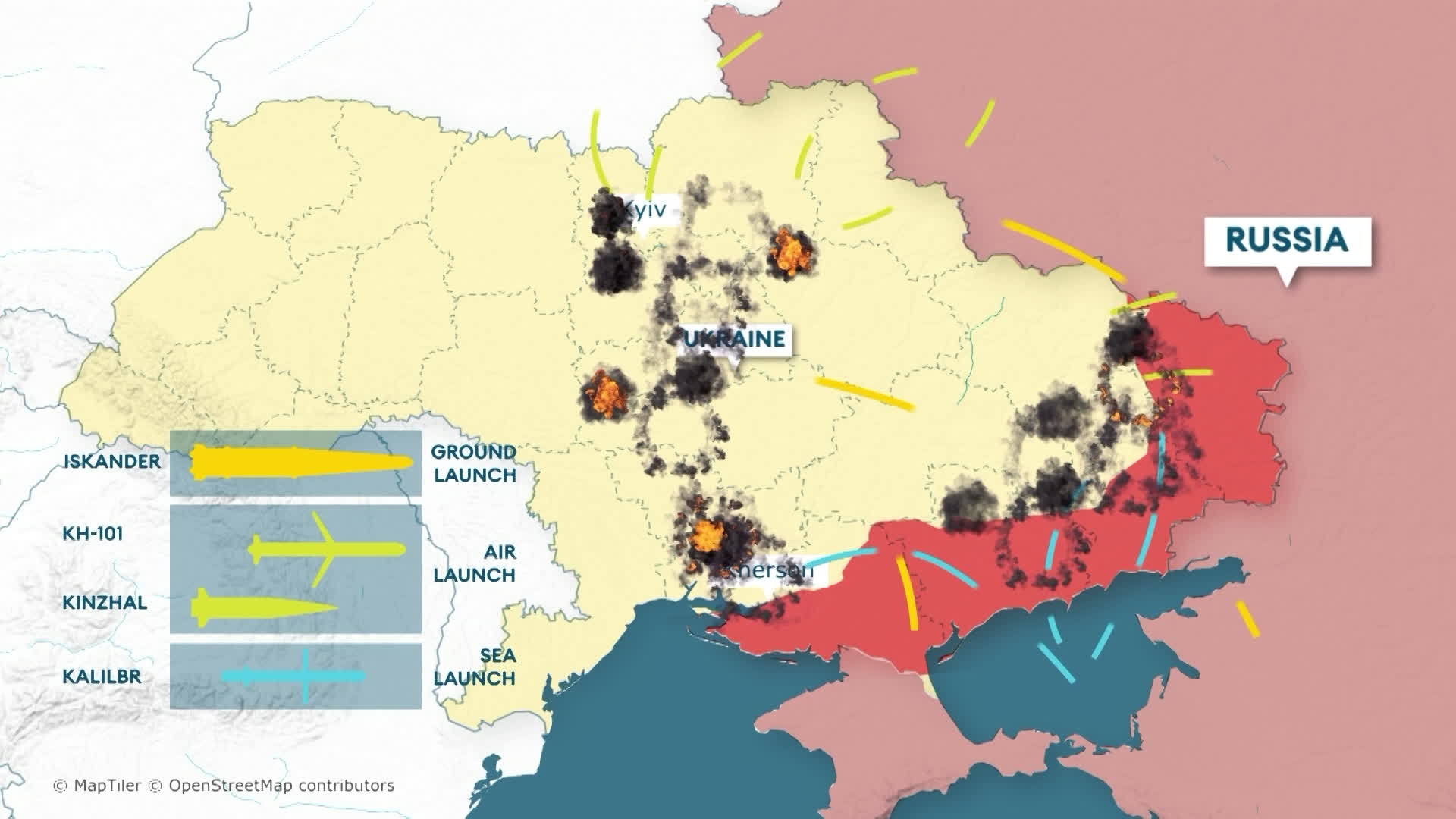
A European-backed system
The Freyja programme was presented during the coalition's inaugural meeting.
The project is expected to combine Ukrainian work on an interceptor missile with radars and other technology produced by European defence companies.
Freyja is intended to supplement existing defences rather than replace systems such as the US-made Patriot or the Franco-Italian SAMP/T.
Companies represented at the meeting included MBDA, Thales, Saab, Leonardo, Eurosam, Diehl Defence, Kongsberg Defence & Aerospace and Ukraine's Fire Point.
Aster production in Ukraine
Alongside the longer-term Freyja project, France and Italy have authorised licensed production of Aster 30 interceptor missiles in Ukraine.
The missile is used by the SAMP/T air-defence system, and the countries said work should begin as soon as possible and before the end of 2026.
Ukraine also intends to order four next-generation SAMP/T systems. France will provide two SAMP/T systems during their production, which will later be returned once the new equipment is delivered.
A GF300 radar, described as the first component of the new systems, is due to reach Ukraine before the end of 2026. Further modules are expected to follow from 2027.
Related topics
Join Our Newsletter