Depending on where you are in the world, you could witness a once-in-a-generation spectacle in the skies tonight.
The most significant eclipse since 1999 will have millions across the UK and parts of Europe scrambling to the shops for eclipse glasses or cobbling together DIY pinhole viewers for a safe glimpse of the sun.
But while the solar eclipse is no doubt dominating every conversation you have today, let's rewind to the Second World War – when an Allied military contingency plan under the same name addressed the occupation of Germany following its surrender in 1945.
And no, you don't need special glasses for this one.
Operation Eclipse
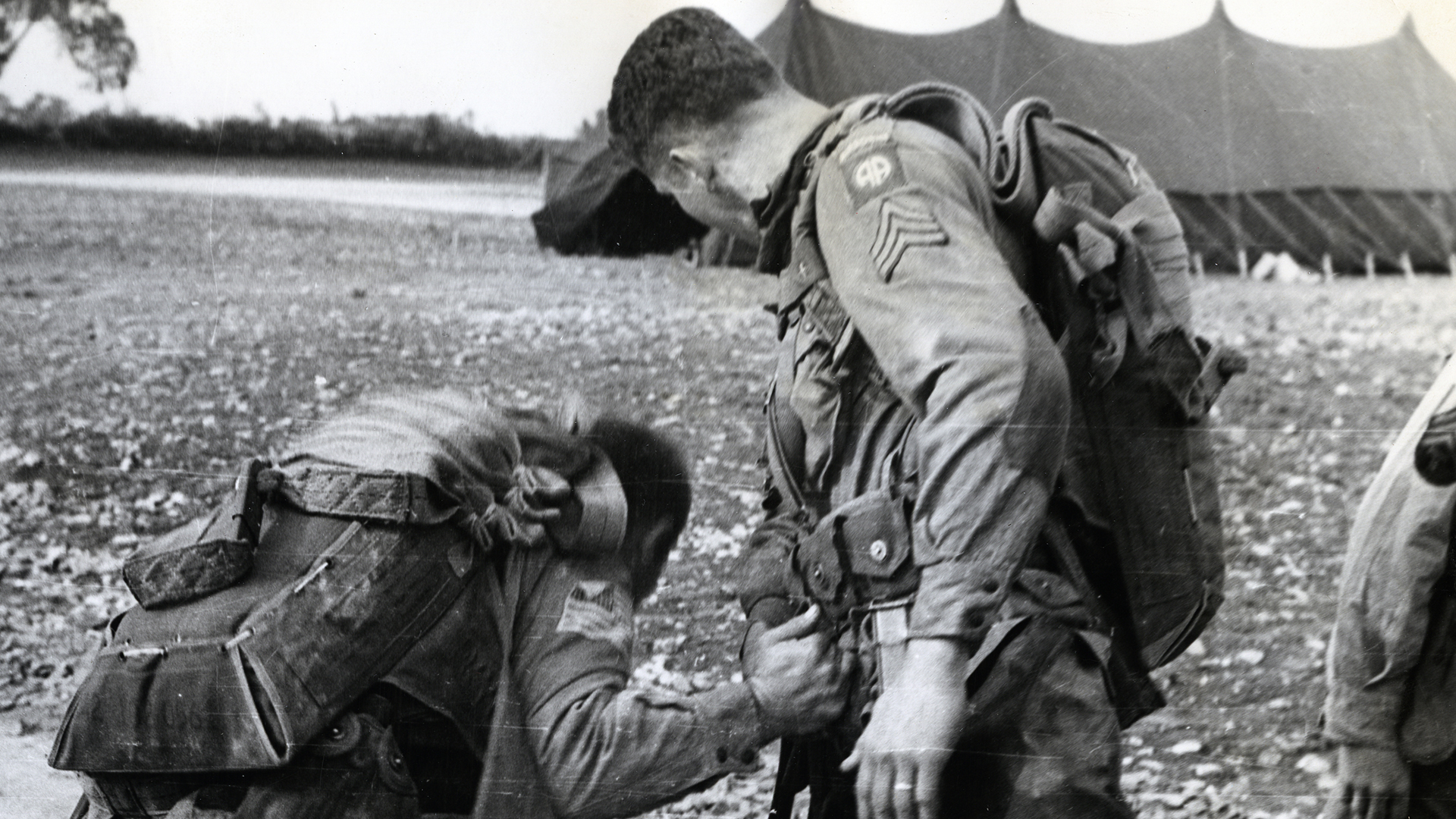
By 1943, Supreme Headquarters Allied Expeditionary Force, under General Dwight D Eisenhower, was developing a plan detailing how Allied forces would occupy Germany, maintain order, and govern the region following Germany's unconditional surrender or in the event of a total military collapse.
The initial plans were given the codenames Rankin, Talisman and finally, in October 1944, Eclipse.
Consolidated under this name, the planning framework was later developed into more specific plans as the military situation changed.
Eclipse I formed the core contingency plan, to be implemented if there were a German military collapse in North-West Europe. The plan was directed solely at the mainland of continental Europe, in particular the manner in which the occupation of Germany was to be undertaken.
Devised later, Eclipse II would involve a potential Allied airborne operation in Berlin, with forces tasked with securing key airfields and other strategically important locations.
Nevertheless, with Gen Eisenhower's reluctance to race the Red Army to Berlin, and rapid Allied advances already underway following the Rhine crossings, the high-risk airborne operation was ultimately deemed unnecessary.
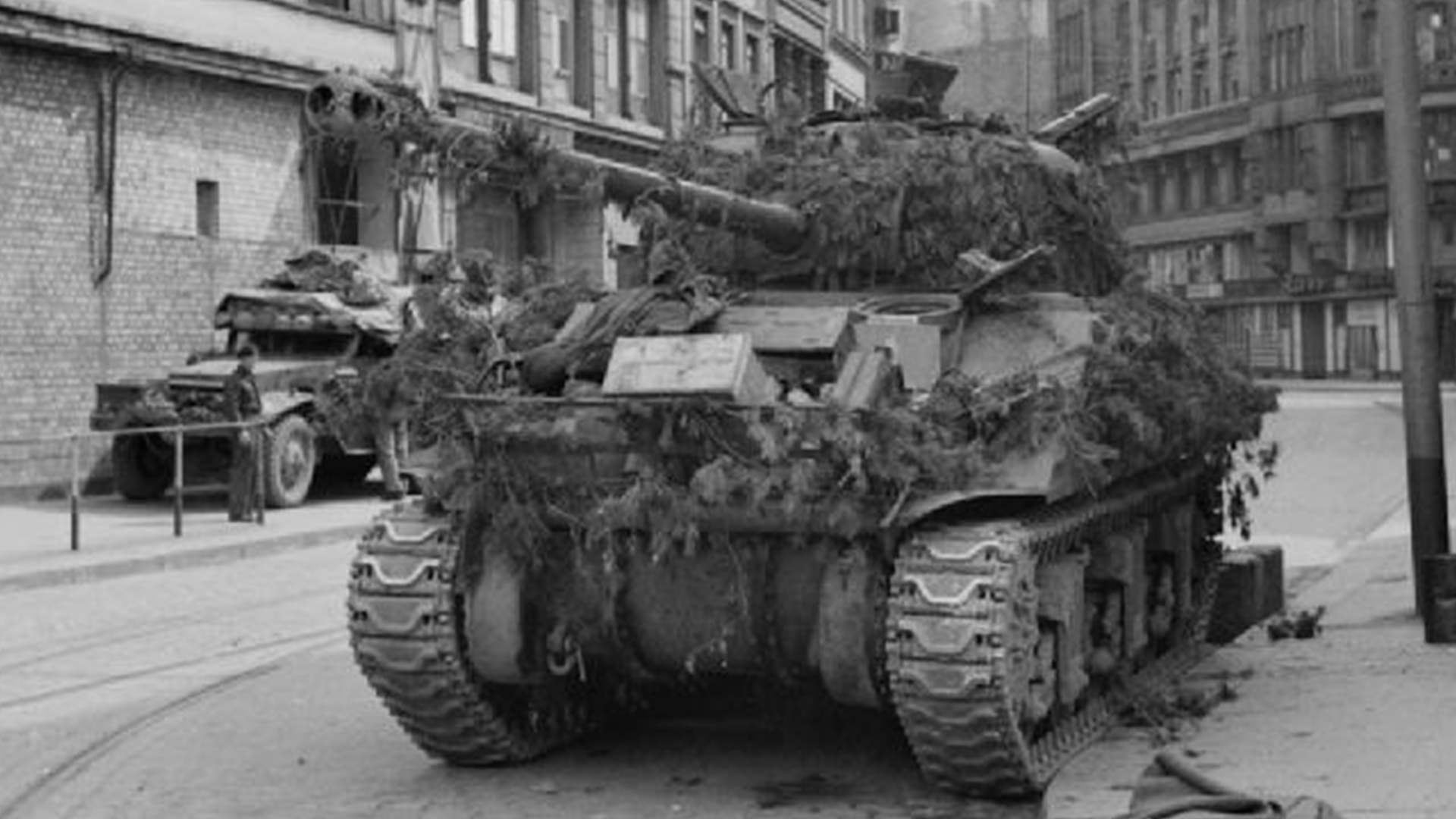
Eclipse III concerned the rapid capture of German ports – including Emden, Wilhelmshaven, Bremerhaven, Hamburg, Kiel, Lübeck and Wismar.
The 21st Army Group, led by Field Marshal Bernard Montgomery and including the British 2nd Army and Canadian 1st Army, successfully occupied these ports during the final weeks of the war.
Finally, Eclipse IV was the establishment of clear demarcation lines and occupation zones to prevent accidental clashes between the Western Allies and Soviet forces as both armies converged into Germany.
These specific lines and zones were later formally discussed and approved at the Yalta Conference, a meeting between Churchill, Roosevelt and Stalin in 1945, which discussed the defeat of Nazi Germany and the postwar European order.
So, while we all (safely) gaze up at the sun tonight, you can now impart some Second World War history to your friends and family.
Join Our Newsletter