Former Apple engineer develops world's first ramjet-powered artillery munition for the UK
Andy Baynes' route into the world of defence has been anything but traditional.
After 12 years at Apple working on products like the iPhone, he and some fellow Apple engineers left and set up Nest, a smart-home company that makes thermostats and security cameras. They later sold it to Google for more than $3bn.
Instead of retiring, he began investing in Ukraine's flourishing tech sector.
Transforming how defence is done
When Russia launched its full-scale invasion in 2022, Andy's firm helped evacuate civilians, including 500 orphans from Mykolayiv and Dnipro.
They also gave financial support to fleeing Ukrainian families and brought in medical supplies from the Netherlands.
In 2022, he decided he needed to do more and co-founded a US defence company, Tiberius Aerospace, with other veterans of Silicon Valley.
Their aim? To transform how defence is done.
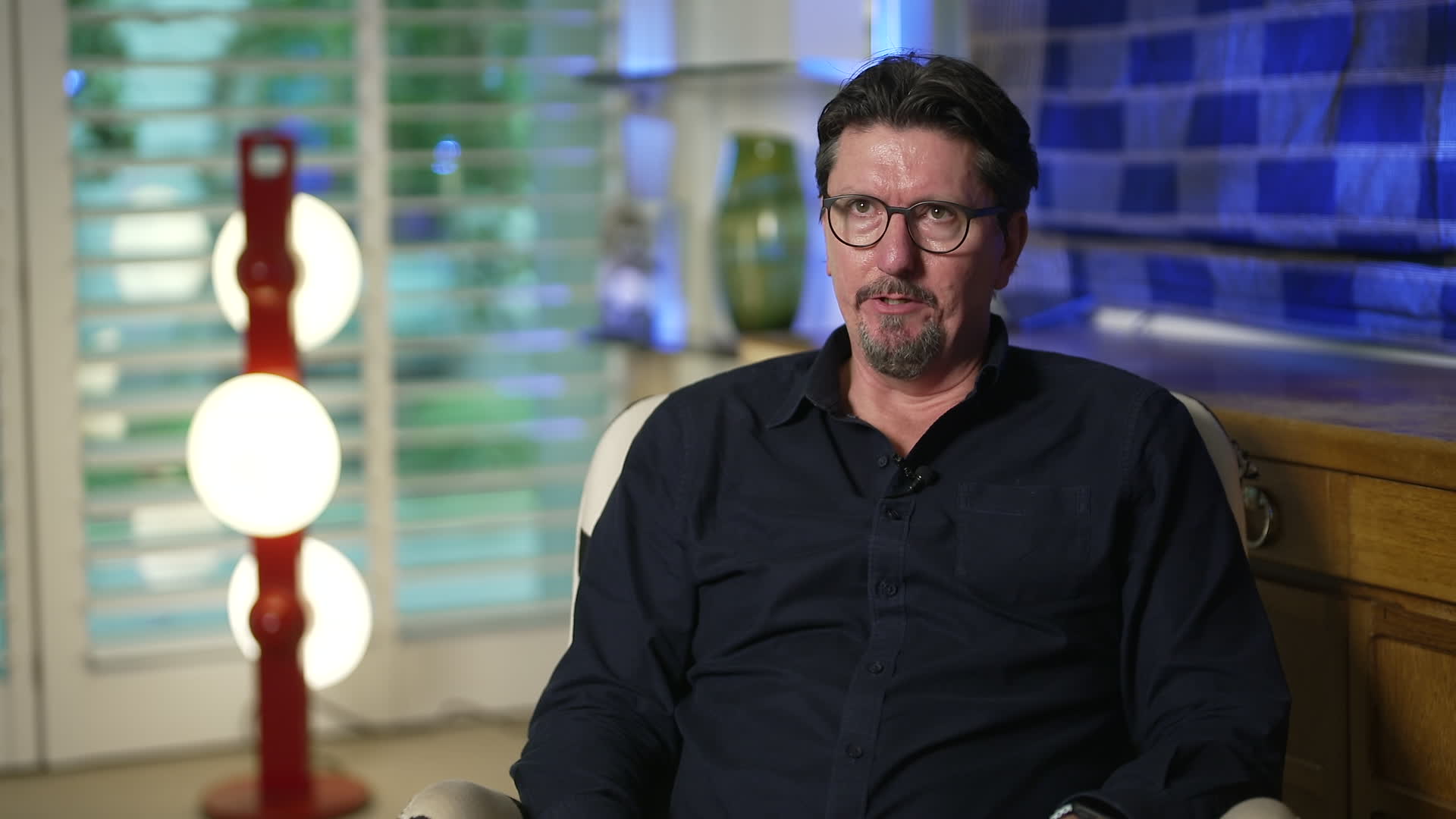
"If you look at how modern-day warfare is executed, the defeat cycles are unlike anything we've seen previously," he explained to BFBS Forces News.
"We are in a realm where you introduce a new capability, and it is defeated within eight weeks."
To counter that, Andy said, Western defence companies need to look to Silicon Valley, where engineers constantly refine products rather than waiting years between major upgrades.
"If you look at how defence is managed today, the major programmes have their A team of engineers jumping from one contract to another, and then the B and the C teams come in and do the final builds and testing and evaluation.
"Invariably, that programme goes over schedule and over budget. It just won't work for the future."
World first
Tiberius focuses on design and development rather than manufacturing, with engineers working on continuous iterations of its weapons.
That philosophy is being applied to Sceptre, a supersonic ballistic munition designed to be fired from a standard 155mm artillery gun.
Tiberius says Sceptre could extend the effective range of the gun to around 150 kilometres, using a guided missile with an accuracy of around 3.5 metres. The projectile is powered by a liquid-fuel ramjet, technology that allows it to fly faster and further than conventional artillery ammunition.
The MOD was Tiberius' first customer for the design, and the company plans to bring its multi-billion-dollar contract into a UK manufacturing environment.
The engineering challenge has been considerable.
"This is an engineering problem that no other company has been able to solve," Andy said.
"And that engineering problem is: how do you get a liquid-fuel ramjet missile to survive 16,000 Gs of shock out of an M777 barrel?
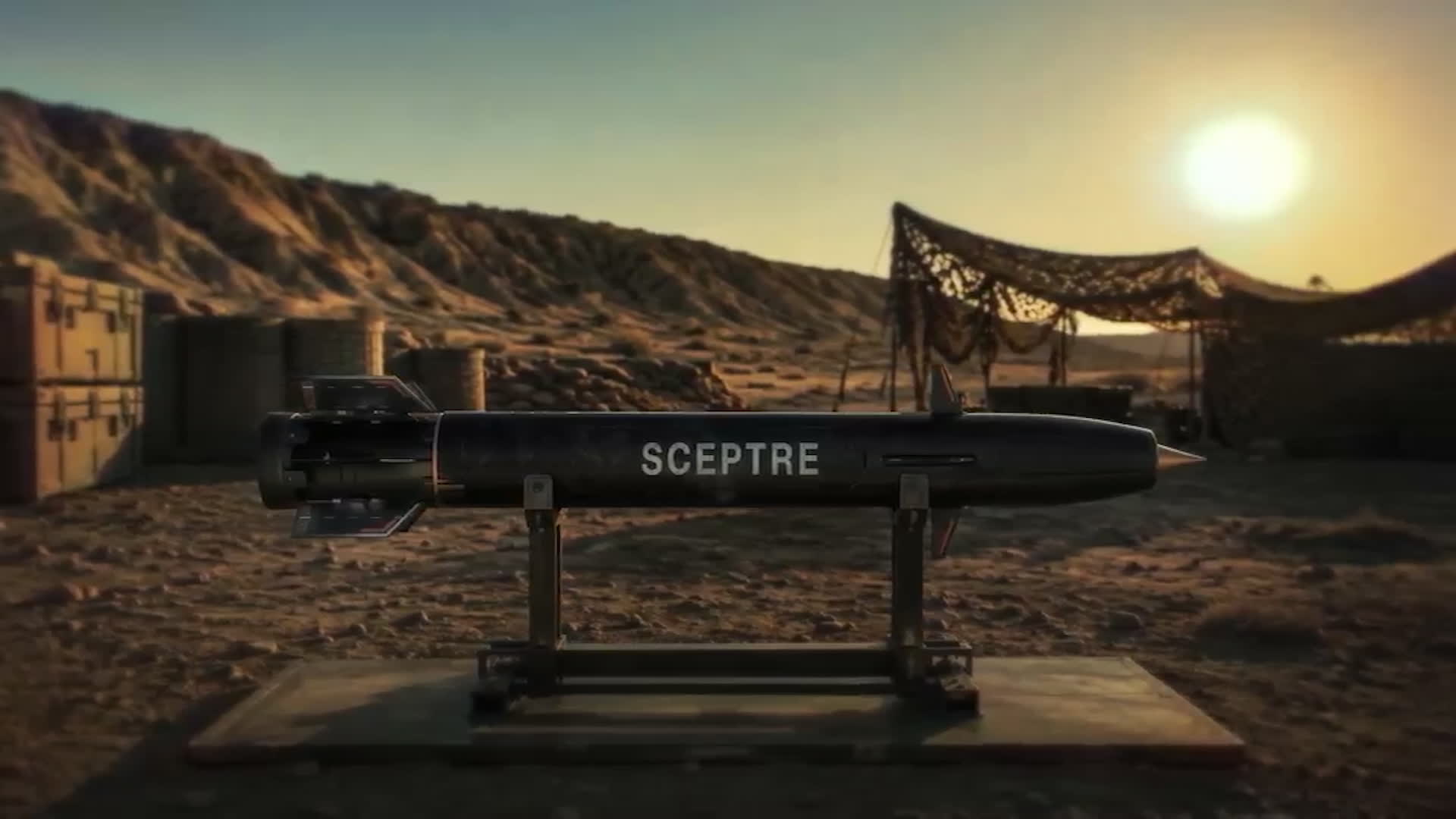
"And we achieved that world first back in March."
Tiberius is also developing Invictus, a tube-launched ramjet missile that can be deployed from a standard 40ft shipping container.
The company says its system could carry 45 weapons in a single container and fire them in under 30 seconds.
Beyond the weapons themselves, Andy wants to change how defence companies source components.
Tiberius has developed a system called Grail, which it describes as a digital marketplace connecting defence programmes with commercial suppliers.
The aim is to bring companies outside the traditional defence industry into military supply chains and allow multiple suppliers to compete on price and performance.
Related topics
Join Our Newsletter