Eligible military families will get £100 towards energy bills – but when and how remains unclear

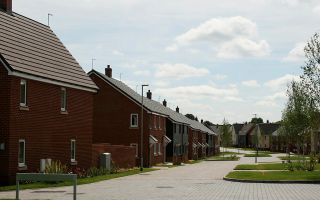
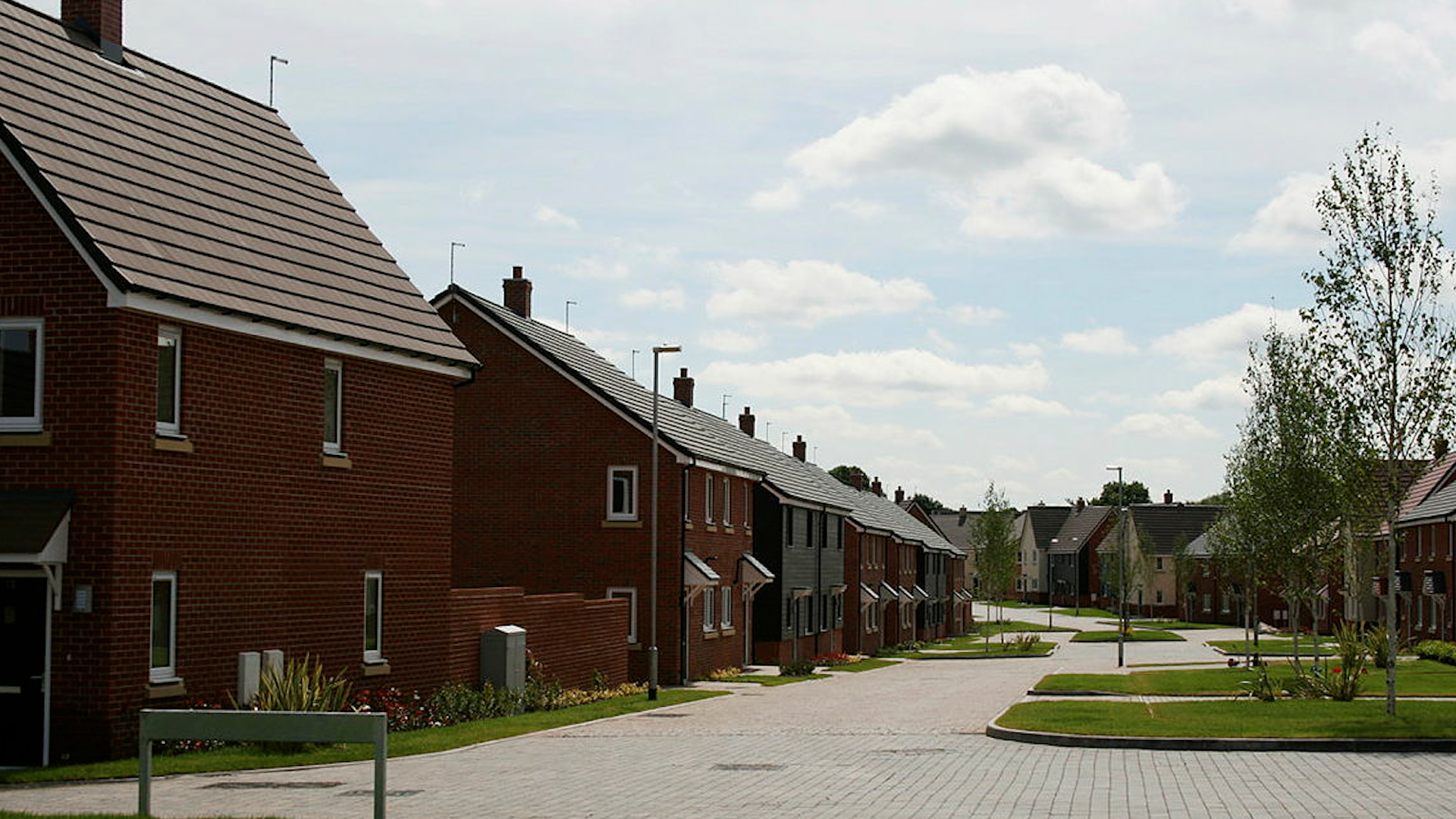
Military families living in Service Family Accommodation (SFA) will receive the government's £100 energy bill support payment, the MOD has confirmed, although officials cannot yet say when or how the money will be paid.
Chancellor John Healey announced in October that the payments would be made to most UK households in January 2027 via a council tax rebate.
However, because those living in SFA do not pay council tax through local authorities in the standard way, the government's primary payment mechanism cannot be used to get the £100 payment to them.
Confirmation that support will extend to service personnel comes days after Ofgem announced the energy price cap will rise by 26% in January, taking typical annual gas and electricity bills to £2,166.
When will the funds be paid?
An MOD spokesperson told BFBS Forces News that the payment process for SFA households is still being finalised, assuring that eligible military families will receive the funds.
When a similar scheme was rolled out in 2022 following energy price rises after the invasion of Ukraine, eligible personnel received the payment directly through their monthly salary.
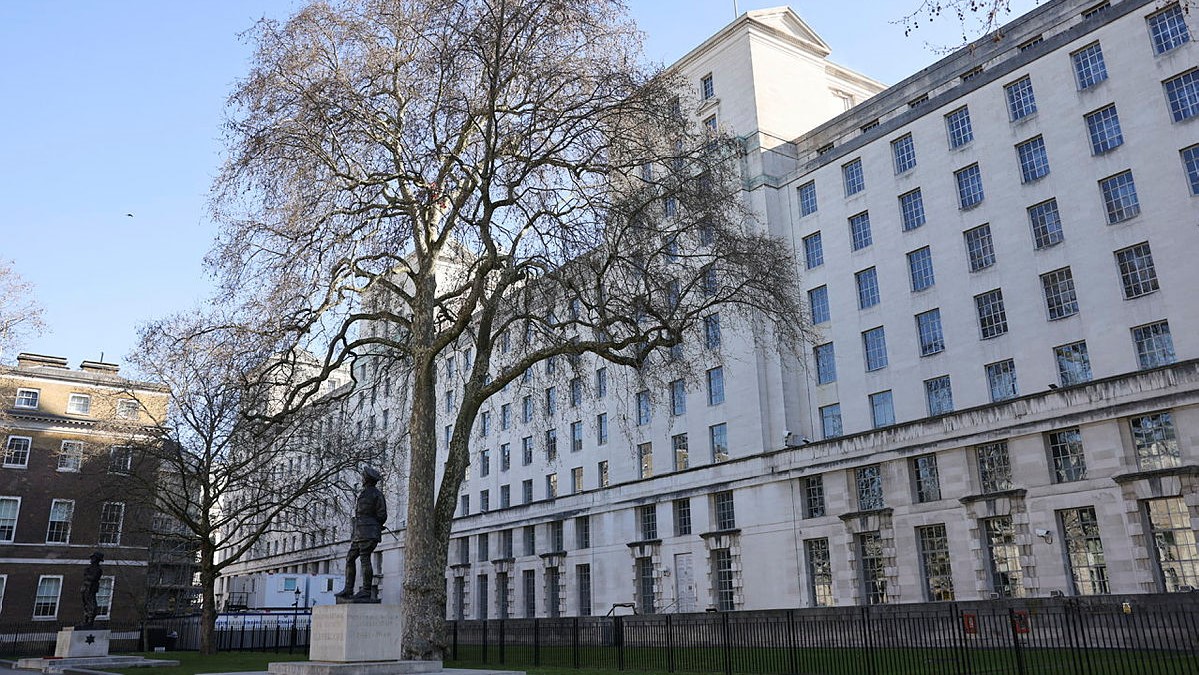
While civilian households have been told their rebates will arrive in January 2027, the MOD has not committed to matching that deadline.
The spokesperson said the department would update families on the payment schedule but said the aim was to get the money to eligible households as soon as possible.
Service Family Accommodation – exempt from council tax, but still paying
SFA properties are exempt from council tax, meaning military households do not receive standard local authority bills.
Instead, the service person responsible for the property pays a contribution in lieu of council tax – deducted monthly from their salary as 'CILOCT' on pay statements, at rates aligned with local bands.
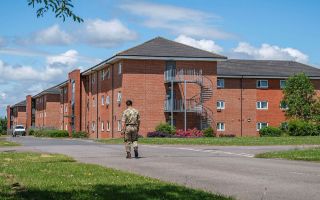
Personnel occupying Single Living Accommodation (SLA) – "in the block" – also pay a monthly CILOCT deduction, although at a significantly lower rate than those living in houses.
The MOD collects these deductions and transfers annual sums to local authorities where military communities are based to help fund local services.
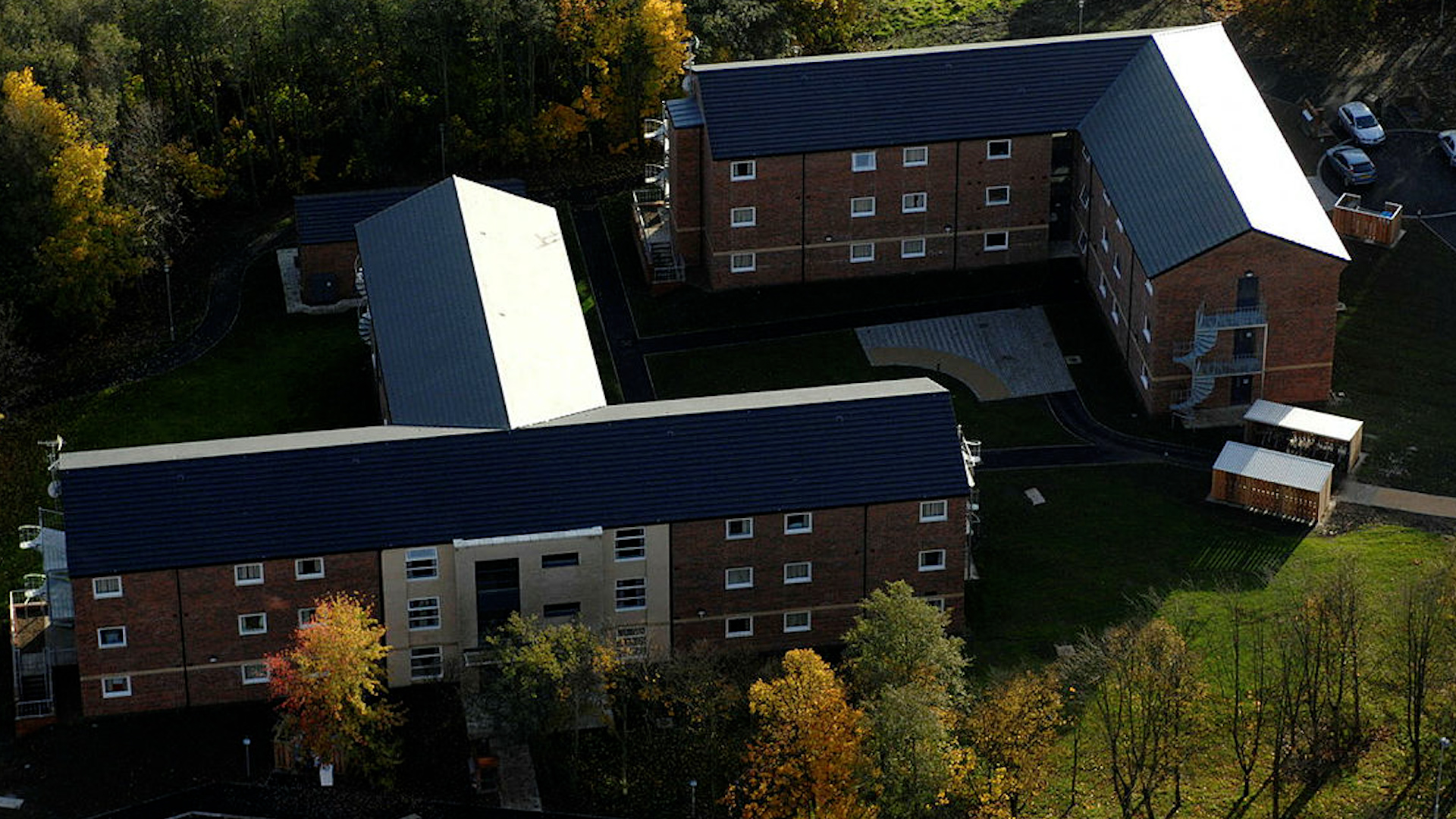
Electricity and gas included in the block, but not in SFA
Personnel living in the block do not pay separate gas and electricity bills, meaning they are unaffected by domestic tariff changes and are therefore not part of the government's £100 scheme.
But those living in SFA are required to source their own gas and electricity providers and are responsible for bills like other, non-military households.
That's why the government – now confirmed by the MOD – is offering support, in line with the rest of the UK.
In a statement, an MOD spokesperson said: "More than 4,000 Service Family Accommodation homes have been refurbished since July 2024, with many receiving improvements to make them more energy efficient, including external wall insulation, new roofs, windows and doors and heating systems.
"Families in some areas have seen savings of up to 75% on their energy bills as a result of these works.
"We remain committed to improving the quality and energy efficiency of military homes, with a further 1,760 homes expected to be refurbished by the end of this financial year."
Related topics
Join Our Newsletter