Watch out – you're being targeted by Russia, MI5 warns UK defence companies
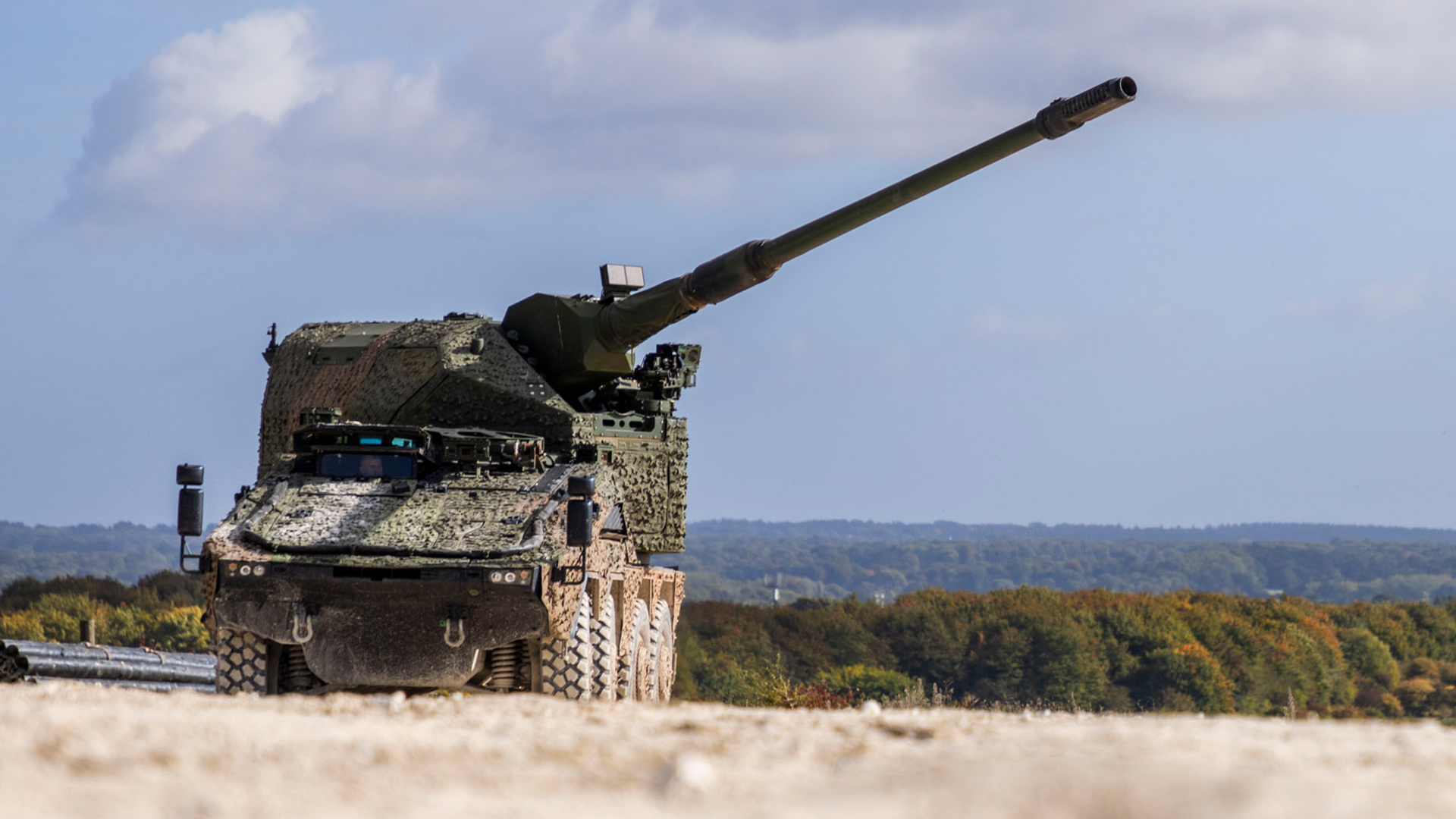
A few weeks ago, we were filming at Rheinmetall's new UK Gun Hall in Telford, a vast new facility that will churn out hundreds of gun barrels for Britain's artillery systems and Challenger 3 tanks.
On stage, taking questions from journalists, was a silver-haired German industrialist. Armin Papperger, 63, has been the chief executive of this huge German defence company since 2013.
But if Vladimir Putin had his way Mr Papperger would – allegedly – not have been sitting in Telford at all. Or anywhere else for that matter.

Assassination plot foiled
In 2024, US intelligence reportedly uncovered a plot by the Russian government to assassinate him.
The plot was foiled, but it revealed how Russia is now targeting not just Ukraine, but also any organisation supplying Kyiv with military equipment.
And with Rheinmetall products from Leopard tanks to infantry fighting vehicles – some of the best Ukraine has – Mr Papperger was firmly in Moscow's sights.
"Are the Russians still trying to kill you?" he was asked, as he stood beside Defence Secretary Wes Streeting.
"Well, you can see there is a lot of protection here running around," Mr Papperger replied.
"For the past few years, I'm living in a situation where some people, especially from the Eastern European side, really don't like me.
"But on the other side, we really have to do this job."
Intimidation, espionage and disinformation
Britain's security services clearly believe other chief executives and companies could be at risk too.
Now the National Protective Security Authority (NPSA), which is part of MI5, has taken the rare step of issuing a security alert to UK businesses supplying the Ukrainian military.
This week, UK intelligence chiefs are hosting a series of closed-door briefings for business leaders involved in critical national infrastructure (CNI) and defence.
The Whitehall gatherings will set out how they and their organisations can protect themselves from malign activity by the Russian state.
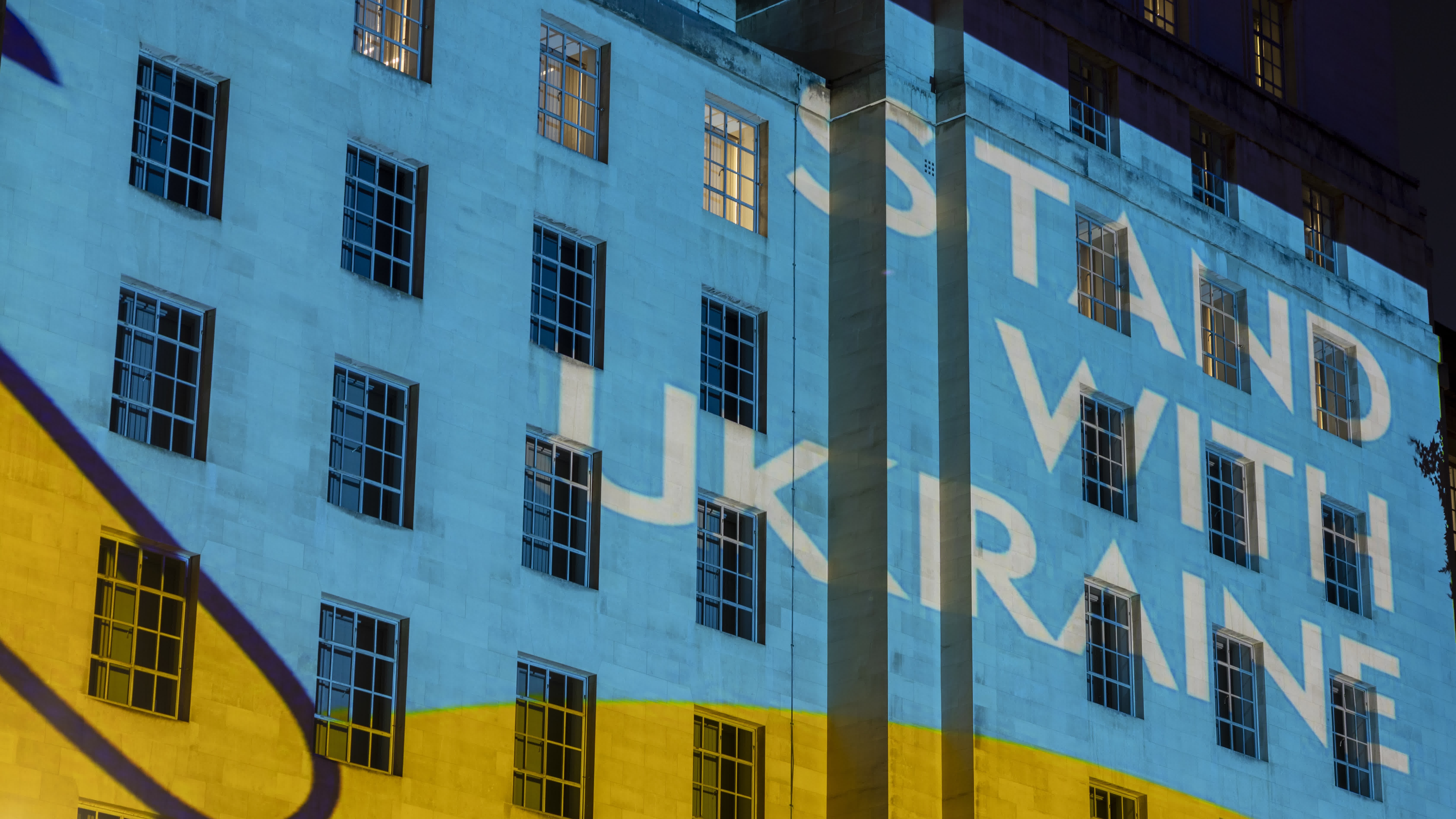
The NPSA says Russian operations are increasingly using proxy actors and relatively unsophisticated methods, including arson, to try to undermine Western support for Ukraine.
Intimidation, espionage and disinformation campaigns also feature heavily in the Russian playbook.
Sabotage on the rise
Companies have been urged to reduce their digital footprint, improve physical security, identify potential locations for hostile surveillance, and ensure their employees know how to recognise and report suspicious activity.
Security Minister Dan Jarvis said there had been an uptick in sabotage attempts right across Europe.
"It's truly shameful that actors are seeking to disrupt our way of life and that of our allies, especially targeting organisations doing vital work in support of Ukraine," he said.
Last year six men were convicted for their part in an arson attack on a warehouse in London containing Starlink satellite equipment destined for Ukraine.
The ringleaders were allegedly recruited online by agents of Russia's Wagner Group, the private military contractor co-founded by the late Yevgeny Prigozhin.
He died in a mysterious plane crash two months after leading an aborted mutiny against Russian military commanders.
Russia has denied any involvement in the incident.
In September, Joshua Cammidge was charged under the National Security Act after he allegedly prepared to torch a drone factory in Swindon.
Prosecutors allege Cammidge communicated with and received instructions from a representative of the GRU Volunteer Corps – a group linked to Russia's military intelligence agency.
The 31-year-old denies the charge and is due to go on trial at Winchester Crown Court in April 2027.
There have been similar alleged arson plots in Estonia and Latvia against companies supplying Ukraine.
Not just big fish
For Britain, the potential targets extend well beyond major weapons manufacturers.
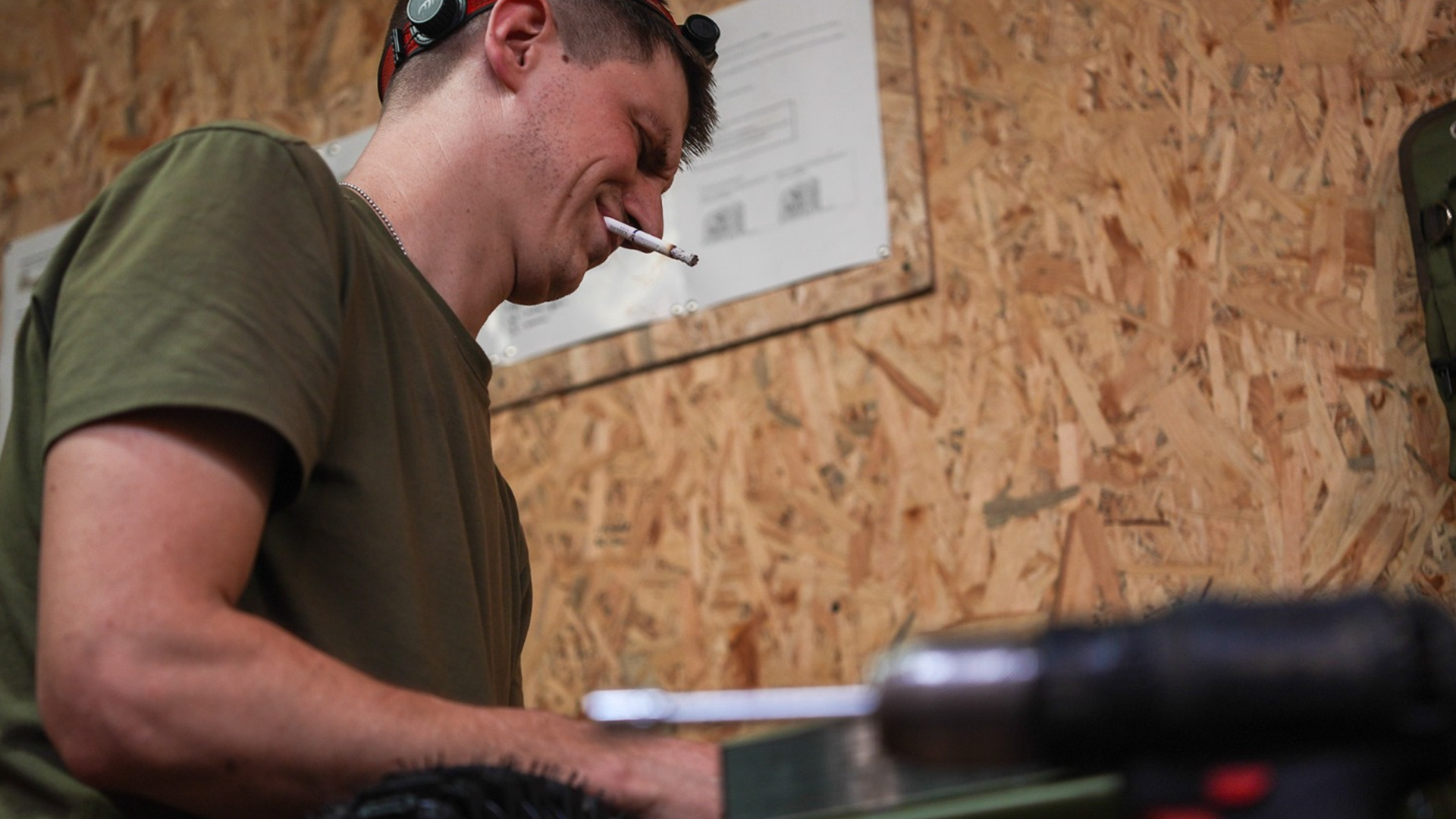
The NPSA alert specifically includes organisations involved in military procurement and companies further down the supply chain.
It includes smaller engineering businesses, technology firms, logistics companies and specialist manufacturers making products for the Ukrainian armed forces.
The UK already has a network of organisations responsible for protecting CNI and defence businesses, including the National Cyber Security Centre, Counter Terrorism Policing and the NPSA.
In Mr Papperger's case, the precise details of the alleged assassination plan have never been made public.
It is not known whether Russian intelligence agents intended to kill him themselves or recruit a local proxy to carry out the attack.
"At the end of the day I'm very happy that a lot of governments in Europe are protecting me," Mr Papperger told the audience.
Join Our Newsletter