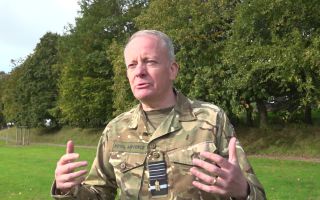
The UK needs to develop its resilience as a nation to withstand a broad range of crises and threats, from natural disasters to armed attack, the Chief of the Defence Staff told BFBS Forces News.
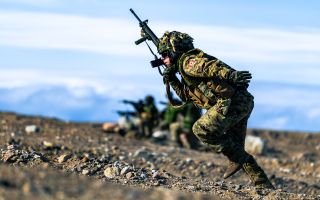
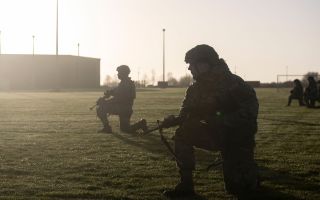
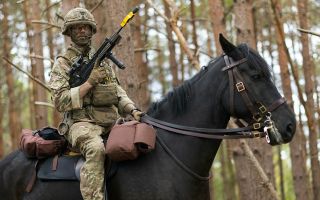
Speaking as UK military personnel take part in Nato's toughest patrol exercise, Exercise Cambrian Patrol, Air Chief Marshal Sir Rich Knighton said: "The changing threat and the evolution of threat; what we know is that the resilience of the nation to crises and threats from adversaries is a really important part of deterrence.
"Over most of my career, we've relied on the regulars and the reserve to protect the country. As we think about the future, we need to develop our resilience as a nation.
"What that means is involving civil society, involving emergency services, so that we are able to withstand all kinds of stresses, whether that's from natural disasters like the wildfires you saw here in Wales or whether it's from armed attack."
He added that part of his visit to Wales was to speak to the Welsh Government and local authorities about their role in protecting society and ensuring the nation is resilient.
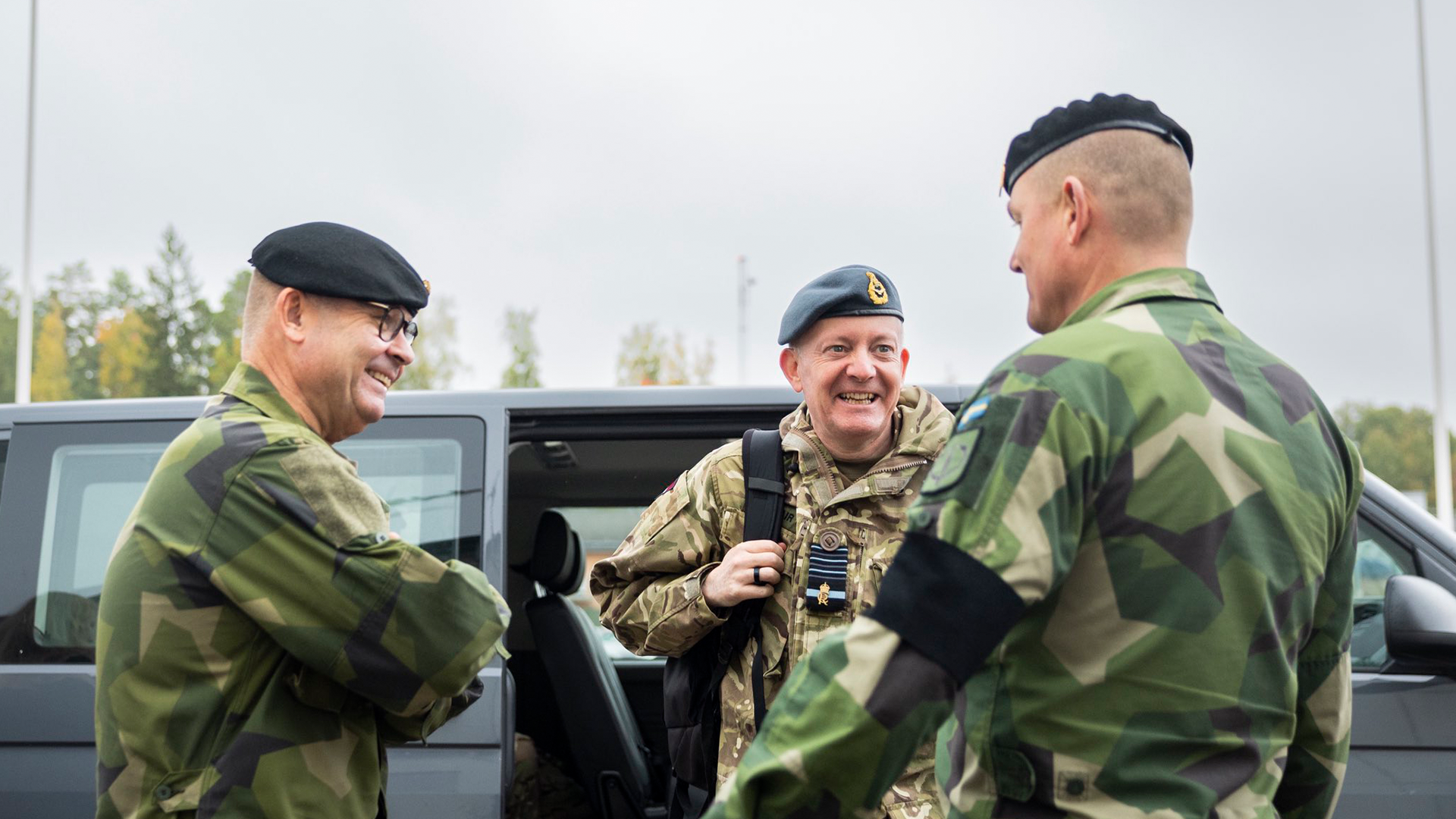
The head of the UK Armed Forces also added that Britain should look to allies across Europe, who have made "significant strides" in developing national resilience.
He highlighted his recent visit to Sweden, where he met his counterpart, General Michael Claesson, to learn more about the country's approach to defence, which combines military and civilian capabilities to protect the nation against armed attack and major crises.
Both commanders warned that Nato's ability to send reinforcements to northern Europe depends on keeping ports, railways, roads, power supplies and communications running.
UK's contribution to the alliance
ACM Sir Rich was also asked whether the UK should prioritise a particular domain in its contribution to Nato, rather than adopting a jack-of-all-trades approach.
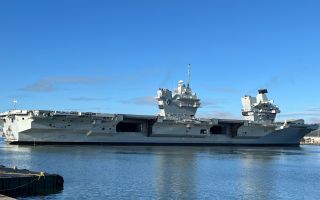
BFBS Forces News previously examined the idea of prioritising the Royal Navy when tough choices are made over defence spending.
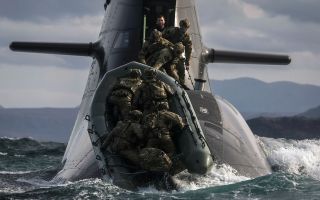
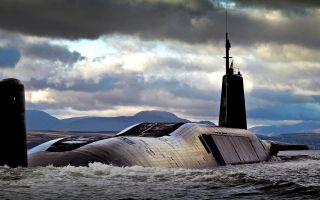
He said the UK was particularly strong in the undersea domain, underpinned by its nuclear deterrence and attack submarine capability, as well as its leadership role in Nato.
"The reason why it's the most successful military alliance in history is about the coherence and coordinated effect across all 32 nations, and that's what makes it strong," Sir Rich said.
"The UK plays a critical leadership role in that all the nations have specific targets that are based on the overall plans that are set by the Supreme Allied Commander Europe."
He added: "Whatever size, we all have a part to play, and it's that collective, coordinated capability that is the strength of Nato."
Join Our Newsletter