Civilian ports and power supplies are vital to Nato defence, military chiefs warn in Sweden
Nato's ability to send reinforcements to northern Europe depends on keeping ports, railways, roads, power supplies and communications working, the UK and Swedish defence chiefs have warned.
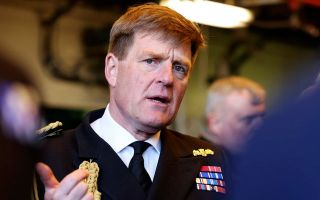
Writing jointly in The Independent, Air Chief Marshal Sir Rich Knighton, the UK's Chief of the Defence Staff, and General Michael Claesson, Supreme Commander of the Swedish Armed Forces, said national resilience was an operational requirement.
They highlighted Sweden's role in receiving, moving and sustaining allied forces, saying its strategic location made those tasks especially important to Nato's defence plans.
- Ukrainian drone operators bring frontline lessons to Sweden's largest military exercise
- What I need from Army: Chief of Defence Staff issues four bold challenges to be met
- What is 20-40-40? Battlefield model explained as CGS says Army must pivot
"Reinforcing northern Europe depends on functioning ports, airports, railways, roads, communications, energy supplies and logistics," they wrote.
The chiefs said Russia's war against Ukraine had demonstrated the importance of military readiness, industrial capacity and national resilience.
They also warned that the systems supporting civilian life could themselves become targets.
"Modern conflict blurs the traditional civil-military divide, with critical infrastructure, supply chains, communications networks and public confidence all potential targets," they wrote.
"National resilience is therefore an operational requirement."
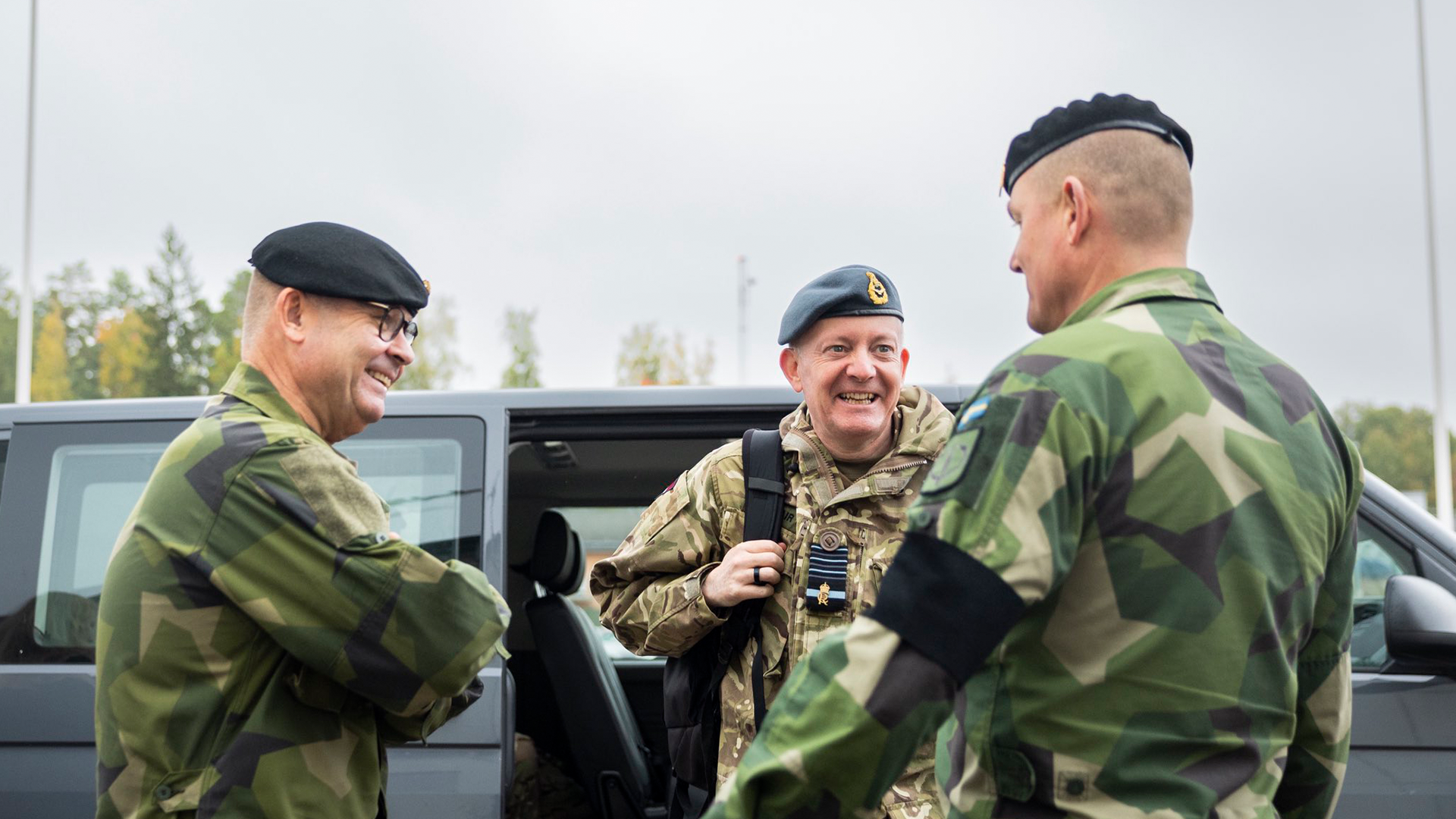
Their joint article accompanied Sir Rich's first visit to Sweden as Chief of the Defence Staff.
Defence beyond the armed forces
The commanders identified cyber-attacks, sabotage and disinformation among the threats shaping Europe's security environment.
They warned that the systems supporting everyday life could also become targets in a conflict.
Sweden's approach is built around Total Defence, which combines military and civilian preparations for war.
It involves public authorities, companies, organisations and individuals, alongside the armed forces.
The commanders said that model and the UK's efforts to strengthen resilience reflected the same understanding: preparedness must extend across government, industry and society.
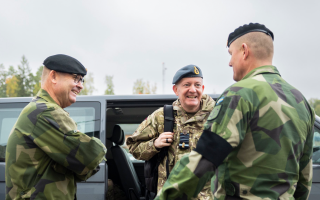
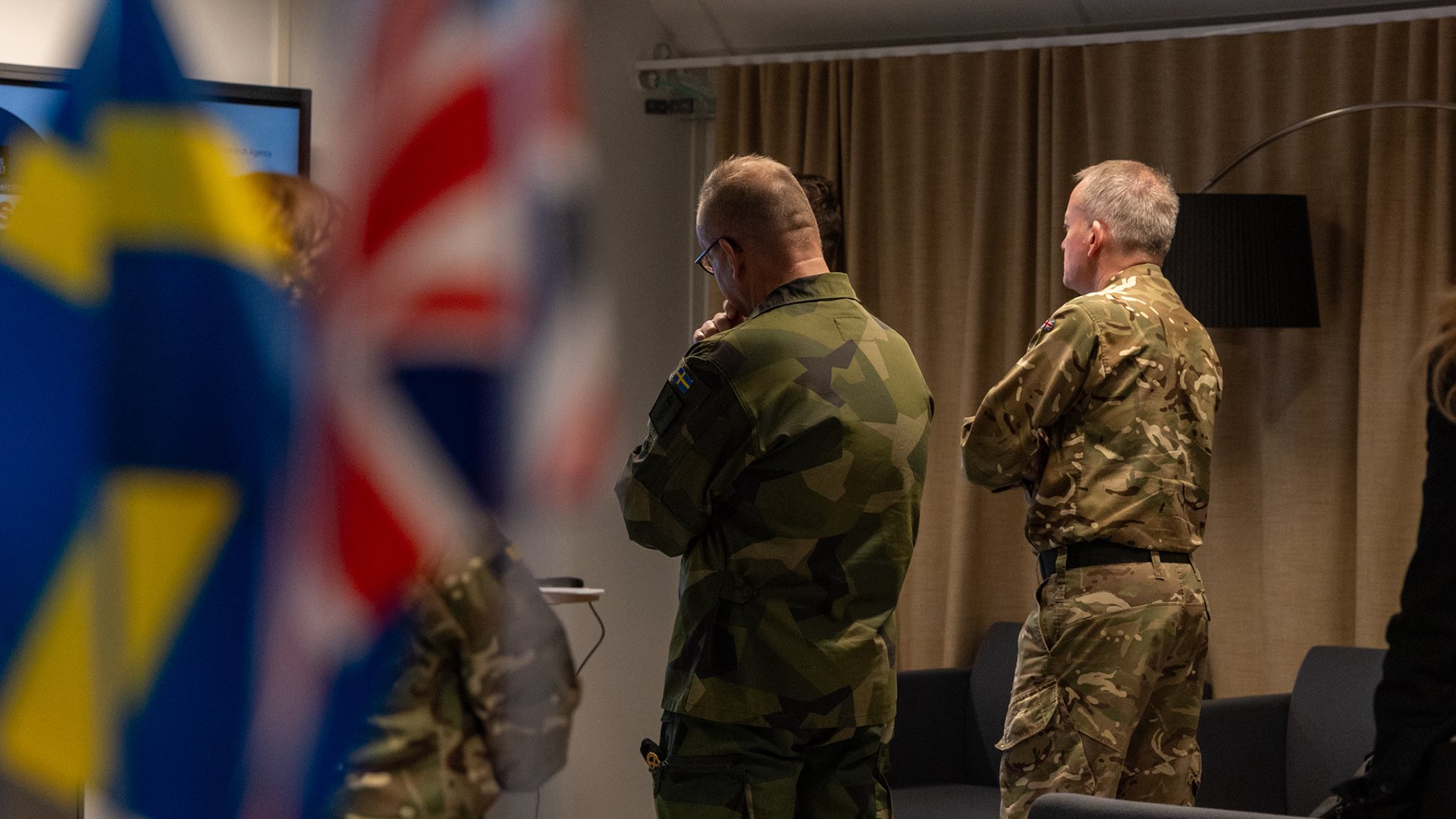
The Chief of Defence Staff's visit included meetings with Swedish troops and the defence industry, as well as exchanges on cyber defence, Total Defence and military training.
Sweden joined Nato in March 2024, becoming the alliance's 32nd member.
ACM Knighton and Gen Claesson said its accession had strengthened security in the Baltic Sea region and reinforced the northern flank.
They said closer cooperation between the UK and Sweden was intended to ensure their armed forces could operate together when required.
Related topics
Join Our Newsletter