Greenland: Denmark's capabilities in the spotlight amid threats from Trump

European leaders, including Prime Minister Sir Keir Starmer, French President Emmanuel Macron and German Chancellor Friedrich Merz, have backed Denmark and Greenland following US threats over the possible annexation of Greenland.
"Arctic security remains a key priority for Europe and it is critical for international and transatlantic security," the European leaders said in a joint statement.
It comes after US president Donald Trump said that Washington wanted to take control of Greenland.
"We need Greenland from the standpoint of national security," Mr Trump said.
Greenland is a semi-autonomous region governed by Copenhagen, and has two members in the Danish parliament.
BFBS Forces News has looked into Denmark's capabilities in the region, its responsibilities and the current reinforcement efforts underway.
How does Denmark defend Greenland?
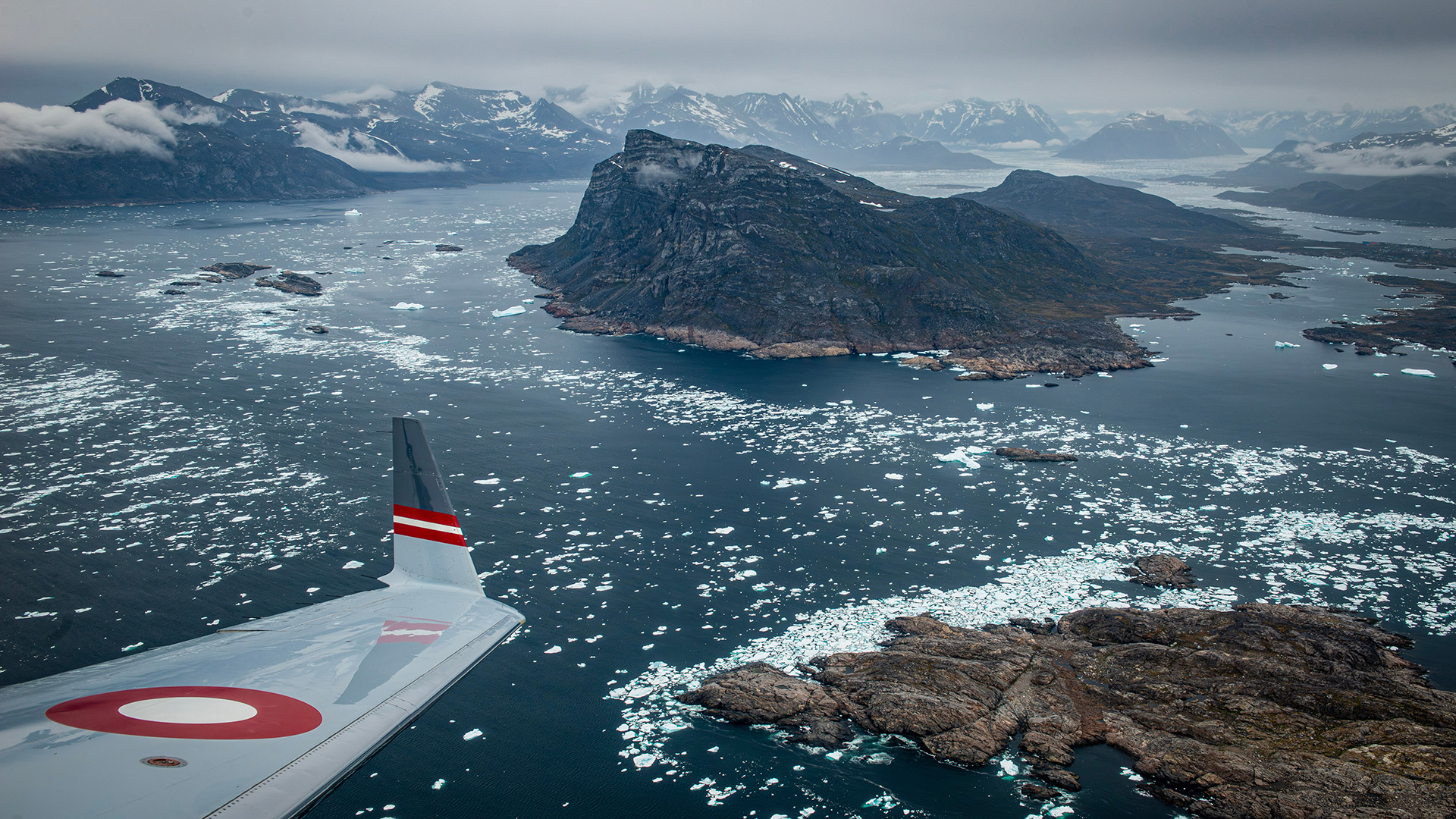
As the region is semi-autonomous, the country with roughly 56,000 residents has to be defended by Copenhagen's forces.
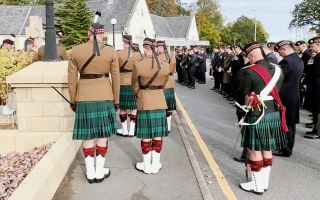
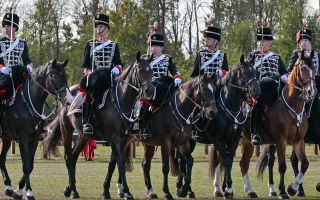
Denmark's armed forces include around 7,000 to 9,000 personnel in the Royal Danish Army, while its navy has 3,000 personnel, alongside the Danish air force, staffed by between 3,400 and 3,500 personnel.
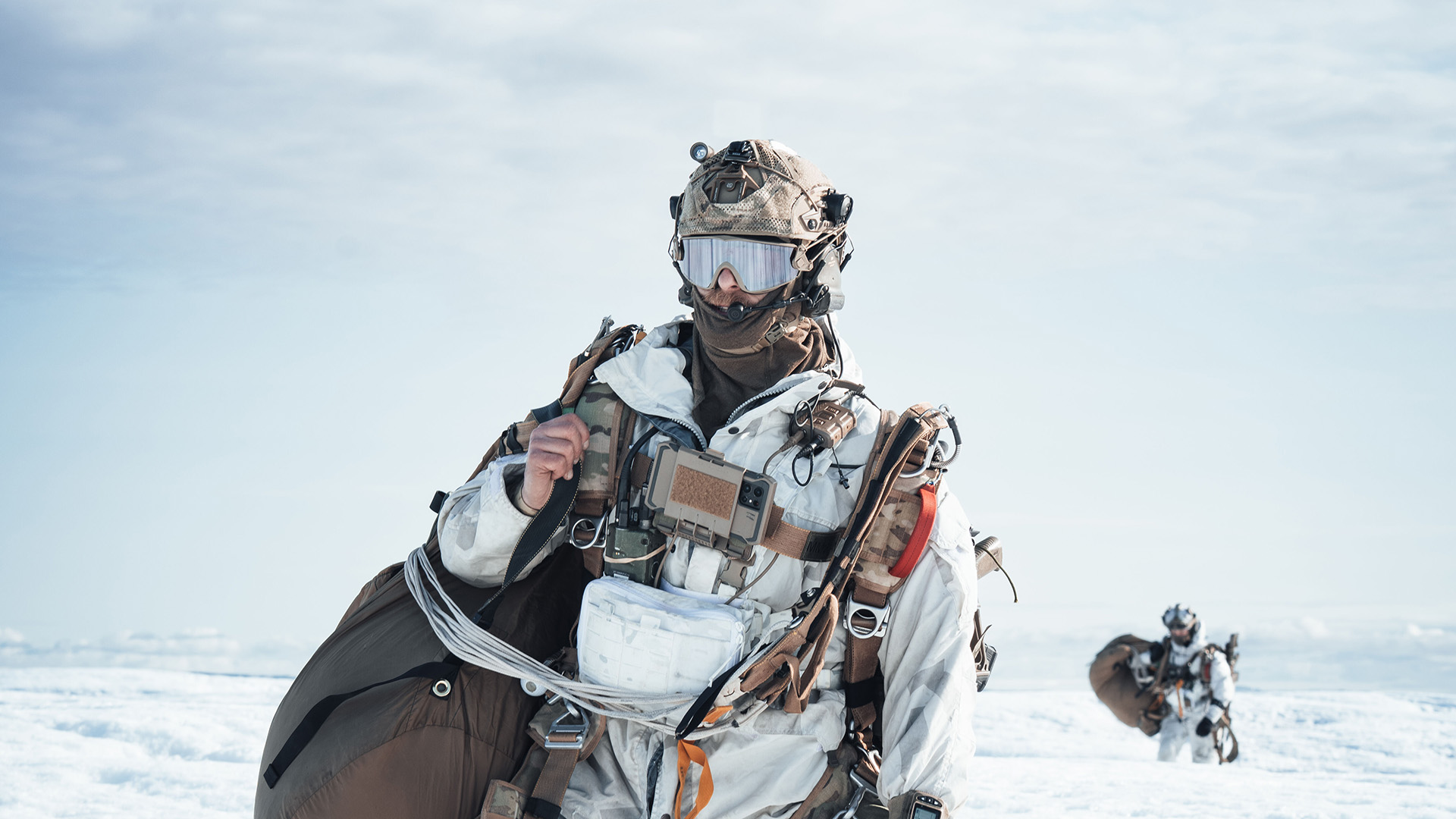
As part of Denmark's defence of Greenland, there is a specific part of its military focused on the Arctic – the Joint Arctic Command (JAC).
What capabilities does Denmark's JAC have?
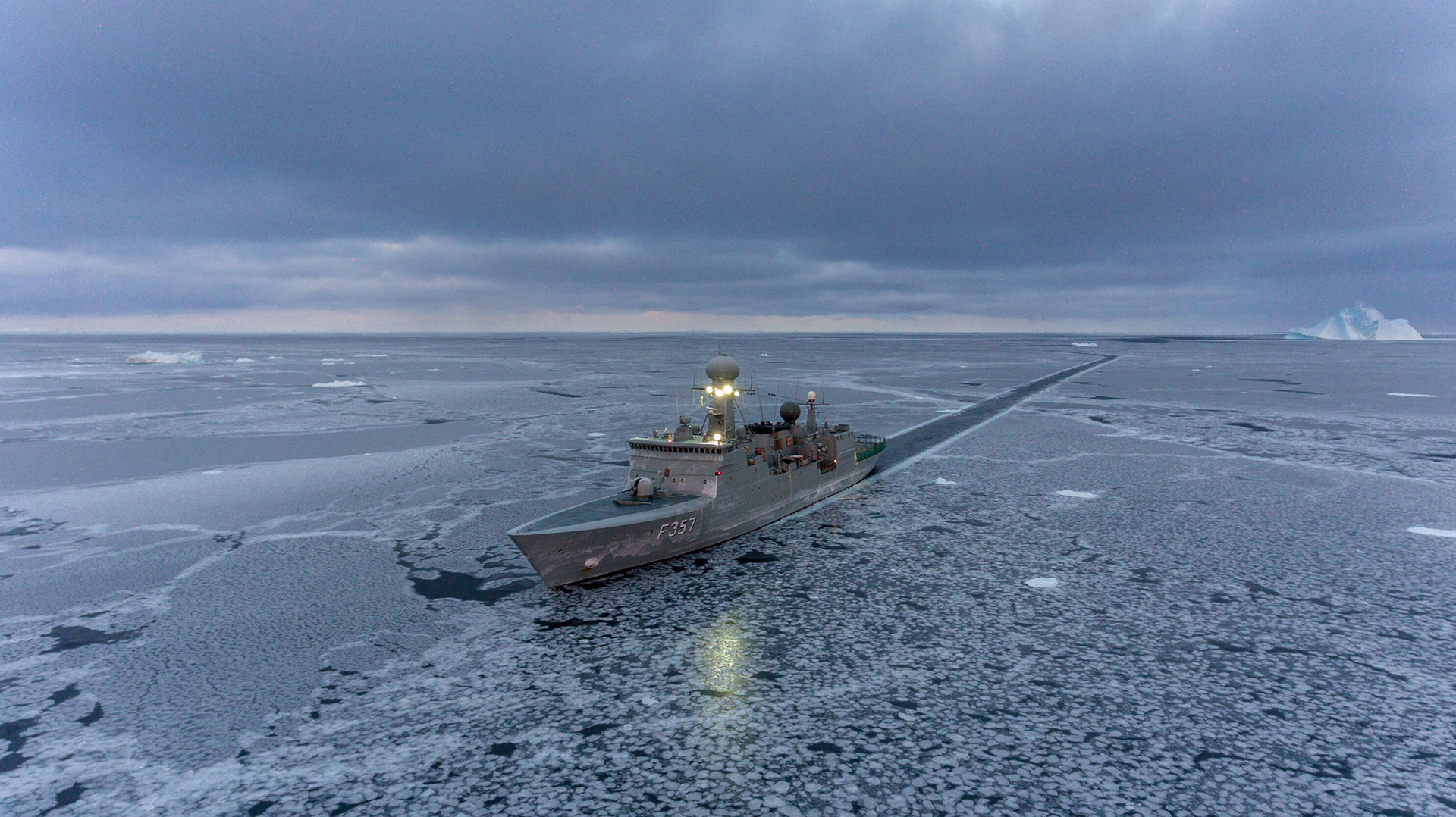
The JAC is headquartered in Nuuk, Greenland, meaning the organisation has the "coolest command on Earth". It also has a tiny base in Thorshavn in the Faroe Islands.
In terms of capability, the JAC has been given four Thetis-class patrol vessels, which weigh 3,500 tonnes and have ice-reinforced hulls to get through the thick ice in the region.
These vessels are kitted out with heavy machine guns, Stinger launchers and decoy launching systems.
They are sailed by the Danish navy's 1st Squadron, whose job is centred around defending the seas surrounding Greenland and the Faroe Islands.
In addition to these Thetis-class patrol vessels, the force has three Knud Rasmussen-class patrol vessels. This class of ship has a helicopter deck and is equipped with two heavy machine guns, two Stanflex payload slots, and two container positions.
The JAC also has a royal yacht named HDMY Dannebrog at its disposal.
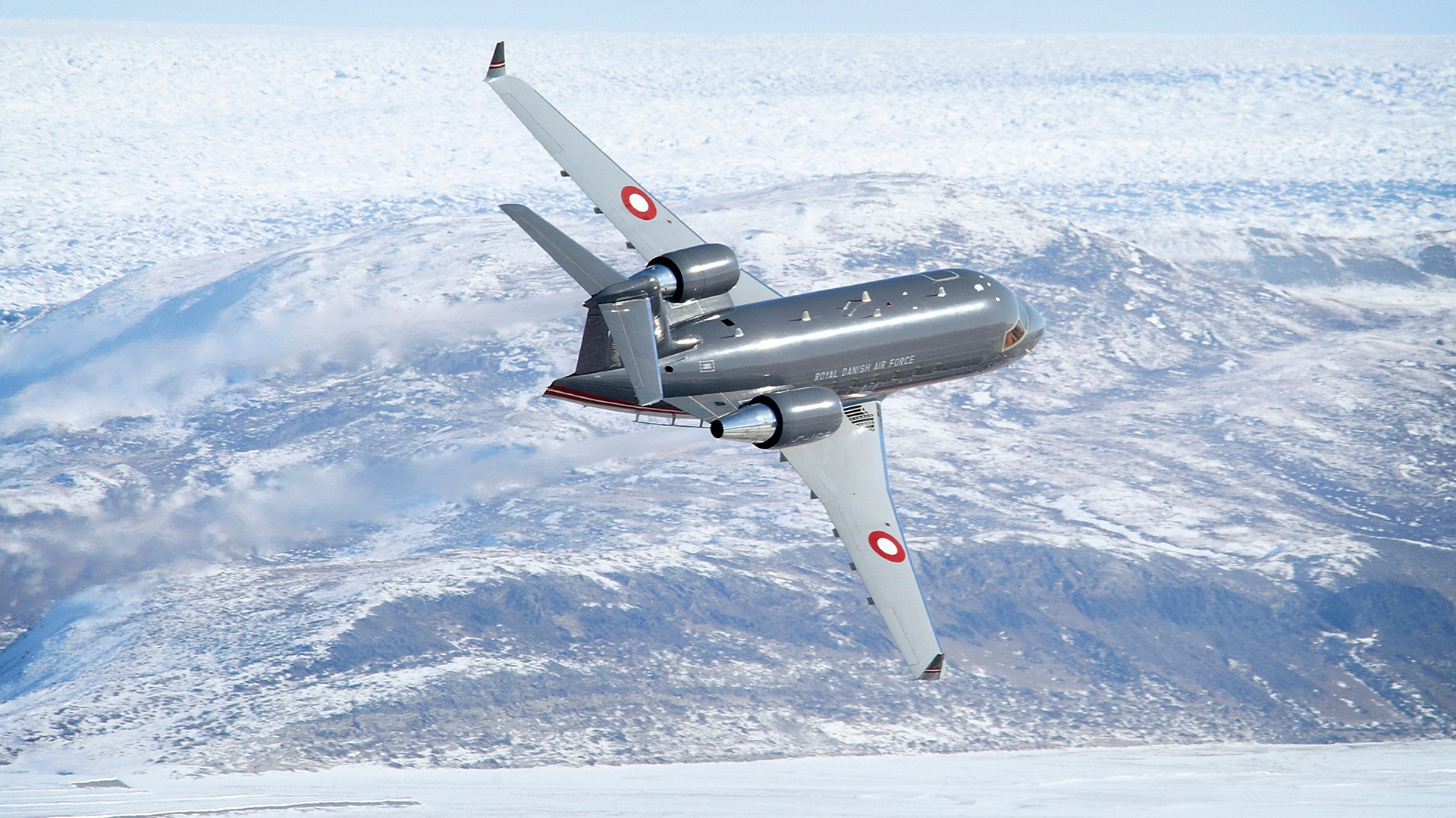
Meanwhile, in the air, the region can be defended by the Royal Danish Air Force's Bombardier Challenger 604 aircraft and Lockheed Martin C-130J Super Hercules aircraft.
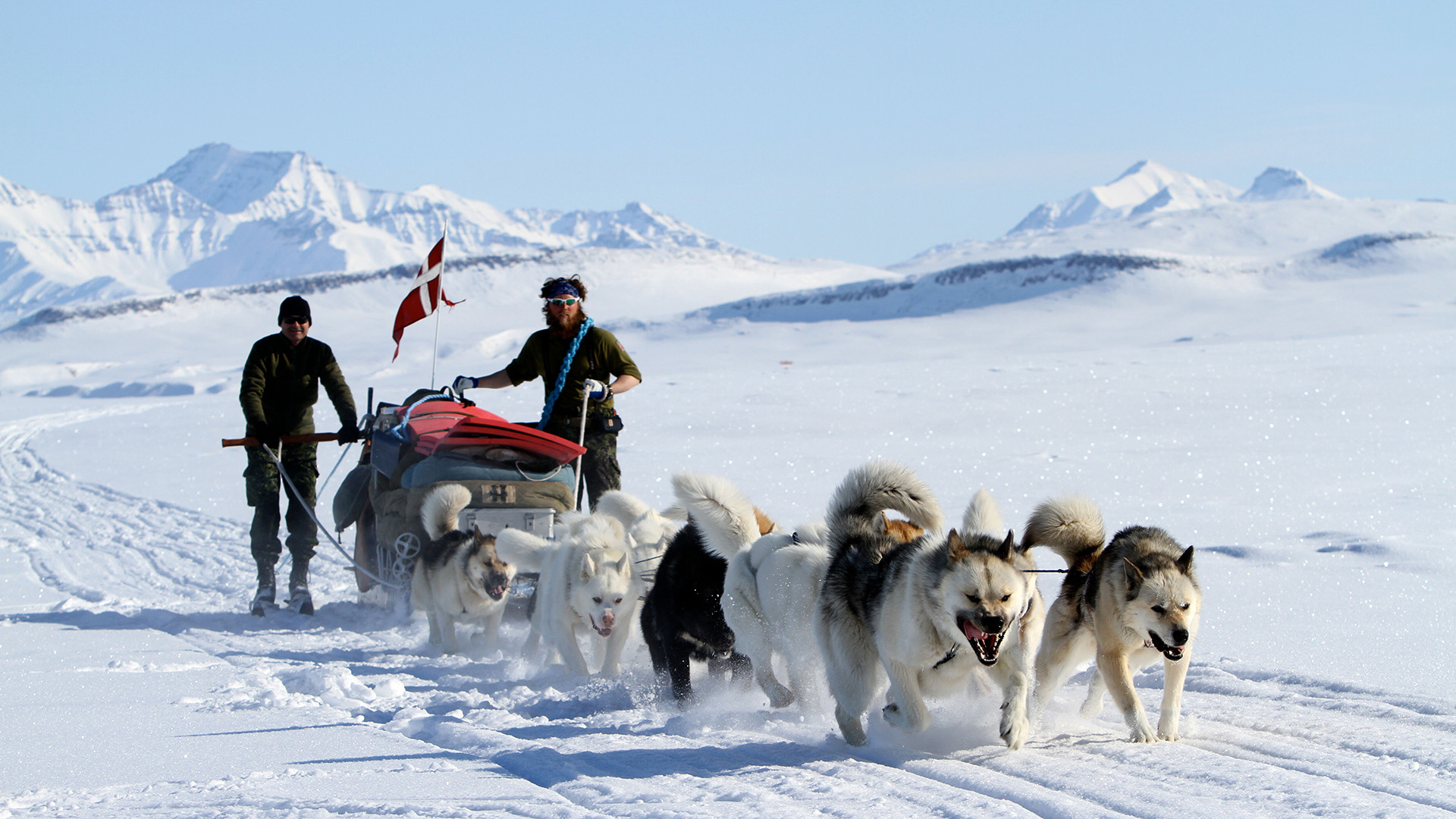
One of the stranger and more unique capabilities of the Joint Arctic Command is the Sirius – not the Harry Potter character – dog sledge patrols.
Instead of man and machine working together, these patrols use another power: dogs.
Six dog sledge teams with two personnel in each one from the Danish navy navigate the massive expanse of Greenland for nearly six months, according to the BBC.
The hounds, specifically bred for their stamina and power, are assigned to the unit for five years, and 14 canines are handed to each team.
What responsibilities does the JAC have?
The main responsibility of Joint Arctic Command is to defend Denmark's sovereignty in the Arctic region, which includes Greenland and the Faroe Islands.
The Danish military is responsible for protecting the region's security, as the country is a Nato member and therefore protected under Article 5.
Article 5 is the alliance's collective defence clause, which states that an armed attack against one Nato member is considered an attack against them all, and that each member will take whatever action it deems necessary to help the attacked country – including the use of armed force.
However, this article has not been tested in the case of another Nato member invading another alliance member.
The JAC is also involved in surveillance, helping prevent pollution, inspecting fisheries, search and rescue, aiding hydrographical surveys and supporting governmental science missions.
How is Denmark reinforcing the JAC?
In January 2025, Denmark said that it had overlooked the protection of the semi-autonomous region.
"We have neglected for many years to make the necessary investments in ships and in aircraft that will help monitor our kingdom, and that is what we are now trying to do something about," Troels Lund Poulsen, Copenhagen’s defence minister, said.
Following the minister's admission, Denmark revealed that it would direct £3.2bn of additional defence spending to the Arctic and North Atlantic regions, such as Greenland, in October last year.
The defence funding was organised with Greenland and the Faroe Islands.
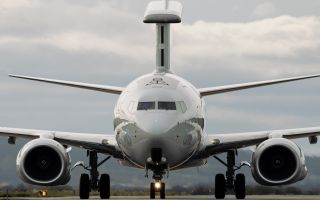
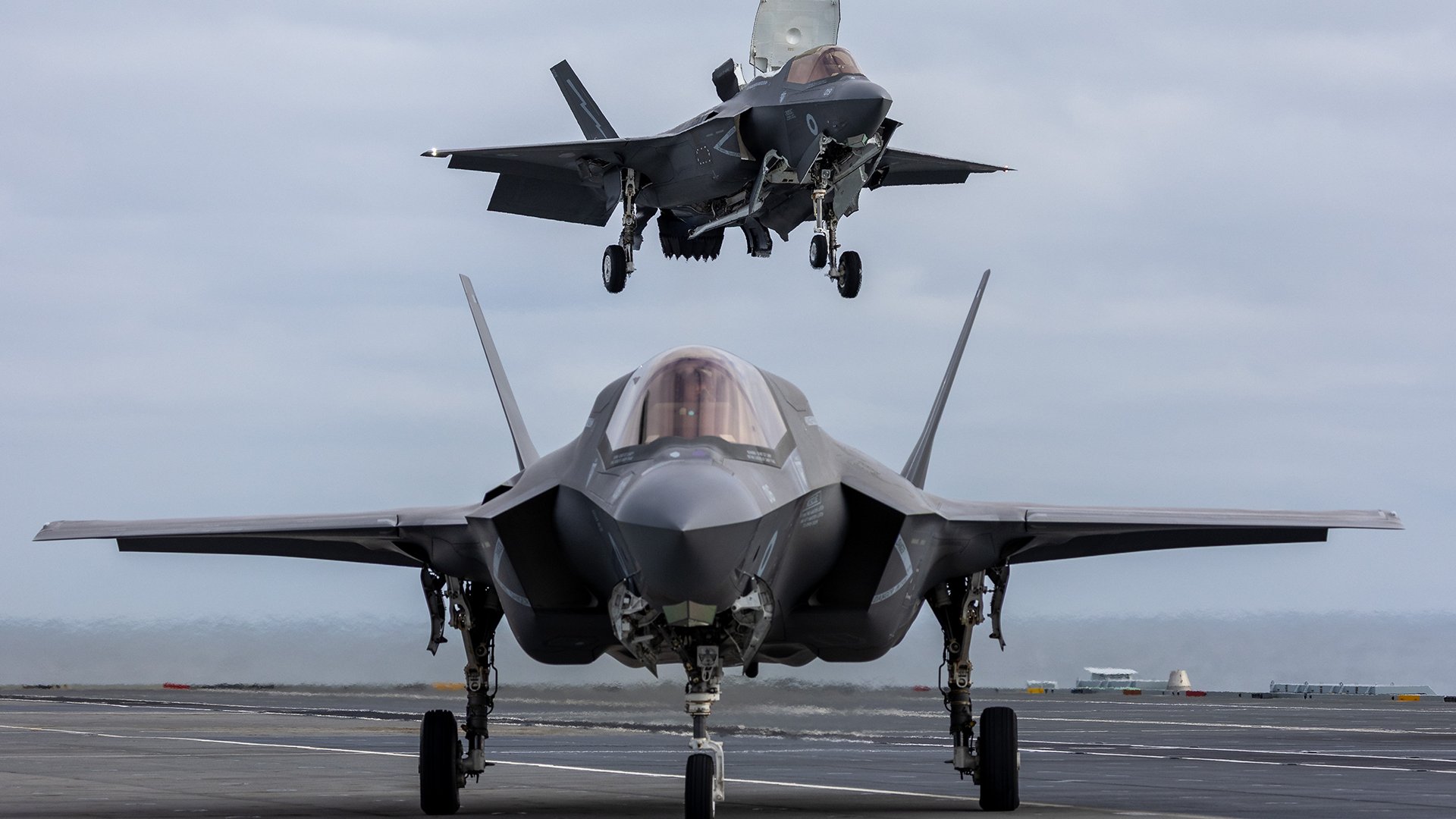
Copenhagen will reportedly acquire 16 more F-35 fighter jets, two new Arctic ships, maritime patrol planes, drones and early warning radar.
Alongside the equipment, a brand-new Arctic command headquarters will be created in Greenland's capital, Nuuk, as well as a new military unit in the aforementioned JAC.
The Danes will also invest in a new undersea cable linking Greenland and Denmark.
Related topics
Join Our Newsletter