Dynamic Manta, Dynamic Messenger, and a personal favourite, Dynamic Mongoose – Nato certainly seems to have a fondness for a familiar prefix.
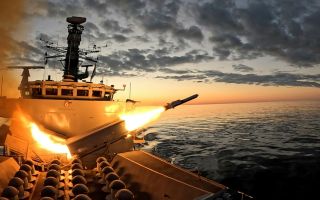
While the naming conventions are routine, the training is not, as Nato's premier live exercise, Dynamic Guard, tested the alliance on electronic warfare, anti-ship missile defence, and counter-drone training.
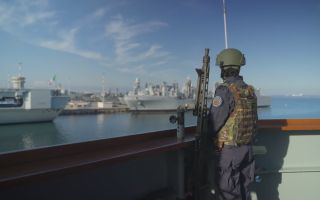
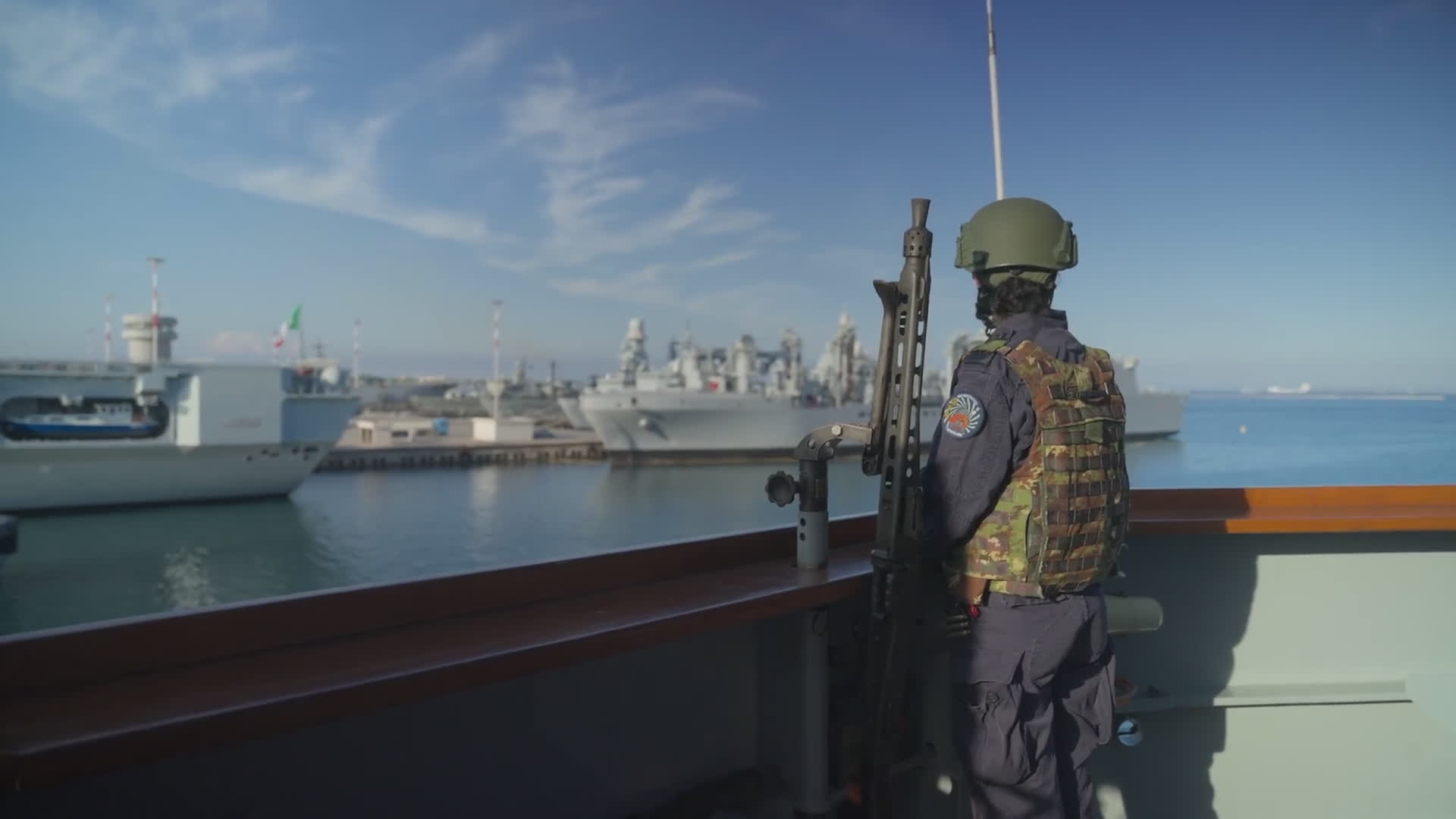
Over five days in the Mediterranean, the exercise tested ships and crews from Standing Nato Maritime Group 2 (SNMG2) in a highly challenging, rapidly shifting environment.
The group is one of Nato's four standing maritime forces: a rotating package of allied warships that maintains continuous readiness in peacetime, crisis and conflict, and can be moved quickly to support operations and reassurance tasks.
Keeping ahead in the electromagnetic battlespace
Designed to sharpen skills and drills in an electromagnetic and maritime environment, the training focused on responding to a range of simulated threats, including communications disruption, radar jamming, anti-ship missile attacks and unmanned aerial systems.
Throughout the exercise, participating units practised the full defensive sequence, from early threat detection and tracking to coordinated responses using both soft-kill and hard-kill counter-UAS techniques.
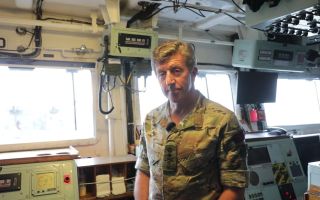
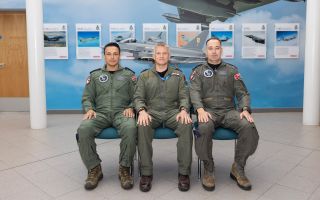
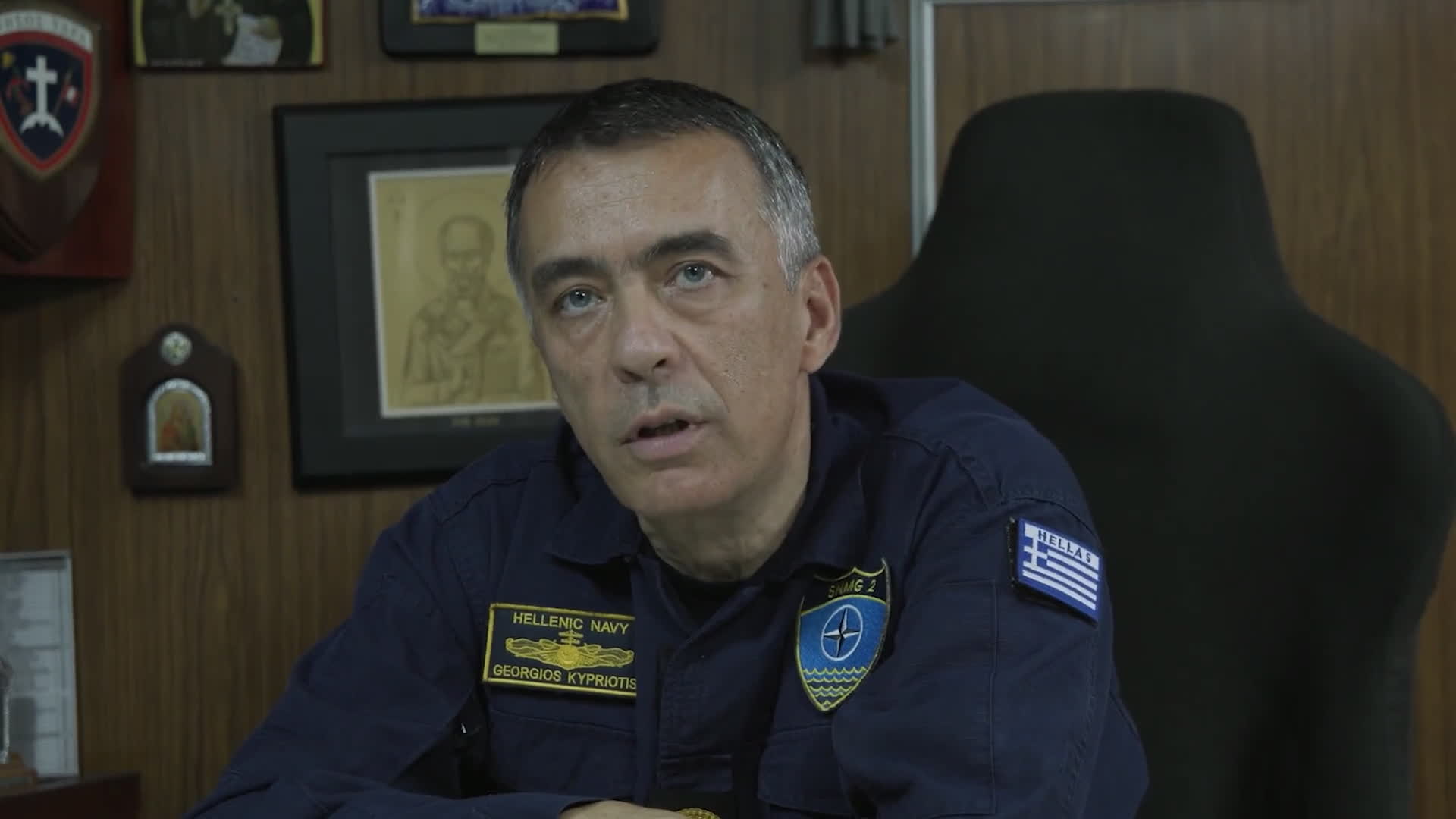
Commander of SNMG2, Hellenic Navy Commodore Georgios Kypriotis, said the exercise demonstrates that Nato forces are "trained and prepared to confront", highlighting the importance of controlling and defending the electromagnetic spectrum.
"Our multinational forces are fully prepared to train alongside allied partners, strengthen interoperability, and demonstrate Nato's collective readiness to deter and defend against any threat," he said.
The training also incorporated electronic warfare and anti-ship missile defence procedures, testing how vessels share information, coordinate their defensive actions and adapt should communications or sensors be disrupted.
A constant cycle of adaptation
Gerald Poppinga, an expert with Nato's NCIA Joint Intelligence, Surveillance and Reconnaissance (JISR) added: "Electronic warfare is nothing new; we have a long history of operating in and understanding the electromagnetic spectrum.
"But as we have developed new ways to detect and defeat systems, those systems have also evolved to overcome their vulnerabilities.
"It is a constant cycle of adaptation. That is why we must continue to train, learn and keep pace with the rapid development of technology."
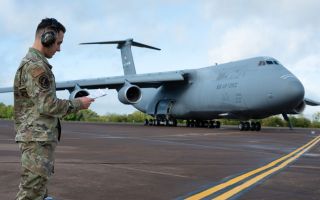
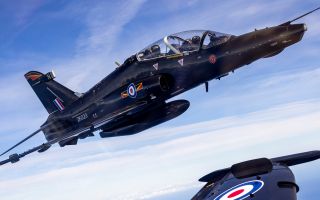
Both air and maritime assets were integrated throughout the exercise, requiring that the aircraft and crews from the participating nations work together seamlessly.
Ever thought about the naming conventions?
And if, for whatever reason, you're wondering why so many Nato exercises seem to come with the prefix "Dynamic," let's put that one to bed.
Nato exercises generally follow a two-word naming convention. The first letter of the first word identifies the Nato command responsible for running the exercise, while the first letter of the second word identifies the principal element or domain involved.
Take Ex Brilliant Jump, for example. The B points towards JFC Brunssum, while the J indicates it is a joint exercise.
Similarly, Ex Steadfast Noon is hosted by Supreme Headquarters Allied Powers Europe (SHAPE) and is a two-week nuclear deterrence exercise.
Of course, there are some exceptions to this rule, as is the case with Dynamic Guard.
Dynamic is particularly associated with exercises led by Nato's Allied Maritime Command (MARCOM), which is why you will see a host of maritime exercises carrying the name. The second word then helps distinguish the domain or element involved.
While Dynamic Mongoose and Dynamic Manta signal anti-submarine warfare in the maritime domain – hence the M – Dynamic Guard is centered on electronic warfare and anti-ship missile defence, hence the D.
So there we have it: a little nugget of Nato trivia which could come in handy at the next niche pub quiz.
Related topics
Join Our Newsletter