War won't just affect those working in defence – it'll affect us all, official warns
Military leaders and politicians are talking more and more about resilience and whole-society defence, but what does it really mean and why does it matter?
I've been spending time in Norway and Sweden to find out what the UK can learn about what they call Total Defence.
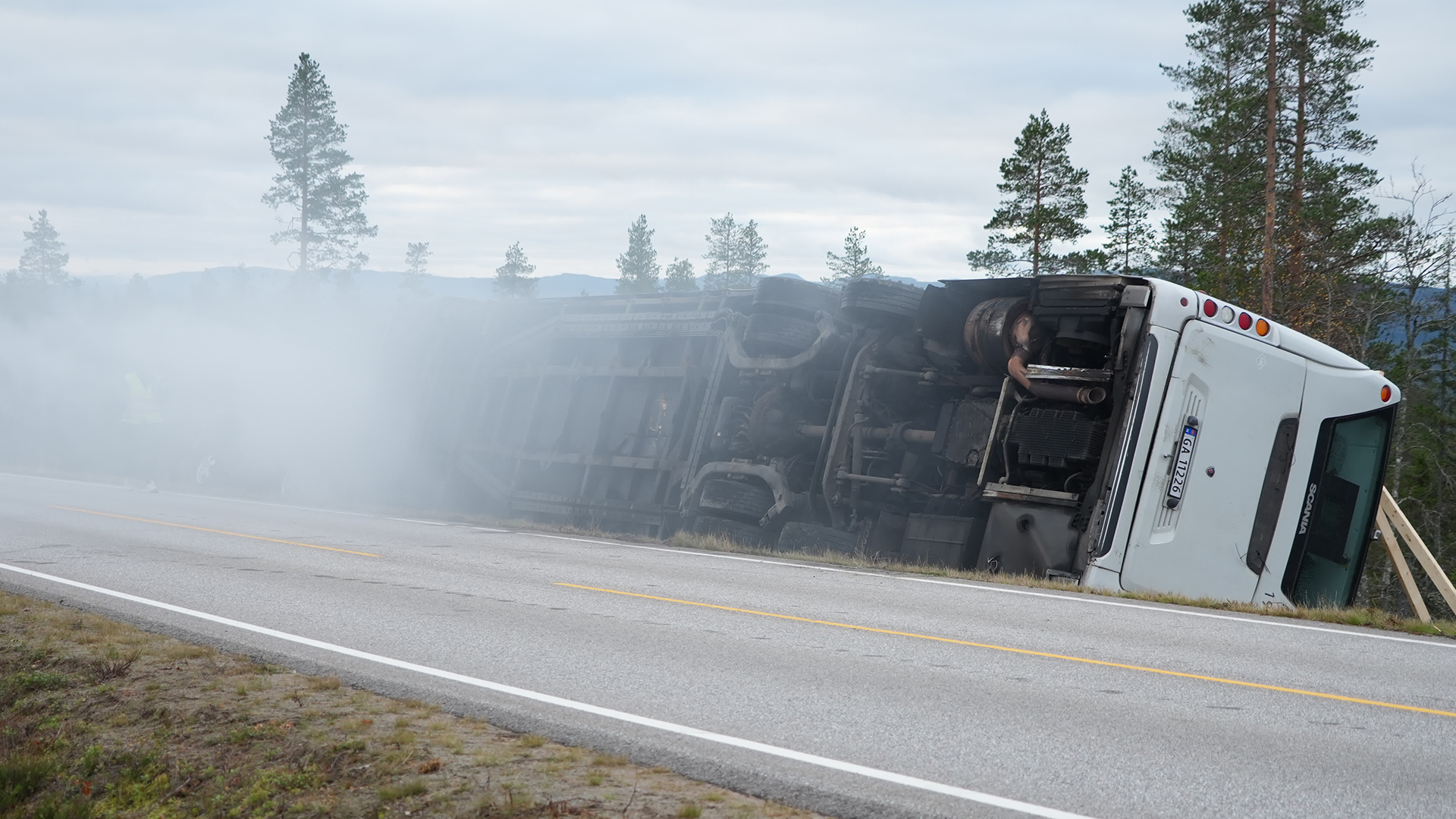
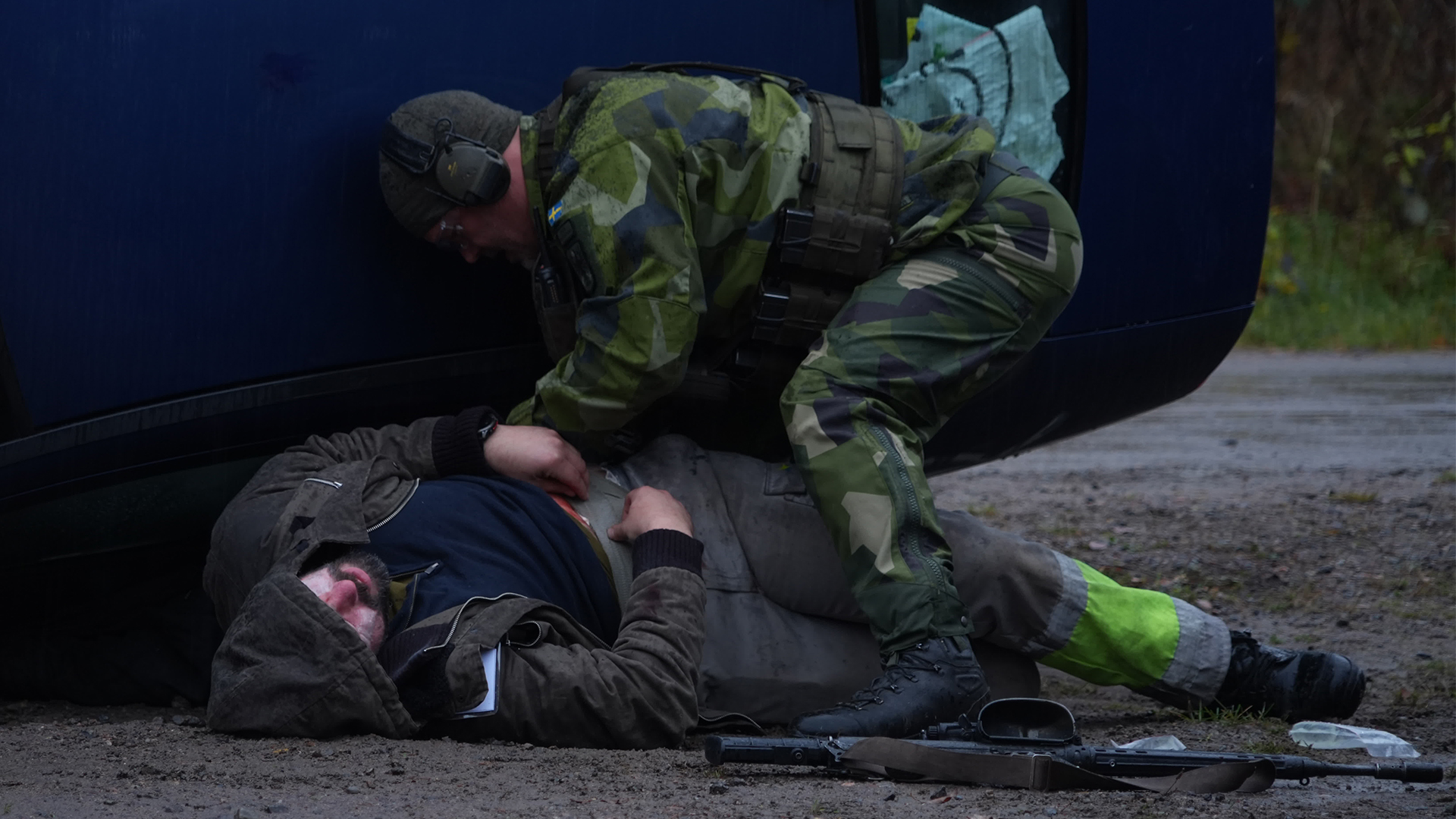
On a country road through the Norwegian border region with Sweden, a bus full of Nato recce troops lies on its side after coming under fire – and it's the job of the Norwegian Home Guard to respond.
A role for peacetime – and for conflict
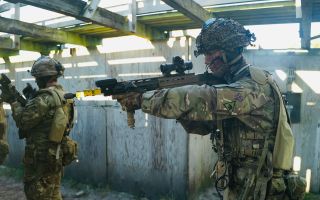
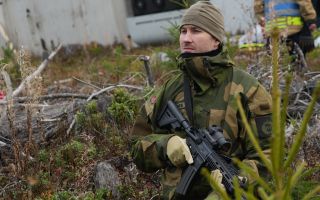
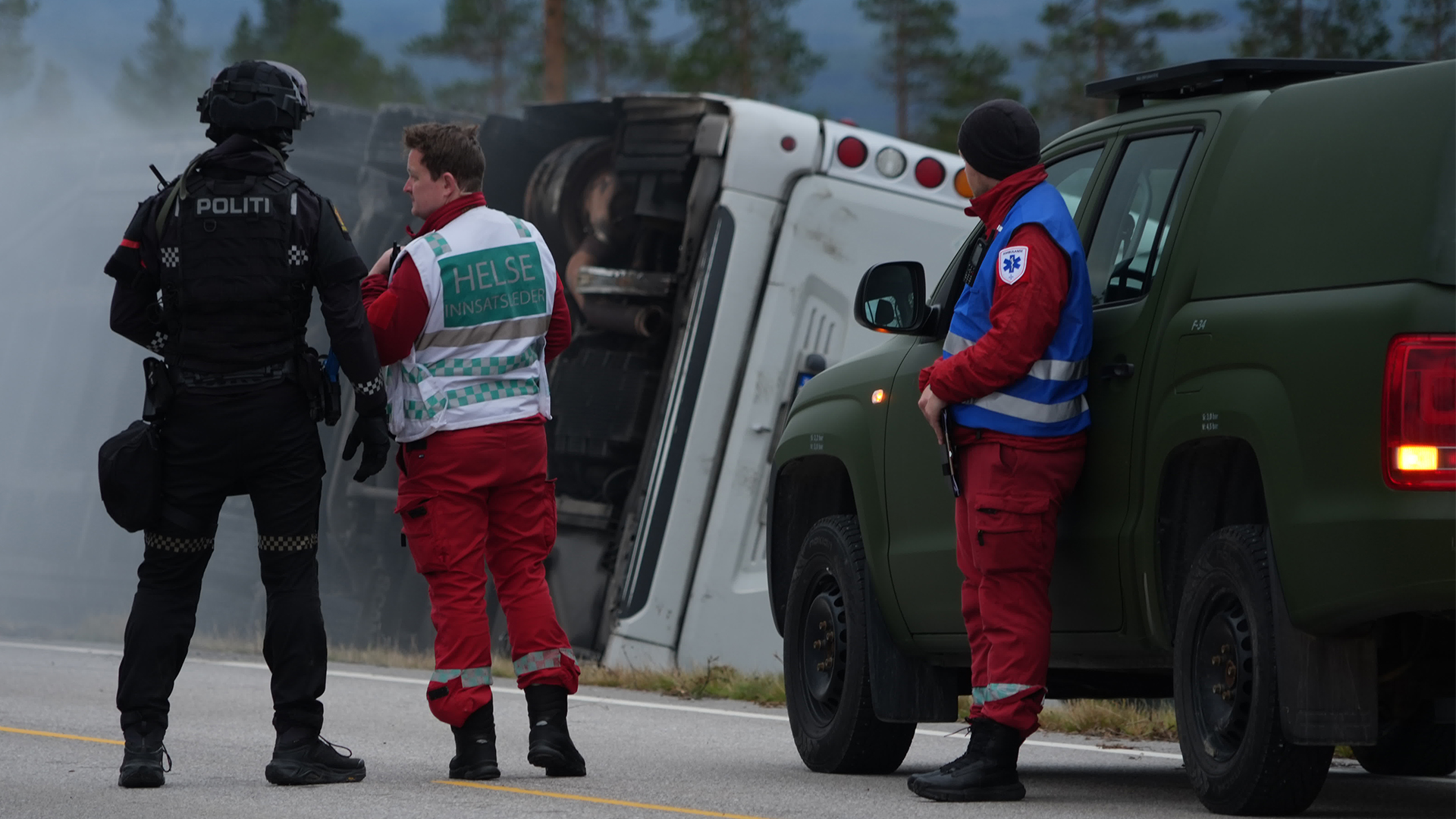
This is all part of Exercise GrensKraft 2026. In the scenario the Home Guard soldiers are escorting the Nato convoy, so they must hold the perimeter and provide first aid to the injured while they wait for emergency services.
Norway has 40,500 people in the Home Guard. They are local part-time soldiers who serve as a quick mobilisation force.
Lieutenant Colonel Joakem Meyer, one of the regional commanders, told me: "That's part of the Total Defence concept, the military supporting the civilian authorities and vice versa.
"On this exercise, we're training in peacetime, which means that it's the police and the civil authorities that are the lead, and we are in support.
"When we get higher up on the crisis – and closer to war – that shifts."
Total Defence in face of total war
Norway's declared 2026 the year of Total Defence. If you've not heard of this, it's originally a Cold War concept.
The central idea is simple: national security shouldn't just be the responsibility of the military, but something shared with the public, the government and private industry.
"We need to activate the civil society," said Knut Storberget, the local county governor.
"And I believe in not spreading fear about it, but start talking in the schools, start telling even the local politicians that they have a role.
"War will not happen in the defence ministry – it will happen in your community."
More people wanting to serve than spaces
As the UK looks for more ways to get people more involved in defence, could some form of National Service be part of the solution?
In Norway this is compulsory for all school leavers, and what's interesting is it's proving so popular that there are more people who want to serve than there are spaces available.
"I think it's a really important thing that we do here," said national serviceman Brage Gundersen.
"We prepare for the worst thing to happen if it's going to be a war. Obviously, there's a lot of tension all around the world, so I think it's very important that we do these sorts of things, and I'm very glad to be a part of it."
He tells me he thinks his views are typical of Norwegians his age, and fellow conscript Emma Fvoreland agrees.
"If you push the problem on other people, it will not be solved," she said.
"I think everyone should be a part to protect this. Norway – it's a really pretty country. I love it, so I think everyone has a responsibility to defend the country."
The Swedish solution
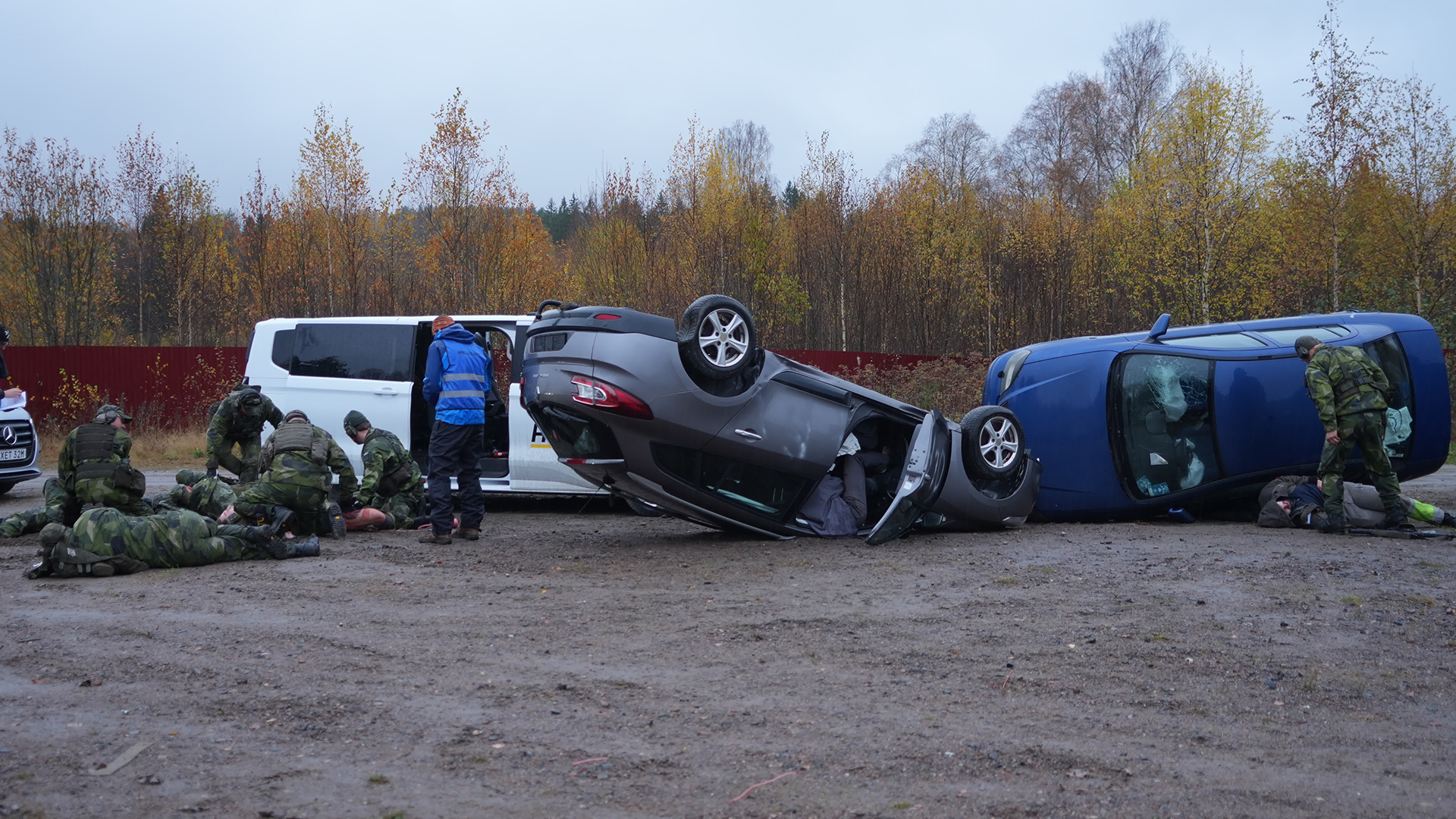
The following day we drive south and over the border to Sweden. "GrensKraft" means "border power" and one of the key tests of this exercise is how well these countries can work together in difficult circumstances and come to each other's aid.
Like Norway, Sweden relies heavily on its 23,000-strong Home Guard. They are a national volunteer force who describe themselves as "regular Swedes who defend the country after work".
But would this concept of a national volunteer force work in the UK, where those in charge worry about public cynicism and fear this could be met with hostility?
When I spoke to Lieutenant Colonel Johan Zackrisson, the local Home Guard commander, he said he could understand UK uncertainty about standing up a similar force.
"I can relate to the Dad's Army portion," he said. "We've had that back in the day. The Swedish Home Guard was founded in the '40s, so for a large period of time that was actually the case.
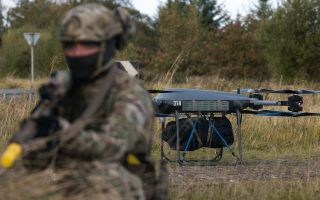
"Today it's a very modern force. They have more or less the same equipment as a regular army unit – we have night capability, we have drones."
At the end of the Cold War, Sweden discontinued its Total Defence posture but since the annexation of Crimea in 2014, the country's been working hard to rebuild this.
So what would their advice be to the UK?
Colonel Stefan Smedman, a regional commander in the Swedish army who joined as a conscript and spent the next 39 years serving, suggested the UK should rebuild its own Home Guard.
"You had it during the Second World War," he said. "I will say go that way because [now] you can see all the modern weapons and so on.
"The hostilities will be there. So I will say try the Swedish solution."
Join Our Newsletter