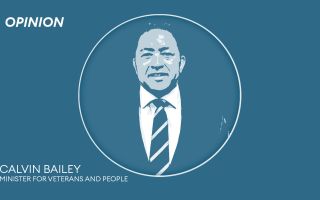
'Cadets changed direction of my life' and can transform thousands more, says Calvin Bailey

Growing up as a young black kid on the streets of south-east London during the early 1990s, I was always conscious of racism and the possibility that something bad could happen.
Then my best friend's brother, Stephen Lawrence, was brutally murdered.
Stabbed to death while waiting for a bus in Eltham – I was 15.
Still very much a boy but forced to confront the realities of a divided and hate-ridden society.
I was scared it could happen to me.
With fear and tension running high, there are so many ways my life could have gone off the rails before it had even begun.
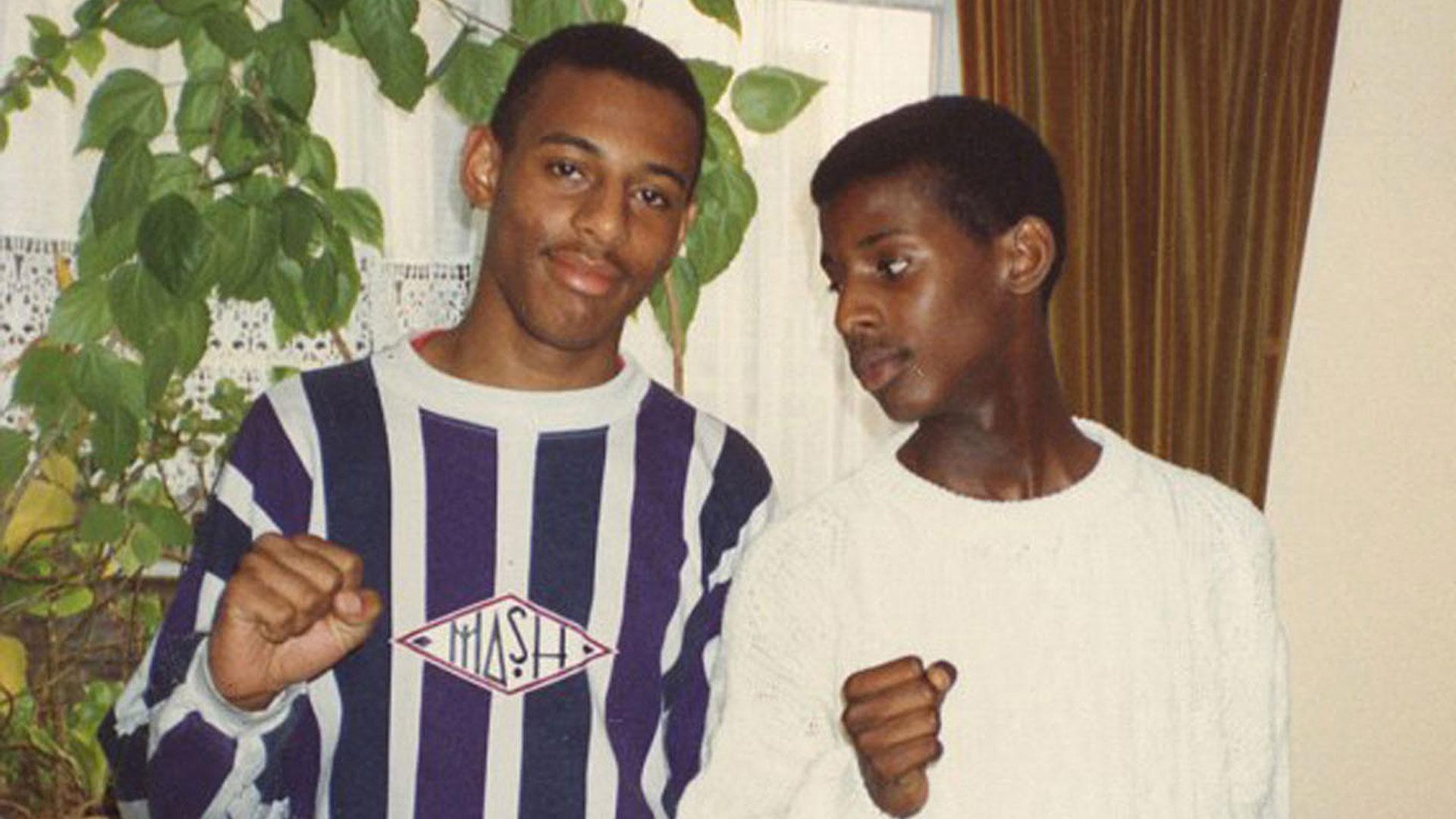
Instinctively, struggling to make sense of a frightening situation, I had started carrying a penknife for protection.
Looking back, I can see how wrong that decision was – I could easily have ended up in prison or worse.
At that time, I had been a cadet for four years, since the age of 11.
And it was the cadets, alongside my family, who helped keep me on the right track.
The values, discipline and sense of purpose cadets had given me helped steer me away from that path and towards better choices.
Being a cadet gave me direction, community and a productive focus for my time at a formative age.
Cadets taught me so much – new skills, confidence, how to sharpen up my act.
How to create and lead teams, plus how to compete, which means learning how to win and lose.
The standards and discipline carried into my school life too, because my friends and I didn't want to be seen as letting the unit down.
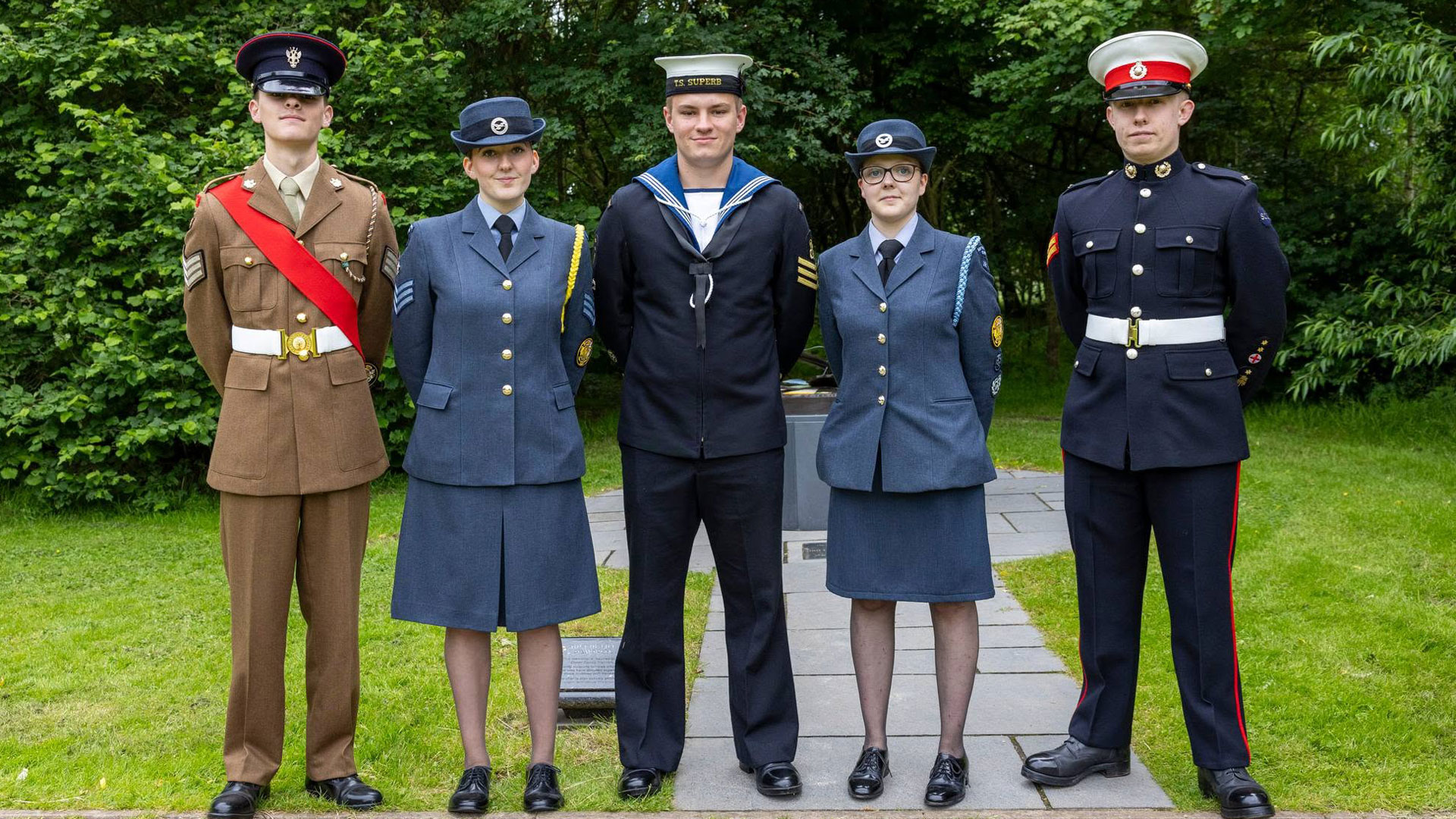
These lessons helped me cope during my teens and made me more agile and robust as an adult.
I had always been interested in stories about the Second World War and particularly the Battle of Britain.
But they always felt like someone else's stories.
By contrast, cadets connected me to the world of defence and helped me understand military life and culture on my own terms.
First the cadets grounded me, then they opened the world up to me and prepared me for the future.
Being a cadet offered opportunities that would have been impossible for me to experience otherwise.
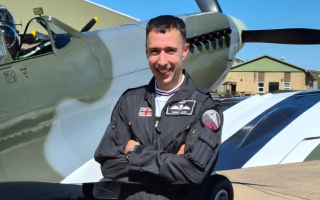
I learned to fly before I could drive.
I was invited to go on an exchange trip to Hong Kong based on my performance at cadets, rather than my family's ability to pay.
Today, in the cadets, you can learn how to sail, operate the latest drones, or tackle survival courses.
You get fitter, stronger and more resilient.
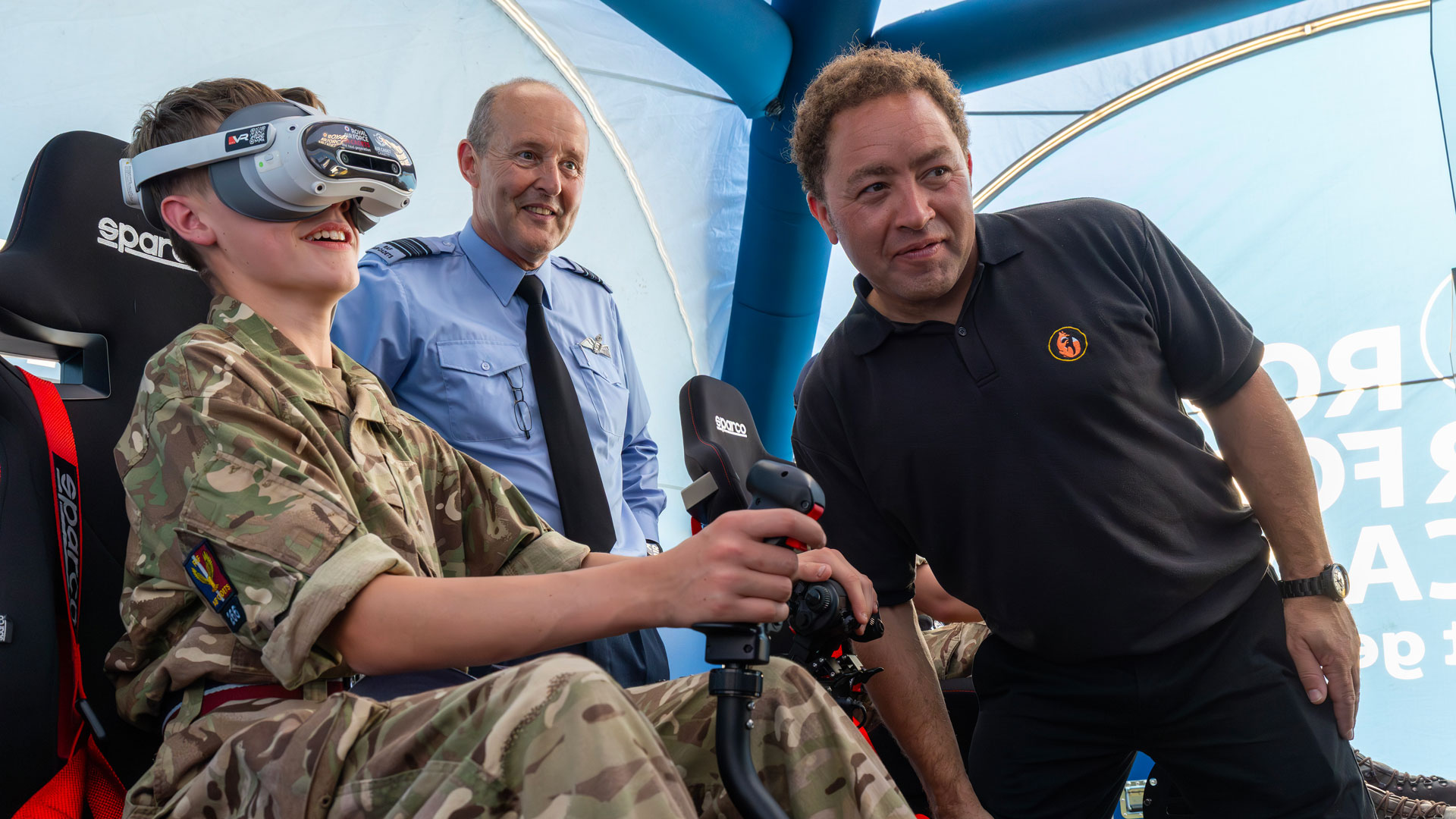
And you meet many new friends.
You can also work towards qualifications like BTECs or Duke of Edinburgh Awards.
For me, cadets opened the door to the Armed Forces and 25 years of service and leadership in the RAF.
Most cadets do not pursue Armed Forces' careers, but they take the skills, confidence and resilience they gain into whatever path they choose.
None of this would have been possible without the volunteers who gave up their time to support young people like me.
They weren't there for recognition or reward.
They simply believed in helping the next generation develop confidence, skills and ambition.
Looking back, I can see just how much of an impact they had on my life.
For it was Mr West, a local police constable, who was our Squadron Warrant Officer, that made clear to us the dangers and folly of carrying weapons on the street.
It was his guidance that helped me and it was exposure to him which kept me safe.
Today, thousands of volunteers like Mr West, continue to provide those same opportunities for young people across the country.
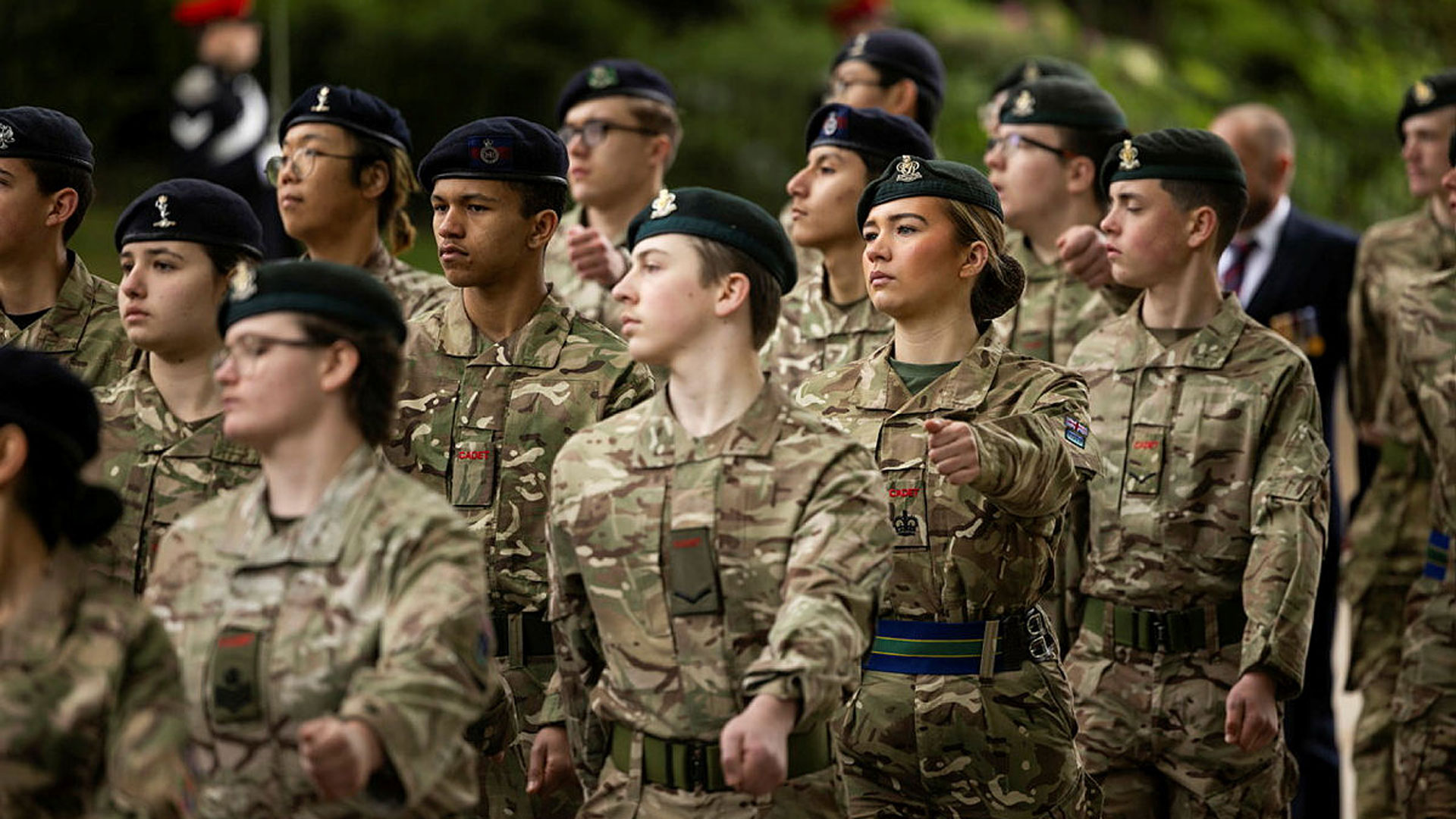
It is exposure to a broad spectrum of people from within our communities who help transform the lives of the many thousands of young people that are our cadet forces.
If you've ever considered volunteering in support of our cadets, I would encourage you to find out more.
You could make a lasting difference to a young person's future, just as my instructors did for me.
Our volunteers make a difference to our whole country as well as the young people they work with, because cadets are a national resource, not just a defence one.
Apart from teaching skills and opening up opportunities, our cadets learn how to communicate and interact with adults in a formal manner and engage with wider society.
This is something many young people don't always have the opportunity to develop elsewhere.
I want more kids to realise how much cadets can offer them, regardless of their background or financial circumstances.
Young people today face so many difficulties and barriers to progress.
Yet here is something accessible that could completely alter the trajectory of their lives.
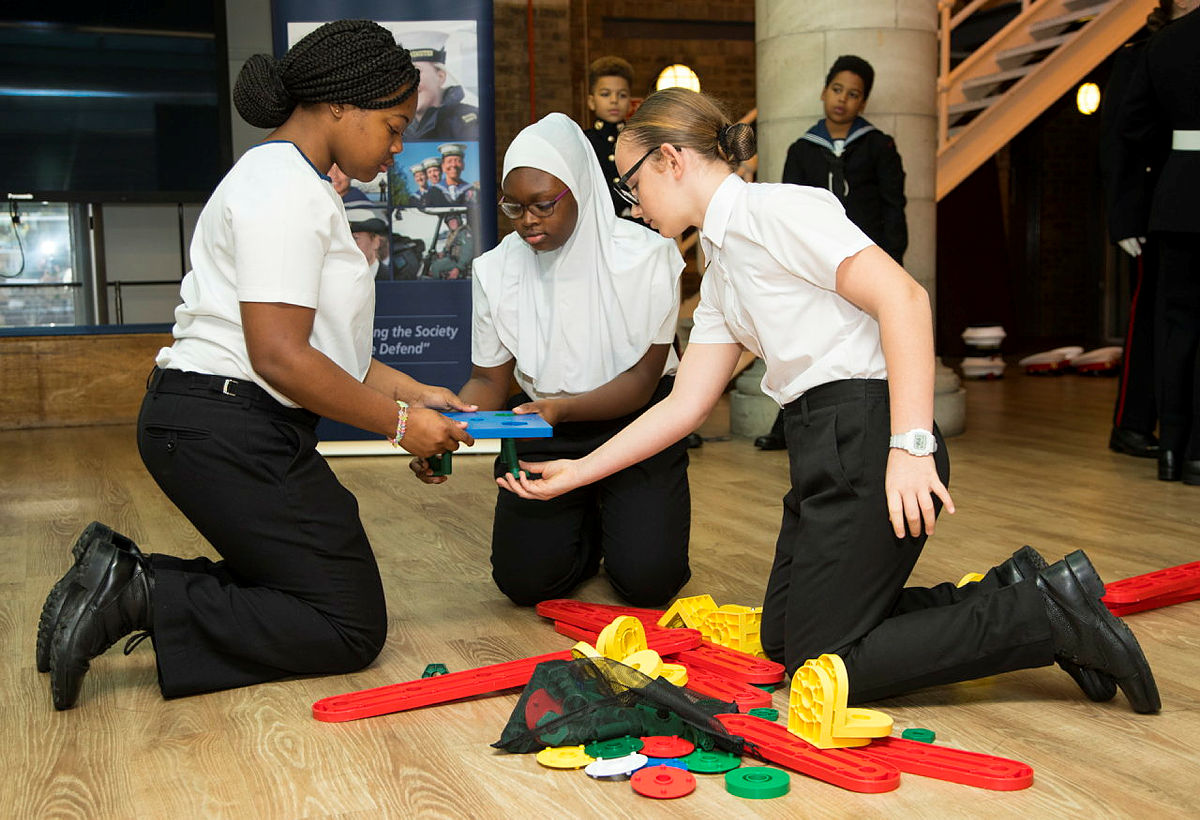
That is why National Cadets' Week this October is so important.
We already have 138,000 cadets who have seized the opportunity.
Now we want another 40,000 to join by 2035, across all five organisations – Sea Cadets,Army Cadets, RAF Cadets, Combined Cadet Force and Volunteer Cadet Corps.
We know many young people around the country are looking for that sense of purpose and community and I know first-hand that cadets offer just that.
I urge anyone interested to find out more and get involved.
Cadets changed the direction of my life.
They gave me skills, confidence and opportunities I would never otherwise have had and introduced me to friends I am still in touch with today.
I benefited from the care and guidance of instructors like Mr West and the lessons I learned from the age of 11 stayed with me through my RAF career and continue to shape me.
That's why I want more young people, whatever their background, to have the same opportunity.
Related topics
Join Our Newsletter